ショーのためのAIスケジューリングとクルーマネジメント
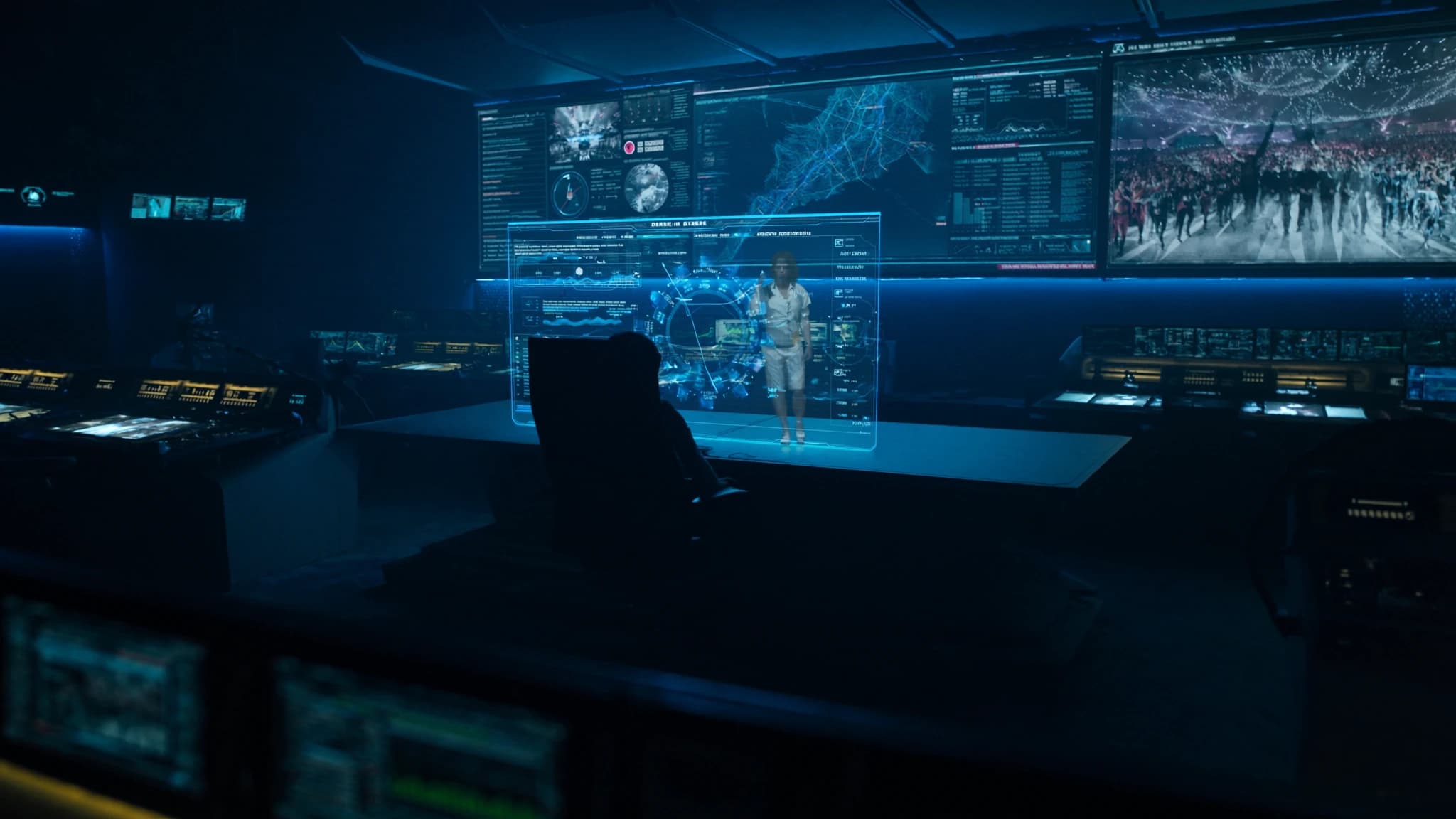
ライブイベントのクルースケジュールの管理は、スキル要件、シフト制限、予算制約のバランスを取りながら、疲労と人員不足を避けるというロジスティクスのパズルです。AIスケジューリングとクルーマネジメントシステムは、これをリアルタイムで解決し、手動計画では到底及ばない精度で名簿、コールタイム、スキルマッチングを最適化します。SSOUNDSはAI駆動のツールをワークフローに統合し、プロダクションチームがより少ない人員で、より安全に、よりコスト効率よくショーを運営できるよう支援します。
主なポイント
- AIスケジューリングは、スキル、空き状況、コスト、休憩要件のバランスを取ることでクルー名簿を最適化し、手作業とエラーを削減します。
- スキルマッチングにより、各タスクに適切な人材が割り当てられ、品質と安全性が向上し、同時に労働力のクロストレーニングが進みます。
- 疲労軽減は重要な利点です。AIは休憩時間を適用し、燃え尽きリスクを検出し、事故率を下げます。
- 過剰人員、残業、管理オーバーヘッドの削減により、人件費の10~15%の節約が典型的です。
- 既存ツール(給与、HR、カレンダー)との統合はAPI経由で簡単で、パイロットプログラムは完全展開前にROIを検証するのに役立ちます。
- AIクルーマネジメントは、SSOUNDSのような高度なPAシステムと並んで、プロのツアーおよびフェスティバルプロダクションの標準ツールになりつつあります。
ライブイベントのクルースケジューリングの複雑さ
ライブイベントには、音響、照明、映像、リギング、ステージハンドなど、部門をまたいで数十人から数百人のクルーメンバーが関わります。各役割には特定のスキル、資格、経験レベルが必要です。コールタイムは搬入、リハーサル、ショー、撤収によって異なり、しばしば不規則な時間で数日にわたります。手動スケジューリングは非効率を招きます。過剰人員はコストを押し上げ、人員不足は安全と品質を危険にさらし、不適切なシフト計画は疲労を引き起こします。疲労は事故の主要な要因です。
従来のスケジューリングはスプレッドシートと属人的な知識に依存しており、すべての変数を同時に最適化することはできません。対照的に、AIスケジューリングエンジンは、数千の制約、スキルマトリックス、空き状況、残業ルール、休憩時間、個人の希望を処理し、最適な名簿を数分で作成します。
AIがクルー名簿とコールタイムを最適化する方法
AIスケジューリングエンジンは、制約充足アルゴリズムと機械学習を使用してクルーメンバーをシフトに割り当てます。システムはデータを取り込みます。各クルーメンバーのスキル(例:FOHエンジニア、RFテック、リガー)、資格(例:OSHA、高所作業車)、空き状況、希望時間、過去のパフォーマンス評価です。その後、必要なすべての役割が資格を持つ人材で埋められることを保証しながら、総人件費を最小化する名簿を生成します。
コールタイムはアイドルタイムを減らすように最適化されます。たとえば、正午のサウンドチェックのために音響クルー全員を午前6時に呼ぶ代わりに、AIは到着をずらします。リギングとPAクルーが最初に到着し、次にシステムエンジニア、そしてショー時間に近づいてモニターエンジニアが到着します。これにより有給の待機時間が減り、クルーは新鮮な状態を保てます。システムはまた、シフト間および連続する日をまたぐ強制的な休憩を適用し、疲労に直接対処します。
スキルマッチング:すべてのタスクに適切な人材を
AIの最も強力な能力の一つはスキルマッチングです。典型的なプロダクションでは、「ラインアレイのチューニング」のようなタスクには認定システムエンジニアが必要ですが、「ケーブルの敷設」には一般的なステージハンドで十分な場合があります。AIは各タスクのスキル要件をクルーデータベースと照合し、最も資格のある空き人材を自動的に割り当てます。また、経験レベルを考慮し、複雑なタスクではジュニアクルーをシニアメンターとペアにすることもできます。
複数日フェスティバルでは、AIはクルーを役割間でローテーションさせ、単調さを防ぎ、スタッフのクロストレーニングを行います。特定の役割をすでに担当した人を追跡し、より多才なチームを時間をかけて構築するために再割り当てを提案できます。これにより専門フリーランサーへの依存が減り、採用コスト全体が下がります。
疲労の軽減と安全性の向上
疲労はライブイベントにおける重大な安全リスクです。重量物の持ち上げ、高所、騒音環境では警戒心が求められます。AIスケジューリングは、最大連続労働時間、最低休憩時間、夜勤の制限を適用します。燃え尽きを示すパターン(例:クルーメンバーが14時間勤務を5日連続で予定されている)を検出し、自動的に調整を提案できます。
一部のシステムはウェアラブルデバイスやタイムトラッキングアプリと統合し、実際の労働時間を予定と比較して監視します。クルーメンバーが安全限界を超えると、AIはアラートを発し、タスクを再割り当てできます。この proactive なアプローチは事故リスクを減らし、地域によって異なる労働規制(例:EU労働時間指令、米国OSHAガイドライン)への準拠を支援します。
最適化によるコスト削減
AIスケジューリングは、過剰人員を排除し残業を最小化することで、人件費を直接削減します。典型的なフェスティバルでは、シフトパターンの最適化とアイドルタイムの削減により、クルー賃金を10~15%節約できる可能性があります。50人のクルーで60公演のツアーの場合、ツアーあたり数万ドルの節約になります。
さらに、AIは管理オーバーヘッドを削減します。プロダクションマネージャーがスケジューリングに何時間も費やす代わりに、システムがドラフト名簿を生成し、数分でレビューと調整ができます。クルーメンバーが病気で欠勤するなどのリアルタイム更新は即座に処理されます。AIは適切なスキルと空き状況を持つ代替要員を見つけ、マネージャーと代替要員の両方に自動的に通知します。
導入とプロダクションワークフローへの統合
AIクルーマネジメントの採用には、既存ツール(給与システム、HRデータベース、プロジェクト管理プラットフォーム)との統合が必要です。ほとんどのAIスケジューリングソリューションは、Google Calendar、Slack、専門のイベント管理プラットフォームなどの一般的なソフトウェアと同期するAPIを提供しています。データプライバシーは懸念事項であり、クルーメンバーはスキルと空き状況の追跡に同意する必要がありますが、明確なポリシーとオプトインメカニズムで対処できます。
プロダクション会社にとって、初期設定にはクループロフィールのデジタル化と、すべての役割とスキル要件の定義が含まれます。一度導入されれば、システムは履歴データから学習し、時間とともに推奨を改善します。SSOUNDSは、単一のツアーやフェスティバルでパイロットを開始し、ROIを検証した後に完全展開へスケールすることを推奨します。
よくある質問
クルーメンバーが病気で欠勤するなど、直前のスケジュール変更にAIはどう対応しますか?
AIシステムは、スキルと空き状況が一致する代替要員を自動的に検索し、マネージャーに通知し、名簿をリアルタイムで更新します。代替要員が見つからない場合は、タスクの再割り当てやコールタイムの調整を提案して穴を埋めることができます。
AIスケジューリングは小規模クルー(例:10人)でも機能しますか、それとも大規模フェスティバルだけですか?
AIスケジューリングは小規模クルーから数千人規模まで対応します。小規模チームでも、コールタイムとスキルマッチングを最適化し、手動での調整を減らします。ROIは低くなるかもしれませんが、スケジューリングにかかる時間の節約は依然として価値があります。
AIがスケジューリングを開始するにはどのようなデータが必要ですか?
基本データには、クルーメンバーの氏名、スキル/資格、空き状況(日時)、賃金率が含まれます。任意データには、過去のパフォーマンス評価、希望する役割、シフトの希望が含まれます。データが多いほど、最適化の精度が向上します。
AIは労働組合の規則や現地の労働法にどう対応しますか?
AIスケジューリングシステムは、労働組合の契約要件(例:最低シフト時間、休憩時間、残業倍率)や現地の労働法を含むカスタムルールで構成できます。システムはこれらの制約を自動的に適用します。
AIクルーマネジメントの導入は高額ですか?
コストはプロバイダーと規模によって異なりますが、多くはクルー規模やイベント数に基づくサブスクリプションモデルを提供しています。人件費と管理コストの削減による節約は、通常数回のショーでシステムの費用を回収します。SSOUNDSは統合のためのパートナーを推薦できます。
システムの構築やアップグレードをお考えですか?
SSOUNDSは、単一の部屋からスタジアム規模まで、プロ用PAを世界中で設計・製造しています。