AIはイベントプロダクションを引き継ぐことができるか?
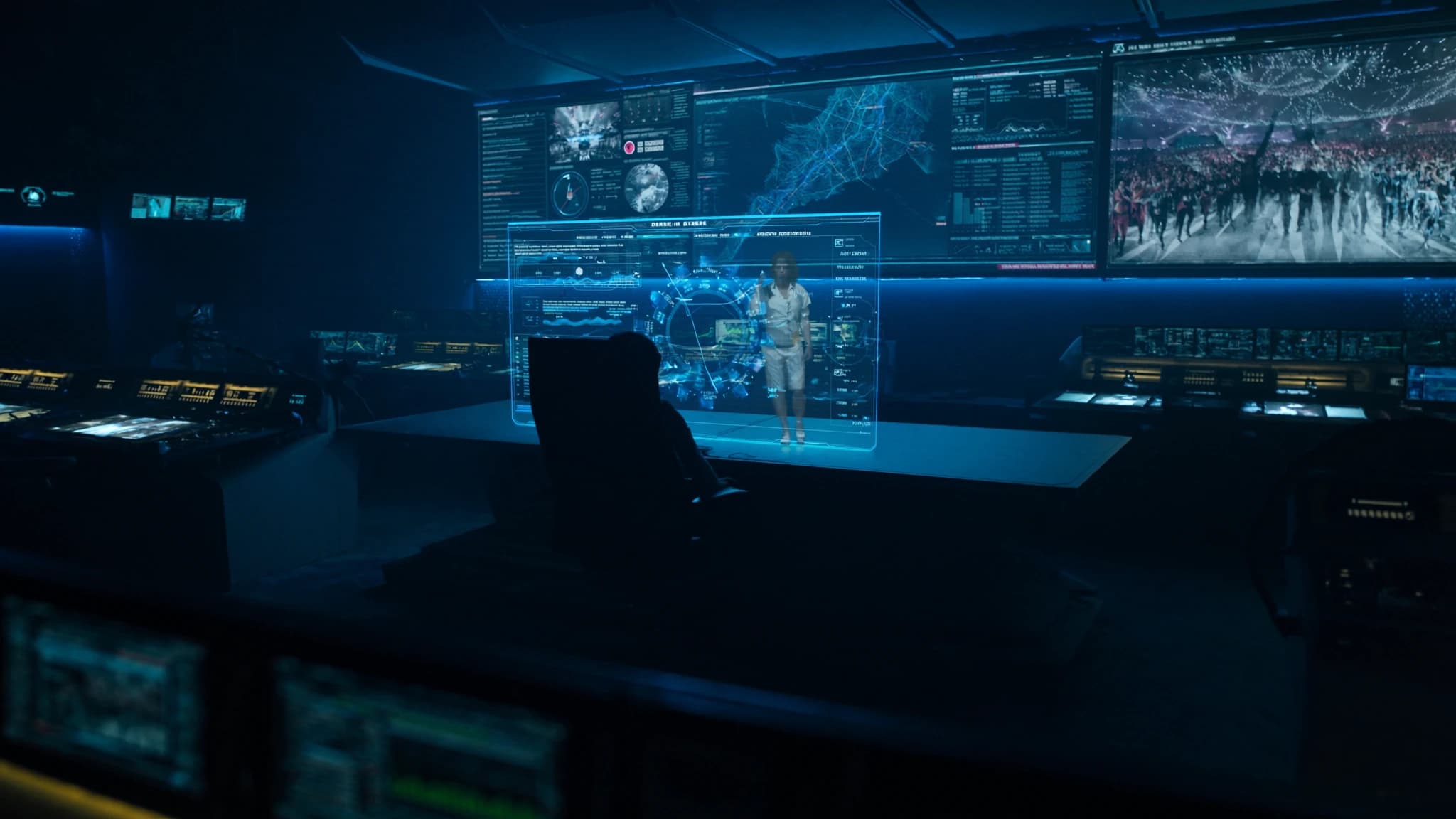
人工知能は、自動スケジューリングからリアルタイムのサウンド最適化まで、イベントプロダクションを急速に変革しています。しかし、それはライブ体験を定義する人間の専門知識を本当に置き換えることができるのでしょうか?2026年において、AIはデータ駆動型のタスクに優れていますが、創造的なビジョン、即時の問題解決、感情的なつながりにおいては依然として及んでいません。ここにその境界線があります。
主なポイント
- AIは計画、予測、リアルタイムモニタリングなどデータ集約型のタスクに優れ、手作業の負荷を軽減します。
- クリエイティブディレクション、即時の問題解決、感情的なつながりは、かけがえのない人間の領域です。
- 2026年において、AIは効率性を高める協働ツールであり、熟練した専門家の必要性を置き換えるものではありません。
- SSOUNDSのようなオーディオシステムは、自己調整とカバレッジ予測のためにAIを統合していますが、最終的な調整は人間の専門知識に依存しています。
- イベントプロフェッショナルは、AIツールのスキルを向上させると同時に、創造性と対人スキルを強化すべきです。
- イベントプロダクションの未来は、AIと人間の判断のパートナーシップであり、引き継ぎではありません。
AIがうまく自動化するもの:計画と予測
AI駆動型ツールは現在、イベントロジスティクスにおける多くの重労働を処理しています。機械学習アルゴリズムは履歴データを分析して、出席者数を予測し、座席配置を最適化し、クルーのシフトを最小限の競合でスケジュールします。オーディオに関しては、AIは部屋の音響をモデル化し、カバレッジパターンを予測でき、エンジニアがケーブルを1本も配線する前に、SSOUNDSラインアレイのようなPAシステムを一貫したサウンドに事前設定するのを支援します。
予算予測とリスク評価もAIの強みです。過去の経費報告書とリアルタイムの市場データを分析することで、AIは潜在的なコスト超過やサプライチェーンの遅延を警告できます。これにより、プロダクションチームはスプレッドシートの疲労ではなく、創造的な決定に集中できます。
リアルタイムモニタリングと適応制御
イベント中、AIはシステムの健全性と環境条件の監視に優れています。スマートセンサーは温度、湿度、電力消費を追跡し、潜在的な故障が発生する前にエンジニアに警告できます。オーディオでは、AI搭載のDSPが観客密度や温度変化を補正するためにEQとディレイを自動調整し、人間の介入なしに明瞭度を維持します。
SSOUNDSのエンジニアは、機械学習をラウドスピーカープリセットに統合し、システムがリアルタイムのフィードバックに基づいて自己調整できるようにしました。これにより、特に条件が急速に変化する長時間のフェスティバルや複数アクトのショーにおいて、FOHエンジニアの作業負荷が軽減されます。
コンテンツ生成とパーソナライゼーション
AIはリアルタイムのビジュアル、音楽に同期した照明キュー、さらにはモバイルアプリを通じて参加者向けのパーソナライズされたオーディオフィードを生成できます。ハイブリッドイベントでは、AI搭載カメラがスピーカーを自動追跡し、言語翻訳と字幕はほぼ瞬時に行われます。これらのツールは、すべてのタスクに専任のオペレーターを必要とせずに、アクセシビリティとエンゲージメントを向上させます。
しかし、クリエイティブディレクションは依然として人間のものです。AI生成コンテンツは、熟練したデザイナーがもたらす感情的なニュアンスと意図的なストーリーテリングを欠くことがよくあります。感動的な瞬間にキューを切り替えるという照明ディレクターの直感は、平均値で訓練されたアルゴリズムでは複製できません。
人間の判断がかけがえのないところ
どんなAIも、経験豊富なプロダクションマネージャーが会場の空気を読み、土壇場のアーティストの要求を仲介し、天候のためにセットを遅らせる決定を下す能力には及びません。現場での意思決定には、共感、直感、倫理的推論が必要であり、これらは依然として人間に固有の資質です。たとえば、パフォーマーのモニターミックスがずれているとき、エンジニアの素早い耳とアーティストとの信頼関係は、どんなAIよりも速く問題を解決します。
クリエイティブなビジョン、ムードに合った照明色の選択、特定のジャンルに合わせたサブウーファーアレイの選択、親密に感じられるステージレイアウトの設計は、経験と芸術性によって driven されます。AIはデータに基づいてオプションを提案できますが、最終的な決定は人間です。
2026年の風景:置き換えではなく協働
2026年において、最も成功しているイベントプロダクションは、AIを強力なアシスタントとして使用し、置き換えとしては使用していません。AIは反復的でデータ集約型のタスクを処理し、人間は創造性、安全性、つながりに集中できます。たとえば、SSOUNDSのエンジニアはショーの前にカバレッジをシミュレートするためにAIを使用しますが、システムはサウンドチェック中に部屋の独自の特性に合わせて耳で調整されます。
境界線は明確です:AIは予測可能なものを自動化し、人間は予測不可能なものを所有します。AIが改善するにつれて、より多くのモニタリングと最適化を引き受けますが、イベントプロダクションの核心であるライブで共有される体験は、常に人間の存在と情熱を必要とします。
AI支援の未来への準備
イベントプロフェッショナルは、ワークフローを強化するためにAIツールを受け入れるべきです。AI生成データの解釈、自動化のプログラミング、スマートシステムとの協働を学ぶことが重要なスキルとなります。しかし、同様に重要なのは、人間の強みである創造性、コミュニケーション、適応性を強化することです。最高のチームは、AIの効率性と人間の芸術性を融合させるチームです。
SSOUNDSのようなメーカーにとって、焦点はエンジニアを置き換えるのではなく、エンジニアに力を与えるシステムを構築することにあります。AI駆動のラウドスピーカーとアンプは、セットアップ時間を短縮し、一貫性を向上させるように設計されていますが、最終的な仕上げには依然として人間の耳に依存しています。
よくある質問
AIは人間の監督なしでライブイベントを完全に運営できますか?
2026年にはありません。AIは多くのタスクを自動化できますが、ライブイベントでは安全性、創造性、予期せぬ変更のためにリアルタイムの人間の判断が必要です。完全な自律性は、予見可能な将来においてはありそうにありません。
AIはイベントでの音質をどのように改善しますか?
AIは部屋の音響と観客のノイズを分析し、EQ、ディレイ、音量レベルを自動的に調整できます。SSOUNDSのようなシステムは機械学習を用いてカバレッジを最適化し、フィードバックを低減しますが、最終的な調整は依然としてエンジニアが行います。
AIはオーディオエンジニアを置き換えますか?
いいえ。AIは彼らの役割を変えます。エンジニアは反復的なタスクよりも創造的なミキシングに、より重点を置くようになります。AIはモニタリングとプリセットを担当しますが、芸術的な耳は人間のままです。
イベントプロダクションでAIに過度に依存することのリスクは何ですか?
過度の依存は、AIが新しい状況に遭遇したときの柔軟性の欠如につながる可能性があります。技術的な故障やデータエラーは、人間の介入なしに連鎖する可能性があります。バランスの取れたアプローチが不可欠です。
イベントプロフェッショナルはAI統合にどのように備えることができますか?
スケジューリング、オーディオ最適化、データ分析のためのAIツールの使用方法を学びましょう。業界のトレンドに遅れずについていき、AIが複製できないコミュニケーションや創造性などのソフトスキルを開発し続けましょう。
システムの構築やアップグレードをお考えですか?
SSOUNDSは、単一の部屋からスタジアム規模まで、プロ用PAを世界中で設計・製造しています。