ライブイベントにおける電源冗長化とバックアップ
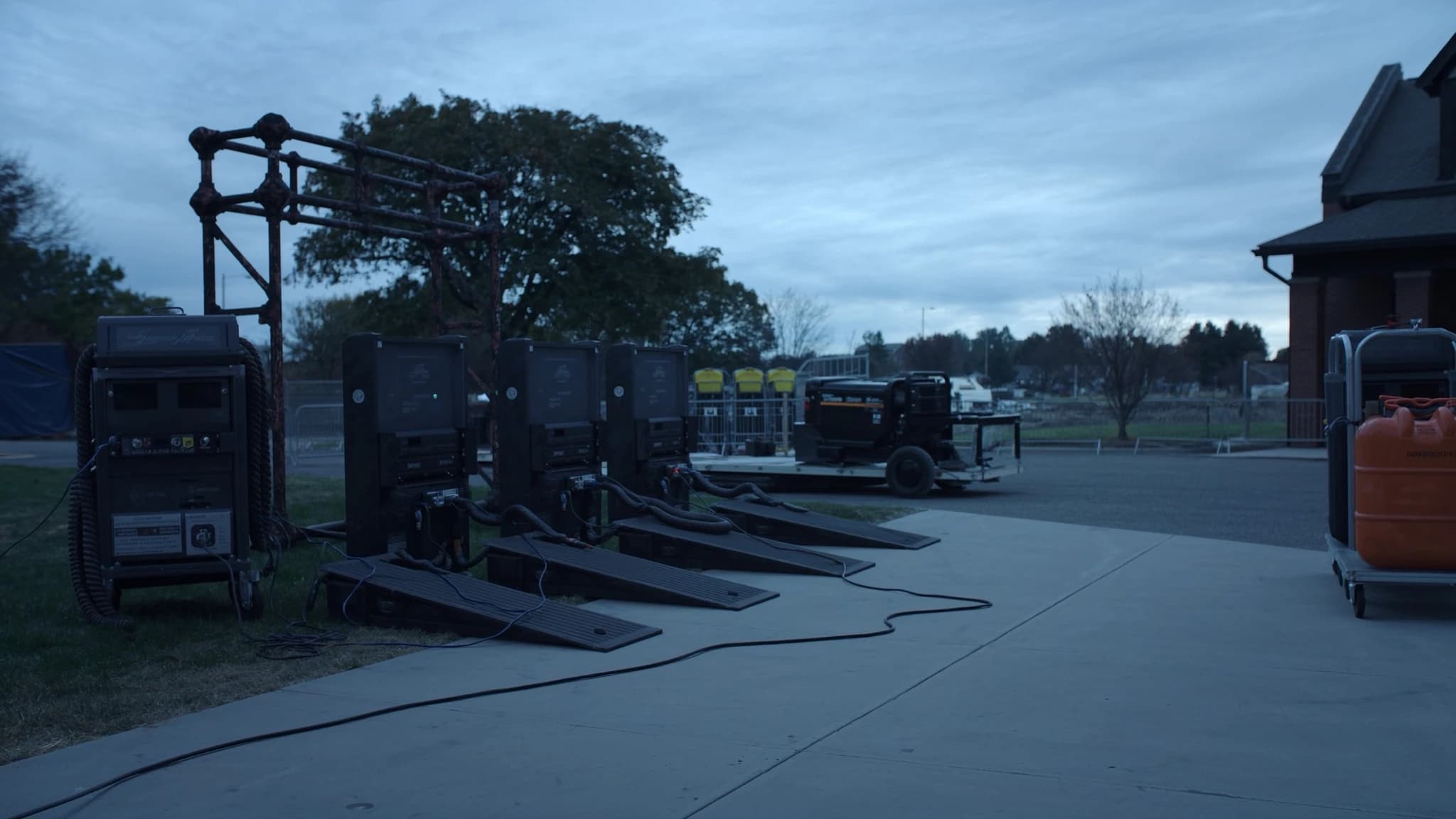
ライブイベントでは、電源障害は許されません。一度の瞬断でショーが無音になり、機材が損傷し、安全上の危険が生じる可能性があります。このガイドでは、N+1およびデュアルフィード設計からUPS保護、発電機同期まで、ミッションクリティカルな電源冗長化のための必須戦略を解説し、何があってもオーディオシステムが稼働し続けるようにします。
主なポイント
- 主要サービス、分電盤、アンプラックレベルでN+1冗長化を実装し、単一障害点を乗り切る。
- デュアルフィード配電により、単一のブレーカーがトリップしてもPA全体が無音にならないようにし、左右とサブをフィード間で分割する。
- すべてのコンソール、DSP、ネットワークスイッチに二重変換UPSを使用し、再起動なしで電圧低下や瞬断を乗り切る。
- 自動転送スイッチは閉路遷移でなければならず、瞬時停電を避けるために負荷下でテストする。
- 冗長化された電源経路からのグラウンドループを防ぐため、すべてのオーディオ機器をスターグラウンドする。
- すべてのイベント前に完全な故障ドリルを実施し、システムの動作とクルーの準備を確認する。
ライブサウンドにおけるN+1冗長化の理解
N+1冗長化とは、最低限必要な数より1つ多い電源または配電経路を持つことを意味します。100Aを消費するPAシステムの場合、N+1設計では少なくとも100Aのバックアップ容量を、通常は2番目のフィーダーまたは発電機を介して提供します。これにより、単一のコンポーネントの故障、ブレーカーのトリップ、ケーブルの切断、発電機の燃料切れが発生しても、ショーは中断なく続行されます。
SSOUNDSのエンジニアは、主要なサービス入口、分電盤、アンプラックなど、すべての重要な接続点でN+1を推奨しています。実際には、これは別々の電力会社トランスまたは発電機からのデュアル200Aフィードを意味することが多く、20ms未満で切り替わる自動転送スイッチ(ATS)を備え、DSPとアンプが再起動しないほど高速です。
PAシステム用デュアルフィード配電
デュアルフィード配電は、負荷を2つの独立した電源経路に分割します。ラインアレイシステムの場合、左右のハングをそれぞれ別の回路から給電できるため、単一のブレーカーがトリップしても両側が停止することはありません。同様に、サブウーファーアレイとフロントフィルスピーカーもフィード間で分割する必要があります。
SSOUNDSのラウドスピーカーシステムは、アンプラックにデュアル電源入力を備えて設計されており、各ラックが2つの独立したフィードを受け入れられます。典型的なセットアップでは、左アレイとサブ用のアンプがフィードAに、右アレイとフィルがフィードBに接続されます。フィードAが故障した場合、ショーは低いSPLでモノラルで続行され、無音よりはるかに優れています。
コンソール、DSP、ネットワーキングのUPS保護
デジタルコンソール、DSPユニット、ネットワークスイッチは、電源障害に対して最も敏感です。電圧低下や瞬時停電は、ショーファイルを破損したり、ルーティングをリセットしたり、復旧に数分かかるシステムクラッシュを引き起こす可能性があります。純粋な正弦波出力と十分なランタイム(全負荷で少なくとも10分)を備えた無停電電源装置(UPS)は必須です。
SSOUNDSは、すべての重要な制御機器に二重変換(オンライン)UPSユニットを推奨しています。これらは継続的にクリーンなAC電源を再生し、発電機ノイズ、周波数変動、スパイクから機器を隔離します。大規模イベントでは、専用の「クリティカル負荷」サブパネルに給電する中央UPSが管理を簡素化し、すべてのコンソール、DSPラック、ネットワークスイッチが主電源の中断を乗り切ることを保証します。
自動転送スイッチと発電機同期
複数の発電機または電力会社バックアップ付きの発電機を使用する場合、自動転送スイッチ(ATS)は全負荷に対応した定格で、瞬時停電さえ避けるために閉路遷移(メイクビフォアブレイク)切り替えが可能でなければなりません。大規模ショーでは、発電機の並列運転には、接続前に電圧、周波数、位相を一致させる同期装置が必要です。
SSOUNDSのエンジニアは、アイドル時だけでなく、ロードイン中に転送シーケンス全体をテストすることを推奨しています。一般的な故障点はATS制御回路自体です。独自のUPSまたはバッテリーバックアップがあることを確認してください。また、発電機のガバナが、ATS転送時の急激な負荷ステップに対応できる十分な速さで応答することを確認してください。特に、高い突入電流を持つ現代のスイッチモード電源では重要です。
グラウンドループとノイズからオーディオおよび制御負荷を保護
冗長化された電源経路は、適切にボンディングされていないとグラウンドループを引き起こす可能性があります。オーディオ機器には絶縁グラウンドレセプタクルを使用し、すべての分電盤が単一の低インピーダンスアース基準を共有するようにしてください。SSOUNDSはスターグラウンドトポロジーを推奨しています。すべてのオーディオグラウンドはFOHまたはアンプパッチパネルの単一点に戻り、電源分電盤にグラウンドリフトスイッチはありません。
制御ネットワーク(Dante、AVB、MADI)には、冗長電源を備えたマネージドスイッチと、スイッチ障害時にネットワーク経路を修復するRSTP(Rapid Spanning Tree Protocol)を使用してください。SSOUNDSのDSPユニットは、デイジーチェーンまたは冗長リングトポロジー用のデュアルEthernetポートを備えており、ケーブル切断やスイッチ障害時でも制御とオーディオデータが生存することを保証します。
故障に備える:負荷テストとコンティンジェンシードリル
最高の冗長化設計も、適切なテストがなければ失敗します。すべての主要イベントの前に、SSOUNDSは完全な負荷テストを推奨しています。PAをショーレベルで30分間主電源で稼働させ、次にメインブレーカーをトリップするかフィーダーを抜いて故障をシミュレートします。ATSが転送し、UPSが引き継ぎ、オーディオが期待される時間内に戻ることを確認してください。
すべての電源経路を文書化し、すべてのブレーカーに明確にラベルを付け、クルー全体に冗長化スキームを説明してください。どの負荷が重要で、自動システムが失敗した場合に手動で転送する方法を知っている専任の電源技術者を配置してください。屋外イベント用に予備のフィーダーケーブル、コネクタ、ポータブル発電機をスタンバイさせてください。覚えておいてください:冗長化は、それを維持する人々と同じくらいしか良くありません。
よくある質問
N+1冗長化と2N冗長化の違いは何ですか?
N+1は1台分の予備容量(例:予備発電機1台)を提供し、2Nはシステム全体を二重化します(独立した2台の発電機、それぞれが全負荷を処理可能)。2Nはより堅牢ですが、大幅に高コストです。ライブイベントでは、デュアルフィード配電を備えたN+1で通常は十分です。
UPSでアンプを保護できますか?
ほとんどのアンプは実用的なUPSには大きすぎる電流を消費します。代わりに、制御電子機器(コンソール、DSP、ネットワーキング)をUPSで保護し、アンプには発電機またはデュアルフィード冗長化を使用してください。一部のハイエンドツアーラックには短時間のライドスルー用の大型UPSユニットが含まれていますが、これは稀です。
発電機の周波数ドリフトがDSPに影響するのを防ぐにはどうすればよいですか?
すべてのDSPおよびネットワーキング機器には二重変換UPSを使用してください。これらのUPSは発電機の出力に関係なくクリーンな50/60Hz正弦波を再生し、周波数や電圧の変動から機器を隔離します。
UPSに必要な最小ランタイムはどれくらいですか?
発電機の起動または手動切り替えを可能にするため、全負荷で少なくとも10分間。重要なショーでは、長時間の停電や複数回の切り替え試行に対応するため、20〜30分を目標にしてください。
ハムを修正するためにオーディオ機器でグラウンドリフトを使用すべきですか?
電源コードの安全アースを決して外さないでください。代わりに、信号絶縁トランス、バランス接続、適切なスターグラウンディングを使用してください。アースを外すと感電の危険が生じ、機器が損傷する可能性があります。
システムの構築やアップグレードをお考えですか?
SSOUNDSは、単一の部屋からスタジアム規模まで、プロ用PAを世界中で設計・製造しています。