イベントにおける足場およびステージ構造の安全性
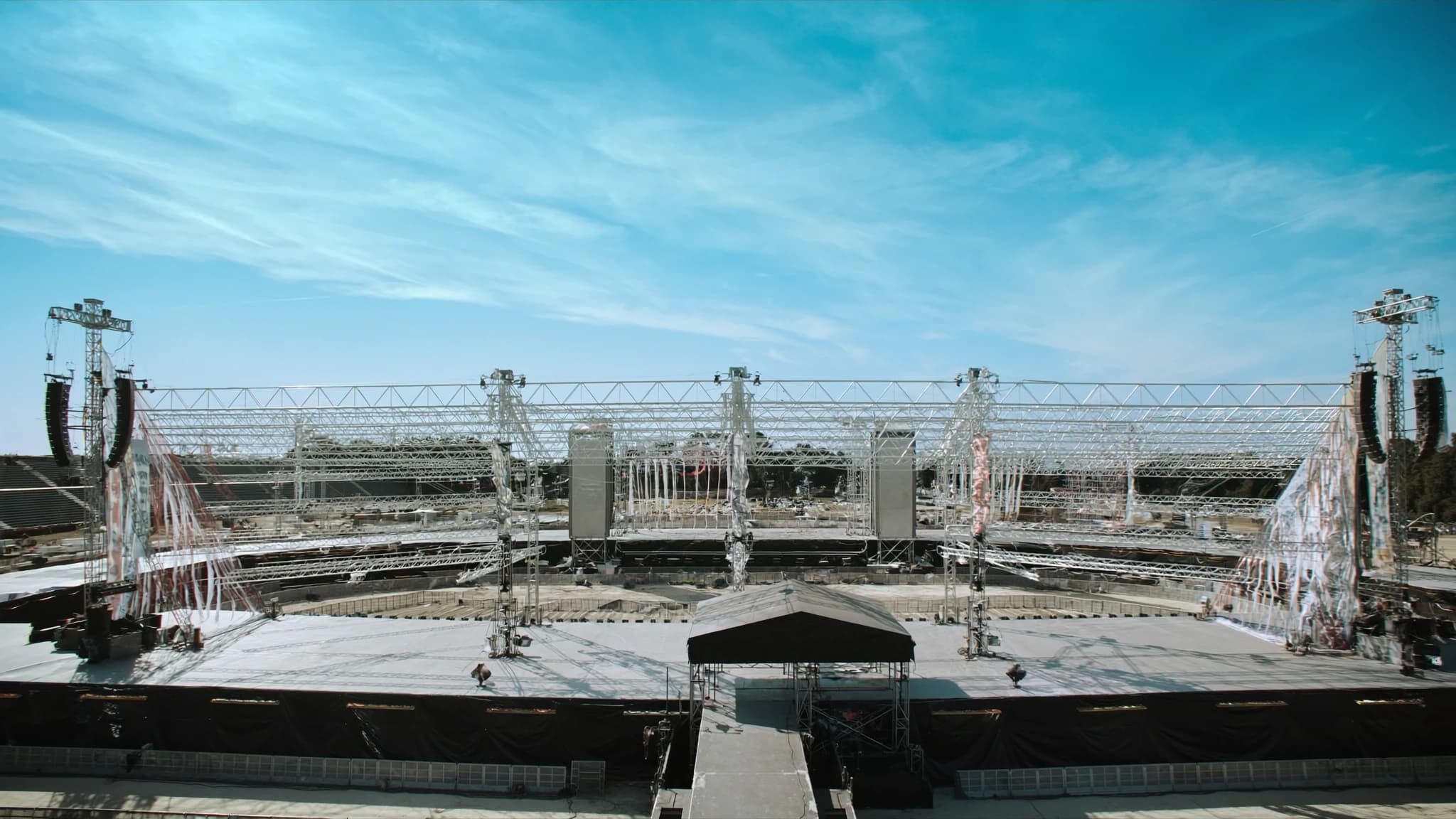
ライブイベントを開催する際、足場、ステージデッキ、タワー、グラウンドサポート構造物の安全性は譲れません。これらの仮設分解可能構造物は、出演者、機材、天候による動的荷重に耐え、数千人の観客を保護しなければなりません。本ガイドでは、荷重経路、風対策、点検、認定リガー、国際標準への準拠について、権威ある安全第一の指針を提供します。
主なポイント
- すべてのコンポーネントの荷重経路を検証し、構造レビューなしに設計荷重を超えないこと。
- 業界標準と現場固有のデータを使用して、風と動的荷重に対して設計すること。
- 文書化されたチェックリストを使用して、イベント前、毎日、イベント後の点検を実施すること。
- 組立とリギングには認定リガーと有能な人材のみを使用すること。
- 仮設構造物については、BS EN 13814やANSI E1.21などの国際標準に準拠すること。
- 地盤条件を評価し、適切な荷重分散とバラスト方法を使用すること。
荷重経路と構造的完全性の理解
単純なステージデッキから複雑なルーフシステムまで、あらゆる仮設構造物は、重量を安全に地面に伝える明確な荷重経路に依存しています。荷重には、固定荷重(構造物自体)、積載荷重(人、機材)、環境荷重(風、雨)が含まれます。定格不足のカプラーや適切に設置されていないベースプレートなど、どのリンクの故障も壊滅的な崩壊につながる可能性があります。
エンジニアは、トラスコード、ブレース、ピン、タワー、グラウンドサポートなど、各コンポーネントを分析して荷重経路を計算します。ステージデッキの場合、荷重経路はデッキ表面から根太、梁、調整可能な脚を経て、締め固められた地面またはスプレッダーパッド上のベースプレートに至ります。吊り下げリギングの場合、荷重はチェーンホイストまたはモーターを通ってルーフトラスに伝わり、次にタワーを下って基礎に至ります。
SSOUNDSのエンジニアは、荷重経路の検証がイベント前の重要なステップであることを強調しています。すべてのコンポーネントは意図された荷重に対して定格でなければならず、追加照明やビデオウォールの設置など、いかなる逸脱も経路全体の再計算を必要とします。専門的な構造レビューなしに、構造物が設計荷重以上のものを扱えると決して仮定しないでください。
風対策と動的荷重
風は仮設構造物にとって最も予測不能な力です。穏やかな突風でも、揚力、横揺れ、転倒モーメントを生み出す可能性があります。屋外イベントでは、地域の風の履歴、地形、季節パターンを考慮する必要があります。業界標準では、現場固有の風調査がより高い値を示さない限り、最低60 mph(27 m/s)の3秒ガストに対して設計することが求められています。
群衆の動き、ダンス、ジャンプによる動的荷重は力を増幅させる可能性があります。例えば、群衆がリズムに合わせて跳ねると、構造的応力を倍増させる共振効果が生じることがあります。エンジニアはこれを考慮するために動的荷重係数(通常、静的荷重の1.5~2.0倍)を使用します。スピーカースタック付近のステージデッキも、低周波音による振動を受け、時間の経過とともに接続部が疲労する可能性があります。
緩和策には、風壁の使用、コンクリートブロックや水槽によるタワーのバラスト、事前設定された風速で警報を発する風速計の設置が含まれます。風が安全限界を超えた場合、イベントは一時停止または避難しなければなりません。SSOUNDSは、常に風に対する緊急時対応計画と、状況を監視する指定安全責任者を置くことを推奨しています。
点検:イベント前、毎日、イベント後
徹底した点検体制はイベント安全の backbone です。イベント前点検では、すべてのコンポーネントが損傷なく、正しく組み立てられ、荷重に対して定格であることを確認します。これには、トラスのへこみや亀裂のチェック、ピンの完全性の確認、ベースプレートが堅固な地面にあることの確認、すべてのボルトが仕様通りにトルク締めされていることの確認が含まれます。
複数日イベント中の毎日点検では、移動、緩み、天候や使用による損傷の兆候をチェックします。例えば、風の強い夜の後は、すべてのガイラインとバラストを再確認する必要があります。イベント後点検では、設営中には見えない摩耗や損傷を特定します。損傷したコンポーネントは直ちにタグを付け、使用を中止しなければなりません。
SSOUNDSは、点検が仮設構造物の訓練と経験を持つ有能な人材によって実施されることを推奨しています。複雑または大規模な設置の場合、第三者機関の構造エンジニアを関与させるべきです。写真や署名入りチェックリストを含むすべての点検の文書化は、責任と将来の参照のために不可欠です。
認定リガーと有能な人材
リギングと構造組立は、認定リガーまたは資格のある人材のみが実施すべきです。Entertainment Technician Certification Program(ETCP)や同等の国内機関による認定プログラムは、リガーが荷重計算、ハードウェアの定格、安全な作業慣行を理解していることを保証します。
ステージ構造物の有能な人材は、製造元のガイドラインや荷重表を含む、使用されている特定のシステムに関する知識を持っている必要があります。彼らは危険を特定し、リスクを評価し、是正措置を取ることができなければなりません。グラウンドサポートタワーの場合、設置者はタワーの水平と垂直を調整し、アウトリガーで固定し、バラスト要件を計算する方法を知っている必要があります。
SSOUNDSは、資格のない労働力の使用が構造的故障の主要な原因であることを強調しています。イベント主催者は認定を確認し、明確な安全ブリーフィングを提供すべきです。指定された安全コーディネーターがすべてのリギングと構造作業を監督し、不安全な状況が生じた場合に作業を停止する権限を持つべきです。
国際標準への準拠
仮設分解可能構造物は、BS EN 13814(ヨーロッパ)、ANSI E1.21(アメリカ)、AS 3533(オーストラリア)などの標準によって管理されています。これらの標準は、設計荷重、材料、試験、点検をカバーしています。準拠は任意ではなく、法的および倫理的な責任です。イベント主催者は、すべての構造物がその地域に適用される標準を満たしていることを確認しなければなりません。
主な要件には、資格のあるエンジニアによる設計、重要コンポーネントの荷重試験、構造設計報告書の提供、有能な人材による現場検証が含まれます。ステージデッキの場合、標準は最小積載荷重(例:パフォーマンスエリアで5 kN/m²)とたわみ限界を指定しています。タワーの場合、風荷重計算は標準の方法論に従わなければなりません。
SSOUNDSは、荷重表、組立説明書、点検記録を含む完全な文書を提供するサプライヤーと協力することを推奨しています。追跡可能な認証を欠く構造物を決して受け入れないでください。多くの法域では、準拠しない場合、罰金、操業停止、事故が発生した場合の刑事責任につながる可能性があります。
グラウンドサポートと基礎の考慮事項
仮設構造物の下の地面は、構造物自体と同じくらい重要です。軟弱な土壌、不均一な地形、地下埋設物は安定性を損なう可能性があります。調整可能なベースプレート、スプレッダーパッド、スクリュージャッキなどのグラウンドサポートシステムは、沈下や転倒を避けるために荷重を分散します。重荷重の場合、コンクリートバラストブロックやグラウンドアンカーが必要になることがあります。
設営前に、傾斜、締め固め、障害物を特定するための地盤調査を実施してください。屋外イベントでは、排水と雨による土壌の軟化の可能性を考慮してください。ベースプレートの下に荷重分散パッドを使用して、地盤圧力を軽減してください。アスファルトやコンクリートでは、合板やゴムマットで表面を保護して損傷を防いでください。
SSOUNDSのエンジニアは、グラウンドサポート計算には構造物、機材、バラストの重量に加えて安全率を含めなければならないと強調しています。タワーの場合、転倒を防ぐのに十分な広さのベースエリアが必要です。地下水位が高い地域では、スクリューパイルやコンクリートフーチングの使用を検討してください。困難な現場では常に地盤工学エンジニアに相談してください。
緊急時対応と避難計画
すべての予防策にもかかわらず、緊急事態は発生する可能性があります。突然の嵐、構造的故障、群衆の殺到は即時の対応を必要とします。すべてのイベントには、避難経路、集合場所、通信プロトコルを含む緊急時行動計画が必要です。計画は制作チーム全体とリハーサルする必要があります。
構造的緊急事態の場合、最初のステップはエリアをクリアにし、アクセスを防ぐことです。崩壊しつつある構造物を支えようとしないでください。専門の救助隊を待ってください。緊急サービスに連絡し、現場計画と危険情報を提供する指定担当者を置いてください。救急キットと消火器をアクセス可能な状態に保ってください。
SSOUNDSは、各イベントのリスク評価を実施し、潜在的な構造的故障シナリオとその結果を特定することを推奨しています。大規模イベントでは、構造エンジニアを待機させることを検討してください。定期的な安全訓練により、全員が緊急時の役割を知ることができます。覚えておいてください:安全は一度きりのチェックではなく、継続的なプロセスです。
よくある質問
屋外イベントでは最低どのくらいの風速を想定して設計すべきですか?
業界標準では通常、少なくとも60 mph(27 m/s)の3秒ガストに対して設計することが求められていますが、現場固有の条件によってはより高い値が必要になる場合があります。必ず構造エンジニアに相談してください。
仮設ステージ構造物の点検を行う資格があるのは誰ですか?
点検は、仮設分解可能構造物に関する訓練と経験を持つ有能な人材によって実施されるべきです。複雑な設置の場合、第三者機関の構造エンジニアを推奨します。
荷重を再計算せずに、既存のステージデッキに追加の照明やビデオウォールを設置できますか?
いいえ。いかなる追加も荷重経路を変更し、構造物の定格容量を超える可能性があります。機器を追加する前には必ず構造レビューを受けてください。
設営中に損傷したトラスや部品を見つけた場合、どうすればよいですか?
直ちに損傷した部品にタグを付け、使用を中止してください。使用しないでください。作業を続ける前に、損傷のない定格部品と交換してください。
国によってステージ構造物の標準は異なりますか?
はい。一般的な標準には、BS EN 13814(ヨーロッパ)、ANSI E1.21(アメリカ)、AS 3533(オーストラリア)があります。お住まいの地域で適用される標準に準拠する必要があります。
システムの構築やアップグレードをお考えですか?
SSOUNDSは、単一の部屋からスタジアム規模まで、プロ用PAを世界中で設計・製造しています。