ステージ構造物向けトラスおよびLayherシステム
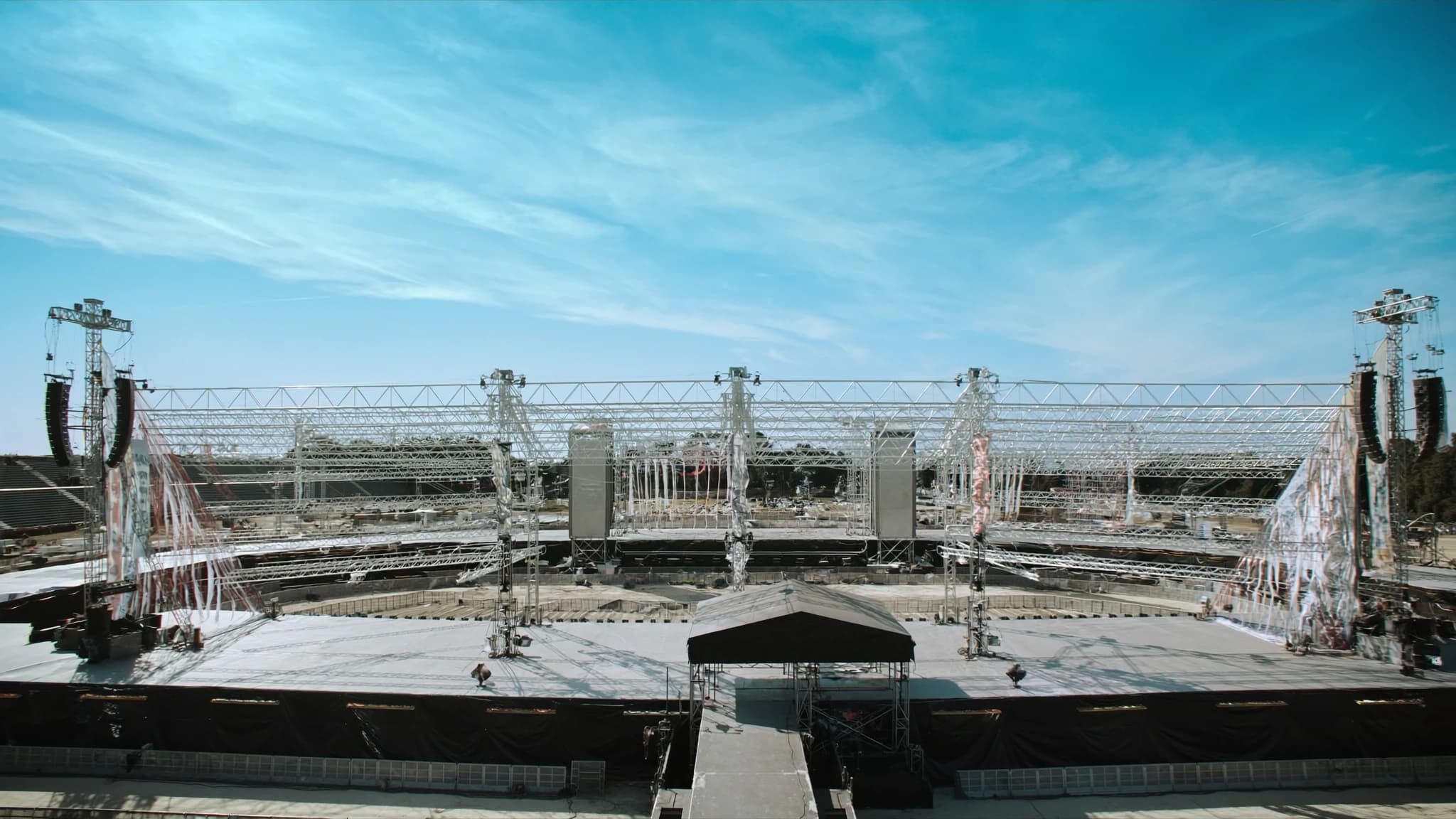
優れたライブプロダクションはすべて、安全で精密、そして荷重を支えるように作られた構造物の上に成り立っています。ラインアレイを吊る場合でも、ステージルーフを建てる場合でも、グランドスタンドを組み立てる場合でも、トラスの種類とモジュラーシステムの選択がイベントの達成可能な範囲を決定します。このガイドでは、トラスおよびLayher式システムの背後にあるエンジニアリングを説明し、自信を持って仕様を定め、構築し、荷重をかけることができるようにします。
主なポイント
- ボックストラスは長スパンと多軸リギングに対して優れたねじり剛性を提供し、三角形トラスはより軽量で単純な単方向荷重に適しています。
- スピゴット接続は組立を迅速化し、ツアーに理想的です。ボルト接続は常設設置に最大の剛性を提供します。
- 常にスパンおよび荷重表を参照し、メーカー指定の荷重を決して超えないでください。たわみ限界は強度限界と同じくらい重要です。
- グラウンドサポートシステムは独立しており屋外イベントに理想的ですが、吊り下げシステムは床面積を節約するものの会場の徹底的な調査が必要です。
- Layher式モジュラーシステムは、ステージ、ルーフ、グランドスタンド向けに柔軟で強力な構造物を提供し、トラスおよび音響リギングとよく統合されます。
- SSOUNDSのエンジニアは構造および音響モデリングを組み合わせ、リギングと音響システムが1つの統合設計として性能を発揮することを保証します。
トラスおよびモジュラー構造物の役割を理解する
トラスおよびモジュラーシステムは、あらゆるステージ、ルーフ、仮設会場の骨格を形成します。それらは照明、音響、映像、舞台美術要素を支え、風、動荷重、出演者や観客によって生じる力に耐えなければなりません。トラスは通常、高い強度対重量比のために選ばれたアルミニウム合金で作られ、Layher式システムはモジュラー足場およびイベントデッキ用に亜鉛メッキ鋼またはアルミニウム部品を使用します。
エンジニアリング上の課題は強度だけではありません。剛性、たわみ制御、疲労寿命が重要です。ムービングライトやラインアレイの下で過度にたわむトラスは、照準のずれを引き起こし、音響性能を低下させ、さらには構造的破壊につながる可能性があります。SSOUNDSのエンジニアは、金属が1つ切断される前に、高度なシミュレーションを用いて吊り点から地面までの完全な荷重経路をモデル化することで、あらゆるプロジェクトに取り組みます。
ライブサウンドでは、構造物は音響システムの一部です。不十分にブレースされたトラスは共振する可能性があり、風で動くルーフは音を変調させる可能性があります。だからこそ私たちは、構造設計と音響設計を2つではなく1つの分野として扱います。
ボックストラス対三角形トラス:どちらをいつ使うか
ボックストラスはスクエアトラスとも呼ばれ、4本のメインコードが4面すべての斜めブレースで接続されています。高いねじり剛性を提供し、多面に荷重をかけることができるため、長スパン、ルーフグリッド、照明やスピーカーを下部および側面から吊るす用途に理想的です。対称形であるため、ボックストラスは複雑な構成での位置合わせと接続が容易です。
三角形トラスは3本のコードを使用し、単純な単方向荷重に対してより軽量で経済的です。垂直タワー、小型ステージ、荷重が主に1面にかかる照明バーによく使用されます。しかし、三角形トラスはねじれに対する耐性が低いため、長い水平スパンやねじりを引き起こす可能性のある重量級ラインアレイの支持には最適な選択ではありません。
ボックストラスと三角形トラスの決定は、荷重方向、スパン、多軸リギングの必要性に帰着します。完全な音響システムを支えなければならないメインステージルーフには、通常ボックストラスが正しいエンジニアリング上の選択です。単純なディレイタワーや小型演壇には、三角形トラスで十分な場合があります。SSOUNDSは独自のラインアレイリギングフレームを両タイプと統合できるように設計し、機械的インターフェースが音響性能を損なわないようにしています。
スピゴット対ボルト接続:速度、強度、再現性
トラス接続はスピゴット式またはボルト式です。スピゴット接続は、雌型レシーバーに嵌まる雄型スピゴットを使用し、ピンまたはクイックリリース機構で固定します。組立が速く、自動調心性があり、速度と再現性が重要なツアーに理想的です。ボルト接続はプレートとボルトを使用し、特定の値にトルク管理でき、常設設置や最大剛性が必要な場合によく好まれます。
トレードオフは組立時間と長期安定性の間です。スピゴット接続はメンテナンスしないと多くのサイクルで遊びが生じる可能性があり、ボルト接続は緩みにくいですが構築に時間がかかります。多くの現代のトラスシステムはハイブリッドアプローチを採用しています。メインコードにはスピゴット、二次ブレースにはボルトです。重要なのは、メーカーのトルク仕様と点検スケジュールに従うことです。
SSOUNDSのエンジニアは用途に基づいて接続タイプを指定します。ツアーラインアレイには、2人クルーが完全なアレイを迅速かつ安全に吊るせるスピゴットシステムを好みます。固定設置には、構造物が長年にわたり剛性を保つようにボルト接続を推奨することがよくあります。いずれの場合も、構築が予測可能になるよう詳細な組立図と荷重表を提供します。
スパンおよび荷重表:エンジニアの羅針盤
スパンおよび荷重表は、トラス構造物を構築するすべての人にとって最も重要な文書です。これは、トラスセクションと支持条件に基づき、特定のスパンに対する最大等分布荷重(UDL)と最大点荷重を示します。これらの表を無視することは、構造物に過荷重をかけ、危険な状況を生み出す最速の方法です。
荷重表は物理試験と有限要素解析から導かれます。それらはトラスの断面二次モーメント、アルミニウムの降伏強度、許容たわみを考慮しており、たわみは美観および機能上の理由からスパン/100またはスパン/200に制限されることがよくあります。たとえば、重量級ラインアレイを伴う長スパンは、強度だけでなくたわみも確認する必要があります。過度な垂れはアレイのカバレッジ角度を変える可能性があるためです。
SSOUNDSはAI支援の音響および構造モデリングを用いて、提案されたリグが荷重下でどのように挙動するかを予測します。その後、実世界の試験でこれらの予測を検証します。ラインアレイシステムを供給する際には、会場の構造エンジニアが全体設計に統合できるようリギング荷重データも提供します。荷重容量を決して推測しないでください。常にメーカーの表を使用し、疑わしい場合は資格を持つ構造エンジニアに相談してください。
グラウンドサポート対吊り下げシステム:適切なアプローチの選択
グラウンドサポートシステムは、タワーとベースを使用してトラスと機器を下から支えます。屋外イベント、吊り点のない会場、ルーフが自己完結型でなければならない状況に理想的です。グラウンドサポートはボックストラスタワー、Layher式モジュラータワー、またはその組み合わせで構築できます。主な利点は建物からの独立性ですが、トレードオフはより大きな設置面積とより多くのバラストまたはグラウンドアンカーです。
吊り下げシステムは、ルーフ梁やマザーグリッドなど、会場の既存構造物からトラスと機器を吊り下げます。床面積を節約し、非常に高いトリム高を達成できますが、建物の耐荷重を徹底的に調査する必要があり、多くの場合、構造エンジニアによって承認されたリギング計画が必要です。吊り下げシステムは、アリーナ、劇場、大型教会で一般的です。
グラウンドサポートと吊り下げの選択は会場によって決まることがよくありますが、音響性能にも影響します。吊り下げラインアレイはより正確に照準を合わせることができ、グラウンドスタックシステムが生み出す反射を避けることができます。SSOUNDSは、音響設計を損なうことなく吊り下げまたはグラウンドスタックのいずれかを可能にするリギングフレームを備え、両構成で動作するようにラインアレイを設計しています。フェスティバルや仮設ステージには、音響、照明、映像を単一のエンジニアリング構造物に統合するグラウンドサポートルーフを推奨することがよくあります。
ステージ、ルーフ、グランドスタンド向けLayher式モジュラーシステム
Layher式モジュラーシステムは、少数の標準部品に基づいています。垂直標準、水平レジャー、斜めブレース、デッキです。それらはステージ、観客席グランドスタンド、ルーフ支持構造、アクセスタワーなどに組み立てることができます。システムの強度は三角形構成と高品位鋼またはアルミニウムの使用から生まれ、その柔軟性は無数の構成で部品を組み合わせる能力から生まれます。
ステージルーフでは、モジュラーシステムはルーフキャノピーと吊り点を支える垂直タワーと水平梁を提供します。それらはしばしばトラスと組み合わせて使用されます。モジュラーシステムが主要荷重を担い、トラスが吊り点に荷重を分散し、機器の便利な取付面を提供します。グランドスタンドも一般的な用途で、モジュラーシステムは迅速に展開および解体できる安全で安定した観客席段を形成します。
SSOUNDSのエンジニアは、Layher式システムを音響および照明リグと統合する経験が豊富です。構造物は強度があるだけでなく、ラウドスピーカーの精密な照準と明確な視線を可能にしなければならないことを理解しています。私たちのアプローチは、イベントの構造エンジニアと最初から協力し、荷重データとリギング計画を共有して、最終的な構築が安全で効率的、かつ音響的に最適化されるようにすることです。
エンジニアリングと構築:計算から試運転まで
すべての成功する構造物は明確な要件定義から始まります。何を支えるのか、どこに立つのか、環境条件は何か。風荷重は屋外構造物の支配的要因となることが多く、地域の基準に従って計算する必要があります。ムービングライト、チェーンホイスト、さらには観客の動きによる動荷重も考慮しなければなりません。
設計プロセスは概念から構造解析へ、次に詳細図と部品表へと進みます。SSOUNDSは高度なシミュレーションを用いて重量、コスト、性能のために構造物を最適化し、ラウドスピーカーシステムにも同じ厳密さを適用します。構築中は品質管理が不可欠です。すべてのスピゴット、ボルト、ピンを検査し、トルク値を検証する必要があります。現場では、有能なリガーが組立を監督し、最終検査を承認する必要があります。
試運転は構造物が立っていることを確認するだけではありません。設計どおりに性能を発揮することを検証することです。音響については、システムが吊られた後にカバレッジと明瞭度を測定することを意味します。構造物自体については、たわみが許容範囲内であり、すべての安全システムが整っていることを確認することを意味します。SSOUNDSは、初期モデリングから最終試運転まで、すべての段階でクライアントを支援し、構造物と音響システムがシームレスに連携することを保証します。
よくある質問
ボックストラスと三角形トラスの違いは何ですか?
ボックストラスは4本のコードと全側面の斜めブレースを持ち、高いねじり剛性と多面荷重に耐える能力を備えています。三角形トラスは3本のコードを持ち、より軽量で経済的ですが、ねじれに対する耐性は低くなります。ボックストラスは長スパンや重量級ラインアレイに適しており、三角形トラスは単純な垂直荷重や単方向荷重に適しています。
トラスにはスピゴット接続とボルト接続のどちらを使うべきですか?
スピゴット接続は組立が速く、自動調心性があるため、ツアーや仮設イベントに最適です。ボルト接続はより剛性が高く、経年で緩みにくいため、常設設置によく使用されます。最適な選択は用途によりますが、常にメーカーのトルクと点検ガイドラインに従ってください。
自分のトラスがどのくらいの荷重を支えられるかはどうやって知ればよいですか?
メーカーのスパンおよび荷重表を使用してください。これは各トラスセクションとスパンごとの最大等分布荷重と最大点荷重を規定しています。これらの表は試験と解析に基づいており、強度とたわみ限界を考慮しています。決して推測しないでください。不明な場合は、資格を持つ構造エンジニアに相談してください。
吊り下げシステムに対するグラウンドサポートシステムの利点は何ですか?
グラウンドサポートシステムは自己完結型で、会場の構造物に依存しないため、屋外フェスティバルや吊り点のない建物に最適です。ただし、より多くの床面積とバラストが必要です。吊り下げシステムは床面積を節約し、より高いトリム高を達成できますが、会場の耐荷重を詳細に調査する必要があります。
SSOUNDSはステージの構造設計を支援できますか?
はい。SSOUNDSのエンジニアは、音響システムとトラスおよびモジュラー構造物の統合に経験豊富です。私たちはリギング荷重データを提供し、お客様の構造エンジニアと協力し、高度なシミュレーションを用いて構造物と音響システムが安全かつ効果的に一体で性能を発揮することを保証します。プロジェクトについてご相談ください。
システムの構築やアップグレードをお考えですか?
SSOUNDSは、単一の部屋からスタジアム規模まで、プロ用PAを世界中で設計・製造しています。