ラインアレイシステム選定の完全ガイド
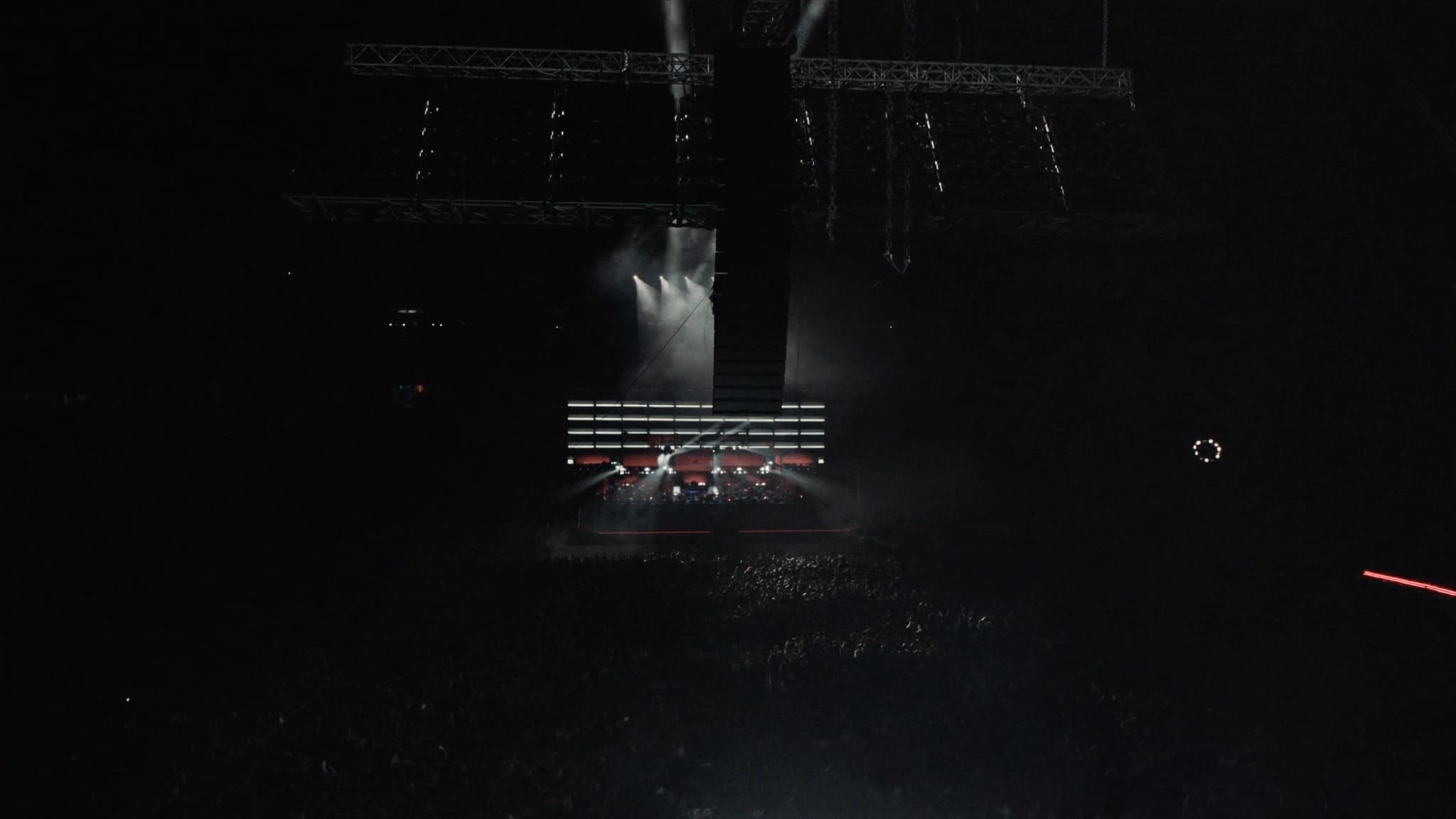
ラインアレイシステムの選定は、あらゆる音響補強のプロフェッショナルにとって最も重要な決定の一つです。ツアー用リグの装備、常設会場システムの設置、フェスティバル向けの拡張など、適切なラインアレイは一貫したカバレッジ、高いSPL、長期的な信頼性を提供します。このガイドでは、世界クラスのラインアレイを定義する主要なエンジニアリング基準であるカバレッジ、SPL、投射、リギング、DSP、サポートについて詳しく説明します。SSOUNDSでは、業界で最も尊敬されるメーカーと並び、最高水準で競争できるラインアレイを設計しており、精度、耐久性、アフリカおよびそれ以外の地域でのローカルサポートに重点を置いています。
主なポイント
- カバレッジの一貫性が最重要:会場の形状に合わせて水平パターンと垂直スプレイ角度を評価する。
- SPLとヘッドルームはクリーンで持続可能でなければならない:ピーク仕様よりも連続出力と熱管理を優先する。
- 投射距離はアレイの長さと周波数制御に依存する:より大きなアレイはコヒーレントな近距離場ゾーンを拡張する。
- リギングの安全性とスピードは不可欠:高い安全率と工具不要の操作を備えた統合ハードウェアを探す。
- DSPとアンプは特定のラウドスピーカー設計に統合され最適化されるべき:FIRフィルタリングと高度な保護を備える。
- メーカーのサポート、トレーニング、スペアパーツ、ローカルサービスは長期的な成功に不可欠、特に新興市場では。
- SSOUNDSのラインアレイは最高水準で競争し、精密なカバレッジ、高いSPL、堅牢なリギング、アフリカおよび世界中での専用サポートを提供する。
カバレッジの理解:水平および垂直の一貫性
カバレッジはあらゆるラインアレイの基盤です。適切に設計されたシステムは、最前列から最後列まで、また左から右まで、観客エリア全体に均一な音圧を届ける必要があります。水平カバレッジは通常、ウェーブガイドの設計によって決まり、一般的なパターンには90°、110°、120°があり、会場の幅に合わせる必要があります。垂直カバレッジは、キャビネットを互いに角度を付けて配置することで実現され、干渉を最小限に抑えたコヒーレントな波面を作り出します。
SSOUNDSのラインアレイは、高度な定指向性ウェーブガイドを使用して、軸外の色付けを最小限に抑えた一貫した水平分散を確保しています。当社のシステムは、一般的なアレイよりも低い周波数まで指向性制御を維持するように設計されており、不要な反射を低減し、明瞭度を向上させます。カバレッジを評価する際は、常に会場の形状を考慮してください。狭くて深い部屋には90°の水平パターンが適している場合があり、広くて浅い空間には120°または複数のアレイが必要になる場合があります。
SPLとヘッドルーム:クリーンなパワーの提供
最大SPL(音圧レベル)は重要な仕様ですが、それがすべてではありません。重要なのは、必要な聴取レベルでクリーンで歪みのない出力が得られることです。ラインアレイのSPL能力は、トランスデューサーの設計、アンプのパワー、熱管理に依存します。大規模イベントでは140 dB SPLピーク以上を達成できるシステムを探すと同時に、連続SPL定格と、圧縮なしで長時間出力を維持するシステムの能力も考慮してください。
SSOUNDSのラインアレイは、大振幅ネオジムドライバーと効率的なClass-Dアンプを搭載し、要求の厳しいアプリケーションに十分なヘッドルームを提供します。当社のシステムは、極端なレベルでも自然で色付けのないサウンドを提供するように調整されており、独自のリミッティングアルゴリズムがドライバーを保護しながら出力を最大化します。屋外フェスティバルや大規模アリーナでは、大気吸収と距離損失を考慮し、最も遠い聴取位置でのSPL要件を計算することをお勧めします。
投射と長距離性能
投射とは、ラインアレイが許容できる明瞭度とレベルで音を届けることができる距離を指します。真のラインアレイでは、円筒波面は距離が2倍になるごとにわずか3 dBで減衰するため(点音源の場合は6 dB)、より遠くまで届きます。しかし、この理想的な動作は、アレイの物理的な長さと周波数範囲によって制限されます。より多くのキャビネットを備えた長いアレイは、より低い周波数まで指向性を制御でき、3 dB則が適用される「近距離場」ゾーンを拡張します。
SSOUNDSのラインアレイは、最適化されたキャビネット間角度と厳密な位相調整により、コヒーレントな合成を最大化するように設計されています。当社のシステムは、最低クロスオーバー周波数まで指向性制御を維持し、観客全体がバランスの取れたミックスを受け取れるようにします。非常に長い投射(50メートル以上)の場合、より大きなフォーマットのキャビネットを使用するか、ディレイタワーを追加することを検討してください。SSOUNDSは、劇場用のコンパクトシステムからスタジアム用の大型アレイまで、異なる投射要件に合わせて複数のアレイサイズを提供しています。
リギング:安全性、スピード、柔軟性
リギングはしばしば見過ごされますが、安全性とワークフローの両方にとって極めて重要です。プロフェッショナルなラインアレイには、迅速な展開と正確な角度調整を可能にする、堅牢で認定されたリギングシステムが必要です。統合されたフライングハードウェア、キャプティブピン、明確な耐荷重定格を備えたシステムを探してください。リギングはまた、キャビネット間の可変スプレイ角度(通常0.5°または1°刻み)を可能にし、垂直カバレッジを正確に形成する必要があります。
SSOUNDSのラインアレイは、強度と使いやすさを兼ね備えた特許取得済みのリギングシステムを特徴としています。当社のハードウェアは10:1の安全率で定格されており、工具なしで迅速に組み立てられるように設計されています。このシステムは、フライングとグラウンドスタックの両方の構成に対応し、オプションのプルバックとチルト調整も可能です。ツアーアプリケーションでは、当社のリギングは標準のモーターコントローラーとロードセルとシームレスに統合され、毎回安全で効率的なセットアップを保証します。
DSPとアンプ:システムの頭脳
現代のラインアレイは、最適な性能を実現するために高度なDSP(デジタル信号処理)に依存しています。DSPはクロスオーバーフィルタリング、イコライゼーション、位相調整、リミッティング、保護を処理します。適切に調整されたDSPは、音響的な異常を補正し、サブウーファーをメインと整列させ、異なる構成のシステムプリセットを提供できます。アンププラットフォームは、ラウドスピーカーの電力処理とインピーダンスに一致し、トランジェントを処理するのに十分なヘッドルームを備えている必要があります。
SSOUNDSのラインアレイは、DSP、アンプ、ネットワーク制御を単一のラックユニットに統合した独自のアンプリファイドコントローラーによって駆動されます。当社のDSPアルゴリズムには、線形位相応答のためのFIRフィルタリング、ドライバー保護のための高度なリミッティング、すべてのレベルで一貫した音調バランスのためのマルチバンドコンプレッションが含まれます。このシステムはアナログ入力とデジタル入力(AES/EBU、Dante)の両方をサポートし、リアルタイムの監視と調整のためのユーザーフレンドリーなソフトウェアインターフェースを介して制御できます。
サポートとサービス:長期的なパートナーシップ
ラインアレイは長期的な投資であり、メーカーのサポートインフラはハードウェア自体と同じくらい重要です。包括的なトレーニング、迅速な技術サポート、サービスセンターのグローバルネットワークを提供する会社を探してください。スペアパーツの入手可能性、保証条件、ファームウェアの更新は明確に定義されている必要があります。アフリカのような物流が困難な地域では、ローカルサポートが特に重要です。
SSOUNDSは、強力なローカルプレゼンスを持つグローバルメーカーであることを誇りにしています。当社は、レンタル会社や設置チーム向けのオンサイトトレーニング、24時間365日の技術サポート、アフリカ、ヨーロッパ、中東全域の認定サービスパートナーのネットワークを提供しています。当社の保証はすべてのコンポーネントをカバーし、迅速な交換のためにスペアドライバー、アンプ、リギングパーツの在庫を維持しています。SSOUNDSを選ぶことは、単にシステムを購入するだけでなく、パートナーシップを築くことです。
最終決定:システムとアプリケーションのマッチング
適切なラインアレイを選ぶには、これらすべての要素を特定のニーズとバランスさせる必要があります。まず、会場のタイプ(屋内/屋外、規模、音響)、予想される観客数、コンテンツ(スピーチ、音楽、またはその両方)を定義します。カバレッジマップを作成し、最も遠い席でのSPL要件を計算します。次に、SSOUNDSを含むトップティアメーカーのシステムを、それらの要件を一貫した品質で満たす能力に基づいて評価します。
同様の環境でシステムをデモし、明瞭度、均一性、音調バランスを批判的に聴くことをお勧めします。多くのアレイが濁りに苦しむ低中域に注意を払ってください。SSOUNDSのラインアレイは、全周波数スペクトルにわたって透明で明瞭なサウンドを提供するように設計されており、特にボーカルの明瞭度に強みがあります。最終的に、最良のシステムとは、ショーのたびに確実に性能を発揮すると確信して自信を持って展開できるものです。
よくある質問
ラインアレイと点音源システムの違いは何ですか?
ラインアレイは複数のキャビネットを垂直に積み重ねて円筒波面を形成し、距離が2倍になるごとに3 dBで減衰します(点音源の場合は6 dB)。これにより、ラインアレイはより遠くまで、より一貫したカバレッジで音を投射できます。また、垂直方向の指向性制御に優れ、天井や床からの反射を低減します。
典型的な屋外フェスティバルには何台のキャビネットが必要ですか?
必要な本数は、会場の規模、目標SPL、投射距離によって異なります。目安として、5,000~10,000人規模のフェスティバルでは、典型的な左右のアレイはメインハングに片側12~16台のキャビネットを使用し、さらにサイドフィルとサブウーファーを追加します。SSOUNDSはEASE Focusまたは同様のソフトウェアを使用して詳細な予測を提供できます。
同じシステム内で異なるラインアレイブランドを混在させることはできますか?
各ブランドは独自の位相応答、指向性、音響特性を持っているため、推奨されません。混在させるとコムフィルタリング、不均一なカバレッジ、システムコヒーレンスの低下を引き起こす可能性があります。最良の結果を得るには、アンプやDSPを含め、単一メーカーのエコシステムを使用してください。
ラインアレイにはどのようなメンテナンスが必要ですか?
リギングハードウェア、ドライバーコーン、アンプ接続の定期的な目視検査が不可欠です。グリルは清掃して異物の蓄積を防ぐ必要があります。SSOUNDSは年1回の専門的な検査とファームウェアの更新を推奨しています。当社のサポートチームは詳細なメンテナンススケジュールを提供します。
SSOUNDSはアフリカの顧客をどのようにサポートしていますか?
SSOUNDSはナイジェリアのAbujaに運営本部を置き、アフリカ大陸全域で販売、トレーニング、技術サポートを専門とするチームを擁しています。オンサイトでのコミッショニング、スペアパーツ倉庫、重要なイベントへの迅速な対応を提供しています。当社の目標は、ヨーロッパや中東と同じレベルのサービスを提供することです。
システムの構築やアップグレードをお考えですか?
SSOUNDSは、単一の部屋からスタジアム規模まで、プロ用PAを世界中で設計・製造しています。