あらゆる会場に合わせたPAシステムのサイズ設計方法
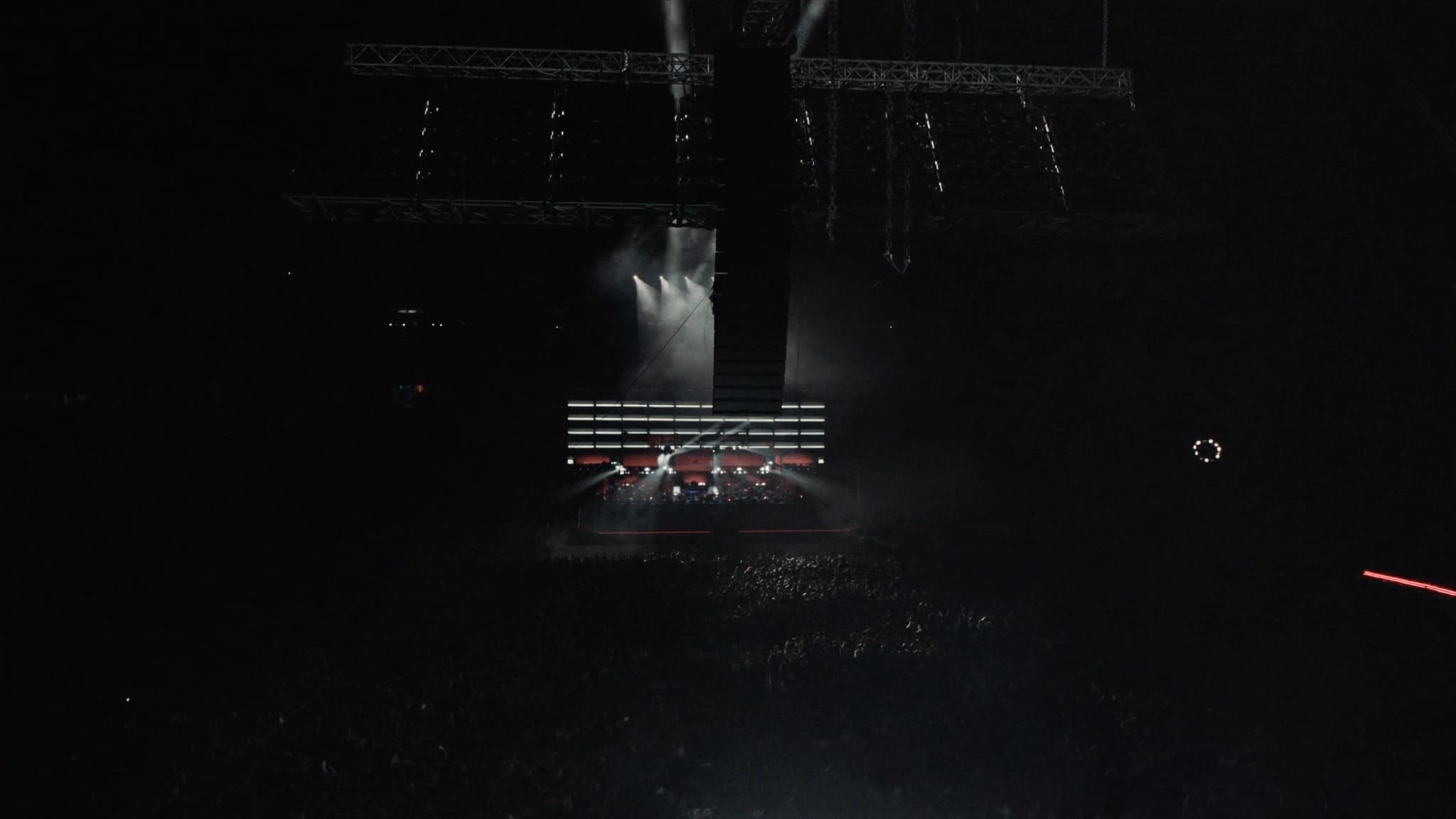
PAシステムを正しくサイズ設計することは、観客を感動させるショーと、観客を疲れさせるショーの違いを生みます。SSOUNDSでは、アフリカ、ヨーロッパ、中東の会場向けにプロ用ラウドスピーカーを設計しており、適切なサイズ設計が科学、経験、そして現実的な期待値の融合であることを知っています。このガイドでは、200人収容のクラブ、2,000席の劇場、20,000人規模の屋外フェスティバルなど、あらゆる会場に適したPAサイズを決定するための実践的なステップバイステップの方法を説明します。観客収容人数、部屋の音響、SPLターゲット、そして十分なヘッドルームを確保したボックスとサブウーファーの数の計算方法をカバーします。
主なポイント
- 観客収容人数と会場タイプ(屋内/屋外)から始めて、カバレッジエリアとSPL要件を見積もる。
- イベントタイプ(スピーチ、ライブ音楽、EDM)に基づいてSPLターゲットを設定し、常に10~20 dBのヘッドルームを追加する。
- 大規模または奥行きのある会場にはラインアレイを、小規模で広い空間にはポイントソースを使用する。
- 投射距離とカバレッジ角度を使用してボックス数を計算し、コーン面積と低音需要を使用してサブ数を計算する。
- アンプ電力を2~4倍に過剰設計し、システムを70~80%の容量で動作させることでヘッドルームを考慮する。
- 常に予測ソフトウェアでモデリングし、測定ツールでオンサイトチューニングを行い、最適な結果を得る。
1. 会場と観客収容人数を理解する
最初の変数は、カバーする必要がある人数です。一般的なルールとして、観客までの距離が2倍になるごとに、SPLは6 dB低下します(逆二乗則)。つまり、近距離で100人に機能するPAは、分散した500人には対応できません。まず観客エリアを見積もります。立ち見イベントでは1人あたり0.5~1 m²、着席では1~1.5 m²を確保します。予想される人数を掛けてカバレッジゾーンを算出します。
屋内か屋外かは重要です。屋内では、壁と天井が反射を提供し、体感音量を3~6 dB追加することがありますが、同時に残響を生み出し、明瞭度を低下させます。屋外では反射がないため、より直接的なSPLが必要です。屋外会場では、同規模の屋内空間と比較して、目標SPLに6~10 dBを追加してください。
部屋の形状も考慮してください。長く狭い部屋では、均一なカバレッジを維持するためにラインアレイまたは複数のディレイスピーカーが必要です。広く浅い部屋では、単一のポイントソースクラスターで対応できる場合があります。SSOUNDSでは、1つのボックスを配置する前に、EASEまたは同様のソフトウェアを使用してすべての会場をモデリングし、カバレッジを予測します。
2. SPLターゲットを設定する
SPL(音圧レベル)はdB SPLで測定されます。ターゲットはイベントの種類によって異なります。スピーチの場合、部屋の後方で75~85 dB SPLを目指し、10 dBのヘッドルームを確保します(つまり、システムは95 dBの連続出力が可能である必要があります)。ライブ音楽の場合、平均95~105 dB SPLを目標とし、15~20 dBのヘッドルームを確保します(システムピークは120~125 dB)。EDMやロックコンサートの場合、平均105~110 dBで20 dBのヘッドルームが一般的で、システムピークは125~130 dBになります。
ヘッドルームは極めて重要です。ヘッドルーム0 dBで動作するシステムは歪み、圧縮され、硬い音になります。SSOUNDSラインアレイのようなプロフェッショナルシステムは、クリーンでダイナミックなサウンドのために6~20 dBのヘッドルームで動作するように設計されています。常に平均ターゲットより少なくとも10 dB上のヘッドルームを確保してサイズ設計してください。
音源での必要SPLを計算するには、PAから最も遠いリスナーまでの距離を測定します。1メートルを超える距離が2倍になるごとに6 dBを追加します。たとえば、32メートルで100 dBが必要な場合、100 +(5倍の距離増加 × 6 dB)= 1メートルで130 dBとなります。PAはそのピークSPLを提供する必要があります。
3. 適切なラウドスピーカー構成を選ぶ
小規模会場(最大300人)では、スタンドに載せた高品質ポイントソースラウドスピーカー1対とサブウーファー1~2台で十分なことが多いです。中規模会場(300~1,500人)では、片側4~8ボックスの小型ラインアレイ、または強力なポイントソースクラスターを検討してください。大規模会場(1,500~5,000人以上)では、片側8~16ボックスの吊り下げラインアレイと、吊り下げまたはグランドスタックのサブが必要です。
ラインアレイは、制御された垂直指向性を提供し、天井や床に無駄になるエネルギーを減らすため、広い空間に適しています。SSOUNDSラインアレイは独自のウェーブガイドを使用して、コヒーレントな波面と前方から後方への一貫したカバレッジを保証します。典型的な1,000人収容の屋内会場では、片側6台のSSOUNDSラインアレイ要素と4台のサブウーファーが一般的な出発点です。
サブウーファーの数は低音の要件によって異なります。目安として、フルレンジボックス2~3台ごとに、中程度の低音用にサブウーファー1台を追加します。ヒップホップやEDMの場合、比率は1:1になることがあります。サブウーファーはしばしばカーディオイドアレイに配置され、後方へのエネルギーを減らし、ステージ上の明瞭度を向上させます。
4. ボックスとサブウーファーの数を計算する
ステップ2で求めた1メートル地点での必要SPLから始めます。それを単一ラウドスピーカーの最大ピークSPLと比較します。たとえば、SSOUNDSラインアレイ要素が140 dBピークを出し、1メートルで130 dBが必要な場合、片側1ボックスで足りるかもしれませんが、カバレッジとヘッドルームがより多くを要求します。通常、観客の幅と奥行きにわたって均一なカバレッジを達成するのに十分な数のボックスが必要です。
実用的な公式:片側あたりのボックス数 =(最も遠いリスナーまでの距離(メートル))/(ボックスの垂直カバレッジ角度 × 0.5)。垂直カバレッジ10°、投射距離40 mのボックスの場合、40 /(10 × 0.5)= 8ボックス必要です。これにより、隙間のない重複カバレッジが保証されます。
サブウーファーの場合、必要な総コーン面積を計算します。単一の18インチサブウーファーは約135 dBピークを生成できます。リスニング位置で10 dBのヘッドルームを確保して125 dBに到達するには、音源で135 dBが必要です(距離10 mと仮定)。つまり片側1台のサブです。より広い空間では、必要な6 dB増加ごとに台数を倍にします。屋外イベントでは常に20~30%多くのサブを追加してください。
5. ヘッドルームとシステムの限界を考慮する
ヘッドルームは贅沢品ではなく、必需品です。限界で動作するシステムはクリップし、ドライバーを損傷し、ひどい音になります。SSOUNDSのアンプとDSPにはシステムを保護するリミッターが含まれていますが、最も大きな瞬間でもシステムが最大容量の70~80%で動作するようにサイズ設計する必要があります。
ヘッドルームを確保するには、必要なSPLをアンプ電力の観点で2~4倍にします。たとえば、ボックスあたり1,000ワットが必要な場合、2,000~4,000ワットを供給するアンプを選びます。これはドライバーが熱くなるにつれて生じるパワーコンプレッションも考慮に入れています。
長距離のケーブル損失と電圧降下を忘れないでください。より太いゲージのケーブルを使用し、大規模会場では分散型アンプを検討してください。SSOUNDSは、パフォーマンスを最適化しシステムを保護するために、内蔵DSP付きの独自アンプの使用を推奨しています。
6. 予測ソフトウェアとオンサイトチューニングを使用する
計算は現実世界のモデリングに代わるものではありません。SSOUNDSのエンジニアは、EASE Focusや独自ツールを使用して、1つのボックスを吊るす前にカバレッジ、SPL分布、周波数応答をシミュレーションします。これにより時間を節約し、システムが要件を満たすことを保証します。
設置後は、測定マイクとSMAARTやSysTuneなどのソフトウェアを使用してカバレッジとEQを検証します。ディレイタイム、レベル、EQを調整して部屋の音響を補正します。最高のサイズ設計であっても、最高の音にするにはチューニングが必要です。
覚えておいてください:小さすぎるPAは歪んで故障します。大きすぎるPAは重く、高価で、適切にチューニングされなければ硬い音になるかもしれません。目標は、適切なSPLとクリーンなヘッドルームを備えた「ちょうどいい」ゾーンです。
7. 一般的な会場の実践例
小規模クラブ(200人、奥行き15 m):スタンドに載せたSSOUNDSポイントソーストップ2台(各135 dBピーク)、18インチサブ2台。後方での合計SPL:約105 dB、ヘッドルーム10 dB。
中規模劇場(800席、奥行き25 m):片側6台のSSOUNDSラインアレイ要素、グランドスタックのサブ4台。音源でのシステムピーク約140 dB、後方で115 dB、ヘッドルーム15 dB。
大規模屋外フェスティバル(10,000人、奥行き80 m):片側16台のSSOUNDSラインアレイ要素、カーディオイドアレイのサブ12~16台。音源でのシステムピーク145 dB、80 mで115 dB、ヘッドルーム20 dB。後半にはディレイタワーが必要になる場合があります。
これらの例は出発点です。常にプロのシステムデザイナーに相談するか、SSOUNDSに連絡して、会場に合わせた詳細な提案を依頼してください。
よくある質問
自分のPAが小さすぎるかどうかは、どうすればわかりますか?
兆候としては、中程度の音量で耳障りな歪みが発生する、システムが頻繁にリミッターに達する、カバレッジが不均一(静かな場所がある)、音が硬くなったり圧縮されたりするなどが挙げられます。通常の運用でシステムを最大まで押し上げているなら、それは小さすぎます。
同じPAを屋内と屋外で使えますか?
はい、ただし屋外では反射がないため、より多くのSPLが必要です。500人収容の屋内クラブ用に設計されたシステムは、屋外では200~300人しかカバーできないかもしれません。屋外使用では常に6~10 dBのヘッドルームを追加し、風や環境ノイズも考慮してください。
サイズ設計において、ラインアレイとポイントソースの違いは何ですか?
ラインアレイは音響的に結合してSPLを高め、垂直方向の指向性を制御するため、長距離投射においてより効率的です。ポイントソースボックスはよりシンプルですが、距離とともにSPLが早く減衰します。奥行きが20 mを超える会場では、通常ラインアレイが好まれます。
ロックコンサートにはサブウーファーが何台必要ですか?
ロックの場合、フルレンジボックスとサブの比率を2:1にすることを目指してください。片側12ボックスのラインアレイなら、6~8台のサブを使用します。EDMやヒップホップの場合は1:1にします。サブウーファーの配置(カーディオイド、エンドファイア)も体感される出力に影響します。
長い会場にはディレイスピーカーが必要ですか?
会場の奥行きが30~40 mを超える場合、後方での明瞭度とSPLを維持するためにディレイスピーカーが推奨されます。それらはメインPAにタイムアラインメントさせる必要があります。SSOUNDSは大規模会場向けのディレイシステム設計を支援できます。
システムの構築やアップグレードをお考えですか?
SSOUNDSは、単一の部屋からスタジアム規模まで、プロ用PAを世界中で設計・製造しています。