スピーカーは何台必要か?カバレッジガイド
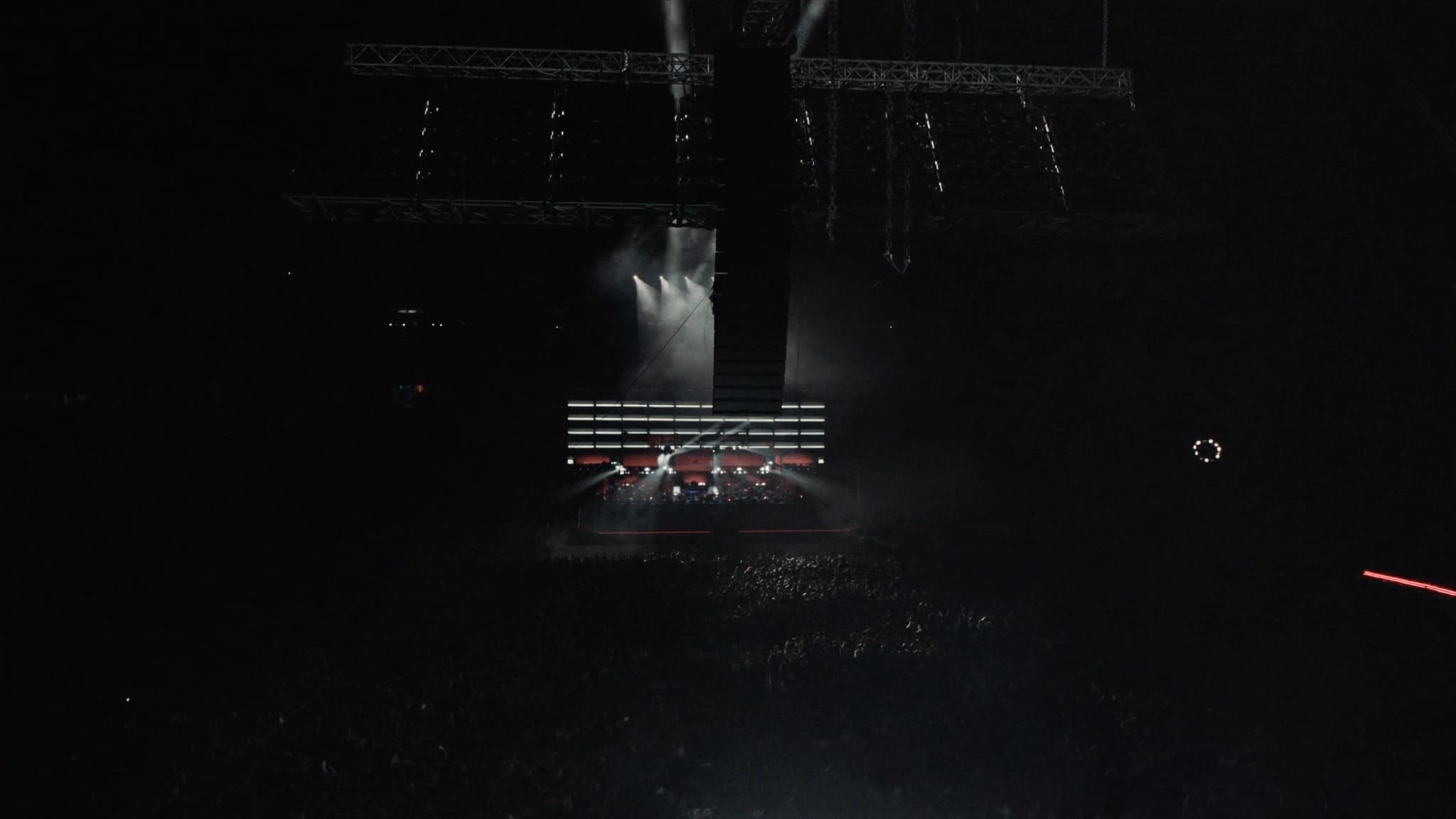
スピーカーの数を正しく決めることは、あらゆるサウンドシステム設計において最も重要な決定の一つです。スピーカーが少なすぎると、観客がはっきりと聞こえないデッドゾーンが生じます。多すぎると、コムフィルタリング、ホットスポット、不必要なコストが発生します。SSOUNDSでは、均一なカバレッジ、高い明瞭度、そして前方から後方まで一貫したSPLを提供するシステムを設計しています。このガイドでは、カバレッジの幾何学、フィルスピーカーとディレイの役割、そしてホットスポットやデッドゾーンなどの一般的な落とし穴を避ける方法を説明します。
主なポイント
- カバレッジの幾何学が基盤です:会場をマッピングし、スピーカーパターンを理解しましょう。
- フィルスピーカーは、前方の列、サイド、バルコニー下エリアに不可欠です。
- ディレイスピーカーは大規模会場で到達時間を整合させますが、慎重に使用してください。
- 正しいスプレイ角度を使用し、オーバーラップを最小限に抑えてホットスポットを避けましょう。
- デッドゾーンは、適切な狙い、予測ソフトウェア、検証によって防止されます。
- 最高の結果を得るために、設置後は常に測定とチューニングを行いましょう。
カバレッジの幾何学を理解する
すべてのラウドスピーカーには、通常、水平方向と垂直方向の度数で測定される定義されたカバレッジパターンがあります。ポイントソーススピーカーの場合、カバレッジ角がサウンドの「コーン」を決定します。ラインアレイの場合、垂直パターンはアレイの長さとスプレイ角度によって制御され、水平カバレッジはウェーブガイドによって固定されます。基本的なルールは、スピーカーが隣接するスピーカーとわずかにオーバーラップするように配置され、シームレスなサウンドフィールドを作り出すことです。
必要なスピーカー数を計算するには、まず会場をマッピングします。観客エリアの幅と奥行きを測定し、柱、バルコニー、不規則な座席などの障害物に注意します。幅を水平カバレッジ角(ラジアン)に最遠リスナーまでの距離を掛けた値で割ります。これにより、フロントフィルのおおよその数が得られます。ラインアレイの場合、垂直カバレッジはキャビネットの数とキャビネット間の角度によって決まります。SSOUNDSラインアレイシステムは、ギャップのない均一なカバレッジを確保するために、正確なスプレイ角度で設計されています。
よくある間違いは、1台のスピーカーで広いエリアをカバーできると仮定することです。90°のスピーカーでも、軸から60°離れると最大6 dBのレベル低下があり、エッジでは著しい減衰があります。±3 dBの均一性を維持するには、オーバーラップするカバレッジが必要です。例えば、幅20メートルの部屋で60°のスピーカーを使用する場合、幅を適切にカバーするには少なくとも3台のスピーカーを前方に配置する必要があります。
フィルスピーカー:フロント、サイド、バルコニー下
フィルスピーカーは、メインシステムが届かないエリアをカバーするために使用されます。フロントフィルは、メインPAの角度が急すぎる最初の数列をカバーします。サイドフィルは、極端な左右の席をカバーします。バルコニー下フィルは、張り出しによって影になる席に音を届けます。重要なのは、適切なディレイとレベル設定で、小型で慎重に狙いを定めたスピーカーを使用することです。
フィルを設計する際は、メインソースからの距離を考慮します。フロントフィルの場合、スピーカーはステージの端に配置し、前方の列をカバーするように角度を付けます。ディレイは、フロントフィルからの音がメインPAからの音と同じ時間にリスナーに到達するように設定する必要があります。SSOUNDSポイントソーススピーカーは、コンパクトなサイズと制御された指向性により、フィルに最適です。
バルコニー下フィルの場合、課題は限られた高さと反射を避ける必要性です。狭い垂直パターンを持つスピーカーを使用して、音を天井や壁から遠ざけます。SSOUNDSは、これらのアプリケーション用に最適化されたウェーブガイドを備えた専用フィルキャビネットを提供しています。
ディレイスピーカー:到達時間の整合
大規模な会場では、メインPAから後方の席までの距離が顕著な遅延を引き起こし、音が視覚的なソースから切り離されているように感じられることがあります。ディレイスピーカーは後方に配置され、電子的に遅延されるため、ディレイからの音がメインシステムからの音と同じ時間にリスナーに到達します。これにより、単一のコヒーレントな波面が作成されます。
ディレイ時間は、距離差を音速(約343 m/s)で割ることによって計算されます。例えば、ディレイスピーカーがメインPAよりもソースから30メートル遠い場合、ディレイは30/343 ≈ 87 msです。ただし、ディレイスピーカーからリスナーへの伝播時間も考慮する必要があります。目標は、両方の経路からの到達時間を整合させることです。
ディレイスピーカーは慎重に使用し、必要な場合にのみ使用する必要があります。各ディレイゾーンは複雑さを増し、コムフィルタリングの可能性を高めます。SSOUNDS DSPプラットフォームには、このプロセスを正確で再現可能にする高度なディレイアライメントツールが含まれています。
ホットスポットとデッドゾーンを避ける
ホットスポットは、2つ以上のスピーカーが同じエリアをオーバーラップするコヒーレントな信号でカバーし、建設的な干渉と局所的なレベルの増加を引き起こす場合に発生します。デッドゾーンはその逆で、スピーカーパターン間のギャップや破壊的な干渉によりカバレッジが不十分なエリアです。
ホットスポットを避けるには、隣接するスピーカーが滑らかなオーバーラップを作り出す角度でスプレイされていることを確認します。ラインアレイの場合、これは正しいキャビネット間角度を使用することを意味します。ポイントソースクラスターの場合、各スピーカーが過度のオーバーラップなしに観客の一部をカバーする「等スプレイ」方式を使用します。SSOUNDSラインアレイソフトウェアは、会場の形状に基づいて最適なスプレイ角度を計算します。
デッドゾーンは、多くの場合、障害物や不正確な狙いによって引き起こされます。設置前に予測ソフトウェアを使用してカバレッジをモデル化します。測定マイクで会場を歩き、カバレッジを検証します。SSOUNDSシステムは、適切に展開された場合、観客エリア全体で±3 dB以内の一貫したSPLを提供するように設計されています。
スピーカー数を決定するための実践的な手順
1. 座席エリア、ステージ、障害物を含む会場の縮尺図を作成します。2. 希望するSPLとカバレッジの均一性(例:±3 dB)を定義します。3. スピーカータイプを選択します:大規模で奥行きのある会場にはラインアレイ、小規模または不規則な空間にはポイントソース。4. カバレッジ計算機またはシミュレーションソフトウェアを使用して、必要なキャビネット数を決定します。5. 必要に応じてフィルとディレイを追加します。6. 音響測定で検証します。
典型的な500席の劇場では、各8キャビネットのSSOUNDSラインアレイ2本でメインフロアをカバーし、フロントフィル2台とバルコニー下フィル2台を追加するかもしれません。2000人収容の屋外フェスティバルでは、片側12キャビネットとディレイタワーが必要になる場合があります。常に冗長性と将来の拡張を考慮してください。
SSOUNDSのエンジニアは、システム設計を支援し、詳細なカバレッジ予測を提供できます。私たちの目標は、スイートスポットだけでなく、どこでも素晴らしい音を届けるシステムを提供することです。
よくある間違いとその回避方法
間違い1:コストを節約するためにスピーカーを少なすぎること。これはデッドゾーンと不均一なカバレッジにつながります。解決策:適切な数のキャビネットに投資すること。ギャップのある大きなシステムよりも、適切なカバレッジを持つやや小さなシステムの方が優れています。
間違い2:スピーカーを高すぎるか低すぎる位置に配置すること。高い位置は前方の列を音が通過しすぎる原因になり、低い位置は影を作る原因になります。解決策:カバレッジパターンが最遠リスナーと最近リスナーに等しく当たるようにスピーカーを狙います。
間違い3:時間整合を無視すること。適切なディレイがないと、フィルとディレイはコムフィルタリングと濁った音を引き起こす可能性があります。解決策:測定システムを使用して、すべてのスピーカーを時間とレベルで整合させます。
間違い4:カバレッジを過度にオーバーラップさせること。これはホットスポットを作り、明瞭度を低下させます。解決策:予測ソフトウェアを使用して、カバレッジを維持しながらオーバーラップを最小限に抑えます。
よくある質問
長方形の部屋に必要なスピーカー数を計算するにはどうすればよいですか?
まず、部屋の幅を水平カバレッジ角(ラジアン)に最遠リスナーまでの距離を掛けた値で割ります。例えば、幅20mの部屋で60°のスピーカーを10mの距離で使用する場合、スピーカー1台あたりのカバレッジ幅 = 2 * 10 * tan(30°) ≈ 11.5mとなります。したがって、20mをカバーするには少なくとも2台必要ですが、オーバーラップを考慮すると3台が安全です。正確にはシミュレーションソフトウェアを使用してください。
フィルスピーカーとディレイスピーカーの違いは何ですか?
フィルスピーカーは、メインPAが届かないエリア(例:前方の列、バルコニーの下)をカバーします。ディレイスピーカーは、遠くの席をカバーするために後方に配置され、メインPAとのコヒーレンスを維持するために時間整合されます。フィルは通常より小さく近くに配置され、ディレイは多くの場合フルレンジです。
複数のスピーカーを使用する際にコムフィルタリングを避けるにはどうすればよいですか?
コムフィルタリングは、2つのスピーカーが同じエリアを異なる到達時間でカバーする場合に発生します。これを避けるには、適切な時間整合(ディレイ)を確保し、オーバーラップを最小限に抑え、一貫した位相応答を持つスピーカーを使用します。SSOUNDS DSPには、これを軽減するためのアライメントツールが含まれています。
メインとフィルに同じスピーカーモデルを使用できますか?
はい、可能ですが、多くの場合、より小型の専用フィルキャビネットを使用する方が効率的です。同じモデルを使用すると、追加の減衰が必要になり、オーバーカバレッジにつながる可能性があります。SSOUNDSは、フィルに最適なポイントソーススピーカーのラインナップを提供しています。
観客エリア全体での理想的なSPL変動はどれくらいですか?
適切に設計されたシステムでは、観客エリア全体の平均SPLからの変動は±3 dB以内であるべきです。これにより、一貫したリスニング体験が保証されます。SSOUNDSシステムは、この均一性を実現するように設計されています。
システムの構築やアップグレードをお考えですか?
SSOUNDSは、単一の部屋からスタジアム規模まで、プロ用PAを世界中で設計・製造しています。