라인 어레이 vs 포인트 소스: 어떤 것을 선택해야 할까요?
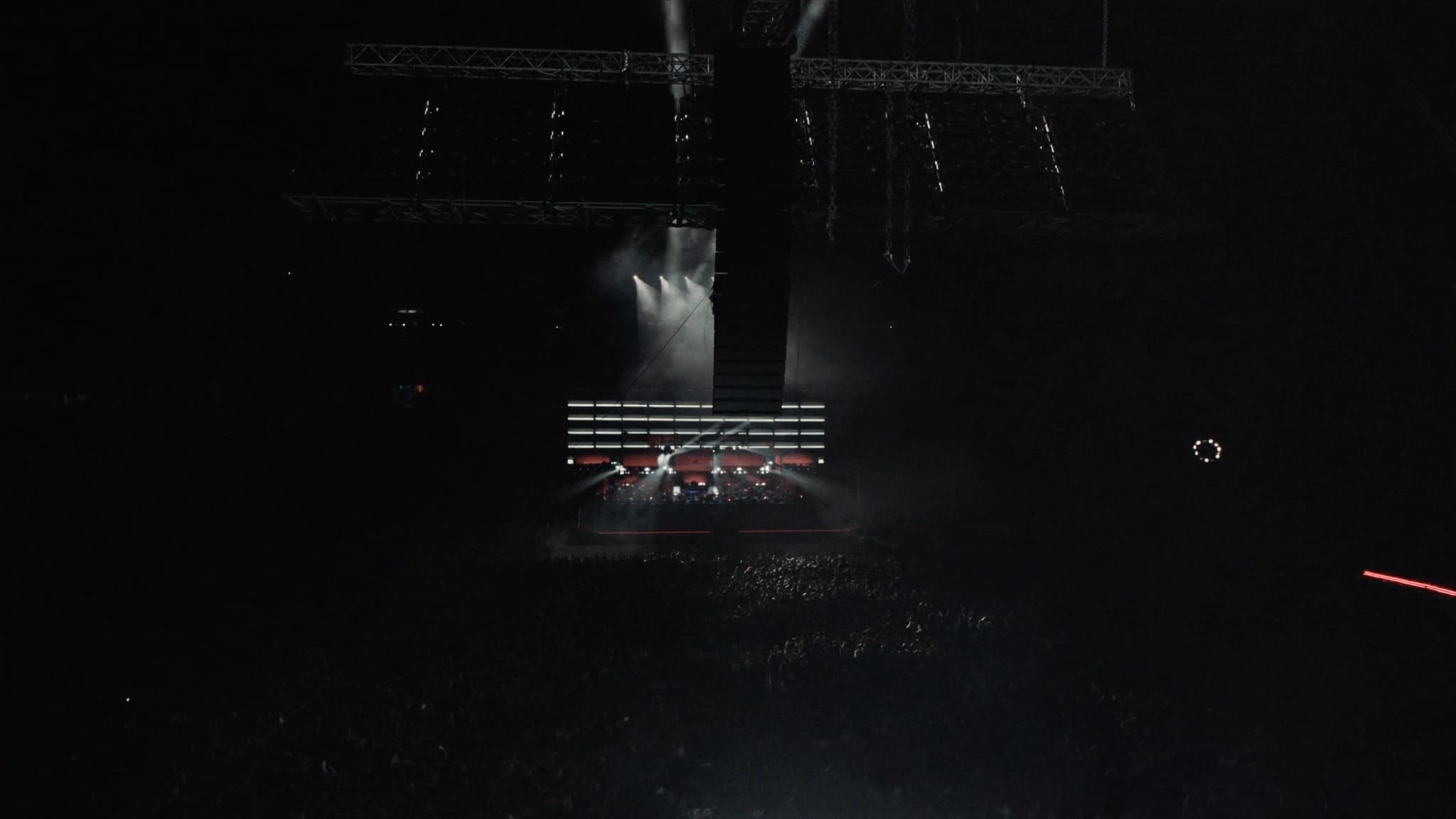
라이브 사운드 시스템을 설계할 때 가장 중요한 결정 중 하나는 라인 어레이와 포인트 소스 스피커 중 무엇을 사용할 것인지입니다. 이 두 기술은 서로 다른 강점을 가지며, 공연장의 크기, 형태, 그리고 음향 요구사항에 따라 최적의 선택이 달라집니다. 이 가이드에서는 두 시스템의 엔지니어링 원리와 적용 시나리오를 비교하여, 프로 오디오 전문가들이 정보에 입각한 결정을 내릴 수 있도록 돕겠습니다.
핵심 요약
- 포인트 소스는 근거리 및 중거리에서 뛰어난 음질을 제공하며, 설치가 간단하고 비용 효율적입니다.
- 라인 어레이는 먼 거리에서도 일관된 음압을 유지하며, 수직 커버리지를 정밀하게 제어할 수 있습니다.
- 공연장의 크기와 형태, 청중의 밀집도, 그리고 음향 요구사항이 시스템 선택의 핵심 요소입니다.
- 라인 어레이는 설치와 튜닝에 더 많은 전문 지식이 필요하지만, 대규모 공연에서 장기적 가치가 높습니다.
- SSOUNDS는 AI 기반 모델링과 머신러닝 DSP를 통해 두 시스템의 복잡성을 관리하고, 최적의 성능을 보장합니다.
- 비용을 평가할 때는 초기 구매 비용뿐만 아니라 설치, 유지보수, 확장 가능성을 포함한 총 소유 비용을 고려해야 합니다.
포인트 소스 스피커의 기본 원리
포인트 소스 스피커는 단일 지점에서 음향을 방사하는 전통적인 설계입니다. 이들은 하나의 캐비닛에 저역, 중역, 고역 드라이버를 통합하여, 마치 한 점에서 나오는 것처럼 음파를 퍼뜨립니다. 이러한 설계는 근거리 및 중거리 응용에서 뛰어난 음질을 제공하며, 특히 음성 명료도와 음악의 정확한 재생이 중요한 소규모 공연장, 클럽, 교회, 또는 강당에 적합합니다.
포인트 소스의 가장 큰 장점은 단순성과 비용 효율성입니다. 설치가 쉽고, 시스템 구성이 간단하며, DSP 설정이 상대적으로 덜 복잡합니다. 또한, 포인트 소스는 넓은 수평 커버리지를 제공하므로, 무대 앞쪽의 청중에게 균일한 음압을 전달하는 데 유리합니다. 그러나 수직 커버리지는 제한적이며, 먼 거리에서 음압이 급격히 감소하는 특성이 있습니다.
라인 어레이의 물리적 원리와 장점
라인 어레이는 여러 개의 스피커 캐비닛을 수직으로 배열하여, 서로 간섭을 일으켜 원통형 파면을 형성하는 기술입니다. 이 원통형 파면은 거리에 따라 음압이 3dB씩 감소하는데, 이는 포인트 소스의 구형 파면이 6dB씩 감소하는 것에 비해 훨씬 효율적입니다. 따라서 라인 어레이는 대규모 공연장이나 야외 콘서트에서 먼 거리까지 일관된 음압을 전달할 수 있습니다.
라인 어레이의 핵심은 각 캐비닛의 수직 각도를 조절하여 커버리지를 정밀하게 제어하는 것입니다. 이를 통해 음향 에너지를 청중이 있는 영역에 집중시키고, 천장이나 벽에 반사되는 에너지를 최소화할 수 있습니다. 이는 특히 긴 실내 공간이나 계단식 좌석이 있는 극장에서 매우 유용합니다. 또한, 라인 어레이는 고음역대의 감쇠를 줄여주어, 먼 거리에서도 선명한 고음을 유지할 수 있습니다.
커버리지와 음압: 어떤 시스템이 더 적합한가?
커버리지 요구사항은 시스템 선택의 가장 중요한 기준입니다. 포인트 소스는 수평 커버리지가 넓고 수직 커버리지가 좁아, 무대 앞쪽의 넓은 영역을 커버하는 데 적합합니다. 반면, 라인 어레이는 수직 커버리지를 조절할 수 있어, 긴 실내 공간이나 다층 발코니가 있는 공연장에서 각 층에 균일한 음압을 전달할 수 있습니다.
음압 레벨(SPL) 측면에서 라인 어레이는 먼 거리에서도 높은 SPL을 유지할 수 있어, 대규모 야외 공연이나 스타디움에서 필수적입니다. 포인트 소스는 근거리에서 높은 SPL을 제공하지만, 거리가 멀어질수록 급격히 감소합니다. 따라서 공연장의 크기와 청중의 밀집도를 고려하여 적절한 시스템을 선택해야 합니다. 예를 들어, 500명 이하의 실내 공연장은 포인트 소스로 충분할 수 있지만, 5000명 이상의 야외 공연장은 라인 어레이가 필요합니다.
설치 및 운용의 복잡성
포인트 소스 시스템은 설치가 간단하고, 플라잉(비행) 하드웨어가 필요하지 않거나 최소한으로 요구됩니다. 이는 이동식 공연이나 임시 설치에 유리하며, 시스템 튜닝 시간이 짧습니다. 반면, 라인 어레이는 각 캐비닛의 각도, 높이, 그리고 DSP 설정을 정밀하게 조정해야 하므로, 설치와 튜닝에 더 많은 시간과 전문 지식이 필요합니다.
라인 어레이의 운용에는 고급 DSP와 앰프가 필수적이며, 각 캐비닛에 개별적으로 파워를 공급하고 지연 시간을 보정해야 합니다. SSOUNDS는 이러한 복잡성을 관리하기 위해 AI 기반의 음향 모델링과 머신러닝 튜닝 DSP를 제공하여, 엔지니어가 최적의 설정을 빠르게 찾을 수 있도록 지원합니다. 이는 라인 어레이의 설치 시간을 단축하고, 시스템 성능을 극대화하는 데 기여합니다.
비용과 장기적 가치
일반적으로 포인트 소스 시스템은 초기 투자 비용이 낮고, 유지보수도 간단합니다. 그러나 대규모 공연장에서는 더 많은 포인트 소스 스피커가 필요할 수 있으며, 이는 전체 비용을 증가시킬 수 있습니다. 라인 어레이는 초기 비용이 높지만, 적은 수의 캐비닛으로 넓은 영역을 커버할 수 있어, 장기적으로는 비용 효율적일 수 있습니다.
또한, 라인 어레이는 확장성이 뛰어나며, 시스템을 추가로 증설할 때 기존 인프라를 활용할 수 있습니다. SSOUNDS는 다양한 크기의 라인 어레이 캐비닛을 제공하여, 소규모 클럽부터 대규모 스타디움까지 유연하게 대응할 수 있습니다. 시스템의 총 소유 비용을 평가할 때는 초기 구매 비용뿐만 아니라, 설치, 튜닝, 유지보수, 그리고 확장 가능성을 고려해야 합니다.
SSOUNDS의 엔지니어링 접근법
SSOUNDS는 라인 어레이와 포인트 소스 시스템 모두를 설계하며, 각 기술의 장점을 극대화하는 데 주력합니다. 우리는 AI 기반의 음향 모델링을 사용하여, 공연장의 3D 모델을 생성하고, 다양한 시스템 구성을 시뮬레이션하여 최적의 커버리지와 음압 분포를 예측합니다. 이를 통해 고객은 설치 전에 시스템 성능을 미리 확인할 수 있습니다.
또한, SSOUNDS의 DSP는 머신러닝 알고리즘을 통해 실시간으로 시스템을 튜닝하여, 온도, 습도, 바람 등의 환경 변화에 대응합니다. 이는 라인 어레이의 복잡한 설정을 자동화하여, 엔지니어가 더 창의적인 작업에 집중할 수 있게 합니다. 우리는 또한 각 시스템에 대해 상세한 문서화와 원격 지원을 제공하여, 전 세계 어디서든 신속한 기술 지원을 받을 수 있도록 합니다.
자주 묻는 질문
라인 어레이가 항상 포인트 소스보다 나은가요?
아닙니다. 라인 어레이는 대규모 공연장에서 먼 거리까지 균일한 음압을 전달하는 데 유리하지만, 소규모 공연장에서는 포인트 소스가 더 간단하고 비용 효율적일 수 있습니다. 선택은 공연장의 크기와 음향 요구사항에 따라 달라집니다.
포인트 소스 시스템으로 대규모 야외 공연을 커버할 수 있나요?
가능하지만, 많은 수의 스피커를 배치해야 하며, 음압 감쇠로 인해 먼 거리에서 명료도가 떨어질 수 있습니다. 라인 어레이는 이러한 상황에서 더 효율적이며, 적은 수의 캐비닛으로 넓은 영역을 커버할 수 있습니다.
라인 어레이의 설치가 어렵나요?
라인 어레이는 각 캐비닛의 각도와 DSP 설정을 정밀하게 조정해야 하므로, 포인트 소스보다 복잡합니다. 그러나 SSOUNDS는 AI 기반 모델링과 자동 튜닝 기능을 제공하여 설치 과정을 단순화하고, 엔지니어가 빠르게 최적의 설정을 찾을 수 있도록 지원합니다.
하이브리드 시스템을 사용할 수 있나요?
네, 많은 공연장에서 메인 시스템으로 라인 어레이를 사용하고, 사이드 필이나 언더필로 포인트 소스를 사용하는 하이브리드 구성을 채택합니다. 이는 각 기술의 장점을 활용하여 커버리지와 음질을 최적화하는 방법입니다.
SSOUNDS는 어떤 시스템을 추천하나요?
SSOUNDS는 고객의 공연장 특성과 요구사항을 분석하여 최적의 시스템을 설계합니다. 우리는 포인트 소스와 라인 어레이 모두를 제공하며, AI 기반 시뮬레이션을 통해 최적의 구성을 제안합니다. 상세한 상담은 당사에 문의하시기 바랍니다.
시스템을 새로 구축하거나 업그레이드하시나요?
SSOUNDS는 단일 공간부터 스타디움 규모까지, 전 세계에서 전문 PA 시스템을 설계하고 제작합니다.