Geluidssysteemontwerp voor bars en lounges
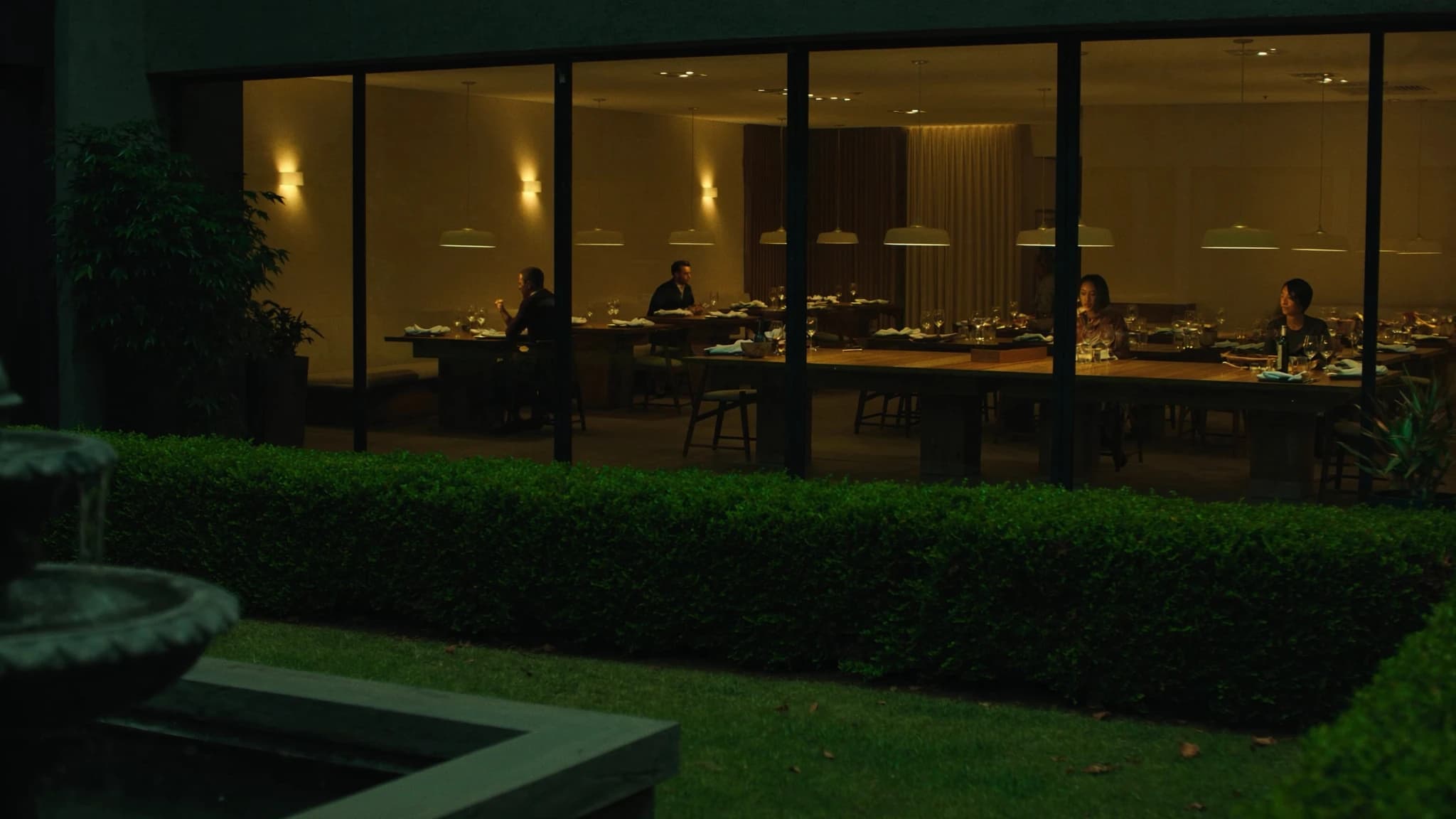
Het ontwerpen van een geluidssysteem voor een bar of lounge vereist een balans tussen ambient sfeer en momenten van hoogenergetische performance. Anders dan concertlocaties vragen deze ruimtes om zonering, discreet materieel en duidelijke verstaanbaarheid boven het geroezemoes van het publiek. SSOUNDS-engineering levert compacte, hoogoutput-oplossingen die zich aanpassen aan voorgrondmuziek, dj-sets en achtergrondniveaus, met behoud van kristalheldere klarheid.
Belangrijkste punten
- Deel uw locatie in zones in: bar, zitgedeeltes, dansvloer en VIP-ruimtes hebben elk onafhankelijke niveau- en EQ-regeling nodig.
- Gebruik compacte point-source luidsprekers en slanke subs om ruimte te besparen zonder output op te offeren.
- Integreer dj-apparatuur met toegewijde monitorwedges en prioriteitsinputschakeling.
- Stem DSP af voor automatische ruiscompensatie en tijdalignatie om klarheid te behouden naarmate publieksgeluid toeneemt.
- Geef prioriteit aan esthetiek met discrete montage- en afwerkingsopties; voldoe aan lokale geluidslimieten met ingebouwde limiters.
- SSOUNDS biedt volledige ondersteuning bij systeemontwerp, van simulatie tot afstemming, om optimale prestaties te garanderen.
De ruimte begrijpen: zonering en akoestiek
Bars en lounges zijn zelden ruimtes met één functie. Een typische indeling omvat een barruimte, zitgedeeltes, een dansvloer en mogelijk een VIP-lounge. Elke zone heeft andere geluidsvereisten: de bar heeft duidelijke spraakverstaanbaarheid nodig voor het bestellen, zitgedeeltes profiteren van gematigde achtergrondmuziek, en de dansvloer vraagt om krachtige, punchy weergave. SSOUNDS adviseert de locatie in akoestische zones te verdelen, elk bediend door onafhankelijk geregelde luidsprekerclusters. Zo kan de dj of manager het volume op de dansvloer verhogen zonder de bar of lounge te overweldigen. Akoestische behandeling, zoals absorberende panelen op reflecterende oppervlakken, vermindert verder galm en kamfiltereffecten, wat zorgt voor consistente dekking, zelfs in onregelmatig gevormde ruimtes.
Voorgrond- versus achtergrondniveaus: de kunst van balans
Een goed barsound systeem schakelt naadloos tussen achtergrond- en voorgrondmodi. In de vroege avond moet muziek op 75–85 dB SPL staan, luid genoeg om sfeer te zetten maar zacht genoeg voor gesprek. Naarmate de avond vordert, kunnen niveaus stijgen tot 90–100 dB SPL op de dansvloer. SSOUNDS point-source luidsprekers, met hun brede dispersie en hoge gevoeligheid, excelleren in het leveren van uniform geluid op zowel lage als hoge volumes. Met een DSP-gestuurde versterker kan het systeem presets opslaan voor verschillende momenten van de dag, waardoor niveau- en EQ-wijzigingen worden geautomatiseerd. Dit voorkomt de veelvoorkomende valkuil van een systeem dat dun klinkt op laag volume of hard wordt als het wordt opgevoerd.
Dj-integratie: naadloze connectiviteit en monitoring
Veel bars en lounges hosten in het weekend dj's. Het integreren van een dj-booth vereist zorgvuldige planning: de dj heeft een toegewijde monitorwedge of side-fill nodig die helder geluid levert zonder in het hoofdluistergebied te lekken. Compacte SSOUNDS podiummonitors leveren hoge SPL in een kleine footprint, met een gericht dispersiepatroon dat de dj tevreden houdt en het publiek ongestoord laat. Het hoofdsysteem moet zowel gebalanceerde XLR- als ongebalanceerde RCA-ingangen accepteren, met een prioriteitsmixer die achtergrondmuziek dempt wanneer de dj begint. SSOUNDS-versterkers bevatten ingebouwde signaalroutering en gain staging, waardoor integratie eenvoudig is. Zorg voor ondersteuning van low-latency Bluetooth of Wi-Fi audiotransmissie voor draadloze dj-opstellingen.
Compacte luidsprekers en subwoofers kiezen
Ruimte is schaars in bars en lounges. Grote line arrays zijn overkill; kies in plaats daarvan compacte point-source luidsprekers en slanke subwoofers. SSOUNDS biedt een reeks twee-weg passieve luidsprekers met woofers van 8 tot 12 inch die volledig bereik leveren uit behuizingen die klein genoeg zijn voor muur- of plafondbeugels. Voor het laag kan een enkele subwoofer van 12 of 15 inch, dicht bij de dansvloer geplaatst, de thump leveren die nodig is voor elektronische of hiphop-sets zonder de hele locatie te laten rammelen. De sleutel is om de subwooferplaatsing af te stemmen op de modale knopen van de ruimte, SSOUNDS akoestische simulatiesoftware te gebruiken om de basrespons te voorspellen en dode plekken te vermijden. Cardioïde subwoofer-arrays kunnen ook worden ingezet om achterwaartse basuitstraling naar zitgedeeltes te verminderen.
Verstaanbaarheid boven publieksgeluid: DSP en afstemming
Naarmate het publiek groeit, stijgt het omgevingsgeluid. Om spraakverstaanbaarheid en muzikale klarheid te behouden, moet het systeem nauwkeurig worden afgestemd. SSOUNDS DSP-presets bevatten dynamische EQ die middenfrequenties (1–4 kHz) versterkt wanneer omgevingsgeluid toeneemt, een techniek die bekendstaat als automatische ruiscompensatie. Bovendien vermindert een high-pass filter op achtergrondmuziek (rond 80 Hz) laagfrequente modderigheid die vocalen maskeert. Tijdalignatie tussen hoofdluidsprekers en subwoofers zorgt voor coherente transiëntrespons. Voor locaties met meerdere zones kan een delay-matrix de aankomsttijden van geluid over de ruimte uitlijnen, waardoor echo's worden voorkomen en de beat van de dj overal strak blijft.
Installatiebest practices: esthetiek en veiligheid
In een bar of lounge moet het geluidssysteem worden gehoord, niet gezien. SSOUNDS-luidsprekers zijn verkrijgbaar in zwarte of witte afwerkingen om op te gaan in het interieur, en kunnen worden ingebouwd of gevlogen met discrete beugels. Alle bekabeling moet door muren of buizen worden geleid om struikelgevaar te voorkomen. Voor buitenpatio's zijn weerbestendige modellen beschikbaar. Het is ook cruciaal om te voldoen aan lokale geluidsvoorschriften en een sound limiter te installeren die de stroom afsnijdt als niveaus een ingestelde drempel overschrijden. SSOUNDS-versterkers hebben ingebouwde limiters die per zone kunnen worden geconfigureerd, zodat het systeem nooit geluidsvoorschriften overtreedt en toch bevredigende prestaties levert.
Veelgestelde vragen
Welk formaat luidsprekers heb ik nodig voor een kleine bar (minder dan 100 m²)?
Voor een kleine bar zijn twee point-source luidsprekers van 8 of 10 inch en één subwoofer van 12 inch doorgaans voldoende. Compacte modellen van SSOUNDS leveren helder, volledig bereik zonder de ruimte te overweldigen.
Kan ik dezelfde luidsprekers gebruiken voor achtergrondmuziek en dj-sets?
Ja, als de luidsprekers voldoende vermogenscapaciteit en gevoeligheid hebben. SSOUNDS-luidsprekers zijn ontworpen om goed te presteren op zowel lage als hoge niveaus, met DSP-presets die het systeem optimaliseren voor verschillende toepassingen.
Hoe voorkom ik dat geluid naar aangrenzende ruimtes lekt?
Gebruik zones met aparte volumeregelingen, plaats subwoofers alleen op de dansvloer en overweeg cardioïde sub-arrays om bas naar achteren te verminderen. Akoestische behandeling van muren en plafonds helpt ook om geluid binnen te houden.
Heb ik een aparte mixer nodig voor de dj?
Niet per se. Veel SSOUNDS-versterkers hebben ingebouwde inputmenging en prioriteitsroutering, zodat u een dj-controller rechtstreeks kunt aansluiten. Een aparte mixer geeft meer controle, maar voegt complexiteit toe.
Wat is het typische budget voor een barsound systeem?
Budgetten lopen sterk uiteen, maar een kwaliteitssysteem van SSOUNDS voor een middelgrote bar (tot 200 m²) omvat doorgaans luidsprekers, subs, versterkers en DSP. Neem contact op met SSOUNDS voor een offerte op maat.
Een systeem bouwen of upgraden?
SSOUNDS ontwerpt en produceert professionele PA wereldwijd, van een enkele ruimte tot stadionformaat.