Hoeveel luidsprekers heb je nodig? Een gids voor dekking
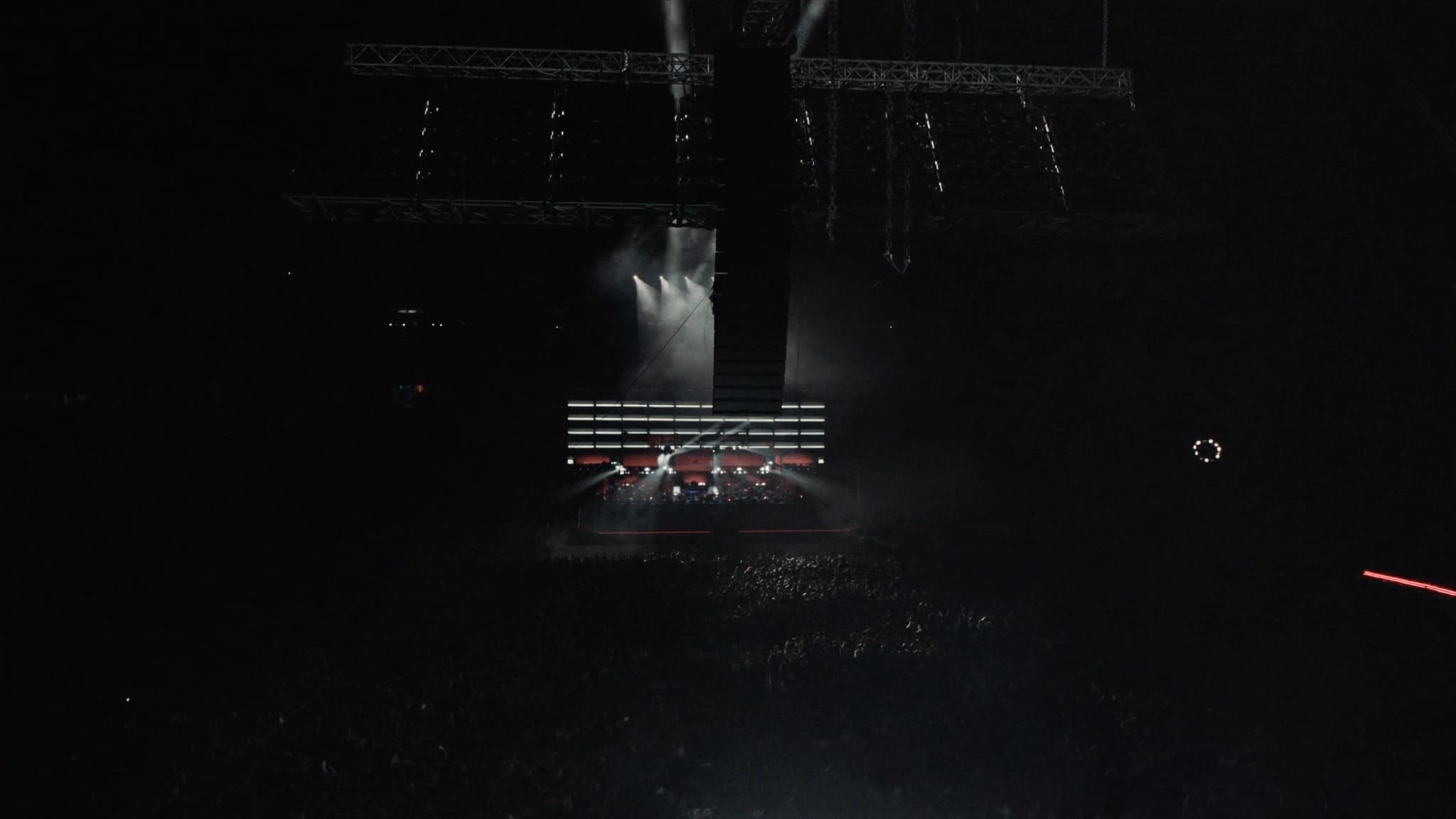
Het juiste aantal luidsprekers bepalen is een van de meest kritische beslissingen in elk geluidssysteemontwerp. Te weinig luidsprekers creëren dode zones waar het publiek niet duidelijk kan horen; te veel introduceren comb filtering, hotspots en onnodige kosten. Bij SSOUNDS ontwerpen we systemen die uniforme dekking, hoge verstaanbaarheid en consistente SPL van voor naar achter leveren. Deze gids leidt je door de geometrie van dekking, de rol van fill-luidsprekers en delays, en hoe je veelvoorkomende valkuilen zoals hotspots en dode zones vermijdt.
Belangrijkste punten
- Dekkingsgeometrie is de basis: breng je locatie in kaart en begrijp luidsprekerpatronen.
- Fill-luidsprekers zijn essentieel voor voorste rijen, zijkanten en gebieden onder balkons.
- Delay-luidsprekers lijnen aankomsttijden uit in grote zalen, maar gebruik ze met beleid.
- Vermijd hotspots door correcte splay-hoeken te gebruiken en minimaliseer overlap.
- Dode zones worden voorkomen door goede richting, voorspellingssoftware en verificatie.
- Meet en stem het systeem altijd af na installatie voor de beste resultaten.
Dekkingsgeometrie begrijpen
Elke luidspreker heeft een gedefinieerd dekkingspatroon, meestal gemeten in graden horizontaal en verticaal. Voor een point-source luidspreker bepaalt de dekkingshoek de 'kegel' van geluid. Voor line arrays wordt het verticale patroon bepaald door de array-lengte en splay-hoeken, terwijl de horizontale dekking vastligt door de waveguide. De fundamentele regel is: de luidspreker moet zo worden geplaatst dat zijn dekkingspatroon licht overlapt met aangrenzende luidsprekers om een naadloos geluidsveld te creëren.
Om het aantal benodigde luidsprekers te berekenen, begin met het in kaart brengen van je locatie. Meet de breedte en diepte van het publieksgebied en noteer eventuele obstakels zoals pilaren, balkons of onregelmatige zitplaatsen. Deel de breedte door de horizontale dekkingshoek (in radialen) maal de afstand tot de verste luisteraar. Dit geeft een ruwe telling voor de front fill. Voor line arrays wordt de verticale dekking bepaald door het aantal kasten en hun tussenhoek. SSOUNDS line array-systemen zijn ontworpen met precieze splay-hoeken om gelijkmatige dekking zonder gaten te garanderen.
Een veelgemaakte fout is aannemen dat één luidspreker een groot gebied kan dekken. Zelfs een 90° luidspreker heeft aanzienlijke niveaudaling aan de randen, tot 6 dB op 60° off-axis. Om ±3 dB uniformiteit te behouden, heb je overlappende dekking nodig. Bijvoorbeeld, in een 20 meter brede ruimte met 60° luidsprekers heb je aan de voorkant minstens drie luidsprekers nodig om de breedte adequaat te dekken.
Fill-luidsprekers: front, side en onder balkon
Fill-luidsprekers worden gebruikt om gebieden te dekken die het hoofdsysteem niet kan bereiken. Front fills dekken de eerste paar rijen waar de hoek van de hoofd-PA te steil is. Side fills dekken de uiterste linker- en rechterstoelen. Under-balcony fills brengen geluid naar stoelen die door een overstek worden beschaduwd. Het belangrijkste is om kleine, zorgvuldig gerichte luidsprekers te gebruiken met passende delay- en niveauniveaus.
Bij het ontwerpen van fills moet je rekening houden met de afstand tot de hoofd bron. Voor front fills moeten de luidsprekers aan de rand van het podium worden geplaatst, gericht om de voorste rijen te dekken. De delay moet zo worden ingesteld dat geluid van de front fill de luisteraar bereikt op hetzelfde moment als geluid van de hoofd-PA. SSOUNDS point-source luidsprekers zijn ideaal voor fills vanwege hun compacte formaat en gecontroleerde richtingskarakteristiek.
Voor under-balcony fills is de uitdaging de beperkte hoogte en de noodzaak om reflecties te vermijden. Gebruik luidsprekers met een smal verticaal patroon om geluid van het plafond en de muren te houden. SSOUNDS biedt speciale fill-kasten met geoptimaliseerde waveguides voor deze toepassingen.
Delay-luidsprekers: aankomsttijd uitlijnen
In grote zalen kan de afstand van de hoofd-PA tot de achterste rijen een merkbare vertraging veroorzaken, waardoor het geluid los lijkt te staan van de visuele bron. Delay-luidsprekers worden verder naar achteren geplaatst en elektronisch vertraagd zodat geluid van de delay de luisteraar bereikt op hetzelfde moment als geluid van het hoofdsysteem. Dit creëert een enkel coherent golffront.
De delay-tijd wordt berekend door het afstandsverschil te delen door de geluidssnelheid (ongeveer 343 m/s). Bijvoorbeeld, als de delay-luidspreker 30 meter verder van de bron staat dan de hoofd-PA, is de delay 30/343 ≈ 87 ms. Je moet echter ook rekening houden met de voortplantingstijd van de delay-luidspreker naar de luisteraar. Het doel is om de aankomsttijden van beide paden uit te lijnen.
Delay-luidsprekers moeten spaarzaam worden gebruikt en alleen wanneer nodig. Elke delay-zone voegt complexiteit en potentieel voor comb filtering toe. SSOUNDS DSP-platforms bevatten geavanceerde delay-alignatietools die dit proces nauwkeurig en herhaalbaar maken.
Hotspots en dode zones vermijden
Hotspots ontstaan wanneer twee of meer luidsprekers hetzelfde gebied dekken met overlappende, coherente signalen, wat constructieve interferentie en een plaatselijke niveaustijging veroorzaakt. Dode zones zijn het tegenovergestelde: gebieden waar de dekking onvoldoende is door gaten tussen luidsprekerpatronen of destructieve interferentie.
Om hotspots te vermijden, zorg dat aangrenzende luidsprekers onder hoeken zijn gespreid die een soepele overlap creëren. Voor line arrays betekent dit het gebruik van de juiste tussenhoek. Voor point-source clusters gebruik de 'equal splay'-methode waarbij elke luidspreker een deel van het publiek dekt zonder overmatige overlap. SSOUNDS line array-software berekent optimale splay-hoeken op basis van de geometrie van de locatie.
Dode zones worden vaak veroorzaakt door obstakels of onjuiste richting. Gebruik voorspellingssoftware om de dekking vóór installatie te modelleren. Loop de locatie door met een meetmicrofoon om de dekking te verifiëren. SSOUNDS-systemen zijn ontworpen om consistente SPL binnen ±3 dB over het hele publieksgebied te bieden bij correcte inzet.
Praktische stappen om het aantal luidsprekers te bepalen
1. Maak een geschaalde tekening van de locatie, inclusief zitplaatsen, podium en obstakels. 2. Definieer de gewenste SPL en dekkingsuniformiteit (bijv. ±3 dB). 3. Kies een luidsprekertype: line array voor grote, diepe zalen; point-source voor kleinere of onregelmatige ruimtes. 4. Gebruik dekkingscalculators of simulatiesoftware om het aantal benodigde kasten te bepalen. 5. Voeg fills en delays toe waar nodig. 6. Verifieer met akoestische metingen.
Voor een typisch theater met 500 zitplaatsen kunnen een paar SSOUNDS line arrays met elk 8 kasten de hoofdruimte dekken, met 2 front fills en 2 under-balcony fills. Voor een buitenfestival met 2000 capaciteit heb je mogelijk 12 kasten per kant plus delay-torens nodig. Houd altijd rekening met redundantie en toekomstige uitbreiding.
SSOUNDS-engineers kunnen helpen bij systeemontwerp en gedetailleerde dekkingsvoorspellingen leveren. Ons doel is een systeem te leveren dat overal goed klinkt, niet alleen in de sweet spot.
Veelvoorkomende fouten en hoe ze te vermijden
Fout 1: Te weinig luidsprekers gebruiken om geld te besparen. Dit leidt tot dode zones en ongelijkmatige dekking. Oplossing: Investeer in het juiste aantal kasten; het is beter om een iets kleiner systeem met goede dekking te hebben dan een groter systeem met gaten.
Fout 2: Luidsprekers te hoog of te laag plaatsen. Hoge plaatsing kan ervoor zorgen dat het geluid de voorste rijen voorbijschiet; lage plaatsing kan schaduwvorming veroorzaken. Oplossing: Richt de luidsprekers zo dat het dekkingspatroon de verste luisteraar en de dichtstbijzijnde luisteraar gelijkmatig raakt.
Fout 3: Tijdalignatie negeren. Zonder goede delay kunnen fills en delays comb filtering en modderig geluid veroorzaken. Oplossing: Gebruik een meetsysteem om alle luidsprekers in tijd en niveau uit te lijnen.
Fout 4: Overmatige overlap van dekking. Dit creëert hotspots en vermindert de verstaanbaarheid. Oplossing: Gebruik voorspellingssoftware om overlap te minimaliseren terwijl de dekking behouden blijft.
Veelgestelde vragen
Hoe bereken ik het aantal luidsprekers voor een rechthoekige ruimte?
Begin met het delen van de ruimtebreedte door de horizontale dekkingshoek (in radialen) maal de afstand tot de verste luisteraar. Bijvoorbeeld, een 20m brede ruimte met 60° luidsprekers op 10m afstand: dekkingsbreedte per luidspreker = 2 * 10 * tan(30°) ≈ 11,5m. Je hebt dus minstens 2 luidsprekers nodig om 20m te dekken, maar 3 is veiliger voor overlap. Gebruik simulatiesoftware voor nauwkeurigheid.
Wat is het verschil tussen een fill-luidspreker en een delay-luidspreker?
Een fill-luidspreker dekt gebieden die de hoofd-PA niet kan bereiken (bijv. voorste rijen, onder balkons). Een delay-luidspreker wordt verder naar achteren geplaatst om verre zitplaatsen te dekken en wordt in tijd uitgelijnd met de hoofd-PA om coherentie te behouden. Fills zijn meestal kleiner en dichterbij, delays zijn vaak full-range.
Hoe voorkom ik comb filtering bij het gebruik van meerdere luidsprekers?
Comb filtering treedt op wanneer twee luidsprekers hetzelfde gebied dekken met verschillende aankomsttijden. Om dit te voorkomen, zorg voor goede tijdalignatie (delay), minimaliseer overlap en gebruik luidsprekers met een consistente fase-respons. SSOUNDS DSP bevat alignatietools om dit te beperken.
Kan ik hetzelfde luidsprekermodel gebruiken voor mains en fills?
Ja, maar het is vaak efficiënter om kleinere, speciale fill-kasten te gebruiken. Het gebruik van hetzelfde model kan extra demping vereisen en leiden tot overdekking. SSOUNDS biedt een reeks point-source luidsprekers die ideaal zijn voor fills.
Wat is de ideale SPL-variatie over het publiek?
Een goed ontworpen systeem mag niet meer dan ±3 dB variatie hebben ten opzichte van de gemiddelde SPL over het publieksgebied. Dit zorgt voor een consistente luisterervaring. SSOUNDS-systemen zijn ontworpen om deze uniformiteit te bereiken.
Een systeem bouwen of upgraden?
SSOUNDS ontwerpt en produceert professionele PA wereldwijd, van een enkele ruimte tot stadionformaat.