Hoe u een PA-systeem op elke locatie dimensioneert
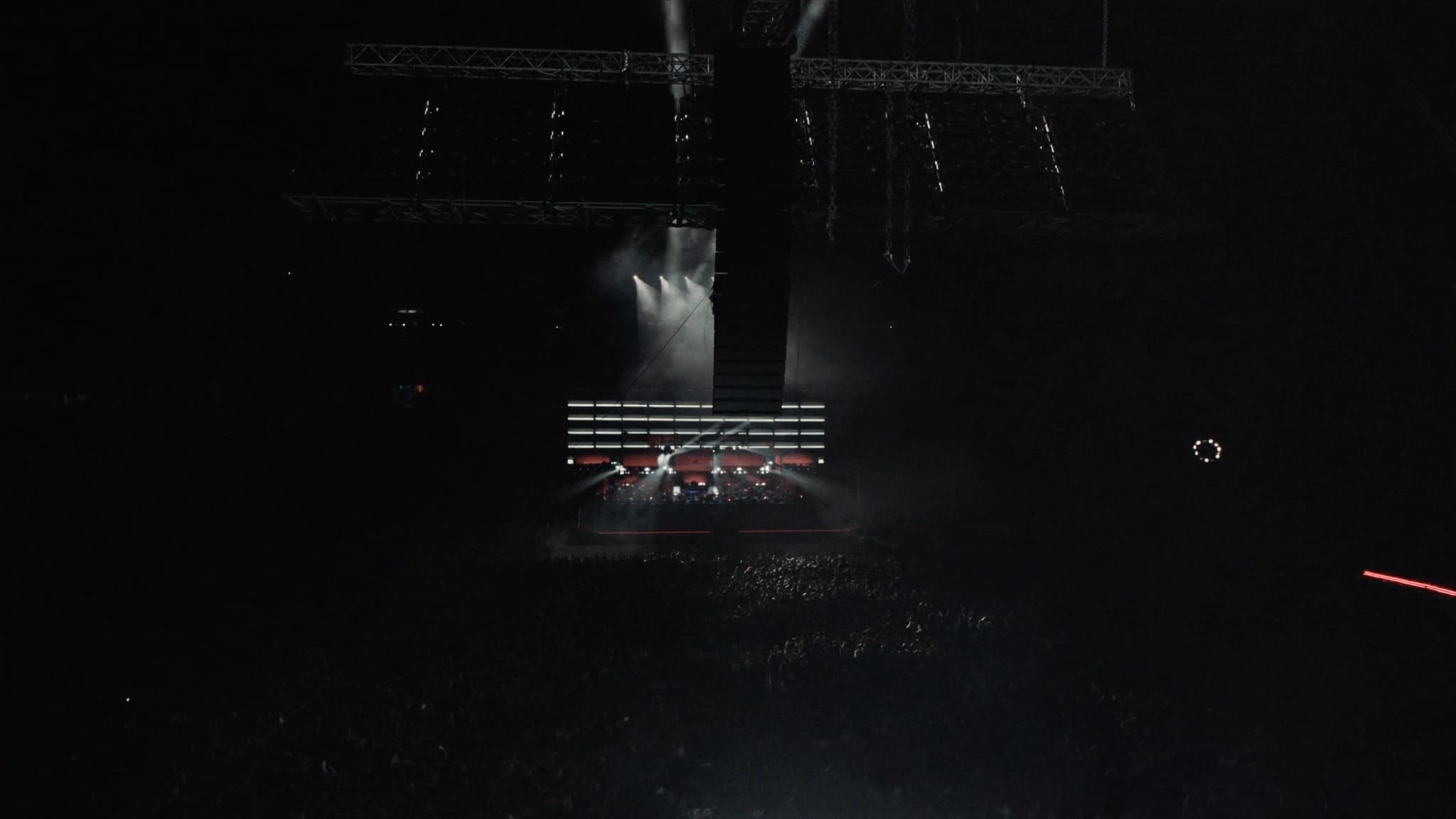
Een PA-systeem correct dimensioneren is het verschil tussen een show die een publiek in beweging brengt en een die hen vermoeit. Bij SSOUNDS ontwerpen we professionele luidsprekers voor locaties in Afrika, Europa en het Midden-Oosten, en we weten dat correcte dimensionering een combinatie is van wetenschap, ervaring en realistische verwachtingen. Deze gids leidt u door een praktische, stapsgewijze methode om de juiste PA-grootte voor elke locatie te bepalen, of het nu gaat om een club met 200 personen, een theater met 2.000 zitplaatsen of een buitenfestival voor 20.000 mensen. We behandelen publiekscapaciteit, ruimteakoestiek, SPL-doelen en hoe u box- en subwooferaantallen berekent met voldoende headroom.
Belangrijkste punten
- Begin met publiekscapaciteit en locatietype (binnen/buiten) om dekkingsgebied en SPL-vereisten te schatten.
- Stel SPL-doelen in op basis van het type evenement (spraak, livemuziek, EDM) en voeg altijd 10–20 dB headroom toe.
- Gebruik line arrays voor grote of diepe locaties; point-source voor kleinere, bredere ruimtes.
- Bereken het aantal boxen met worpafstand en dekkingshoeken; het aantal subs met conusoppervlak en basbehoefte.
- Houd rekening met headroom door versterkervermogen 2–4x te overdimensioneren en het systeem op 70–80% capaciteit te laten draaien.
- Modelleer altijd met voorspellingssoftware en tune op locatie met meetinstrumenten voor optimale resultaten.
1. Begrijp de locatie en publiekscapaciteit
De eerste variabele is het aantal mensen dat u moet bereiken. Een algemene regel: bij elke verdubbeling van de publieksafstand daalt de SPL met 6 dB (omgekeerde kwadratenwet). Dus een PA die werkt voor 100 mensen dichtbij zal falen voor 500 mensen die verspreid staan. Begin met het schatten van het publieksoppervlak: voor staande evenementen rekent u 0,5–1 m² per persoon; voor zittende evenementen 1–1,5 m². Vermenigvuldig dit met het verwachte aantal personen om de dekkingszone te krijgen.
Binnen versus buiten maakt uit. Binnen zorgen muren en plafond voor reflecties die 3–6 dB aan ervaren luidheid kunnen toevoegen, maar ze creëren ook nagalm die de verstaanbaarheid vermindert. Buiten zijn er geen reflecties, dus hebt u meer directe SPL nodig. Voor buitenlocaties voegt u 6–10 dB toe aan uw SPL-doel in vergelijking met een binnenruimte van vergelijkbare grootte.
Houd ook rekening met de vorm van de ruimte. Lange, smalle ruimtes vereisen line arrays of meerdere delay-luidsprekers om gelijkmatige dekking te behouden. Brede, ondiepe ruimtes kunnen worden bediend met een enkele point-source cluster. Bij SSOUNDS modelleren we elke locatie met EASE of vergelijkbare software om de dekking te voorspellen voordat we ook maar één box inzetten.
2. Stel uw SPL-doelen in
SPL (sound pressure level) wordt gemeten in dB SPL. Het doel hangt af van het type evenement. Voor spraak streeft u naar 75–85 dB SPL achter in de zaal met 10 dB headroom (dus een systeem dat 95 dB continu aankan). Voor livemuziek richt u op 95–105 dB SPL gemiddeld met 15–20 dB headroom (systeempieken op 120–125 dB). Voor EDM- of rockconcerten is 105–110 dB gemiddeld met 20 dB headroom gebruikelijk, wat betekent dat het systeem pieken van 125–130 dB haalt.
Headroom is cruciaal. Een systeem dat op 0 dB headroom draait, vervormt en comprimeert, en klinkt hard. Professionele systemen zoals SSOUNDS line arrays zijn ontworpen om te werken met 6–20 dB headroom voor een schoon, dynamisch geluid. Dimensioner altijd voor ten minste 10 dB headroom boven uw gemiddelde doel.
Om de vereiste SPL bij de bron te berekenen: meet de afstand van de PA tot de verste luisteraar. Voeg 6 dB toe voor elke verdubbeling van de afstand voorbij 1 meter. Als u bijvoorbeeld 100 dB op 32 meter nodig hebt, is dat 100 + (5 verdubbelingen × 6 dB) = 130 dB op 1 meter. Uw PA moet die piek-SPL leveren.
3. Kies de juiste luidsprekerconfiguratie
Voor kleine locaties (tot 300 personen) volstaat vaak een paar hoogwaardige point-source luidsprekers op statieven met een of twee subwoofers. Voor middelgrote locaties (300–1.500) overweegt u een kleine line array van 4–8 boxen per kant, of een krachtige point-source cluster. Voor grote locaties (1.500–5.000+) hebt u een gevlogen line array van 8–16 boxen per kant nodig, plus gevlogen of op de grond gestapelde subs.
Line arrays hebben de voorkeur voor grote ruimtes omdat ze gecontroleerde verticale dispersie bieden, waardoor energie die anders naar het plafond en de vloer gaat, wordt beperkt. SSOUNDS line arrays gebruiken eigen golfgeleiders om coherente golffronten en consistente dekking van voor naar achter te garanderen. Voor een typische indoorlocatie met 1.000 personen is een systeem van 6 SSOUNDS line array-elementen per kant en 4 subwoofers een gebruikelijk uitgangspunt.
Het aantal subwoofers hangt af van de basbehoefte. Een vuistregel: voor elke 2–3 full-range boxen voegt u één subwoofer toe voor matige bas. Voor hiphop of EDM kan de verhouding 1:1 zijn. Subwoofers worden vaak in cardioïde arrays geplaatst om energie naar achteren te verminderen en de helderheid op het podium te verbeteren.
4. Bereken box- en subwooferaantallen
Begin met de vereiste SPL op 1 meter uit stap 2. Vergelijk dat met de maximale piek-SPL van een enkele luidspreker. Als een SSOUNDS line array-element bijvoorbeeld 140 dB piek levert, en u hebt 130 dB op 1 meter nodig, dan zou één box per kant kunnen volstaan, maar dekking en headroom vragen om meer. Meestal hebt u genoeg boxen nodig om gelijkmatige dekking over de breedte en diepte van het publiek te bereiken.
Een praktische formule: aantal boxen per kant = (afstand tot verste luisteraar in meters) / (verticale dekkingshoek van box × 0,5). Voor een box met 10° verticale dekking en 40 m worp hebt u 40 / (10 × 0,5) = 8 boxen nodig. Dit zorgt voor overlappende dekking zonder gaten.
Voor subwoofers berekent u het totale benodigde conusoppervlak. Een enkele 18-inch subwoofer kan ongeveer 135 dB piek produceren. Om 125 dB op de luisterpositie te bereiken met 10 dB headroom, hebt u 135 dB bij de bron nodig (uitgaande van 10 m afstand). Dat is één sub per kant. Voor grotere ruimtes verdubbelt u het aantal voor elke 6 dB extra die nodig is. Voeg altijd 20–30% meer subs toe voor buitenevenementen.
5. Houd rekening met headroom en systeembeperking
Headroom is geen luxe, het is een noodzaak. Een systeem dat op zijn limiet werkt, clipt, beschadigt drivers en klinkt verschrikkelijk. SSOUNDS versterkers en DSP bevatten limiters die het systeem beschermen, maar u moet nog steeds dimensioneren zodat het systeem tijdens de luidste momenten op 70–80% van zijn maximale capaciteit draait.
Om headroom te garanderen, vermenigvuldigt u uw vereiste SPL met een factor 2–4 in termen van versterkervermogen. Als u bijvoorbeeld 1.000 watt per box nodig hebt, kies dan een versterker die 2.000–4.000 watt levert. Dit compenseert ook power compression wanneer drivers opwarmen.
Vergeet kabelverliezen en spanningsval over lange afstanden niet. Gebruik dikkere kabels en overweeg gedistribueerde versterking voor grote locaties. SSOUNDS raadt aan onze eigen versterkers met ingebouwde DSP te gebruiken om prestaties te optimaliseren en het systeem te beschermen.
6. Gebruik voorspellingssoftware en tuning op locatie
Geen enkele berekening vervangt modellering in de echte wereld. SSOUNDS-engineers gebruiken EASE Focus en eigen tools om dekking, SPL-verdeling en frequentierespons te simuleren voordat er ook maar één box wordt gehangen. Dit bespaart tijd en zorgt ervoor dat het systeem aan de opdracht voldoet.
Gebruik na installatie een meetmicrofoon en software zoals SMAART of SysTune om dekking en EQ te verifiëren. Pas delaytijden, niveaus en EQ aan om ruimteakoestiek te compenseren. Zelfs het best gedimensioneerde systeem heeft tuning nodig om optimaal te klinken.
Onthoud: een PA die te klein is, vervormt en faalt; een die te groot is, is zwaar, duur en kan hard klinken als hij niet goed wordt getuned. Het doel is de Goldilocks-zone: voldoende SPL met schone headroom.
7. Praktische voorbeelden voor veelvoorkomende locaties
Kleine club (200 personen, 15 m diep): Twee SSOUNDS point-source tops (elk 135 dB piek) op statieven, twee 18-inch subs. Totale SPL achterin: ~105 dB met 10 dB headroom.
Middelgroot theater (800 zitplaatsen, 25 m diep): Zes SSOUNDS line array-elementen per kant, vier subs op de grond gestapeld. Systeempiek ~140 dB bij de bron, levert 115 dB achterin met 15 dB headroom.
Groot buitenfestival (10.000 personen, 80 m diep): Zestien SSOUNDS line array-elementen per kant, 12–16 subs in cardioïde arrays. Systeempiek 145 dB bij de bron, 115 dB op 80 m met 20 dB headroom. Delaytorens kunnen nodig zijn voor de achterste helft.
Deze voorbeelden zijn uitgangspunten. Raadpleeg altijd een professionele systeemontwerper of neem contact op met SSOUNDS voor een gedetailleerd voorstel op maat voor uw locatie.
Veelgestelde vragen
Hoe weet ik of mijn PA te klein is?
Tekenen zijn onder meer hoorbare vervorming bij gematigde niveaus, het systeem dat regelmatig tegen de limiters aanloopt, ongelijkmatige dekking (stille plekken) en het geluid dat hard of gecomprimeerd wordt. Als u het systeem voor normaal gebruik steeds op zijn maximum moet pushen, is het te klein.
Kan ik dezelfde PA binnen en buiten gebruiken?
Ja, maar buiten hebt u meer SPL nodig vanwege het ontbreken van reflecties. Een systeem dat is gedimensioneerd voor een indoorclub met 500 personen dekt buiten mogelijk slechts 200–300 mensen. Voeg altijd 6–10 dB headroom toe voor buiten gebruik, en houd rekening met wind en omgevingsgeluid.
Wat is het verschil tussen een line array en een point-source voor dimensionering?
Line arrays koppelen akoestisch om SPL te verhogen en verticale dispersie te beheersen, waardoor ze efficiënter zijn voor lange worpen. Point-source boxen zijn eenvoudiger maar verliezen sneller SPL met afstand. Voor locaties dieper dan 20 m hebben line arrays meestal de voorkeur.
Hoeveel subwoofers heb ik nodig voor een rockconcert?
Voor rock streeft u naar een verhouding van 2:1 full-range boxen ten opzichte van subs. Voor een line array van 12 boxen per kant gebruikt u 6–8 subs. Voor EDM of hiphop gaat u naar 1:1. Subwooferplaatsing (cardioïde, end-fire) beïnvloedt ook de ervaren output.
Heb ik delay-luidsprekers nodig voor een lange locatie?
Als de locatie dieper is dan 30–40 m, worden delay-luidsprekers aanbevolen om verstaanbaarheid en SPL achterin te behouden. Ze moeten tijdsgecorrigeerd worden ten opzichte van de hoofd-PA. SSOUNDS kan helpen bij het ontwerpen van delaysystemen voor grote locaties.
Een systeem bouwen of upgraden?
SSOUNDS ontwerpt en produceert professionele PA wereldwijd, van een enkele ruimte tot stadionformaat.