Hebben inbouwplafondluidsprekers een backbox nodig?
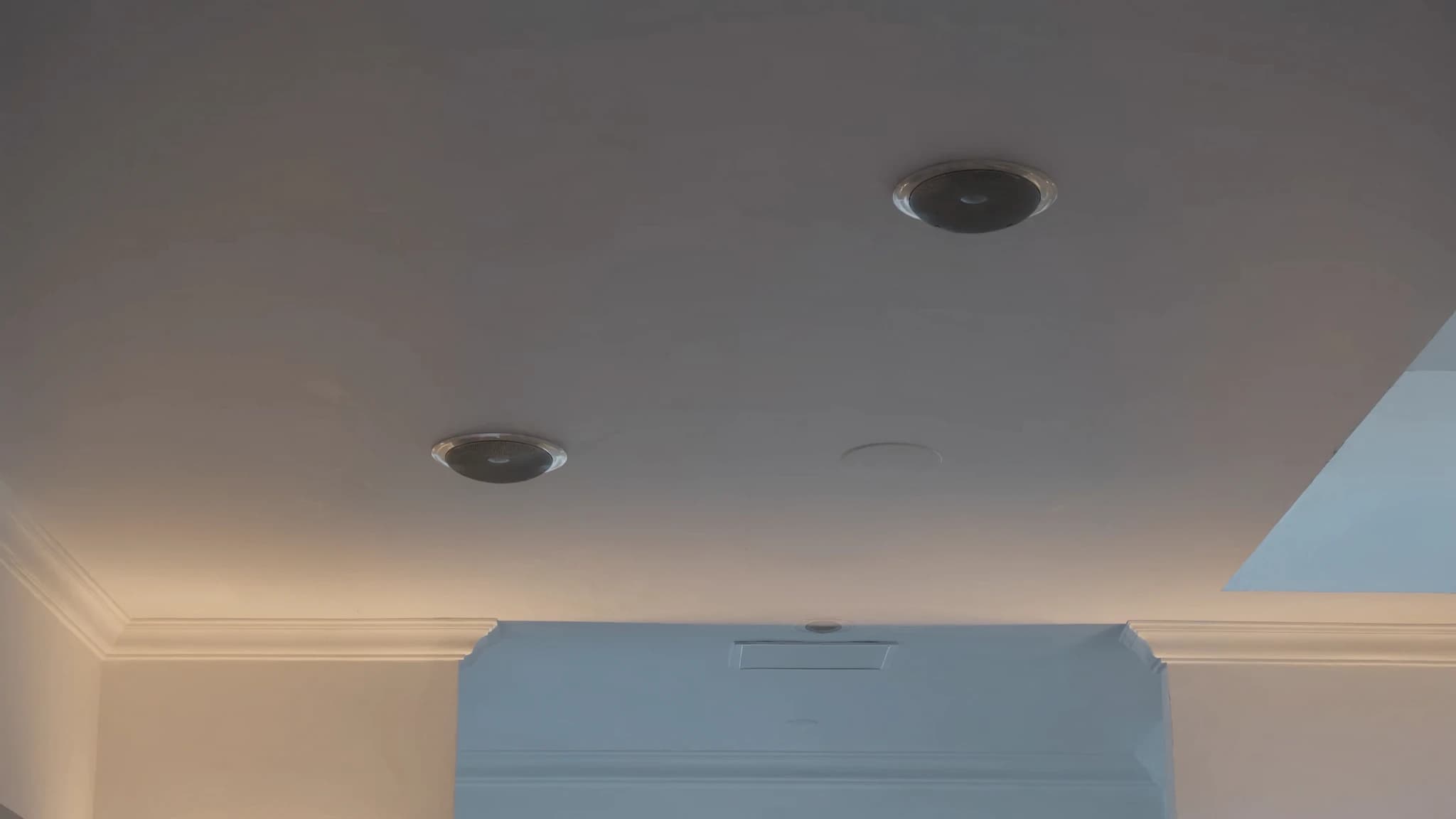
Bij het plannen van een inbouwplafondluidsprekerinstallatie is een van de meest voorkomende vragen of een backbox noodzakelijk is. Het antwoord hangt af van uw prioriteiten: geluidskwaliteit, basprestaties, brandveiligheid en akoestische isolatie tussen kamers. Deze gids legt uit wat een backbox doet, wanneer deze door voorschriften vereist is en hoe deze uw luisterervaring beïnvloedt.
Belangrijkste punten
- Een backbox verbetert de geluidskwaliteit door de achterwaartse golf te isoleren en fase-uitdoving te voorkomen.
- Basprestaties zijn strakker en nauwkeuriger met een goed gedimensioneerde afgesloten behuizing.
- Brandwerende backboxen zijn vaak vereist door voorschriften in gebouwen met meerdere verdiepingen en commerciële ruimtes.
- Akoestische isolatie voorkomt dat geluid naar aangrenzende kamers reist, wat de privacy ten goede komt.
- Zelfs als het niet verplicht is, wordt een backbox aanbevolen voor alle inbouwplafondinstallaties om consistente prestaties en garantiecompliance te garanderen.
- Een correcte installatie met akoestische kit en stevige montage maximaliseert de voordelen.
Wat is een backbox en wat doet deze?
Een backbox is een behuizing die achter een inbouwplafondluidspreker wordt gemonteerd en een afgesloten luchtvolume achter de driver creëert. Het primaire doel is te voorkomen dat geluid in de plafondholte uitstraalt, wat kan leiden tot modderige bas, interferentie met aangrenzende kamers en verminderde algehele helderheid. Zonder backbox werkt de luidspreker in feite in een oneindige baffle, waarbij de grote plafondholte als behuizing dient, maar dit leidt vaak tot inconsistente laagfrequentierespons en slechte transiëntcontrole.
Backboxen bieden ook structurele ondersteuning, beschermen de luidspreker tegen vuil en stof en kunnen brandwerende materialen bevatten om te voldoen aan bouwvoorschriften. In professionele installaties worden ze als essentieel beschouwd voor het bereiken van voorspelbaar, hoogwaardig geluid.
Geluidskwaliteit: waarom een backbox belangrijk is
Het meest directe voordeel van een backbox is een betere geluidskwaliteit. Inbouwplafondluidsprekers zonder backbox lijden aan ongecontroleerde achterwaartse golfstraling. De geluidsgolven van de achterkant van de driver reizen de plafondholte in, reflecteren tegen balken en isolatie en komen weer in de kamer via het plafondmateriaal, wat fase-uitdoving, kamfiltering en verlies van basdefinitie veroorzaakt. Dit is vooral merkbaar bij muziek met sterke laagfrequente inhoud, zoals kickdrums of baslijnen.
Een goed ontworpen backbox isoleert de achterwaartse golf, waardoor de luidspreker strakkere, nauwkeurigere bas kan produceren. Het afgesloten volume fungeert als een akoestisch ophangingssysteem, dempt de beweging van de driver en verlengt de laagfrequentierespons. Voor kritisch luisteren of home theater is een backbox niet onderhandelbaar. SSOUNDS-engineers ontwerpen hun inbouwplafondsystemen met geïntegreerde backboxen om consistente prestaties in alle installaties te garanderen.
Basprestaties: de rol van het behuizingsvolume
De weergave van bas is sterk afhankelijk van de behuizing achter de luidspreker. Zonder backbox is het effectieve volume de hele plafondholte, wat onvoorspelbaar is en vaak te groot, wat leidt tot een losse, boemerige bas. Een backbox biedt een gecontroleerd, afgesloten volume dat is afgestemd op de parameters van de driver. Dit levert een lagere resonantiefrequentie (Fb), hoger vermogen en grotere efficiëntie in het laag op.
Een typische 8-inch inbouwplafondluidspreker heeft bijvoorbeeld een afgesloten behuizing van 1-2 kubieke voet nodig voor optimale bas. Een backbox zorgt ervoor dat dit volume consistent is, ongeacht de plafondconstructie. Bij multiroom-installaties voorkomen backboxen ook dat bas naar aangrenzende ruimtes weglekt, waardoor het beoogde geluidsveld behouden blijft.
Brandwerendheid en bouwvoorschriften
In veel rechtsgebieden vereisen bouwvoorschriften dat inbouwplafondluidsprekers in brandwerende plafonds (bijv. tussen verdiepingen in gebouwen met meerdere verdiepingen) een brandwerende backbox hebben. Dit komt omdat een standaard luidsprekeruitsparing een gat in de brandwerende barrière creëert, waardoor vlammen en rook zich kunnen verspreiden. Brandwerende backboxen zijn vervaardigd met intumescent materialen die uitzetten bij blootstelling aan hitte, de opening afdichten en de brandintegriteit van het plafond behouden.
Zelfs als het niet strikt vereist is door lokale voorschriften, is het gebruik van een brandwerende backbox een beste praktijk voor veiligheid en aansprakelijkheid. Het biedt ook gemoedsrust bij commerciële installaties, hotels of meergezinswoningen. Controleer altijd bij uw lokale bouwautoriteit, maar bij twijfel: installeer een backbox.
Akoestische isolatie: geluidsoverdracht tussen kamers voorkomen
Een van de meest over het hoofd geziene voordelen van een backbox is akoestische isolatie. Zonder backbox reist geluid van de luidspreker de plafondholte in en is het gemakkelijk hoorbaar in de kamer erboven of aangrenzende ruimtes. Dit is een groot probleem in kantoren, hotels en residentiële installaties waar privacy belangrijk is. Een backbox, gecombineerd met akoestische kit en isolatie, vermindert geluidsoverdracht drastisch.
Voor maximale isolatie kiest u een backbox van dicht materiaal (bijv. MDF of zwaar staal) met pakkingen voor luchtdichte afdichting. SSOUNDS-backboxen zijn ontworpen met akoestische dempingslagen om resonantie en lekken te minimaliseren. Overweeg bij kritische toepassingen om massa-beladen vinyl of extra isolatie rond de backbox toe te voegen.
Wanneer is een backbox niet vereist?
Er zijn scenario's waarin een backbox optioneel kan zijn. Bijvoorbeeld in open plafondontwerpen waar de plafondholte deel uitmaakt van de luisterruimte (bijv. een magazijn of een loft met zichtbare balken), is een backbox mogelijk niet nodig. Evenzo, als de luidspreker alleen voor achtergrondmuziek of omroep wordt gebruikt en basprestaties niet kritisch zijn, kunt u deze overslaan. Maar zelfs in deze gevallen verbetert een backbox de helderheid en vermindert overspraak.
Een andere uitzondering is bij gebruik van luidsprekers die zijn ontworpen voor oneindige baffle-werking, maar deze zijn zeldzaam in de inbouwplafondcategorie. De meeste gerenommeerde fabrikanten, waaronder SSOUNDS, bevelen backboxen aan voor alle installaties om garantiecompliance en optimale prestaties te garanderen.
Installatietips en beste praktijken
Zorg bij het installeren van een backbox dat deze stevig aan de plafondconstructie (balken of blokken) is bevestigd om trillingen te voorkomen. Gebruik akoestische kit rond alle doorvoeren en op het grensvlak tussen de backbox en het plafondmateriaal. Gebruik voor brandwerende installaties alleen UL-gecertificeerde of gelijkwaardige backboxen. Voer luidsprekerdraad door een gat met rubberen ring om de afdichting te behouden.
Als de plafondholte ondiep is, zoek dan naar low-profile backboxen die in krappe ruimtes passen. SSOUNDS biedt een reeks backboxen die zijn geoptimaliseerd voor verschillende plafonddieptes en luidsprekermaten. Stem het volume van de backbox altijd af op het aanbevolen behuizingsvolume van de luidspreker; een te kleine box kan de basrespons verslechteren.
Veelgestelde vragen
Kan ik inbouwplafondluidsprekers zonder backbox installeren als ik niet om bas geef?
Ja, maar u zult nog steeds een verminderde helderheid en mogelijke geluidsdoorslag naar andere kamers ervaren. Voor achtergrondmuziek kan het acceptabel zijn, maar voor elke kritische luisterervaring of home theater wordt een backbox sterk aanbevolen.
Worden alle inbouwplafondluidsprekers met een backbox geleverd?
Nee, veel consumentenluidsprekers worden zonder backbox verkocht. Professionele luidsprekers, zoals die van SSOUNDS, bevatten vaak een backbox of bieden een optionele backbox die is ontworpen voor optimale prestaties.
Wat is het verschil tussen een brandwerende en een niet-brandwerende backbox?
Een brandwerende backbox is gemaakt van intumescent materialen die bij brand uitzetten om de opening af te dichten en de brandbarrière van het plafond te behouden. Niet-brandwerende boxen bieden deze bescherming niet en mogen niet worden gebruikt in brandwerende plafonds.
Kan ik een backbox met elke inbouwplafondluidspreker gebruiken?
De meeste backboxen zijn ontworpen voor standaard luidspreker-uitsparingsmaten (bijv. 6,5 inch, 8 inch). U moet echter controleren of het volume van de backbox overeenkomt met de vereisten van de luidspreker. Een verkeerd formaat box kan de geluidskwaliteit beïnvloeden.
Beïnvloedt een backbox de gevoeligheid of het vermogen van de luidspreker?
Ja, een gesloten backbox verhoogt doorgaans het vermogen en vermindert vervorming bij hoge volumes. De gevoeligheid kan iets afnemen, maar daar staat een betere laagfrequentiecontrole en algehele geluidskwaliteit tegenover.
Een systeem bouwen of upgraden?
SSOUNDS ontwerpt en produceert professionele PA wereldwijd, van een enkele ruimte tot stadionformaat.