Gids voor geluidsproductie bij gospelconcerten
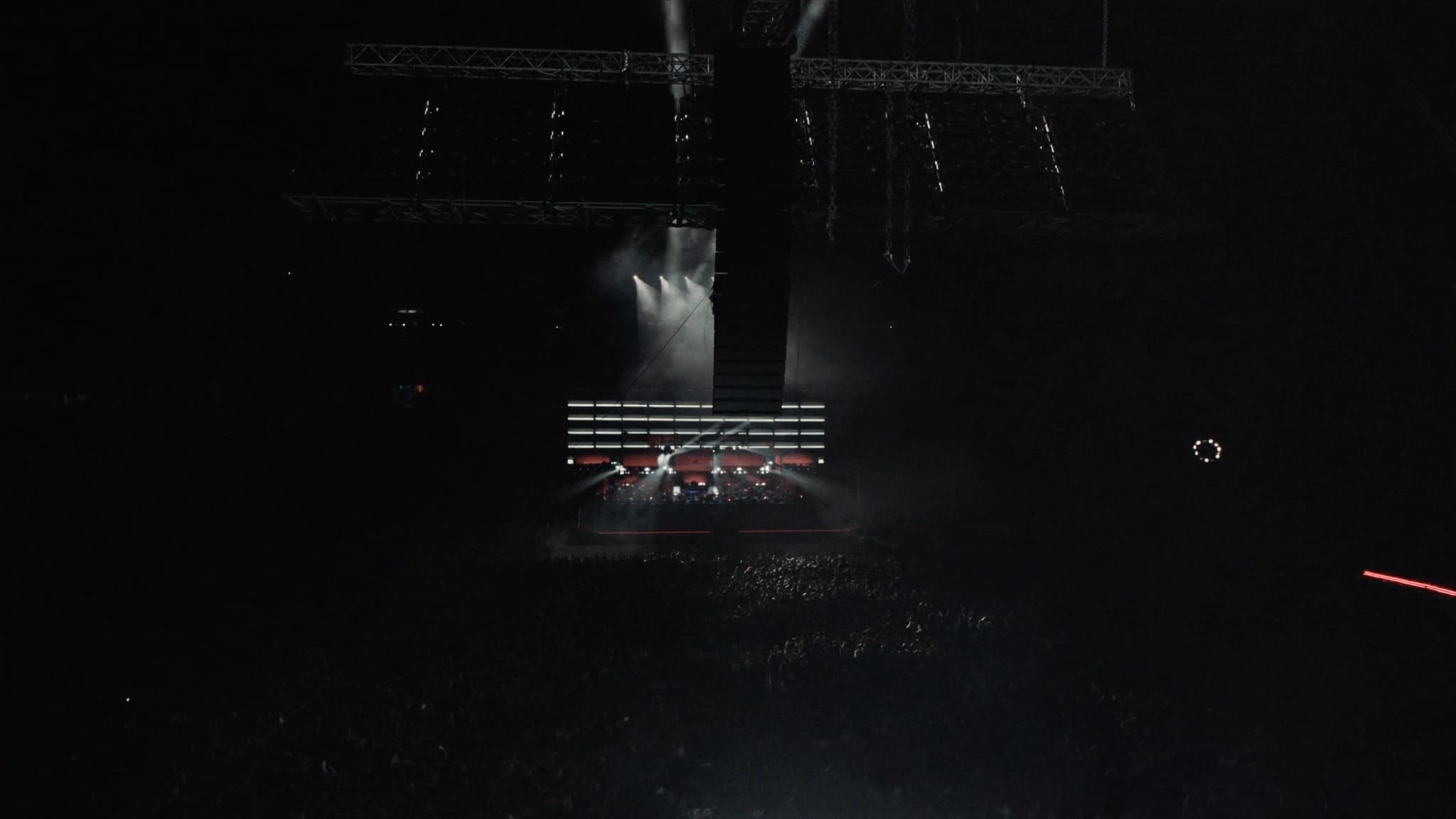
Gospelconcerten zijn unieke live geluidsgebeurtenissen. Anders dan een typische rockshow vragen ze om een delicate balans tussen krachtige, energieke versterking en kristalheldere vocale duidelijkheid voor zowel het koor als de gemeente. Het doel is niet alleen om geluid te versterken, maar om een spirituele sfeer te creëren waarin elk woord van de boodschap verstaanbaar is, elke harmonie helder is en de laagfrequente energie de ruimte in beweging brengt. Voor grote gospel-evenementen in heel Afrika, van Lagos tot Nairobi, worden de uitdagingen vergroot: openluchtlocaties, grote koren en hoge omgevingsgeluiden. Deze gids van SSOUNDS, een wereldklasse PA-fabrikant, behandelt de essentiële productieprincipes om een vlekkeloze gospelconcertervaring te leveren.
Belangrijkste punten
- Gospelgeluid vereist een systeem met hoge headroom, vocale helderheid en gecontroleerde laagfrequentie om dynamische erediensten aan te kunnen.
- Line arrays met goede dekking en delay fills zorgen ervoor dat elk gemeentelid duidelijk hoort, zelfs in grote locaties.
- Koormixen profiteren van stereosubgroepen, zorgvuldige microfoonplaatsing en smaakvolle reverb om een meeslepend klankbeeld te creëren.
- Feedbackbeheer door microfoonselectie, monitorpositionering en systeemprocessing is cruciaal voor gospel-evenementen met hoge gain.
- Investeer in stroomconditionering en weerbestendige apparatuur voor betrouwbare prestaties in Afrikaanse buitenomgevingen.
Het gospelklanklandschap begrijpen
Gospelmuziek is dynamisch. Het varieert van intieme, stille gebedsmomenten tot explosieve, energieke lofprijzingsrefreinen. Het geluidssysteem moet dit brede dynamische bereik aankunnen zonder vervorming of verlies van detail. De belangrijkste elementen zijn: vocale verstaanbaarheid (de predikant en leadvocalisten moeten kristalhelder zijn), koorgeluid (een breed, samenhangend klankbeeld dat het koor meeslepend maakt) en laagfrequente basis (kickdrum en bas die energie leveren zonder modderigheid).
Bij veel Afrikaanse gospel-evenementen is de gemeente een actieve deelnemer: ze zingt mee, klapt en danst. De PA moet daarom het hele publieksgebied gelijkmatig dekken, met voldoende headroom om boven het geluid van de menigte uit te komen. Dit is waar professionele line arraysystemen, zoals die van SSOUNDS, uitblinken. Hun gecontroleerde richtkarakteristiek zorgt ervoor dat geluid precies wordt geprojecteerd waar het nodig is, waardoor overspraak op het podium wordt verminderd en feedback wordt geminimaliseerd.
Systeemontwerp: dekking en SPL
Vergeet front fills en delays niet. Voor zeer brede of diepe locaties zorgen delay towers ervoor dat het geluid op hetzelfde moment van alle luidsprekers aankomt, wat de verstaanbaarheid behoudt. Front fills dekken het gebied direct voor het podium, waar de hoofdarrays mogelijk niet reiken. SSOUNDS point-source luidsprekers zijn ideaal voor deze rollen en bieden een consistente toonbalans met het hoofdsysteem.
Mixen voor gospel: vocalen en koor
De leadvocalist is het middelpunt. Gebruik een hoogwaardige dynamische of condensatormicrofoon met een strak opnamepatroon om overloop van het koor en de band te minimaliseren. EQ moet mild zijn: snijd lage frequenties onder 80 Hz af om rommel te verminderen en voeg een lichte presence-boost rond 3-5 kHz toe voor helderheid. Compressie is essentieel om dynamiek te beheersen, maar vermijd overcompressie; gospelvocalen moeten kunnen ademen.
Het koor is een unieke uitdaging. Met 20 tot 100+ microfoons zijn fasecoherentie en gain staging cruciaal. Gebruik een mix van overhead condensatormicrofoons en individuele cardioïde dynamische microfoons. Groepeer het koor in secties (sopraan, alt, tenor, bas) en bus ze naar stereosubgroepen. Pan deze subgroepen licht naar links en rechts voor een breed, natuurlijk klankbeeld. Reverb is je vriend: een hall- of plate-reverb met een decaytijd van 1,5-2,5 seconden voegt een gevoel van ruimte en grandeur toe. Houd het reverbreturn echter laag genoeg zodat het de mix niet modderig maakt.
Feedback beheersen in omgevingen met hoge gain
Gospel-evenementen hebben vaak een hoog podiumvolume door monitoren en het geluid van het koor zelf. Feedback is een constante dreiging. Begin met zorgvuldige positionering van microfoons; richt ze niet direct op monitorwedges of de hoofd-PA. Gebruik cardioïde of hypercardioïde microfoons voor betere onderdrukking. Grafische equalizers op monitormixen kunnen probleemfrequenties wegfilteren, maar gebruik ze spaarzaam om het geluid niet te veranderen.
Moderne digitale mengconsoles bieden functies zoals feedbackonderdrukking en automatische microfoonmixing voor het koor. SSOUNDS raadt het gebruik van een systeem met FIR-processing aan om de fase-respons van alle luidsprekers uit te lijnen, waardoor kamfiltering wordt verminderd en de gain-before-feedback wordt verbeterd. Onze DSP-versterkers bevatten geavanceerde filtering die helpt de stabiliteit te behouden, zelfs bij hoge SPL.
De rol van monitoring: band en koor verbonden houden
In-ear monitors (IEM's) worden standaard voor gospelbands omdat ze het podiumvolume verlagen en een schonere mix bieden. Veel koren geven echter nog steeds de voorkeur aan wedgemonitors voor het gevoel van 'geluid in de ruimte'. Als u wedges gebruikt, zorg dan dat ze zo zijn geplaatst dat feedback wordt vermeden en dat ze zijn afgestemd op helderheid in plaats van volume. Een aparte monitormix voor de koordirigent is essentieel; die moet alle secties duidelijk horen om effectief te kunnen leiden.
Overweeg voor grote evenementen een toegewijde monitoringenieur. De band, het koor en de predikant kunnen allemaal verschillende mixvereisten hebben. SSOUNDS podiummonitors zijn ontworpen voor hoge output met een gelijkmatige dekking, zodat elke artiest zichzelf en de rest van het ensemble duidelijk hoort.
Praktische overwegingen voor Afrikaanse evenementen
Stroomstabiliteit is een veelvoorkomend probleem. Investeer in spanningsregelaars en UPS-systemen om uw apparatuur te beschermen. Generatoren moeten worden gedimensioneerd om de volledige systeembelasting met headroom aan te kunnen. Houd ook rekening met het klimaat: hitte en vochtigheid kunnen de prestaties van luidsprekers beïnvloeden. SSOUNDS-systemen zijn gebouwd met robuuste componenten en weerbestendige opties voor buitenevenementen.
Transport- en opstellogistiek zijn belangrijk. Modulaire, lichtgewicht kasten verminderen vrachtruimte en riggingtijd. SSOUNDS rigginghardware is ontworpen voor snelle inzet, zodat uw crew zich kan richten op geluidskwaliteit in plaats van mechanische uitdagingen. Zorg ten slotte altijd voor reservekabels, microfoons en een reserveconsole; gospel-evenementen kunnen zich geen stilstand veroorloven.
Veelgestelde vragen
Wat is de ideale luidsprekerconfiguratie voor een gospelconcert in een stadion?
Een typische opstelling omvat links en rechts opgehangen line arrays (bijvoorbeeld SSOUNDS large-format arrays) voor de hoofddekking, ground-stacked of opgehangen subwoofers in een cardioïde patroon, front fills voor het gebied voor het podium, en delay towers voor diepe zitplaatsen. Het exacte aantal kasten hangt af van de grootte van de locatie en het vereiste SPL.
Hoeveel microfoons heb ik nodig voor een koor van 50 personen?
Voor een koor van 50 personen gebruikt u 8-12 microfoons: een mix van overhead condensatormicrofoons (4-6) gelijkmatig verdeeld over het koor, en individuele cardioïde dynamische microfoons (4-6) voor solisten of sectieleiders. Dit biedt goede dekking zonder overmatige faseproblemen.
Hoe voorkom ik feedback wanneer de predikant een draadloze handheld-microfoon gebruikt?
Gebruik een cardioïde of supercardioïde microfoon, houd de microfoon dicht bij de mond en vermijd dat deze op monitoren of hoofdluidsprekers is gericht. Pas een smalle notch-filter toe op de feedbackfrequentie in de monitor-EQ. Zorg er ook voor dat de hoofd-PA het podiumgebied niet overmatig bedekt.
Welk type subwooferarray is het beste voor gospelmuziek?
Een cardioïde subwooferarray (bijvoorbeeld met SSOUNDS subwoofers met DSP-presets) richt de laagfrequente energie naar voren en vermindert deze achter de array. Dit houdt het podium schoon en zorgt voor een punchy, gelijkmatige bas in het hele publieksgebied. Voor zeer grote evenementen werkt een combinatie van opgehangen en ground-stacked subs goed.
Moet ik in-ear monitors gebruiken voor het koor?
IEM's kunnen het podiumvolume en feedback verminderen, maar veel koren geven de voorkeur aan wedges voor het natuurlijke gevoel. Een hybride aanpak werkt: geef IEM's aan de band en belangrijke vocalisten, en gebruik wedges voor het koor met zorgvuldige EQ en positionering. Zorg altijd voor een aparte monitormix voor de koordirigent.
Een systeem bouwen of upgraden?
SSOUNDS ontwerpt en produceert professionele PA wereldwijd, van een enkele ruimte tot stadionformaat.