Home Cinema Systemen: De Complete Gids
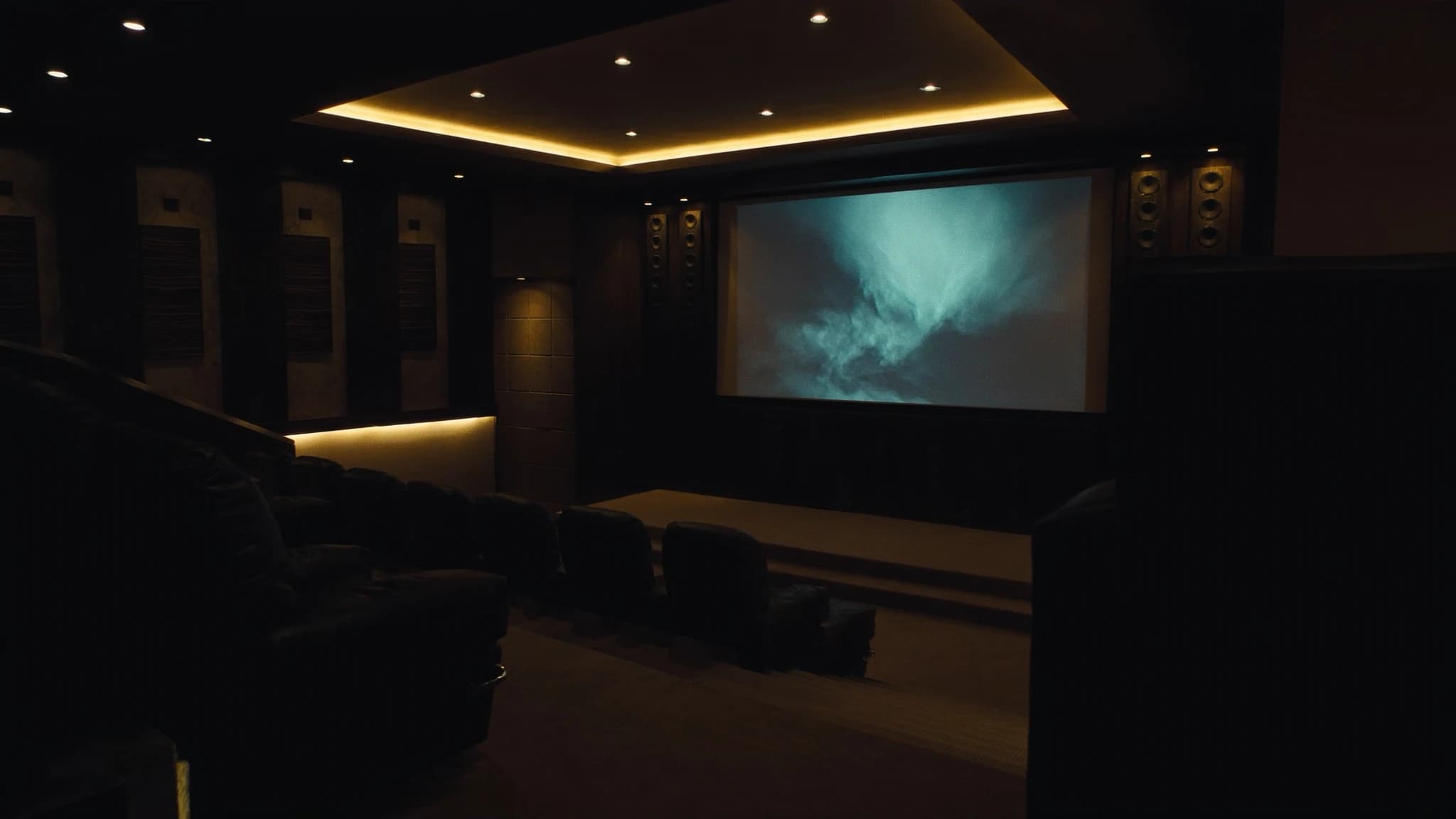
Een geweldige home cinema is niet zomaar een verzameling dure dozen. Het is een zorgvuldig ontworpen systeem waarin elke luidspreker, versterker en akoestische behandeling samenwerkt om de bedoeling van de regisseur weer te geven. Deze gids leidt je door de kernbeslissingen, van lay-out en luidsprekerrollen tot kalibratie en kamerakoestiek, zodat je een systeem kunt bouwen dat echt presteert.
Belangrijkste punten
- Het middenkanaal is de meest kritische luidspreker voor dialooghelderheid; het moet qua timbre overeenkomen met de linker- en rechterluidsprekers.
- Dolby Atmos voegt hoogtekanalen toe voor een driedimensionaal geluidsveld; zelfs een 5.1.2-systeem kan zeer immersief zijn.
- Roomcorrectiesoftware in AV-receivers is een krachtige tool, maar werkt het beste in combinatie met fysieke akoestische behandeling.
- Meerdere subwoofers, asymmetrisch geplaatst, kunnen kamerresonanties egaliseren en zorgen voor consistentere bas op alle zitplaatsen.
- Kalibratie is niet optioneel: correcte niveaus, delays en EQ zijn essentieel voor een samenhangend, geloofwaardig geluidsbeeld.
Kanaalindelingen begrijpen: 5.1, 7.1 en Dolby Atmos
De cijfers in 5.1 en 7.1 verwijzen naar discrete kanalen: vijf of zeven hoofdluidsprekers plus één subwoofer (de .1). In een 5.1-indeling heb je links, midden, rechts, links surround en rechts surround. Een 7.1-indeling voegt twee rear surround-kanalen toe, waardoor een meer omhullend veld achter de luisteraar ontstaat. Beide zijn gebaseerd op het principe van discrete, full-range kanalen, hoewel surroundluidsprekers in de praktijk vaak bass-managed zijn.
Dolby Atmos en DTS:X hanteren een andere benadering. In plaats van kanalen gebruiken ze objectgebaseerde audio, waarbij geluiden in een driedimensionale ruimte worden geplaatst met metadata. Dit maakt overhead-luidsprekers (of up-firing modules) mogelijk om hoogte-effecten te creëren. Een typische Atmos-indeling is 5.1.2 (twee overheads) of 5.1.4 (vier overheads), en je kunt verder gaan met 7.1.4 of 9.1.6. Het belangrijkste is dat Atmos een verticale dimensie toevoegt, waardoor regen, vliegtuigen en omgevingsgeluiden echt boven je lijken te klinken.
De keuze van een indeling hangt af van de kameromvang, het budget en hoe ver je wilt gaan. Voor kleine tot middelgrote kamers presteert een goed uitgevoerd 5.1.2-systeem vaak beter dan een slecht geplaatst 7.1.4. Het doel is naadloze panning en een geloofwaardige geluidsbel, niet alleen meer luidsprekers.
Luidsprekerrollen: wat elk kanaal doet
Het middenkanaal is de belangrijkste luidspreker in elke home cinema. Het verankert dialoog en de meeste actie op het scherm aan het beeld, dus helderheid en tonale consistentie met de linker- en rechterluidsprekers zijn cruciaal. Een toegewijd middenkanaal met een horizontale array of een coaxiale opstelling helpt de dialoog aan het scherm gekoppeld te houden.
Linker- en rechterluidsprekers verzorgen muziek, effecten en de breedte van het geluidsbeeld. Ze moeten op oorhoogte worden geplaatst, licht naar de luisterpositie zijn gericht en een gelijkzijdige driehoek vormen met het middenkanaal. Zowel zuilen als hoogwaardige boekenplankluidsprekers op stands werken, maar ze moeten in staat zijn tot schone, dynamische weergave.
Surroundluidsprekers creëren immersie. In een 5.1- of 7.1-systeem worden ze meestal aan de zijkanten en iets achter de luisteraar geplaatst, op of net boven oorhoogte. Bipole- of dipole-ontwerpen kunnen het geluid diffuseren voor een meer omhullend effect, terwijl direct stralende luidsprekers een preciezere lokalisatie bieden. Voor Atmos moeten overhead- of hoogteluidsprekers boven het luistergebied worden geplaatst, hetzij in het plafond, hetzij als up-firing modules bovenop de voorluidsprekers.
Subwoofers verzorgen het low-frequency effects (LFE)-kanaal en basbeheer voor alle luidsprekers. Eén subwoofer kan goed werken in kleinere kamers, maar twee of vier subs die strategisch zijn geplaatst, kunnen kamerresonanties egaliseren en gelijkmatiger bas leveren op meerdere zitplaatsen. De subwoofer is niet alleen voor explosies; hij ondersteunt het hele fundament van de soundtrack.
AV-receivers en processors: het brein van het systeem
De AV-receiver (AVR) of preamp/processor is het controlecentrum. Hij decodeert het audioformaat, past roomcorrectie toe, beheert bas en versterkt het signaal naar je luidsprekers. Merken zoals Denon, Yamaha en Marantz zijn bekend in dit domein en bieden een reeks modellen van instapniveau tot high-end. Let bij de keuze op de functies die je echt nodig hebt: aantal kanalen, HDMI-versie, ondersteuning voor de nieuwste immersieve formaten en roomcorrectiesoftware.
Roomcorrectie is een van de krachtigste tools in een moderne AVR. Systemen zoals Audyssey, Dirac Live en Yamaha's YPAO meten de respons van je kamer en passen delays, niveaus en EQ aan om imperfecties te compenseren. Dit is vooral belangrijk voor bas, waar kamerresonanties boemerige of null-plekken kunnen creëren. Een goede kalibratie kan een middelmatige opstelling transformeren in een geweldige.
Voor de meest veeleisende installaties bieden een aparte preamp/processor en eindversterkers meer headroom, betere kanaalscheiding en upgrademogelijkheden. Dit is gebruikelijk in high-end home cinemas waar elk onderdeel wordt gekozen om zijn sonische zuiverheid. Of je nu kiest voor een geïntegreerde receiver of separates, zorg ervoor dat het versterkergedeelte voldoende schoon vermogen heeft voor je luidsprekers en kameromvang.
Subwoofers en basbeheer
Bas is het fundament van de impact van een home cinema, maar het is ook het moeilijkste om goed te krijgen. Een enkele subwoofer kan ongelijkmatig klinken door kamerresonanties, die pieken en dalen in de frequentierespons veroorzaakt door staande golven. Een tweede subwoofer, asymmetrisch geplaatst, kan sommige van die resonanties opheffen en zorgen voor consistentere bas op meerdere zitplaatsen.
Basbeheer is het proces waarbij lage frequenties van je hoofdluidsprekers naar de subwoofer worden omgeleid. Dit gebeurt meestal in de AVR, waar je een crossover-frequentie instelt (vaak 80 Hz) en luidsprekers als small of large aanmerkt. Zelfs als je hoofdluidsprekers diepe bas kunnen weergeven, kan het omleiden naar de subwoofer vervorming verminderen en de headroom vergroten. Het doel is een soepele overgang tussen de sub en de mains, zodat je niet hoort waar de een eindigt en de ander begint.
Voor het ultieme in basprestaties gebruiken sommige enthousiastelingen meerdere subwoofers met een speciale basbeheerprocessor of een miniDSP om delay, EQ en niveau fijn af te stemmen. Dit niveau van controle wordt vaak aangetroffen in high-end installaties, maar zelfs een basisopstelling met twee subs en zorgvuldige plaatsing kan uitstekende resultaten opleveren.
Kamerakoestiek: de onzichtbare component
De kamer zelf is net zo belangrijk als welke luidspreker dan ook. Harde, reflecterende oppervlakken creëren echo's en vervagen dialoog, terwijl overmatige absorptie het geluid dof en levenloos kan maken. Het doel is een gebalanceerde akoestische omgeving met gecontroleerde reflecties en een nagalmtijd die geschikt is voor cinema, doorgaans rond 0,3 tot 0,5 seconden.
Begin met luidsprekerplaatsing. Volg de aanbevelingen van de fabrikant en gebruik de gulden snede of vergelijkbare richtlijnen om je luisterstoel te positioneren. Vermijd het plaatsen van luidsprekers te dicht bij muren of hoeken, wat bas kan versterken en het middengebied kan vertroebelen. Behandel indien mogelijk de eerste reflectiepunten op de zijmuren, het plafond en de vloer met absorberende panelen. Basstraps in hoeken helpen bij het beheersen van laagfrequente opbouw.
Diffusers kunnen op de achterwand worden gebruikt om geluid te verstrooien en een natuurlijker ruimtelijk gevoel te creëren. In veel home cinemas wordt een combinatie van absorptie en diffusie gebruikt om een levendig maar gecontroleerd geluid te bereiken. Onthoud dat akoestische behandeling niet duur hoeft te zijn; DIY-panelen met minerale wol of glasvezel zijn effectief als ze veilig worden gebouwd.
Kalibratie: alles laten samenwerken
Kalibratie is de laatste en meest cruciale stap. Zelfs met perfecte apparatuur en kamerbehandeling zul je het systeem niet op zijn best horen zonder goede kalibratie. Begin met de basis: stel alle luidsprekers op hetzelfde niveau in met een gekalibreerde microfoon of SPL-meter, en verifieer dat de afstanden correct zijn zodat geluiden gelijktijdig op de luisterpositie aankomen.
Gebruik de ingebouwde roomcorrectie van de AVR als startpunt, maar wees niet bang om daarna aan te passen. Veel enthousiastelingen geven er de voorkeur aan om de auto-kalibratie uit te voeren en vervolgens handmatig de doelcurve of het basniveau naar smaak bij te stellen. Voor gevorderde gebruikers kan software zoals REW (Room EQ Wizard) met een meetmicrofoon gedetailleerde inzichten geven in de respons van je systeem, zodat je met precisie kunt fine-tunen.
Kalibreer ten slotte ook je beeldscherm. Een goed gekalibreerd beeld versterkt de algehele ervaring en zorgt ervoor dat audio en video in harmonie zijn. Veel AVR's en projectoren bevatten basiskalibratiepatronen, maar een professionele kalibrator kan het volledige potentieel van je display ontsluiten.
Alles samenbrengen: de SSOUNDS-benadering
Bij SSOUNDS benaderen we home cinema met dezelfde technische nauwkeurigheid die we toepassen op professionele toursystemen. Onze luidsprekers zijn ontworpen voor nauwkeurige, dynamische weergave, en onze subwoofers leveren de diepe, gecontroleerde bas die soundtracks tot leven brengt. We begrijpen ook dat elke kamer anders is, dus bieden we begeleiding bij lay-out, akoestiek en kalibratie om je te helpen het beste uit je systeem te halen.
Of je nu een speciale cinemazaal bouwt of een woonkameropstelling upgradet, de principes blijven hetzelfde: kies de juiste indeling voor je ruimte, selecteer luidsprekers die bij je doelen passen, integreer ze met een capabele receiver of processor, en neem de tijd om je kamer te kalibreren en te behandelen. Met zorgvuldige planning kun je een immersieve ervaring creëren die kan wedijveren met een commerciële cinema, allemaal vanuit het comfort van je eigen huis.
Veelgestelde vragen
Hoeveel luidsprekers heb ik nodig voor een home cinema?
Een basis 5.1-systeem gebruikt vijf luidsprekers plus een subwoofer. Voor een meeslepender ervaring voegt 7.1 twee rear surrounds toe, en Dolby Atmos voegt overhead- of hoogteluidsprekers toe. Het juiste aantal hangt af van je kamerformaat en budget, maar een goed opgezet 5.1.2-systeem is vaak beter dan een slecht uitgevoerd 7.1.4.
Kan ik mijn bestaande luidsprekers gebruiken met een nieuwe AV-receiver?
Ja, zolang de luidsprekers compatibel zijn met het uitgangsvermogen en de impedantie van de receiver. Voor de beste resultaten moeten echter alle luidsprekers in de bed-laag (links, midden, rechts, surrounds) qua timbre op elkaar zijn afgestemd, idealiter uit dezelfde serie. Als je merken combineert, let dan extra op het middenkanaal, want daar zijn mismatches het meest hoorbaar.
Wat is de beste crossover-frequentie voor mijn luidsprekers?
Een veelgebruikt startpunt is 80 Hz, maar het hangt af van de mogelijkheden van je luidsprekers. Als je hoofdluidsprekers kleine woofers hebben, kan een hogere crossover (bijv. 100 Hz) vervorming verminderen. Als het grote zuilen zijn, kun je ze op large instellen en ze full-range laten lopen, hoewel het omleiden van bas naar de subwoofer vaak schonere resultaten oplevert. Gebruik kalibratie om te vinden wat het beste werkt in jouw kamer.
Heb ik akoestische behandeling nodig in mijn home cinema?
Bijna altijd, ja. Zelfs eenvoudige behandeling zoals dikke tapijten, gordijnen en boekenkasten kan helpen. Doelgerichte absorberende panelen op de eerste reflectiepunten en basstraps in hoeken maken een significant verschil in helderheid en gelijkmatigheid van de bas. Het doel is om reflecties te beheersen zonder de kamer dood te laten klinken.
Hoe kalibreer ik mijn home cinema-systeem?
Begin met de auto-kalibratie van je AV-receiver en verifieer vervolgens niveaus en afstanden met een SPL-meter en meetlint. Voor geavanceerde afstemming gebruik je meetsoftware zoals REW met een gekalibreerde microfoon om de respons te analyseren en EQ, delays en basbeheer aan te passen. Veel professionals bieden kalibratiediensten aan, wat de moeite waard kan zijn voor high-end systemen.
Een systeem bouwen of upgraden?
SSOUNDS ontwerpt en produceert professionele PA wereldwijd, van een enkele ruimte tot stadionformaat.