LED-schermen binnen vs. buiten: een complete gids
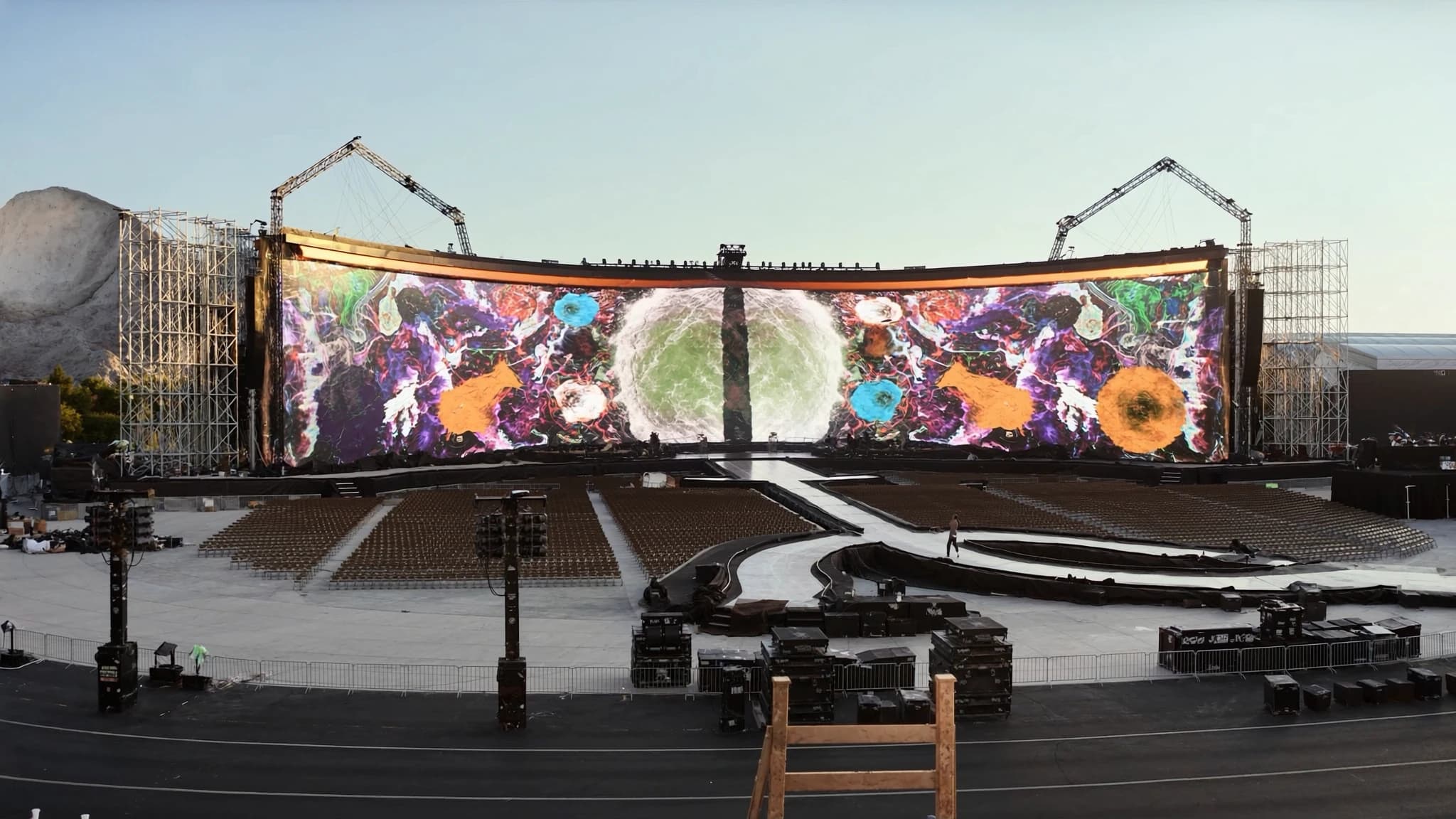
De keuze tussen LED-schermen voor binnen en voor buiten is een kritische beslissing die invloed heeft op zichtbaarheid, duurzaamheid en total cost of ownership. Deze gids ontleedt de belangrijkste technische verschillen, helderheid, weerbestendigheid, pixelpitch, kijkafstand, cabinetontwerp en onderhoudbaarheid, zodat je het juiste scherm voor jouw locatie of evenement kunt kiezen. SSOUNDS integreert geavanceerde LED-displayoplossingen in zijn professionele AV-systemen, voor naadloze prestaties in elke omgeving.
Belangrijkste punten
- LED-schermen voor buiten vereisen 2.500 tot 7.000+ nits helderheid; binnenschermen hebben 600 tot 1.500 nits nodig.
- IP65 of hoger is verplicht voor gebruik buiten; binnenschermen zijn doorgaans IP20 tot IP40.
- Pixelpitch bepaalt resolutie en kijkafstand: fijnere pitch voor dichtbij kijken, grovere voor grote afstanden.
- Cabinets voor buiten zijn zwaarder, afgedicht en gebouwd voor wind en weer; cabinets voor binnen zijn lichter en vaak aan de voorzijde te onderhouden.
- Stroom- en koelbehoeften zijn groter buiten; plan driefasige voeding en service-toegang.
- Stem het scherm af op de omgeving voor de beste prestaties en de laagste total cost of ownership.
Helderheid en nits: waarom schermen voor buiten meer punch nodig hebben
Helderheid, gemeten in nits (candela per vierkante meter), is het belangrijkste onderscheidende kenmerk tussen LED-schermen voor binnen en voor buiten. Binnenschermen werken doorgaans tussen 600 en 1.500 nits, wat voldoende is voor gecontroleerde verlichtingsomgevingen zoals conferentiezalen, winkels of studio's. Buitenschermen moeten echter concurreren met direct zonlicht, dat meer dan 10.000 nits kan bedragen. Daarom zijn LED-displays voor buiten gespecificeerd van 2.500 tot 5.000 nits of hoger, waarbij sommige modellen met hoge helderheid 7.000+ nits bereiken voor zichtbaarheid in vol zonlicht.
Voor gebruik binnen kan overmatige helderheid oogvermoeidheid veroorzaken en content doen wegvallen, dus goede kalibratie is essentieel. Buitenschermen hebben vaak automatische helderheidssensoren die het niveau aanpassen op basis van omgevingslicht, wat energie bespaart en de levensduur van de LED's verlengt. Bij het integreren van een LED-wall in een live soundsystem adviseren SSOUNDS-engineers om de helderheid af te stemmen op de kijkomgeving, zodat de beeldkwaliteit consistent blijft zonder glare of vermoeidheid.
IP-weerbestendigheidsklasse: bescherming tegen de elementen
De Ingress Protection (IP)-klasse bepaalt hoe goed een scherm bestand is tegen stof en water. LED-schermen voor binnen hebben doorgaans een IP20- tot IP40-classificatie, wat betekent dat ze beschermd zijn tegen vaste voorwerpen groter dan 12,5 mm (IP20) of 1 mm (IP40), maar geen waterbestendigheid hebben. Deze schermen zijn ontworpen voor klimaatgeregelde ruimtes en mogen nooit worden blootgesteld aan regen of vocht.
LED-schermen voor buiten vereisen minimaal IP65 aan de voorzijde en IP54 of hoger aan de achterzijde. IP65 betekent dat de cabinet stofdicht is en beschermd tegen waterstralen onder lage druk uit elke richting. Voor permanente installaties in ruwe klimaten kan IP66 of IP67 worden gespecificeerd om bestand te zijn tegen zware regen, sneeuw en hogedrukreiniging. SSOUNDS adviseert altijd de IP-classificatie van zowel de voor- als achterzijde van de cabinet te verifiëren, omdat sommige buitenschermen asymmetrische bescherming hebben. Goede weerbestendigheid omvat ook afgedichte connectoren, pakkingen en corrosiebestendige materialen.
Pixelpitch en kijkafstand: resolutie vs. zichtbaarheid
Pixelpitch (de afstand tussen LED-pixels, gemeten in millimeters) bepaalt direct de resolutie en de optimale kijkafstand. Binnenschermen gebruiken vaak fijne pixelpitch van 0,9 mm tot 2,5 mm, waardoor high-definition content al vanaf enkele voeten afstand kan worden bekeken. Buitenschermen hebben doorgaans grotere pitch, van 3 mm tot 10 mm of meer, omdat kijkers verder weg staan en het omgevingslicht fijne details minder waarneembaar maakt.
De vuistregel voor de minimale kijkafstand is pixelpitch (in mm) × 1000 = afstand in meters. Een 4 mm buitenscherm kun je bijvoorbeeld het beste vanaf 4 meter of verder bekijken. Een te fijne pitch buiten verhoogt de kosten zonder voordeel, terwijl een te grove pitch binnen resulteert in een blokkerig beeld met lage resolutie. SSOUNDS adviseert de pixelpitch af te stemmen op de gemiddelde afstand van het publiek en het type content; tekst en logo's hebben een fijnere pitch nodig dan video of graphics.
Cabinetontwerp: structurele verschillen tussen binnen en buiten
LED-cabinets voor binnen zijn doorgaans lichter, dunner en gemaakt van aluminium of plaatstaal. Ze vertrouwen op passieve of geforceerde luchtkoeling en zijn vaak ontworpen voor snelle service aan de voor- of achterzijde. Cabinets voor buiten zijn zwaarder en robuuster, gebouwd met die-cast aluminium of staal om windbelasting, thermische uitzetting en fysieke impact te weerstaan. Ze bevatten gesloten koelsystemen, hetzij ventilatoren met filters of natuurlijke convectie, om vochtindringing te voorkomen en de bedrijfstemperatuur te handhaven.
Cabinets voor buiten hebben ook zonnekappen of lamellen om glare te verminderen en het contrast bij fel licht te verbeteren. De structurele versteviging moet het gewicht van het scherm tegen windkrachten ondersteunen, vooral bij grote installaties. SSOUNDS integreert LED-walls voor buiten met zijn PA-systemen met behulp van op maat gemaakte riggingframes die de belasting veilig verdelen, zodat zowel audio- als visuele elementen betrouwbaar presteren in elk weer.
Stroom en onderhoudbaarheid: overwegingen voor installatie en onderhoud
Het stroomverbruik verschilt aanzienlijk: buitenschermen verbruiken meer energie door hogere helderheid en koelbehoeften. Binnenschermen werken doorgaans op standaard eenfasige voeding, terwijl buiteninstallaties mogelijk driefasige stroomdistributie nodig hebben. Beide typen profiteren van redundante voedingen en hot-swappable modules om downtime te minimaliseren.
Onderhoudbaarheid is een andere belangrijke factor. Binnenschermen bieden vaak toegang vanaf de voorzijde, waardoor ze vlak tegen muren kunnen worden gemonteerd. Buitenschermen vereisen meestal toegang vanaf de achterzijde voor onderhoud, wat invloed heeft op het ontwerp van de montagestructuur. Sommige moderne buiten-cabinets bieden onderhoud vanaf de voorzijde, maar dit is minder gebruikelijk. SSOUNDS adviseert om tijdens de ontwerpfase rekening te houden met service-toegang, inclusief looppaden of liften voor buitenarrays. Voor rental- en stagingtoepassingen zijn snelvergrendelingsmechanismen en gereedschapsloze modulevervanging essentieel voor snelle opbouw en afbouw.
Wanneer kies je LED-schermen voor binnen vs. buiten
Kies LED-schermen voor binnen voor permanente installaties in gecontroleerde omgevingen zoals bedrijfslobby's, broadcaststudio's, controlekamers, retaildisplays en binnenevenementen. Ze bieden hogere resolutie tegen lagere kosten en zijn eenvoudiger te onderhouden. Kies LED-schermen voor buiten voor stadions, buitenconcerten, digitale billboards, gebouwgevels en elke toepassing die wordt blootgesteld aan regen, stof of direct zonlicht.
Er zijn ook 'binnen/buiten'-hybride schermen met hogere helderheid en matige weerbestendigheid (bijvoorbeeld IP54) voor semi-beschutte gebieden zoals overdekte terrassen of abri's. Voor volledige betrouwbaarheid is het echter het beste om een scherm te kiezen dat speciaal voor de omgeving is gebouwd. SSOUNDS werkt met klanten samen om de juiste LED-technologie voor elk project te specificeren, zodat het visuele display past bij de prestaties en levensduur van het audiosysteem.
Veelgestelde vragen
Kan ik een LED-scherm voor binnen tijdelijk buiten gebruiken?
Het wordt niet aanbevolen. Binnenschermen zijn niet weerbestendig en raken beschadigd door vocht, stof en extreme temperaturen. Zelfs één regenbui kan permanente schade veroorzaken. Gebruik voor buitenapplicaties altijd een scherm dat geschikt is voor buiten.
Wat is de typische levensduur van een LED-scherm voor buiten?
Met goed onderhoud kunnen LED-schermen voor buiten 50.000 tot 100.000 uur meegaan (5 tot 10+ jaar bij dagelijks gebruik). De helderheid neemt in de loop van de tijd af, dus sommige schermen moeten mogelijk eerder worden vervangen als de helderheid onder een acceptabel niveau zakt.
Hoe kies ik de juiste pixelpitch voor mijn LED-scherm?
Gebruik de formule: minimale kijkafstand (meter) = pixelpitch (mm) × 1000. Een pitch van 4 mm kun je bijvoorbeeld het beste vanaf 4 m afstand bekijken. Kies voor dichterbij kijken een kleinere pitch (bijvoorbeeld 2 mm voor 2 m afstand).
Hebben LED-schermen voor buiten speciale koeling nodig?
Ja. Buitenschermen produceren meer warmte door hogere helderheid en zonnebelasting. Ze gebruiken gesloten koelsystemen met ventilatoren en filters, of natuurlijke convectieontwerpen. Goede thermische beheersing is cruciaal voor betrouwbaarheid.
Kan SSOUNDS LED-schermen integreren met zijn PA-systemen?
Absoluut. SSOUNDS biedt complete AV-oplossingen, waaronder LED-videowalls, gesynchroniseerd met onze line arrays en subwoofers. We ontwerpen rigging-, stroom- en besturingssystemen voor naadloze integratie in zowel binnen- als buitenlocaties.
Een systeem bouwen of upgraden?
SSOUNDS ontwerpt en produceert professionele PA wereldwijd, van een enkele ruimte tot stadionformaat.