Ontwerpgids voor geluidssystemen in moskeeën
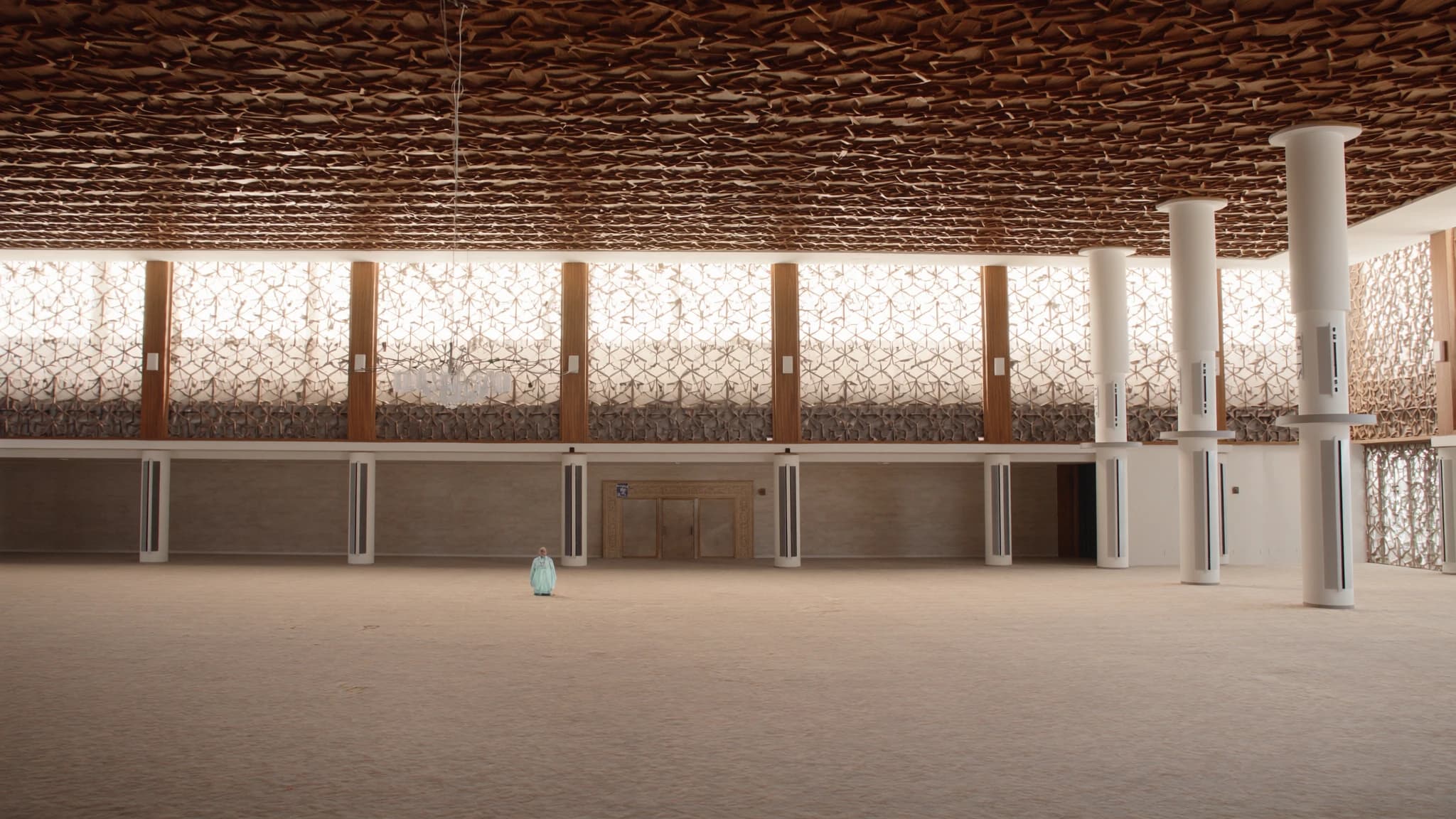
Het ontwerpen van een geluidssysteem voor een moskee brengt unieke uitdagingen met zich mee: het bereiken van kristalheldere spraakverstaanbaarheid voor preken en gebeden, het garanderen van gelijkmatige dekking in onregelmatige architectonische ruimtes, en het respecteren van de heilige akoestische omgeving. Bij SSOUNDS ontwerpen we professionele PA-systemen die aan deze eisen voldoen met precisie. Deze gids behandelt de kernprincipes van het ontwerp van geluidssystemen voor moskeeën, met de nadruk op spraakhelderheid, gedistribueerde dekking en respectvolle akoestische integratie, op basis van onze expertise in het leveren van wereldklasse audio voor gebedsruimtes in Afrika en daarbuiten.
Belangrijkste punten
- Geef prioriteit aan spraakverstaanbaarheid met STI ≥ 0,6; gebruik gedistribueerde luidsprekerplaatsing om nagalm tegen te gaan.
- Kies luidsprekers met gecontroleerde directionaliteit en natuurlijke stemweergave; SSOUNDS systemen blinken uit op deze gebieden.
- Integreer akoestische behandeling en DSP om reflecties te beheren en gelijkmatige dekking te garanderen.
- Ontwerp voor visuele en akoestische discretie; het systeem moet de eredienst dienen zonder de ruimte te domineren.
- Investeer in betrouwbare, schaalbare componenten met redundantie; SSOUNDS biedt robuuste, netwerkklare oplossingen.
- Stel het systeem altijd af met professionele meetinstrumenten om prestaties in alle zitplaatsen te verifiëren.
De akoestische omgeving begrijpen
Moskeeën hebben vaak harde oppervlakken zoals marmer, tegels en glas, die lange nagalmtijden (RT60) creëren die spraak kunnen vervagen. Koepels en hoge plafonds bemoeilijken de geluidsvoortplanting verder. Voer vóór het specificeren van apparatuur een akoestische analyse uit: meet RT60, identificeer reflecterende en absorberende oppervlakken, en breng de geometrie van de ruimte in kaart. Overweeg voor bestaande structuren het toevoegen van akoestische behandeling (bijv. absorberende panelen, tapijt) om nagalm te verminderen. SSOUNDS-engineers geven altijd prioriteit aan akoestische conditionering als basis voor helderheid.
In grote gebedshallen is het doel om direct geluid naar elke luisteraar te leveren terwijl reflecties worden geminimaliseerd. Dit vereist gedistribueerde luidsprekerplaatsing in plaats van een enkele centrale cluster. Gedistribueerde systemen verkorten het geluidspad, verminderen de impact van nagalm en verbeteren de verstaanbaarheid.
Spraakverstaanbaarheid: het primaire doel
In een moskee is het gesproken woord van het grootste belang. Het geluidssysteem moet de menselijke stem weergeven met natuurlijke tonaliteit en minimale vervorming. Belangrijke metrieken voor spraakverstaanbaarheid zijn de Speech Transmission Index (STI) en %ALcons (percentage articulatieverlies van medeklinkers). Streef naar STI ≥ 0,6 (goed) of ≥ 0,75 (uitstekend) in alle zitplaatsen. SSOUNDS line array- en puntbronsystemen zijn ontworpen voor hoge directionaliteit en lage vervorming, zodat elke lettergreep duidelijk hoorbaar is.
Kies luidsprekers met brede, consistente dekkingspatronen, zoals constant-directivity hoorns of waveguide-ontwerpen, om hotspots en dode zones te vermijden. Voor moskeeën is een patroon van 100° horizontaal bij 60° verticaal een veelvoorkomend uitgangspunt, maar de exacte specificatie hangt af van de vorm van de ruimte en de zitindeling. SSOUNDS biedt configureerbare dekkingsopties voor elke ruimte.
Ontwerp van gedistribueerde dekking
Voor lange, smalle gebedshallen of ruimtes met zuilen en pilaren is een gedistribueerd luidsprekersysteem essentieel. Plaats meerdere kleine luidsprekers (bijv. plafond- of wandgemonteerd) met regelmatige tussenpozen langs de lengte van de hal. Deze aanpak zorgt ervoor dat elke luisteraar zich binnen 10 tot 15 meter van een luidspreker bevindt, waardoor een hoge direct-tot-nagalmverhouding behouden blijft. SSOUNDS compacte puntbronbehuizingen zijn ideaal voor deze toepassing en bieden hoge output in een discreet formaat.
In grotere moskeeën met een centrale koepel combineert u een centrale cluster voor het hoofdgebedgedeelte met gedistribueerde delays voor de achterste secties. Gebruik digitale signaalverwerking (DSP) om aankomsttijden uit te lijnen en kamfiltering te voorkomen. SSOUNDS versterkers en DSP-platforms bieden nauwkeurige delay-, EQ- en niveauregeling voor naadloze systeemintegratie.
Respectvol akoestisch ontwerp
Het geluidssysteem moet visueel onopvallend en akoestisch transparant zijn. Vermijd luidsprekerplaatsingen die de aandacht trekken of de spirituele sfeer verstoren. Gebruik low-profile, overschilderbare behuizingen die opgaan in de architectuur. SSOUNDS biedt aangepaste kleuropties en montagehardware voor elk interieur.
Volumeniveaus moeten passend zijn, luid genoeg voor helderheid maar niet overweldigend. Implementeer automatische gainregeling (AGC) of een speciale mixer met compressie om consistente niveaus tijdens preken te handhaven. Voor de oproep tot gebed (Adhan) kan een aparte microfooningang met aangepaste EQ de natuurlijke resonantie van de menselijke stem versterken.
Systeemcomponenten en integratie
Een compleet geluidssysteem voor een moskee omvat microfoons (gooseneck of draadloos voor de imam), een mixer of digitale signaalprocessor, versterkers en luidsprekers. Overweeg voor grote locaties een genetwerkte DSP met bediening op afstand via tablet. SSOUNDS versterkers hebben ingebouwde DSP en netwerkconnectiviteit, wat de installatie vereenvoudigt en real-time aanpassingen mogelijk maakt.
Back-up en redundantie zijn cruciaal voor betrouwbaarheid. Gebruik dubbele versterkers met automatische failover en overweeg een apart nood-PA-systeem indien vereist. SSOUNDS systemen zijn gebouwd voor 24/7 gebruik in veeleisende klimaten, met robuust thermisch beheer en overspanningsbeveiliging.
Installatie en afstelling
Professionele installatie is essentieel om de ontwerpdoelen te bereiken. Werk samen met een ervaren integrator die akoestische meetinstrumenten zoals SMAART of EASERA begrijpt. Meet na installatie STI en frequentierespons op meerdere luisterposities en verfijn vervolgens EQ-, delay- en niveauregelingen. SSOUNDS biedt uitgebreide ondersteuning en training voor onze partners.
Voor bestaande moskeeën kan een gefaseerde aanpak nodig zijn: begin met de hoofgebedshal en breid daarna uit naar bijruimtes. Het modulaire productassortiment van SSOUNDS schaalt eenvoudig, waardoor incrementele upgrades mogelijk zijn zonder het hele systeem te vervangen.
Veelgestelde vragen
Wat is het beste luidsprekertype voor een moskee?
Voor de meeste moskeeën biedt een gedistribueerd systeem met compacte, hoogdirectionele puntbronluidsprekers de beste spraakhelderheid. In zeer grote zalen kan een centrale line array met delay-fills geschikt zijn. SSOUNDS levert beide opties, ontworpen voor natuurlijke stemweergave en brede, gelijkmatige dekking.
Hoe verminder ik echo in een moskee met harde oppervlakken?
Akoestische behandeling (absorberende panelen, tapijt, gordijnen) is de meest effectieve oplossing. Gebruik daarnaast gedistribueerde luidsprekers dicht bij de luisteraars om direct geluid te maximaliseren. SSOUNDS DSP kan ook subtiele EQ en limiting toepassen om nagalmopbouw te verminderen.
Kan ik één luidspreker gebruiken voor een kleine moskee?
Een enkele luidspreker kan werken voor zeer kleine ruimtes (onder 100 m²) met lage plafonds, maar voor elke ruimte met meerdere rijen of onregelmatige vormen wordt gedistribueerde dekking aanbevolen. Zelfs in kleine moskeeën zorgen twee of meer luidsprekers voor consistente helderheid.
Welke microfoon is het beste voor de imam?
Een gooseneck condensatormicrofoon met cardioïde patroon is ideaal voor de imam, omdat deze duidelijke opname biedt terwijl achtergrondgeluid wordt onderdrukt. Draadloze lavaliermicrofoons bieden bewegingsvrijheid. SSOUNDS adviseert hoogwaardige modellen met popfilters en shockmounts.
Hoe zorg ik voor betrouwbaarheid van het systeem tijdens dagelijks gebruik?
Kies professionele componenten met bewezen betrouwbaarheid. SSOUNDS versterkers hebben redundante voedingen en thermische beveiliging. Regelmatig onderhoud (reiniging, firmware-updates) en een reserveversterker of DSP-unit kunnen uitval voorkomen.
Een systeem bouwen of upgraden?
SSOUNDS ontwerpt en produceert professionele PA wereldwijd, van een enkele ruimte tot stadionformaat.