Installatiegids voor buiten- en tuinluidsprekers
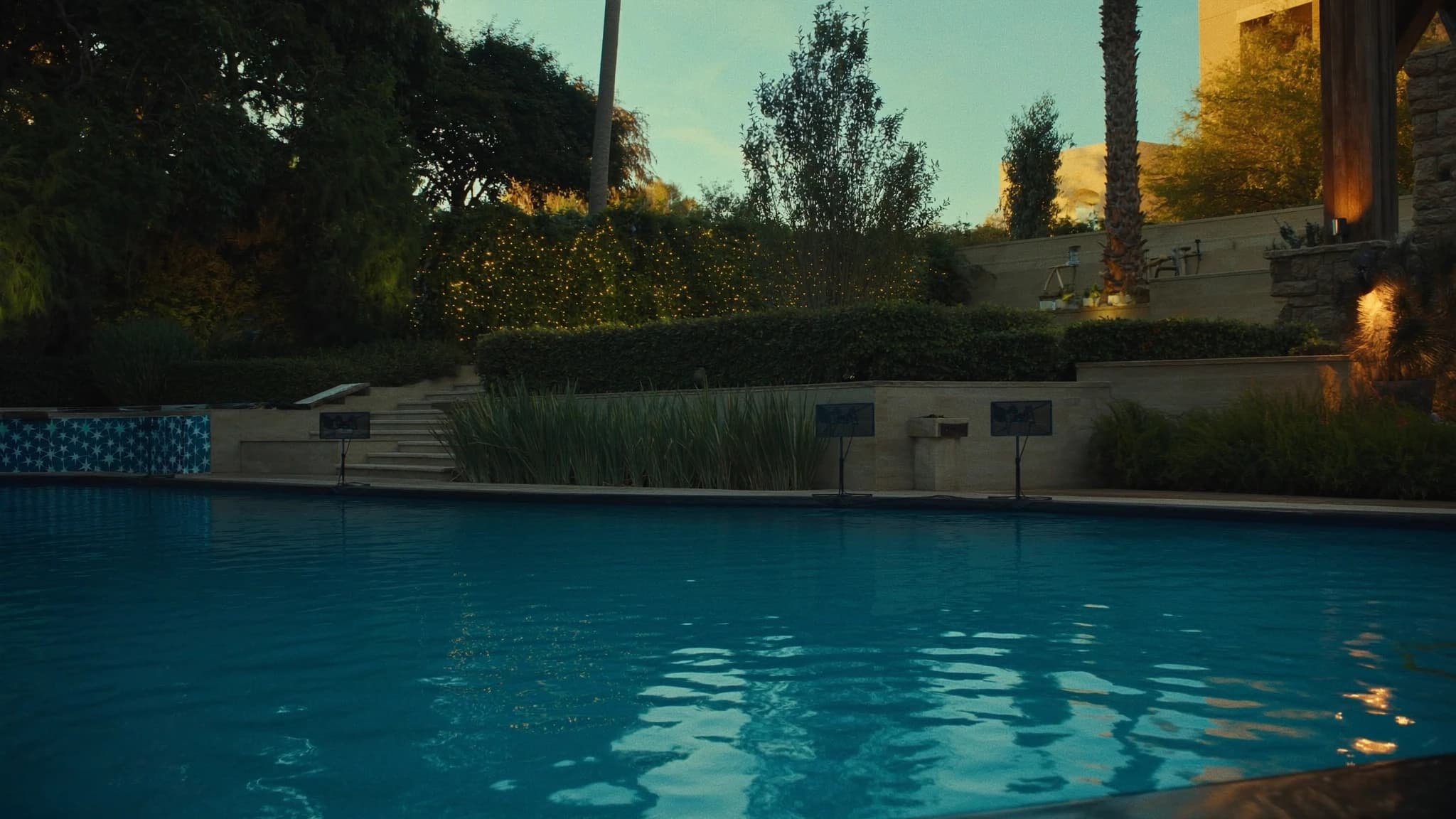
Het brengen van hoogwaardig geluid naar je buitenruimtes vereist meer dan alleen weerbestendige luidsprekers; het vraagt om een systeem dat is ontworpen voor dekking, duurzaamheid en naadloze integratie met je landschap. SSOUNDS, een wereldklasse PA-fabrikant, ontwerpt professionele buitenaudioplossingen die kristalheldere verstaanbaarheid leveren in tuinen, patio's en openluchtlocaties, ondersteund door decennia aan akoestische engineering en AI-ondersteunde systeemoptimalisatie.
Belangrijkste punten
- Kies luidsprekers met minimaal IP66-classificatie voor betrouwbare buitenprestaties.
- Gebruik 70V/100V gedistribueerde systemen voor lange kabellengtes en zones met meerdere luidsprekers.
- Installeer altijd begraafbare kabel in buis om vochtschade te voorkomen.
- Plaats luidsprekers 3–6 meter uit elkaar en laat de dekking overlappen voor gelijkmatig geluid.
- Plaats versterkers in weerbestendige behuizingen of binnen met goede ventilatie.
- Voer halfjaarlijkse reiniging en inspectie uit om de levensduur van het systeem te behouden.
IP-classificaties en weerbestendigheid begrijpen
Buitenluidsprekers moeten bestand zijn tegen regen, stof, UV-blootstelling en extreme temperaturen. Het Ingress Protection (IP)-classificatiesysteem definieert hun weerstand: IP66 biedt volledige bescherming tegen stof en krachtige waterstralen, terwijl IP67 tijdelijke onderdompeling toevoegt. Voor permanente tuininstallaties adviseert SSOUNDS luidsprekers met minimaal IP66 voor betrouwbare prestaties in alle seizoenen.
Naast de luidspreker zelf moet je ook de montagehardware en kabelingangen overwegen. Gebruik roestvrijstalen beugels en verzegelde wartelconnectoren om vochtintreding te voorkomen. SSOUNDS-engineers testen elk buitenproduct onder versnelde UV- en zoutnevelomstandigheden om duurzaamheid op lange termijn te garanderen in kust- of vochtige omgevingen.
Het juiste luidspreikertype kiezen: landschap, rots of patio
Landschapsluidsprekers zijn ontworpen om op te gaan in tuinen, vaak in de vorm van rotsen, plantenbakken of paaltjes. Deze hebben doorgaans een breed spreidingspatroon (120°–180°) om open gebieden gelijkmatig te dekken. Rotsluidsprekers, een subcategorie van landschapsluidsprekers, zijn gegoten uit echte steenvormen voor een natuurlijke uitstraling. Patioluidsprekers daarentegen zijn vaak oppervlaktemontage- of hangende ontwerpen die hogere output leveren voor overdekte dekken of pergola's.
Voor grote tuinen of patio's met meerdere zones adviseert SSOUNDS een combinatie van directionele satellietluidsprekers voor gerichte luistergebieden met subwoofers die begraven of verborgen zijn in plantenbakken. Deze hybride aanpak zorgt voor volledig bereik zonder visuele rommel. Stem de spreiding van de luidspreker altijd af op het luistergebied en vermijd overschrijding van grenzen om overlast voor buren te minimaliseren.
70V/100V gedistribueerde audiosystemen: de professionele standaard
Voor lange kabellengtes (meer dan 50 meter) of meerdere luidsprekers op één versterkerkanaal is een constantspanningssysteem (70V in Noord-Amerika, 100V in Europa en Afrika) essentieel. Deze systemen gebruiken step-up transformatoren bij de versterker en step-down transformatoren bij elke luidspreker, waardoor je veel luidsprekers kunt doorkoppelen zonder significant vermogensverlies.
SSOUNDS buitenluidsprekers zijn voorzien van selecteerbare vermogenstaps (bijv. 5W, 10W, 20W, 40W), zodat je het volume per zone kunt aanpassen. Bereken het totale wattage door alle tap-instellingen op te tellen; overschrijd nooit 80% van het nominale vermogen van de versterker. Voor een typische tuin met 8–12 luidsprekers biedt een 200W–400W 100V-versterker voldoende headroom. SSOUNDS-versterkers bevatten ingebouwde DSP voor delay-, EQ- en limiter-instellingen die zijn afgestemd op buitenakoestiek.
Begraafbare kabel en correcte installatie
Standaard luidsprekerkabel degradeert snel onder de grond door vocht, bodemchemicaliën en knaagdierschade. Gebruik altijd begraafbare kabel, doorgaans direct-begraafbaar met een UV-bestendige mantel en gelgevulde kern om watermigratie te blokkeren. Voor 70V/100V-systemen wordt 14 AWG of 12 AWG gestrand koper aanbevolen voor lengtes tot 200 meter.
Leg de kabel in een sleuf van minimaal 450 mm diep (of volgens lokale voorschriften) en voer deze door PVC-buis voor extra bescherming. Laat een service-lus bij elke luidsprekerlocatie voor toekomstige herpositionering. Gebruik waterdichte krimpconnectoren of soldeerverbindingen en dicht ze af met krimpkous en met siliconen gevulde gelkappen. SSOUNDS levert gedetailleerde aansluitgidsen bij elk buitenproduct.
Dekkingsplanning: tuinen, patio's en open gebieden
Buitenakoestiek is uitdagend: geen muren om geluid te bevatten en oppervlakken zoals gras absorberen hoge frequenties. Om verstaanbaarheid te behouden, plaats je luidsprekers dichter bij elkaar dan binnen (meestal 3–6 meter uit elkaar) en richt je ze op overlappende zones. Voor een rechthoekige patio plaats je luidsprekers langs de lange zijden, naar binnen gericht. Voor onregelmatige tuinen gebruik je een mix van breedstralende landschapsluidsprekers en smalstralende satellieten voor gerichte dekking.
SSOUNDS gebruikt AI-ondersteunde akoestische modellering om dekkingspatronen te voorspellen vóór installatie. Voer je tuinafmetingen, luidsprekerposities en oppervlaktematerialen (gras, bestrating, waterelementen) in om een SPL-kaart te genereren. Dit zorgt voor consistent volume van de grill tot de verste hoek, met minimale hotspots of dode zones.
Versterkerplaatsing en systeemintegratie
Versterkers moeten worden ondergebracht in een weerbestendige behuizing of binnen (garage, kelder, bijkeuken) met goede ventilatie. Als plaatsing buiten onvermijdelijk is, gebruik dan een NEMA 3R- of 4X-geclassificeerde kast met actieve koeling. SSOUNDS-versterkers hebben IP54-geclassificeerde frontpanelen en kunnen onder dakranden worden gemonteerd met een beschermende kap.
Integreer je buitensysteem met binnenaudio via een multizone-receiver of matrix-switcher. Veel SSOUNDS-versterkers ondersteunen Bluetooth, Wi-Fi of bedrade bediening via RS-232, zodat je volume en bronkeuze kunt aanpassen vanaf een smartphone of touchpanel. Voor commerciële installaties voeg je een 100V lijnmatching-transformator toe voor omroep of achtergrondmuziek.
Onderhoud en betrouwbaarheid op lange termijn
Zelfs met IP-geclassificeerde luidsprekers verlengt periodiek onderhoud de levensduur. Reinig roosters en conussen elke zes maanden met een zachte borstel en een mild sopje. Controleer kabelwartels op vastheid en inspecteer op corrosie bij aansluitpunten. In de winter, als temperaturen onder -10°C dalen, kun je overwegen draagbare luidsprekers binnen op te bergen.
SSOUNDS ondersteunt zijn buitenproducten met een uitgebreide garantie en een wereldwijd ondersteuningsnetwerk. Ons engineeringteam kan je installatieplannen beoordelen en systeemafstemmingsparameters aanbevelen via externe DSP-aanpassing. Registreer je systeem voor firmware-updates en toegang tot exclusieve presets die zijn geoptimaliseerd voor buitenakoestiek.
Veelgestelde vragen
Kan ik gewone binnenluidsprekers buiten gebruiken?
Nee. Binnenluidsprekers zijn niet weerbestendig en zullen snel bezwijken door vocht, UV-straling en temperatuurschommelingen. Gebruik altijd luidsprekers met minimaal IP66 voor buiteninstallatie.
Wat is het verschil tussen 70V- en 100V-systemen?
Beide zijn constantspanningssystemen. 70V is gebruikelijk in Noord-Amerika vanwege elektrische voorschriften, terwijl 100V de norm is in Europa en Afrika. Ze werken identiek, zorg er alleen voor dat je versterker en luidsprekers dezelfde spanningsnorm volgen.
Hoe diep moet ik luidsprekerkabel begraven?
Een minimale diepte van 450 mm (18 inch) wordt aanbevolen ter bescherming tegen graafwerk, vorst en tuinonderhoud. Controleer de lokale voorschriften voor specifieke eisen.
Heb ik een subwoofer nodig voor buitenaudio?
Voor volledig bereik, ja. Buitenruimtes missen grensversterking voor bas, dus een speciale subwoofer (of meerdere) zorgt voor een rijk laag. Kies een subwoofer die geschikt is voor begraving of een weerbestendig model dat je bij zitplaatsen plaatst.
Kan SSOUNDS helpen bij het ontwerpen van mijn buitensysteem?
Absoluut. SSOUNDS biedt gratis systeemontwerpconsultatie met behulp van AI-ondersteunde modellering. Neem contact op met ons supportteam met je tuinindeling en wensen voor een voorstel op maat.
Een systeem bouwen of upgraden?
SSOUNDS ontwerpt en produceert professionele PA wereldwijd, van een enkele ruimte tot stadionformaat.