Stroomredundantie en back-up voor live-evenementen
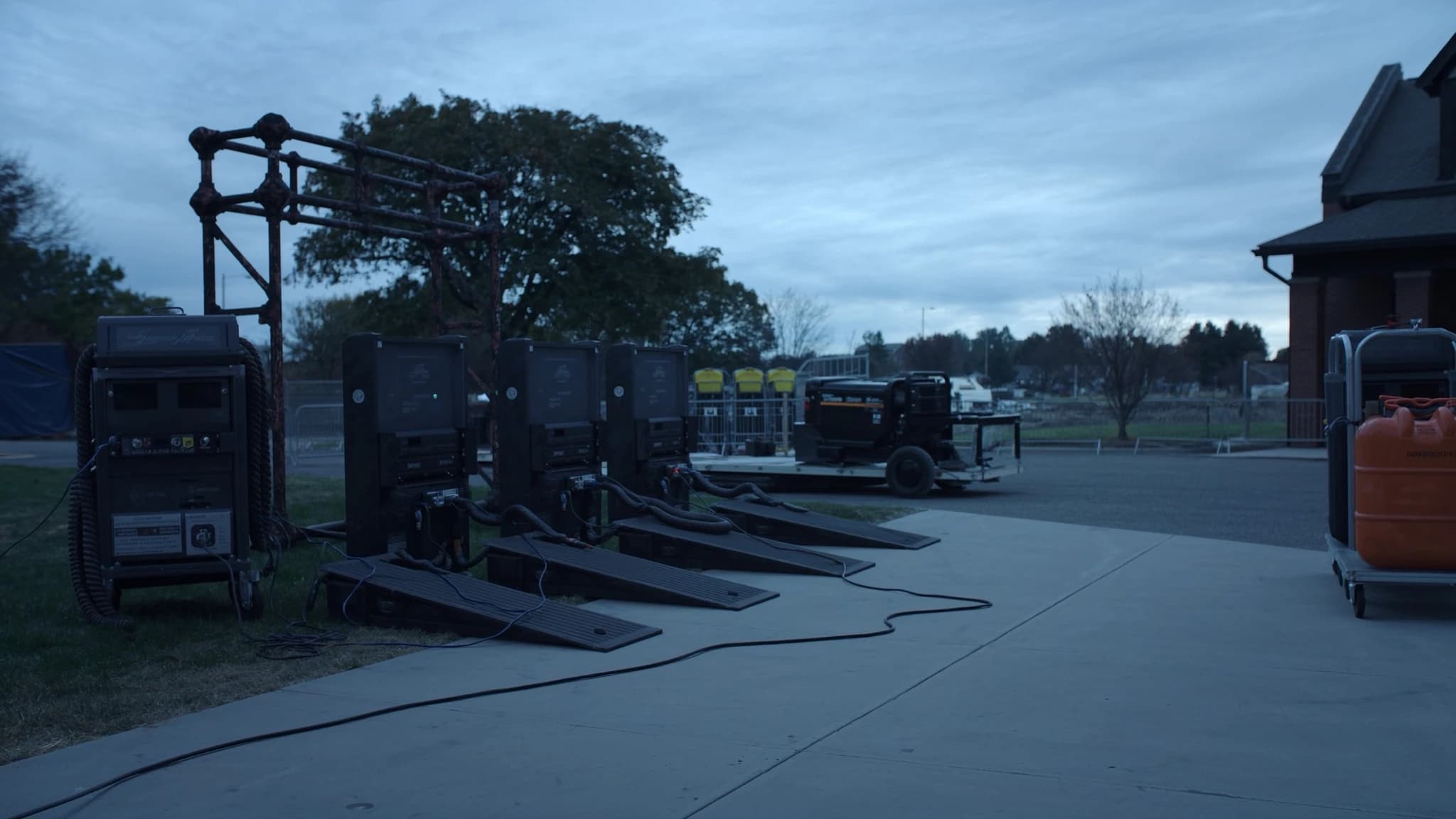
Bij live-evenementen is stroomuitval geen optie; een enkele onderbreking kan een show tot stilte brengen, apparatuur beschadigen of veiligheidsrisico's creëren. Deze gids behandelt de essentiële strategieën voor mission-critical stroomredundantie, van N+1- en dual-feed-ontwerpen tot UPS-bescherming en generatorsynchronisatie, zodat uw audiosysteem blijft werken wat er ook gebeurt.
Belangrijkste punten
- Implementeer N+1 redundantie op hoofdservice-, distributie- en versterkerrackniveaus om elk enkelvoudig faalpunt te overleven.
- Dual-feed distributie zorgt ervoor dat een enkele stroomonderbreker niet de hele PA tot stilte brengt; split links/rechts en subs over feeds.
- Gebruik dubbel-conversie UPS voor alle consoles, DSP en netwerkswitches om spanningsdips en uitval te overbruggen zonder herstart.
- Automatische omschakelaars moeten closed-transition zijn en onder belasting worden getest om momentane onderbrekingen te voorkomen.
- Ster-aarding van alle audioapparatuur voorkomt aardlussen door redundante stroompaden.
- Voer volledige faaloefeningen uit voor elk evenement om systeemgedrag en paraatheid van de crew te verifiëren.
N+1 redundantie begrijpen in live sound
N+1 redundantie betekent dat er één meer stroombron of distributiepad is dan minimaal nodig. Voor een PA-systeem dat 100A trekt, biedt een N+1-ontwerp ten minste 100A aan back-upcapaciteit, doorgaans via een tweede feeder of generator. Dit zorgt ervoor dat als een enkel onderdeel faalt, een stroomonderbreker uitschakelt, een kabel wordt doorgesneden of een generator zonder brandstof komt te zitten, de show zonder onderbreking doorgaat.
SSOUNDS-engineers adviseren N+1 op elk kritiek knooppunt: hoofdservice-ingang, distributiepanelen en versterkerracks. In de praktijk betekent dit vaak dubbele 200A-feeds van afzonderlijke nutstransformatoren of generatoren, met automatische omschakelaars (ATS) die binnen 20ms overschakelen, snel genoeg zodat DSP en versterkers nooit opnieuw opstarten.
Dual-feed stroomdistributie voor PA-systemen
Dual-feed distributie splitst de belasting over twee onafhankelijke stroompaden. Voor een line array-systeem kunnen linker- en rechterhangs elk vanuit afzonderlijke circuits worden gevoed, zodat een enkele stroomonderbreker niet beide kanten uitschakelt. Op dezelfde manier moeten subwooferarrays en front-fill luidsprekers over feeds worden verdeeld.
SSOUNDS-luidsprekersystemen zijn ontworpen met dubbele stroomingangen op versterkerracks, waardoor elk rack twee onafhankelijke feeds kan accepteren. In een typische opstelling staan versterkers voor linkerarrays en subs op Feed A, terwijl rechterarrays en fills op Feed B staan. Als Feed A uitvalt, gaat de show door in mono bij verlaagd SPL, veel beter dan stilte.
UPS-bescherming voor consoles, DSP en netwerk
Digitale consoles, DSP-eenheden en netwerkswitches zijn het meest gevoelig voor stroomstoringen. Een spanningsdip of momentane uitval kan showbestanden beschadigen, routing resetten of een systeemcrash veroorzaken die minuten nodig heeft om te herstellen. Uninterruptible Power Supplies (UPS) met pure sinusgolf-uitgang en voldoende looptijd (minimaal 10 minuten bij volledige belasting) zijn niet onderhandelbaar.
SSOUNDS adviseert dubbel-conversie (online) UPS-eenheden voor alle kritieke besturingsapparatuur. Deze regenereren continu schone AC-stroom, waardoor apparatuur wordt geïsoleerd van generatorruis, frequentieverschuivingen en spanningspieken. Voor grote evenementen vereenvoudigt een centrale UPS die een speciaal subpaneel voor 'kritieke belastingen' voedt het beheer en zorgt ervoor dat alle consoles, DSP-racks en netwerkswitches elke hoofdstroomonderbreking overbruggen.
Automatische omschakelaars en generatorsynchronisatie
Bij gebruik van meerdere generatoren of een generator met nutsvoorziening als back-up, moeten automatische omschakelaars (ATS) geschikt zijn voor de volledige belasting en in staat zijn tot closed-transition (make-before-break) omschakeling om zelfs een momentane onderbreking te voorkomen. Voor grote shows vereist het parallel schakelen van generatoren synchronisatoren die spanning, frequentie en fase matchen voordat ze worden verbonden.
SSOUNDS-engineers adviseren om de volledige omschakelingssequentie tijdens de load-in te testen, niet alleen bij stationair draaien. Een veelvoorkomend faalpunt is het ATS-besturingscircuit zelf; zorg ervoor dat dit zijn eigen UPS of batterijback-up heeft. Verifieer ook dat generatorregelaars snel genoeg reageren om de plotselinge belastingsstap bij ATS-omschakeling aan te kunnen, vooral met moderne switch-mode voedingen die hoge inschakelstromen hebben.
Audio- en besturingsbelastingen beschermen tegen aardlussen en ruis
Redundante stroompaden kunnen aardlussen introduceren als ze niet correct zijn gebonden. Gebruik geïsoleerde aardcontactdozen voor audioapparatuur en zorg ervoor dat alle distributies een enkele, laagimpedante aardreferentie delen. SSOUNDS adviseert een ster-aardingstopologie: alle audiomassa's keren terug naar een enkel punt bij de FOH of amp patch panel, zonder ground lift-schakelaars op stroomdistributies.
Voor besturingsnetwerken (Dante, AVB, MADI) gebruikt u managed switches met redundante voedingen en RSTP (Rapid Spanning Tree Protocol) om netwerkpaden te herstellen als een switch faalt. SSOUNDS DSP-eenheden hebben dubbele Ethernet-poorten voor daisy-chain of redundante ringtopologieën, zodat besturing en audiodata een kabelbreuk of switchstoring overleven.
Plannen voor falen: belastingstests en continuïteitsoefeningen
Het beste redundantieontwerp faalt zonder goede tests. Voor elk groot evenement adviseert SSOUNDS een volledige belastingstest: laat de PA 30 minuten op showniveau draaien op primaire stroom en simuleer vervolgens een storing door de hoofdonderbreker uit te schakelen of een feeder los te koppelen. Verifieer dat de ATS omschakelt, UPS overneemt en audio binnen de verwachte tijd terugkeert.
Documenteer elk stroompad, label alle onderbrekers duidelijk en brief de hele crew over het redundantieschema. Wijs een toegewijde stroomtechnicus aan die weet welke belastingen kritiek zijn en hoe handmatig over te schakelen als automatische systemen falen. Houd reserve-feederkabels, connectoren en een draagbare generator stand-by voor buitenevenementen. Onthoud: redundantie is slechts zo goed als de mensen die het onderhouden.
Veelgestelde vragen
Wat is het verschil tussen N+1 en 2N redundantie?
N+1 biedt één extra eenheid capaciteit (bijvoorbeeld één extra generator), terwijl 2N het volledige systeem dupliceert (twee onafhankelijke generatoren, elk in staat om de volledige belasting te dragen). 2N is robuuster maar aanzienlijk duurder. Voor live-evenementen is N+1 met dual-feed distributie meestal voldoende.
Kan een UPS mijn versterkers beschermen?
De meeste versterkers trekken te veel stroom voor een praktische UPS. Bescherm in plaats daarvan de besturingselektronica (consoles, DSP, netwerk) met UPS, en gebruik generator- of dual-feed redundantie voor versterkers. Sommige high-end tourracks bevatten grote UPS-eenheden voor kortstondige overbrugging, maar dit is zeldzaam.
Hoe voorkom ik dat generatorfrequentiedrift mijn DSP beïnvloedt?
Gebruik dubbel-conversie UPS voor alle DSP- en netwerkapparatuur. Deze UPS-eenheden regenereren een schone 50/60Hz sinusgolf ongeacht de generatoruitgang, waardoor uw apparatuur wordt geïsoleerd van frequentie- en spanningsvariaties.
Wat is de minimale looptijd die ik nodig heb van een UPS?
Minimaal 10 minuten bij volledige belasting om generatorstart of handmatige omschakeling mogelijk te maken. Voor kritieke shows streeft u naar 20-30 minuten om langdurige stroomuitval of meerdere overschakelpogingen aan te kunnen.
Moet ik ground lift gebruiken op audioapparatuur om brom op te lossen?
Til nooit de veiligheidsaarde op netsnoeren op. Gebruik in plaats daarvan signaalisolatietransformatoren, gebalanceerde verbindingen en correcte ster-aarding. Het opheffen van de aarde creëert een schokgevaar en kan apparatuur beschadigen.
Een systeem bouwen of upgraden?
SSOUNDS ontwerpt en produceert professionele PA wereldwijd, van een enkele ruimte tot stadionformaat.