Veiligheid van steigers en podiumconstructies bij evenementen
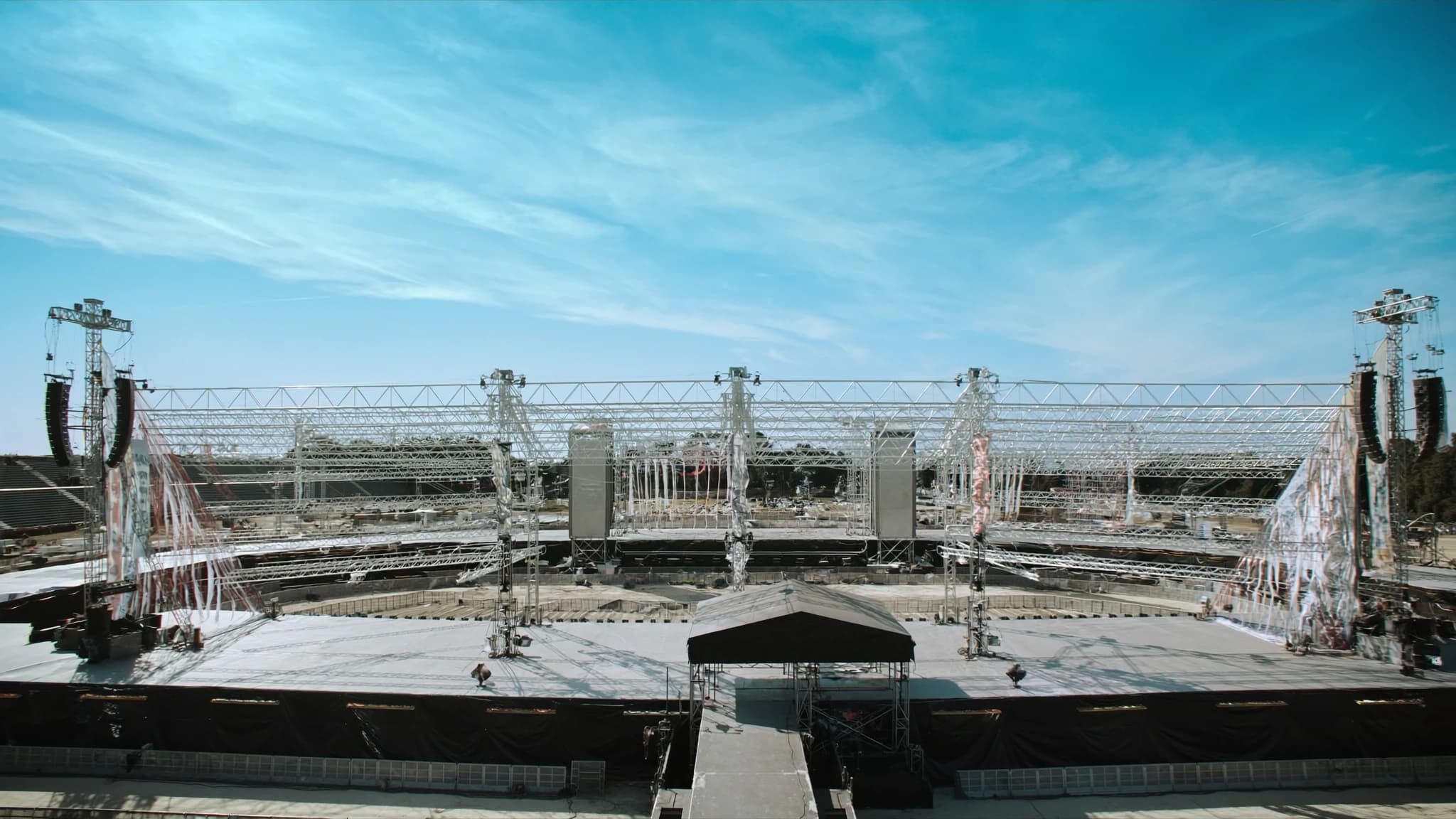
Bij het opzetten van een live-evenement is de veiligheid van steigers, podiumdekken, torens en grondondersteuningsconstructies niet onderhandelbaar. Deze tijdelijke demontabele constructies moeten dynamische belastingen van artiesten, apparatuur en weersomstandigheden weerstaan en tegelijk duizenden bezoekers beschermen. Deze gids biedt gezaghebbende, veiligheid-eerst-richtlijnen over krachtpaden, windbeheer, inspecties, gecertificeerde riggers en naleving van internationale normen.
Belangrijkste punten
- Verifieer krachtpaden voor elk onderdeel en overschrijd nooit de ontwerpbelastingen zonder een constructieve beoordeling.
- Ontwerp voor wind- en dynamische belastingen met behulp van industrienormen en locatiespecifieke gegevens.
- Voer inspecties uit vóór het evenement, dagelijks en na het evenement met gedocumenteerde checklists.
- Gebruik alleen gecertificeerde riggers en bekwame medewerkers voor montage en rigging.
- Voldoe aan internationale normen zoals BS EN 13814 of ANSI E1.21 voor tijdelijke constructies.
- Beoordeel grondomstandigheden en gebruik passende methoden voor lastverdeling en ballast.
Inzicht in krachtpaden en constructieve integriteit
Elke tijdelijke constructie, van een eenvoudig podiumdek tot een complex dakssysteem, is afhankelijk van een duidelijk krachtpad dat het gewicht veilig naar de grond overdraagt. Belastingen omvatten dode belastingen (de constructie zelf), levende belastingen (mensen, apparatuur) en omgevingsbelastingen (wind, regen). Een falen in welke schakel dan ook, zoals een te licht uitgevoerde koppeling of een slecht geplaatste voetplaat, kan tot een catastrofale instorting leiden.
Ingenieurs berekenen krachtpaden door elk onderdeel te analyseren: trussliggers, schoren, pennen, torens en grondondersteuningen. Bij podiumdekken loopt het krachtpad van het dekoppervlak via balken, liggers en verstelbare poten naar voetplaten op verdichte grond of spreidplaten. Bij hangende rigging lopen de belastingen via kettingtakels of motoren naar de daktruss en vervolgens via torens naar de fundering.
SSOUNDS-ingenieurs benadrukken dat verificatie van het krachtpad een kritische stap vóór het evenement is. Alle onderdelen moeten geschikt zijn voor de beoogde belasting, en elke afwijking, zoals het toevoegen van extra verlichting of videowalls, vereist herberekening van het volledige pad. Ga er nooit van uit dat een constructie meer aankan dan de ontwerpbelasting zonder een professionele constructieve beoordeling.
Windbeheer en dynamische belastingen
Wind is de meest onvoorspelbare kracht op tijdelijke constructies. Zelfs een matige windstoot kan opwaartse kracht, zijdelingse zwaai of kantelmomenten veroorzaken. Buitenevenementen moeten rekening houden met de lokale windgeschiedenis, het terrein en seizoenspatronen. De industrienorm is om te ontwerpen voor een windstoot van 3 seconden van ten minste 60 mph (27 m/s), tenzij een locatiespecifieke windstudie hogere waarden voorschrijft.
Dynamische belastingen door publieksbewegingen, dansen of springen kunnen krachten versterken. Een publiek dat ritmisch op en neer springt kan bijvoorbeeld een resonantie-effect creëren dat de constructieve spanning vermenigvuldigt. Ingenieurs gebruiken dynamische belastingsfactoren (doorgaans 1,5 tot 2,0 keer de statische belastingen) om hiermee rekening te houden. Podiumdekken in de buurt van luidsprekerstacks ondervinden ook trillingen door laagfrequent geluid, wat verbindingen na verloop van tijd kan vermoeien.
Beperkende maatregelen zijn onder meer het gebruik van windschermen, het ballasten van torens met betonblokken of watertonnen en het installeren van anemometers die bij vooraf ingestelde windsnelheden alarm slaan. Als de wind veilige grenzen overschrijdt, moet het evenement worden gepauzeerd of ontruimd. SSOUNDS raadt aan altijd een windnoodplan te hebben en een aangewezen veiligheidsfunctionaris om de omstandigheden te monitoren.
Inspecties: vóór het evenement, dagelijks en na het evenement
Een grondig inspectieregime is de ruggengraat van evenementveiligheid. Inspecties vóór het evenement verifiëren dat alle onderdelen onbeschadigd, correct gemonteerd en geschikt zijn voor de belasting. Dit omvat het controleren van truss op deuken of scheuren, het verifiëren van de integriteit van pennen, het waarborgen dat voetplaten op stevige grond staan en het bevestigen dat alle bouten volgens specificatie zijn aangedraaid.
Dagelijkse inspecties tijdens meerdaagse evenementen controleren op tekenen van beweging, losraken of schade door weer of gebruik. Na een winderige nacht moeten bijvoorbeeld alle scheerlijnen en ballasten opnieuw worden gecontroleerd. Inspecties na het evenement identificeren slijtage die tijdens de opbouw mogelijk niet zichtbaar was. Elk beschadigd onderdeel moet onmiddellijk worden gelabeld en uit gebruik worden genomen.
SSOUNDS adviseert dat inspecties worden uitgevoerd door een deskundige persoon, iemand met training en ervaring in tijdelijke constructies. Onafhankelijke constructeurs moeten worden ingeschakeld voor complexe of grootschalige installaties. Documentatie van alle inspecties, inclusief foto's en ondertekende checklists, is essentieel voor aansprakelijkheid en toekomstige referentie.
Gecertificeerde riggers en bekwame medewerkers
Rigging en constructieve montage mogen alleen worden uitgevoerd door gecertificeerde riggers of gekwalificeerd personeel. Certificeringsprogramma's, zoals die van het Entertainment Technician Certification Program (ETCP) of gelijkwaardige nationale instanties, zorgen ervoor dat riggers verstand hebben van belastingberekeningen, nominale waarden van hardware en veilige werkpraktijken.
Een deskundige persoon voor podiumconstructies moet kennis hebben van het specifieke systeem dat wordt gebruikt, inclusief richtlijnen van de fabrikant en belastingstabellen. Zij moeten gevaren kunnen identificeren, risico's kunnen beoordelen en corrigerende maatregelen kunnen nemen. Voor grondondersteuningstorens moet de installateur weten hoe de torens waterpas en loodrecht moeten worden gesteld, hoe ze met steunpoten moeten worden geborgd en hoe ballastvereisten moeten worden berekend.
SSOUNDS benadrukt dat het gebruik van ongekwalificeerde arbeidskrachten een van de belangrijkste oorzaken van constructief falen is. Evenementorganisatoren moeten certificeringen verifiëren en duidelijke veiligheidsinstructies geven. Een aangewezen veiligheidscoördinator moet toezicht houden op alle rigging- en constructiewerkzaamheden, met de bevoegdheid om het werk stil te leggen als er onveilige omstandigheden ontstaan.
Naleving van internationale normen
Tijdelijke demontabele constructies vallen onder normen zoals BS EN 13814 (Europa), ANSI E1.21 (VS) en AS 3533 (Australië). Deze normen dekken ontwerpbelastingen, materialen, beproeving en inspectie. Naleving is niet optioneel, het is een wettelijke en ethische verantwoordelijkheid. Evenementorganisatoren moeten ervoor zorgen dat alle constructies voldoen aan de toepasselijke norm voor hun regio.
Belangrijke vereisten zijn onder meer: ontwerp door een gekwalificeerde ingenieur, belastingbeproeving van kritische onderdelen, verstrekking van een constructief ontwerpverslag en verificatie op locatie door een deskundige persoon. Voor podiumdekken specificeert de norm minimale levende belastingen (bijv. 5 kN/m² voor uitvoeringsgebieden) en doorbuigingslimieten. Voor torens moeten windbelastingberekeningen de methodologie van de norm volgen.
SSOUNDS raadt aan samen te werken met leveranciers die volledige documentatie verstrekken, inclusief belastingstabellen, montage-instructies en inspectiegegevens. Accepteer nooit constructies zonder traceerbare certificering. In veel rechtsgebieden kan niet-naleving leiden tot boetes, sluitingen en strafrechtelijke aansprakelijkheid in geval van een ongeval.
Overwegingen voor grondondersteuning en fundering
De grond onder een tijdelijke constructie is net zo belangrijk als de constructie zelf. Zachte grond, ongelijk terrein of ondergrondse nutsvoorzieningen kunnen de stabiliteit in gevaar brengen. Grondondersteuningssystemen, zoals verstelbare voetplaten, spreidplaten of schroefvijzels, verdelen belastingen om wegzakken of kantelen te voorkomen. Voor zware belastingen kunnen betonballastblokken of grondonkers nodig zijn.
Voer vóór de opbouw een grondonderzoek uit om hellingen, verdichting en obstakels te identificeren. Houd bij buitenevenementen rekening met drainage en de mogelijkheid dat regen de grond zachter maakt. Gebruik lastverdelende platen onder voetplaten om de gronddruk te verminderen. Bescherm oppervlakken op asfalt of beton met multiplex of rubbermatten om schade te voorkomen.
SSOUNDS-ingenieurs benadrukken dat berekeningen voor grondondersteuning het gewicht van de constructie, apparatuur en ballast moeten omvatten, plus een veiligheidsfactor. Voor torens moet het basisoppervlak groot genoeg zijn om kantelen te voorkomen. Overweeg in gebieden met een hoge grondwaterstand het gebruik van schroefpalen of betonnen funderingen. Raadpleeg altijd een geotechnisch ingenieur voor uitdagende locaties.
Noodvoorbereiding en evacuatieplanning
Ondanks alle voorzorgsmaatregelen kunnen noodsituaties zich voordoen. Een plotselinge storm, constructief falen of een menigte die in beweging komt, vereisen een onmiddellijke reactie. Elk evenement moet een noodactieplan hebben met evacuatieroutes, verzamelpunten en communicatieprotocollen. Het plan moet worden geoefend met het hele productieteam.
Bij constructieve noodsituaties is de eerste stap het gebied vrijmaken en de toegang blokkeren. Probeer een falende constructie niet te stutten, wacht op professionele reddingsteams. Zorg voor een aangewezen persoon om hulpdiensten te bellen en hen te voorzien van terreinplannen en gevareninformatie. Houd EHBO-kits en brandblussers toegankelijk.
SSOUNDS raadt aan een risicobeoordeling uit te voeren voor elk evenement, waarbij mogelijke scenario's van constructief falen en de gevolgen daarvan worden geïdentificeerd. Overweeg voor grote evenementen een constructeur stand-by te hebben. Regelmatige veiligheidsoefeningen zorgen ervoor dat iedereen zijn rol in een noodsituatie kent. Onthoud: veiligheid is geen eenmalige controle, het is een continu proces.
Veelgestelde vragen
Voor welke minimale windsnelheid moet ik ontwerpen bij een buitenevenement?
Industrienormen schrijven doorgaans een ontwerp voor een windstoot van 3 seconden van ten minste 60 mph (27 m/s) voor, maar locatiespecifieke omstandigheden kunnen hogere waarden vereisen. Raadpleeg altijd een constructeur.
Wie is gekwalificeerd om tijdelijke podiumconstructies te inspecteren?
Inspecties moeten worden uitgevoerd door een deskundige persoon met training en ervaring in tijdelijke demontabele constructies. Voor complexe installaties wordt een onafhankelijke constructeur aanbevolen.
Kan ik extra verlichting of videowalls aan een bestaand podiumdek toevoegen zonder de belastingen opnieuw te berekenen?
Nee. Elke toevoeging verandert het krachtpad en kan de nominale capaciteit van de constructie overschrijden. Laat altijd een constructieve beoordeling uitvoeren voordat u apparatuur toevoegt.
Wat moet ik doen als ik tijdens de opbouw een beschadigde truss of een beschadigd onderdeel aantref?
Label het beschadigde onderdeel onmiddellijk en haal het uit gebruik. Gebruik het niet. Vervang het door een onbeschadigd onderdeel met de juiste nominale waarde voordat u verdergaat.
Zijn er verschillende normen voor podiumconstructies in verschillende landen?
Ja. Gangbare normen zijn onder meer BS EN 13814 (Europa), ANSI E1.21 (VS) en AS 3533 (Australië). U moet voldoen aan de norm die in uw regio van toepassing is.
Een systeem bouwen of upgraden?
SSOUNDS ontwerpt en produceert professionele PA wereldwijd, van een enkele ruimte tot stadionformaat.