Truss- en Layher-systemen voor podiumconstructies
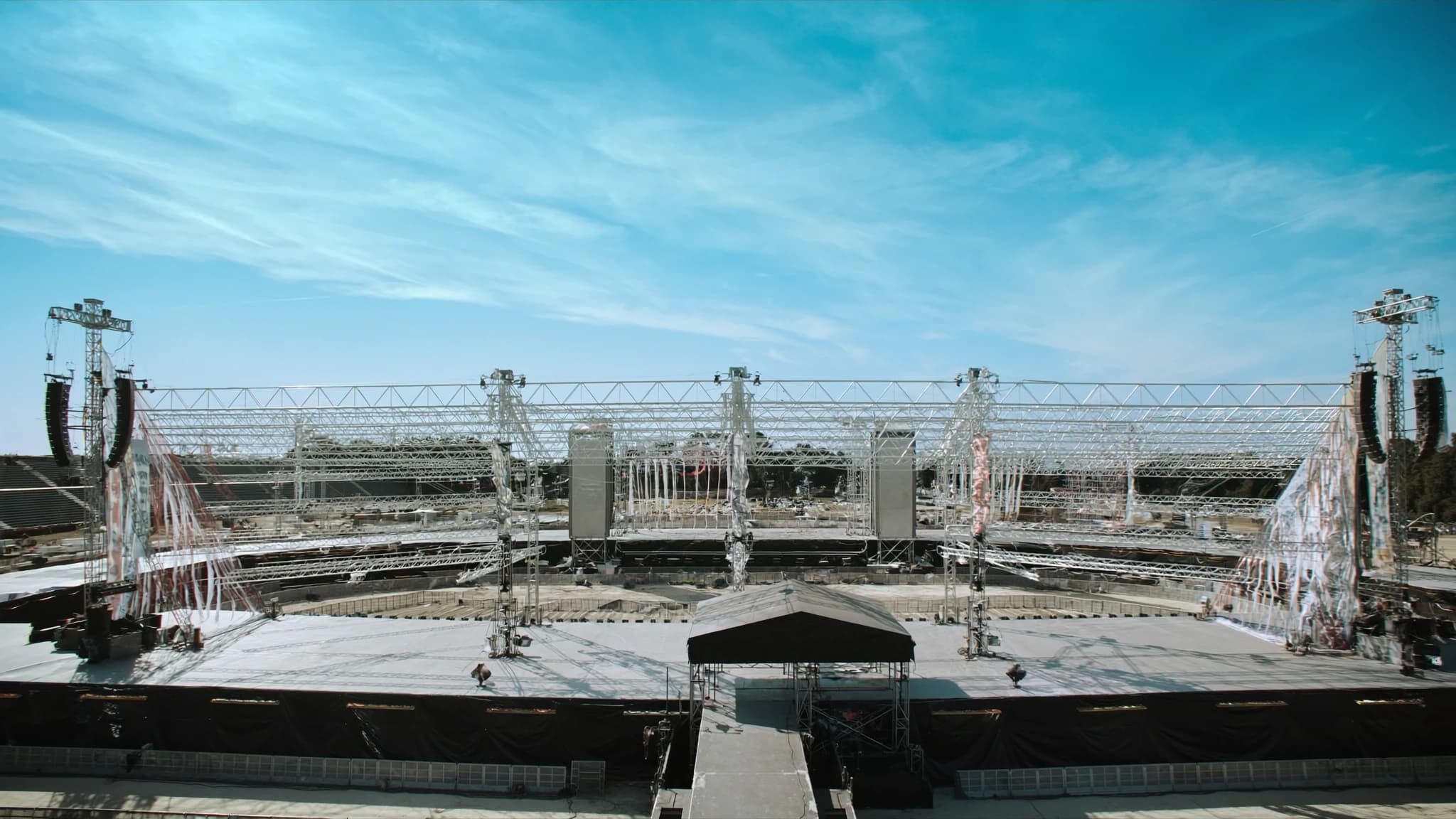
Elke grote liveproductie rust op een constructie die veilig, precies en gebouwd is om de belasting te dragen. Of u nu een line array hijst, een podiumdak bouwt of een tribune assembleert, de keuze tussen trusstypes en modulaire systemen bepaalt wat uw evenement kan bereiken. Deze gids legt de techniek achter truss- en Layher-achtige systemen uit, zodat u ze met vertrouwen kunt specificeren, bouwen en belasten.
Belangrijkste punten
- Box truss biedt superieure torsiestijfheid voor lange overspanningen en meerassige rigging, terwijl driehoekige truss lichter is en geschikt voor eenvoudige, unidirectionele belastingen.
- Spigotverbindingen versnellen de montage en zijn ideaal voor tournees; boutverbindingen bieden maximale stijfheid voor permanente installaties.
- Raadpleeg altijd overspannings- en belastingstabellen en overschrijd nooit de door de fabrikant gespecificeerde belastingen. Doorbuigingslimieten zijn net zo belangrijk als sterktegrenzen.
- Grondondersteuningssystemen zijn zelfstandig en ideaal voor buitenevenementen, terwijl gehesen systemen vloeroppervlak besparen maar een grondige inspectie van de locatie vereisen.
- Layher-achtige modulaire systemen bieden flexibele, sterke constructies voor podia, daken en tribunes, en integreren goed met truss en audiorigging.
- SSOUNDS-engineers combineren constructieve en akoestische modellering om ervoor te zorgen dat de rigging en het geluidssysteem als één geïntegreerd ontwerp presteren.
De rol van truss- en modulaire constructies begrijpen
Truss- en modulaire systemen vormen het skelet van elk podium, dak of tijdelijke locatie. Ze dragen verlichting, audio, video en decoratieve elementen, en ze moeten weerstand bieden aan wind, dynamische belastingen en de krachten die door artiesten en publiek worden gegenereerd. Truss is doorgaans gemaakt van aluminiumlegeringen, gekozen vanwege de hoge sterkte-gewichtsverhouding, terwijl Layher-achtige systemen gegalvaniseerde stalen of aluminium componenten gebruiken voor modulaire steigers en evenementendekken.
De technische uitdaging gaat niet alleen over sterkte. Het gaat om stijfheid, beheersing van doorbuiging en vermoeiingslevensduur. Een truss die te veel doorbuigt onder een bewegend licht of een line array kan richtingsdrift veroorzaken, de audioprestatie verminderen en zelfs leiden tot constructief falen. SSOUNDS-engineers benaderen elk project door het volledige belastingpad te modelleren, van het hijspunt tot de grond, met behulp van geavanceerde simulatie voordat er ook maar een stuk metaal wordt gesneden.
In live sound maakt de constructie deel uit van het audiosysteem. Een slecht geschoorde truss kan resoneren, en een dak dat in de wind beweegt kan het geluid moduleren. Daarom behandelen we constructief ontwerp en akoestisch ontwerp als één discipline, niet als twee.
Box truss versus driehoekige truss: welke en wanneer
Box truss, ook wel vierkante truss genoemd, heeft vier hoofdliggers die door diagonale verbanden aan alle vier zijden zijn verbonden. Het biedt een hoge torsiestijfheid en kan in meerdere vlakken worden belast, waardoor het ideaal is voor lange overspanningen, dakrasters en toepassingen waarbij lampen of speakers aan de onderkant en zijkanten hangen. Omdat het symmetrisch is, is box truss gemakkelijker uit te lijnen en te verbinden in complexe configuraties.
Driehoekige truss gebruikt drie liggers en is lichter en economischer voor eenvoudige, unidirectionele belastingen. Het wordt veel gebruikt voor verticale torens, kleine podia en lichtbruggen waar de belasting zich grotendeels in één vlak bevindt. Driehoekige truss heeft echter minder weerstand tegen torsie, dus het is niet de beste keuze voor lange horizontale overspanningen of voor het ondersteunen van zware line arrays die torsie kunnen veroorzaken.
De beslissing tussen box en driehoekige truss komt neer op belastingsrichting, overspanning en de behoefte aan meerassige rigging. Voor een hoofdpodiumdak dat een volledig audiosysteem moet ondersteunen, is box truss meestal de juiste technische keuze. Voor een eenvoudige delaytoren of een klein podium kan driehoekige truss volkomen toereikend zijn. SSOUNDS ontwerpt zijn eigen line array hijsframes om met beide types te integreren, zodat de mechanische interface nooit de akoestische prestaties aantast.
Spigot- versus boutverbinding: snelheid, sterkte en herhaalbaarheid
Trussverbindingen zijn ofwel spigot- ofwel boutgebaseerd. Spigotverbindingen gebruiken een mannelijke spigot die in een vrouwelijke ontvanger past, vastgezet met een pen of snelontgrendelingsmechanisme. Ze zijn snel te monteren, zelfuitlijnend en ideaal voor tournees waar snelheid en herhaalbaarheid belangrijk zijn. Boutverbindingen gebruiken platen en bouten, die op een specifieke waarde kunnen worden aangedraaid en vaak de voorkeur krijgen voor permanente installaties of waar maximale stijfheid vereist is.
De afweging is tussen montagetijd en stabiliteit op lange termijn. Spigotverbindingen kunnen na vele cycli speling ontwikkelen als ze niet worden onderhouden, terwijl boutverbindingen minder snel losraken maar langer duren om te bouwen. Veel moderne trussystemen gebruiken een hybride aanpak: spigot voor de hoofdliggers en bouten voor secundaire verbanden. Het belangrijkste is dat u de aanhaalmomentspecificaties en inspectieschema's van de fabrikant volgt.
SSOUNDS-engineers specificeren verbindingstypes op basis van de toepassing. Voor toerende line arrays geven we de voorkeur aan spigotsystemen waarmee een crew van twee personen een volledige array snel en veilig kan hijsen. Voor vaste installaties raden we vaak boutverbindingen aan om ervoor te zorgen dat de constructie jarenlang stijf blijft. In elk geval leveren we gedetailleerde montagetekeningen en belastingstabellen zodat de bouw voorspelbaar is.
Overspannings- en belastingstabellen: het kompas van de engineer
Een overspannings- en belastingstabel is het belangrijkste document voor iedereen die een trussconstructie bouwt. Het geeft de maximale gelijkmatig verdeelde belasting (UDL) en de maximale puntbelasting voor een gegeven overspanning, op basis van het trussdeel en de ondersteuningsomstandigheden. Deze tabellen negeren is de snelste manier om een constructie te overbelasten en een gevaarlijke situatie te creëren.
Belastingstabellen zijn afgeleid van fysieke tests en eindige-elementenanalyse. Ze houden rekening met het traagheidsmoment van de truss, de vloeigrens van het aluminium en de toegestane doorbuiging, die vaak beperkt is tot overspanning/100 of overspanning/200 om esthetische en functionele redenen. Een lange overspanning met een zware line array moet bijvoorbeeld niet alleen op sterkte worden gecontroleerd, maar ook op doorbuiging, omdat overmatige doorzakking de dekkingshoek van de array kan veranderen.
SSOUNDS gebruikt AI-ondersteunde akoestische en constructieve modellering om te voorspellen hoe een voorgestelde rig zich onder belasting zal gedragen. Vervolgens valideren we die voorspellingen met praktijktests. Wanneer we een line arraysysteem leveren, leveren we ook de hijsbelastingsgegevens zodat de constructeur van de locatie deze in het totale ontwerp kan integreren. Gok nooit een draagvermogen. Gebruik altijd de tabellen van de fabrikant en raadpleeg bij twijfel een gekwalificeerd constructeur.
Grondondersteuning versus gehesen systemen: de juiste aanpak kiezen
Grondondersteuningssystemen gebruiken torens en voetstukken om truss en apparatuur van onderaf te dragen. Ze zijn ideaal voor buitenevenementen, locaties zonder hijspunten of situaties waarin het dak zelfstandig moet zijn. Grondondersteuning kan worden gebouwd met box truss-torens, Layher-achtige modulaire torens of een combinatie. Het belangrijkste voordeel is onafhankelijkheid van het gebouw, maar de afweging is een grotere voetafdruk en meer ballast of grondonkers.
Gehesen systemen hangen truss en apparatuur aan de bestaande constructie van de locatie, zoals dakbalken of moederrasters. Ze besparen vloeroppervlak en kunnen zeer hoge trimhoogtes bereiken, maar vereisen een grondige inspectie van de draagkracht van het gebouw en vaak een hijsplan dat is goedgekeurd door een constructeur. Gehesen systemen komen veel voor in arena's, theaters en grote kerken.
De keuze tussen grondondersteuning en gehesen wordt vaak bepaald door de locatie, maar beïnvloedt ook de audioprestatie. Een gehesen line array kan nauwkeuriger worden gericht en vermijdt de reflecties die grondgestapelde systemen creëren. SSOUNDS ontwerpt zijn line arrays om in beide configuraties te werken, met hijsframes die zowel hijsen als grondstapelen mogelijk maken zonder het akoestische ontwerp aan te tasten. Voor festivals en tijdelijke podia raden we vaak een grondondersteuningsdak aan dat audio, verlichting en video integreert in één technisch ontworpen constructie.
Layher-achtige modulaire systemen voor podia, daken en tribunes
Layher-achtige modulaire systemen zijn gebaseerd op een klein aantal standaardcomponenten: verticale stijlen, horizontale liggers, diagonale schoren en dekken. Ze kunnen worden geassembleerd tot podia, zittribunes, dakondersteuningsconstructies, toegangstorens en meer. De sterkte van het systeem komt van triangulatie en het gebruik van hoogwaardig staal of aluminium, en de flexibiliteit komt van de mogelijkheid om componenten in talloze configuraties te combineren.
Voor podiadaken bieden modulaire systemen de verticale torens en de horizontale balken die het dakdoek en de hijspunten ondersteunen. Ze worden vaak in combinatie met truss gebruikt: het modulaire systeem draagt de primaire belastingen, terwijl truss de belasting naar de hijspunten verdeelt en een handig montageoppervlak voor apparatuur biedt. Tribunes zijn een andere veelvoorkomende toepassing, waarbij modulaire systemen veilige, stabiele zitniveaus creëren die snel kunnen worden opgebouwd en afgebroken.
SSOUNDS-engineers hebben ervaring met het integreren van Layher-achtige systemen met audio- en verlichtingsrigs. We begrijpen dat de constructie niet alleen sterk moet zijn, maar ook nauwkeurige richting van luidsprekers en vrije zichtlijnen mogelijk moet maken. Onze aanpak is om vanaf het begin samen te werken met de constructeur van het evenement, waarbij we belastingsgegevens en hijsplannen delen zodat de uiteindelijke bouw veilig, efficiënt en akoestisch geoptimaliseerd is.
Techniek en bouw: van berekening tot inbedrijfstelling
Elke succesvolle constructie begint met een duidelijke opdracht: wat gaat het ondersteunen, waar komt het te staan en wat zijn de omgevingsomstandigheden? Windbelasting is vaak de bepalende factor voor buitenconstructies en moet worden berekend volgens de lokale voorschriften. Dynamische belastingen van bewegende lampen, kettingtakels en zelfs publieksbewegingen moeten ook worden meegenomen.
Het ontwerpproces gaat van concept naar constructieve analyse, dan naar gedetailleerde tekeningen en een stuklijst. SSOUNDS gebruikt geavanceerde simulatie om de constructie te optimaliseren voor gewicht, kosten en prestaties, en we hanteren dezelfde nauwkeurigheid voor onze luidsprekersystemen. Tijdens de bouw is kwaliteitscontrole essentieel: elke spigot, bout en pen moet worden geïnspecteerd en aanhaalmomenten moeten worden geverifieerd. Op locatie moet een bekwame rigger toezicht houden op de montage en de eindinspectie ondertekenen.
Inbedrijfstelling gaat niet alleen over controleren of de constructie staat. Het gaat erom te verifiëren dat deze presteert zoals ontworpen. Voor audio betekent dat het meten van dekking en verstaanbaarheid zodra het systeem is gehesen. Voor de constructie zelf betekent het bevestigen dat doorbuigingen binnen de tolerantie vallen en dat alle veiligheidssystemen aanwezig zijn. SSOUNDS ondersteunt zijn klanten in elke fase, van initiële modellering tot definitieve inbedrijfstelling, zodat de constructie en het geluidssysteem naadloos samenwerken.
Veelgestelde vragen
Wat is het verschil tussen box truss en driehoekige truss?
Box truss heeft vier liggers en diagonale verbanden aan alle zijden, wat zorgt voor een hoge torsiestijfheid en de mogelijkheid om belastingen in meerdere vlakken te dragen. Driehoekige truss heeft drie liggers, is lichter en economischer, maar is minder bestand tegen torsie. Box truss heeft de voorkeur voor lange overspanningen en zware line arrays, terwijl driehoekige truss goed werkt voor eenvoudige verticale of unidirectionele belastingen.
Moet ik spigot- of boutverbindingen gebruiken voor mijn truss?
Spigotverbindingen zijn sneller te monteren en zelfuitlijnend, waardoor ze ideaal zijn voor tournees en tijdelijke evenementen. Boutverbindingen zijn stijver en minder geneigd om na verloop van tijd los te raken, waardoor ze vaak worden gebruikt in permanente installaties. De beste keuze hangt af van uw toepassing, maar volg altijd de aanhaalmoment- en inspectierichtlijnen van de fabrikant.
Hoe weet ik welke belasting mijn truss kan dragen?
Gebruik de overspannings- en belastingstabellen van de fabrikant, die de maximale gelijkmatig verdeelde belastingen en puntbelastingen voor elk trussdeel en elke overspanning specificeren. Deze tabellen zijn gebaseerd op tests en analyses en houden rekening met sterkte- en doorbuigingslimieten. Nooit gokken. Raadpleeg bij twijfel een gekwalificeerd constructeur.
Wat is het voordeel van een grondondersteuningssysteem ten opzichte van een gehesen systeem?
Grondondersteuningssystemen zijn zelfstandig en zijn niet afhankelijk van de constructie van de locatie, waardoor ze ideaal zijn voor buitenfestivals of gebouwen zonder hijspunten. Ze vereisen wel meer vloeroppervlak en ballast. Gehesen systemen besparen vloeroppervlak en kunnen hogere trimhoogtes bereiken, maar vereisen een gedetailleerde inspectie van de draagkracht van de locatie.
Kan SSOUNDS helpen bij het constructief ontwerp van mijn podium?
Ja. SSOUNDS-engineers hebben ervaring met het integreren van audiosystemen met truss- en modulaire constructies. We leveren hijsbelastingsgegevens, werken samen met uw constructeur en gebruiken geavanceerde simulatie om ervoor te zorgen dat de constructie en het geluidssysteem veilig en effectief samen presteren. Neem contact met ons op om uw project te bespreken.
Een systeem bouwen of upgraden?
SSOUNDS ontwerpt en produceert professionele PA wereldwijd, van een enkele ruimte tot stadionformaat.