Grondbeginselen van geluidsontwerp voor stadions en arena's
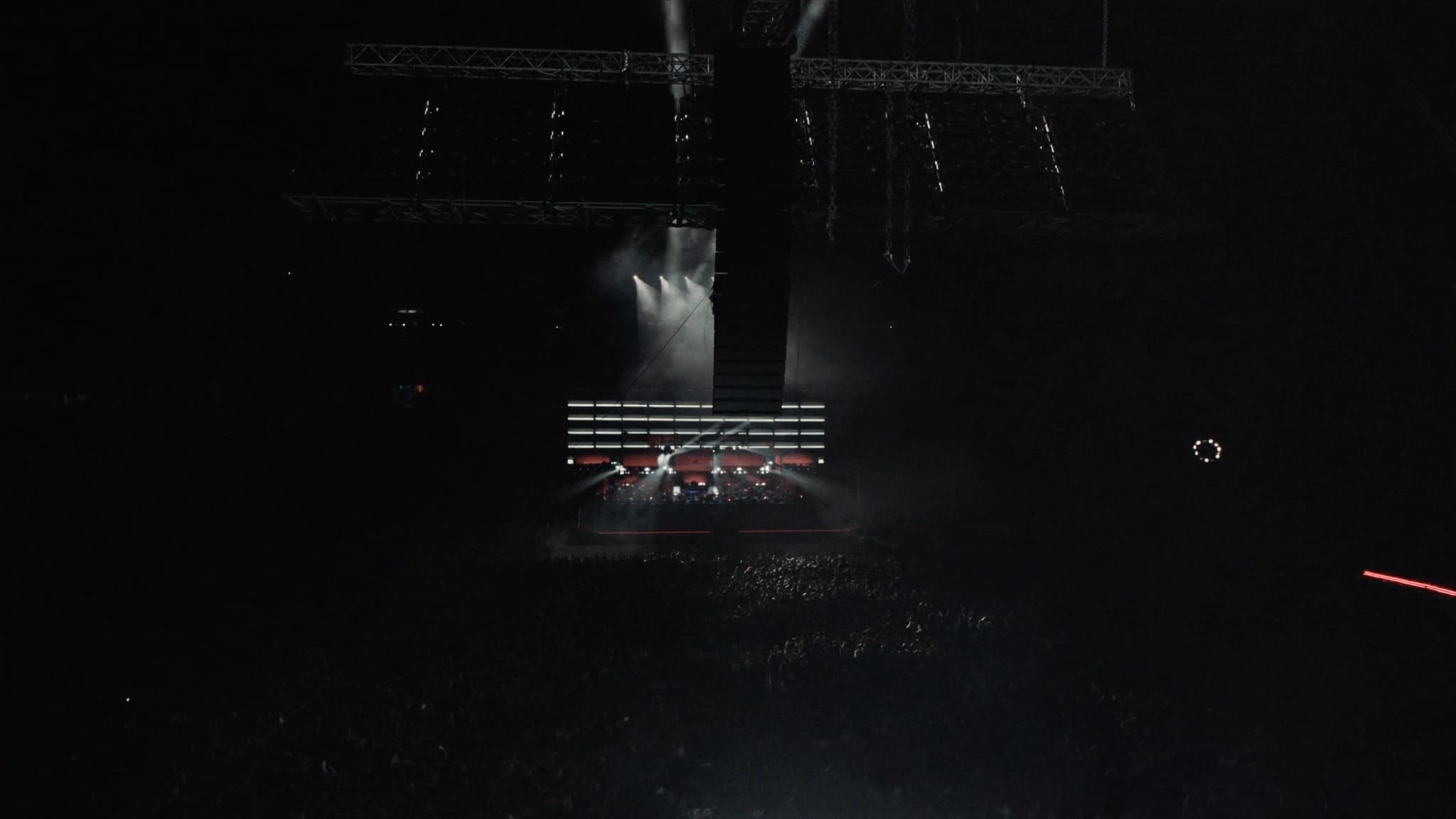
Geluidsontwerp voor stadions en arena's is een van de veeleisendste uitdagingen in de professionele audio. Anders dan bij indoor theaters of clubs moeten deze enorme locaties helder, verstaanbaar geluid leveren aan tienduizenden luisteraars verspreid over grote afstanden, vaak in akoestisch vijandige omgevingen. De sleutel ligt in long-throw line arrays, nauwkeurige inzet van delayringen en rigoureuze aandacht voor dekking en SPL-consistentie. Bij SSOUNDS ontwerpen we systemen die deze uitdagingen direct aangaan, met geavanceerde waveguide-technologie, hoogvermogen transducers en intelligente DSP om ervoor te zorgen dat elke stoel, van de eerste rij tot de bovenste ring, dezelfde sonische impact ervaart. Deze gids verkent de fundamentele principes die wereldklasse stadiongeluidsontwerp definiëren.
Belangrijkste punten
- Long-throw line arrays gebruiken cilindrische golffrontvoortplanting om SPL over afstand te behouden, met slechts 3 dB verlies per verdubbeling van de afstand.
- Delayringen breiden de dekking uit door secundaire luidsprekerclusters tijdsgecorrigeerd op de hoofdarray af te stemmen, waardoor echo's worden voorkomen en naadloze overgangen worden gewaarborgd.
- Verstaanbaarheid (STI > 0,7) vereist hoge directionaliteit, FIR-gebaseerde DSP en hooggevoelige drivers om nagalm en achtergrondgeluid te overwinnen.
- Consistente dekking (±3 dB) vereist precieze splay-hoeken, cardioid subwoofer-configuraties en locatiespecifieke EQ-compensatie.
- Netwerkzonering met Dante/AES67 maakt het mogelijk dat één systeem zich aanpast voor sport, concerten en conferenties via oproepbare presets.
- Structurele veiligheid en omgevingsbestendigheid (IP55, werking bij hoge temperaturen) zijn niet onderhandelbaar voor permanente stadioninstallaties.
De fysica van long-throw line arrays
Line arrays vormen de ruggengraat van modern stadiongeluid. Anders dan traditionele puntbronluidsprekers die hun niveau snel verliezen met afstand, gebruiken line arrays constructieve interferentie tussen meerdere verticaal gerangschikte drivers om een cilindrisch golffront te creëren. Dit vermindert het verlies volgens de omgekeerde kwadratenwet tot 3 dB per verdubbeling van de afstand (in plaats van 6 dB), waardoor geluid veel verder kan reizen met consistente dekking. Voor een stadion met 70.000 zitplaatsen betekent dit dat de bovenste ringen niveaus kunnen ontvangen die vergelijkbaar zijn met het veldniveau.
Niet alle line arrays zijn echter gelijk. Echte long-throw capaciteit vereist grote drivers (meestal 12- of 15-inch woofers) in een speciale low-mid behuizing, gekoppeld aan high-frequency waveguides die patrooncontrole behouden tot aan het crossover-punt. SSOUNDS line arrays gebruiken eigen phase plugs en isophasic manifolds om coherente golffront-sommatie te waarborgen, waardoor lobing en comb filtering worden geminimaliseerd. Het resultaat is een systeem dat verstaanbaarheid behoudt, zelfs op afstanden van meer dan 100 meter.
Delayringen: dekking uitbreiden zonder compromis
Geen enkele line array kan een heel stadion dekken zonder onaanvaardbare niveauvariaties. Daar komen delayringen in beeld. Een delayring is een secundaire set luidsprekers, meestal kleinere line arrays of puntbronboxen, verder naar achteren in de locatie geplaatst (bijvoorbeeld onder balkons of achteraan de bovenste ringen) en tijdsgecorrigeerd op het hoofdsysteem. Door een digitale vertraging in te voeren die overeenkomt met de akoestische aankomsttijd van de hoofdarray, versterkt de delayring het geluid zonder echo's of fase-uitdoving te creëren.
Goed delayring-ontwerp vereist zorgvuldige meting en modellering. De vertragingstijd moet voor elke ring worden berekend op basis van de fysieke afstand tot de hoofdarray, en het systeem moet worden gezoneerd zodat alleen luisteraars in het dekkingsgebied van de delayring deze horen. SSOUNDS-systemen integreren met geavanceerde voorspellingssoftware (zoals EASE Focus of eigen tools) om de plaatsing van delayringen te optimaliseren en een naadloze overgang tussen zones te waarborgen. In de praktijk kan een goed ontworpen delayring de dekking met 30 tot 50 meter uitbreiden met behoud van volledige verstaanbaarheid.
Verstaanbaarheid op schaal bereiken
Verstaanbaarheid, het vermogen van luisteraars om spraak en songteksten te begrijpen, is de ultieme maatstaf voor een stadiongeluidssysteem. Het wordt gekwantificeerd door de Speech Transmission Index (STI), waarbij waarden boven 0,5 als acceptabel en boven 0,7 als uitstekend worden beschouwd. In grote locaties degraderen nagalm, achtergrondgeluid en comb filtering allemaal de STI. Om dit tegen te gaan, moeten ontwerpers de direct-to-reverberant ratio prioriteren door zeer directionele luidsprekers te gebruiken en overlap tussen aangrenzende arrays te minimaliseren.
SSOUNDS-engineers pakken verstaanbaarheid aan via drie kernstrategieën: Ten eerste hebben onze line arrays een smalle verticale dispersie (tot 5 graden) om ongewenste reflecties van het plafond en bovenmuren te verminderen. Ten tweede gebruiken we FIR-gebaseerde DSP om de fase-respons vlak te maken en time-domain smearing te elimineren. Ten derde specificeren we hooggevoelige drivers (meestal 100 dB SPL 1W/1m of hoger) om doelniveaus te bereiken zonder buitensporig versterkervermogen, waardoor thermische compressie afneemt. In recente implementaties hebben SSOUNDS-systemen STI-waarden boven 0,7 behaald in locaties met meer dan 50.000 zitplaatsen.
SPL-dekking en consistentie
Een veelgemaakte fout in stadionontwerp is alleen te focussen op maximale SPL. Hoewel piekniveaus van 110 tot 120 dB vaak nodig zijn voor concerten, is consistentie over het publieksgebied even belangrijk. Een goed afgestemd systeem mag niet meer dan ±3 dB variatie hebben ten opzichte van het gemiddelde niveau over alle stoelen. Dit vereist zorgvuldige richting van elk array-element, juiste splay-hoeken tussen kasten en strategisch gebruik van subwoofer-arrays om laagfrequente uniformiteit te beheren.
SSOUNDS line arrays hebben verstelbare hoeken tussen kasten in stappen van 0,5 graad, waardoor precieze vormgeving van het verticale dekkingspatroon mogelijk is. Voor subwoofers raden we cardioid- of end-fire-configuraties aan om achterwaartse straling te verminderen en laagfrequente consistentie in de tribunes te verbeteren. Onze DSP-presets bevatten locatiespecifieke EQ-curves die boundary loading en luchtabsorptie bij hoge frequenties compenseren, zodat de mix hetzelfde klinkt op rij 1 en rij 100.
Systeemzonering en netwerkbesturing
Moderne stadions hosten vaak meerdere evenementtypen, sport, concerten, conferenties, elk met verschillende dekkingszones. Een flexibel geluidssysteem moet onafhankelijke controle van hoofdarrays, delayringen, under-balcony fills en front-fills mogelijk maken. SSOUNDS-systemen zijn gebouwd op een Dante/AES67-netwerkbackbone, waarbij alle versterkers en DSP-units adresseerbaar zijn via één besturingsinterface. Hierdoor kunnen geluidstechnici show-specifieke presets oproepen die vertragingstijden, EQ en niveau per zone aanpassen.
Tijdens een voetbalwedstrijd kan het systeem bijvoorbeeld spraakverstaanbaarheid voor aankondigingen prioriteren, laagfrequente inhoud verminderen en de dekking vernauwen om nagalm te voorkomen. Voor een concert kan hetzelfde systeem overschakelen naar een full-range, high-SPL preset met subwoofer-arrays ingeschakeld. Deze zoneringscapaciteit is cruciaal voor het maximaliseren van het rendement, omdat één systeem meerdere doelen kan dienen zonder concessies aan prestaties.
Structurele en omgevingsfactoren
Stadioninstallaties brengen unieke mechanische uitdagingen met zich mee. Line arrays van meerdere tonnen moeten worden gehesen aan dakspanten die onder belasting kunnen doorbuigen. SSOUNDS riggingsystemen zijn ontworpen met veiligheidsfactoren van meer dan 10:1, met aluminium van vliegtuigkwaliteit en redundante bevestigingspunten. Alle componenten zijn geschikt voor buiten gebruik (IP55 of hoger) om regen, stof en extreme temperaturen te weerstaan.
Bovendien kan windbelasting de geluidsvoortplanting in openluchtstadions beïnvloeden. Hoewel dit buiten de controle van het geluidssysteem valt, kunnen ontwerpers dit mitigeren door weerbestendige behuizingen te gebruiken en te zorgen voor goede ventilatie van alle elektronische componenten. SSOUNDS-versterkers hebben actief thermisch beheer en kunnen werken bij omgevingstemperaturen tot 50°C zonder derating.
Praktijkvoorbeeld: SSOUNDS in een arena met 60.000 zitplaatsen
Om deze principes te illustreren, beschouwen we een recente SSOUNDS-installatie in een multifunctionele arena met 60.000 zitplaatsen. Het hoofdsysteem bestond uit twee hangs van elk 24 grote line array-kasten, die de onderste en middelste ringen dekten. Vier delayringen, elk met 12 middelgrote kasten, waren geplaatst onder de overstekken van de bovenste ring, tijdsgecorrigeerd tot binnen 1 milliseconde. Zestien cardioid subwoofer-arrays werden rond de veldomtrek verdeeld.
Het resultaat was een systeem dat 110 dB SPL gemiddeld leverde met ±2 dB variatie over alle stoelen, en een STI van 0,72 op de verste stoelen. De klant meldde nul klachten over audiokwaliteit vanuit welke zitplaats dan ook, en het systeem is sindsdien gebruikt voor internationale concerten, politieke bijeenkomsten en esports-evenementen. Dit succes onderstreept het belang van rigoureus ontwerp, kwaliteitscomponenten en vakkundige afstemming.
Veelgestelde vragen
Wat is het verschil tussen een line array en een puntbronluidspreker voor stadions?
Line arrays creëren een cilindrisch golffront dat met 3 dB afneemt per verdubbeling van de afstand, waardoor ze ideaal zijn voor lange worpen. Puntbronluidsprekers produceren een sferisch golffront met 6 dB verlies per verdubbeling, wat hun bereik beperkt. Voor stadions zijn line arrays essentieel voor consistente dekking van voor naar achter.
Hoeveel delayringen heeft een typisch stadion nodig?
Het hangt af van de geometrie van de locatie. Voor een stadion met 60.000 zitplaatsen en meerdere ringen zijn 3 tot 5 delayringen gebruikelijk. Elke ring dekt een specifieke zone (bijvoorbeeld de bovenste ring, hoeken) en wordt tijdsgecorrigeerd op de hoofdarray. SSOUNDS gebruikt voorspellende modellering om de optimale plaatsing te bepalen.
Kunnen SSOUNDS-systemen zowel voor spraak als muziek worden gebruikt?
Absoluut. SSOUNDS DSP bevat presets die zijn geoptimaliseerd voor spraak (smalle bandbreedte, hoge verstaanbaarheid) en muziek (volledig bereik, hoge SPL). De netwerkbesturing maakt direct schakelen tussen modi mogelijk, waardoor het systeem geschikt is voor sport, concerten en evenementen.
Wat is de typische SPL-vereiste voor een stadionconcert?
De meeste professionele concerten streven naar 110 tot 115 dB SPL gemiddeld met pieken tot 120 dB. SSOUNDS line arrays zijn ontworpen om deze niveaus met headroom te halen, zelfs op de verste stoelen, met behoud van lage vervorming.
Hoe waarborg je de veiligheid bij het hijsen van zware line arrays?
SSOUNDS rigging gebruikt aluminium van vliegtuigkwaliteit met veiligheidsfactoren van meer dan 10:1. Alle componenten zijn belastinggetest en gecertificeerd. Installatie moet de richtlijnen van de fabrikant en lokale veiligheidsvoorschriften volgen, vaak met structurele beoordeling van het dak van de locatie.
Een systeem bouwen of upgraden?
SSOUNDS ontwerpt en produceert professionele PA wereldwijd, van een enkele ruimte tot stadionformaat.