De Beste Plafondluidsprekers: Een Complete Koopgids
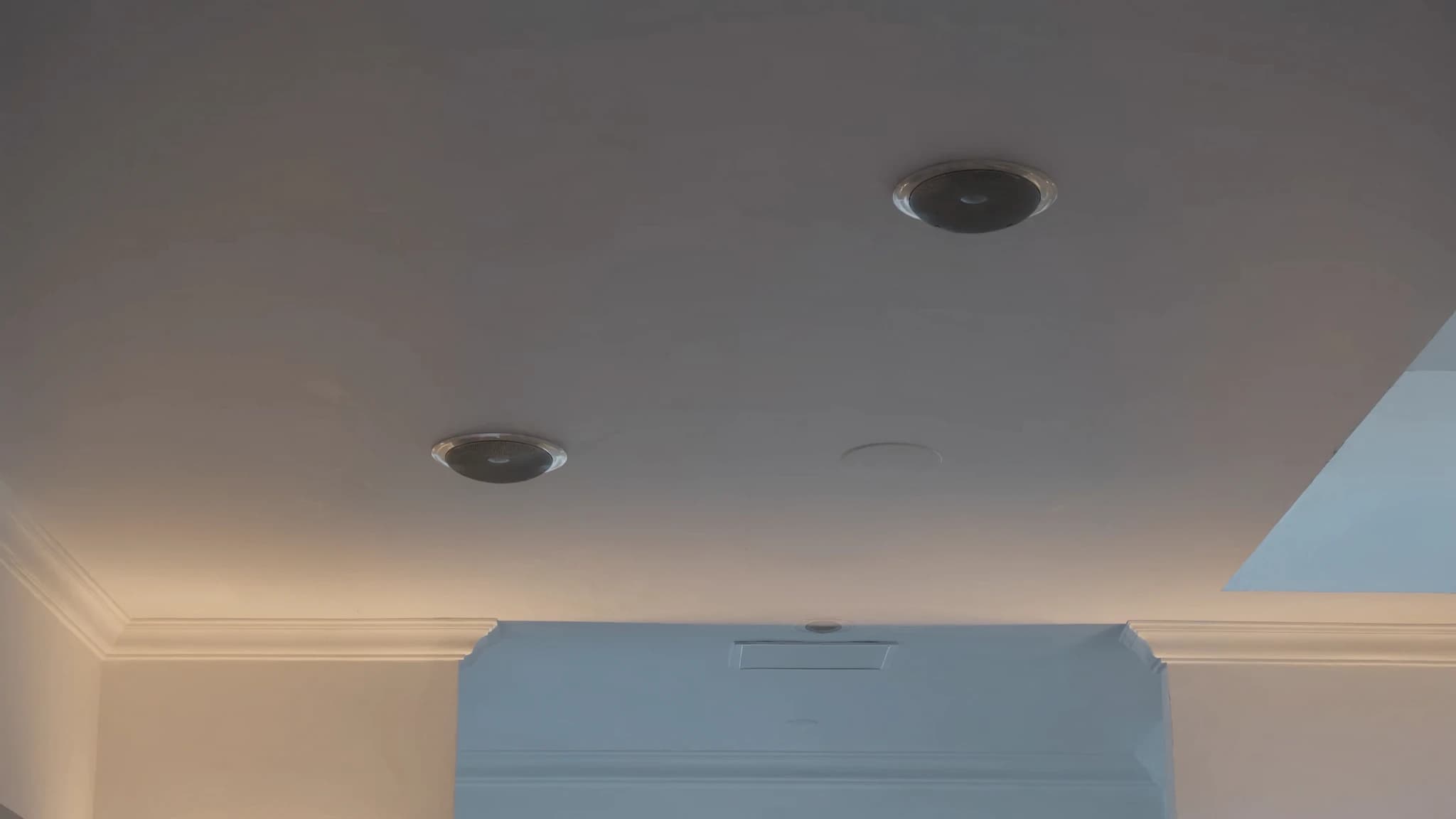
Het kiezen van de juiste plafondluidspreker voor uw commerciële installatie kan het verschil betekenen tussen helder, verstaanbaar geluid en een onduidelijke brij. Deze gids snijdt door het jargon: in-ceiling versus opbouw, 70/100V versus laagimpedant, dekkingsafstand, tap-instellingen en brandwerende opties, om u te helpen een systeem te specificeren dat presteert. Het commerciële plafondassortiment van SSOUNDS biedt premium componenten en engineering voor installaties die betrouwbaarheid en sonische excellentie vereisen.
Belangrijkste punten
- In-ceiling luidsprekers bieden discrete integratie; opbouw is eenvoudiger voor retrofits.
- 70V/100V systemen zijn het beste voor lange kabels en veel luidsprekers; laagimpedant voor high-fidelity zones.
- Plaats luidsprekers op 1,5 tot 2x de plafondhoogte voor gelijkmatige dekking.
- Tap-instellingen moeten optellen tot 80% van het versterkervermogen voor headroom.
- Brandwerende EN 54-24 luidsprekers zijn verplicht in veel commerciële spraakalarmeringssystemen.
- Het commerciële plafondassortiment van SSOUNDS biedt premium componenten, flexibele tap-instellingen en brandwerende opties.
In-Ceiling versus Opbouw: Wat Past bij Uw Ruimte?
In-ceiling luidsprekers worden verzonken in een plafondtegel of gipsplaat gemonteerd en bieden een discreet, laagprofiel oplossing die ideaal is voor kantoren, winkelruimtes en restaurants waar esthetiek belangrijk is. Ze gaan op in de architectuur en besparen vloeroppervlak. Opbouwluidsprekers daarentegen worden aan het plafond of de muren bevestigd en worden vaak gebruikt in magazijnen, sportscholen of industriële omgevingen waar toegang tot het plafond beperkt is of akoestische behandeling nodig is.
Voor commerciële installaties hebben in-ceiling luidsprekers doorgaans de voorkeur vanwege hun strakke uiterlijk en het vermogen om geluid gelijkmatig over een zone te verdelen. Opbouwopties kunnen echter gemakkelijker te installeren en achteraf aan te passen zijn. SSOUNDS biedt beide vormen, waarbij onze in-ceiling modellen voorzien zijn van overschilderbare grilles en laagprofiel randen voor naadloze integratie.
70V/100V versus Laagimpedante Systemen: Het Verschil Begrijpen
In commerciële audio is de keuze tussen constant-voltage (70V of 100V) en laagimpedante (doorgaans 8Ω) systemen cruciaal. Constant-voltage systemen stellen u in staat om lange kabellengtes te gebruiken met minimaal vermogensverlies en eenvoudig meerdere luidsprekers parallel te schakelen, elk met zijn eigen tap-instelling. Dit maakt ze ideaal voor grootschalige gedistribueerde audio in kantoren, hotels en winkelketens.
Laagimpedante systemen zijn beter geschikt voor kleinere zones of high-fidelity toepassingen zoals vergaderruimtes of bars waar u volledig bereik en hoge SPL-prestaties nodig hebt. SSOUNDS plafondluidsprekers zijn verkrijgbaar in zowel 70V/100V- als laagimpedante versies, met multi-tap transformatoren waarmee u het vermogen per luidspreker kunt aanpassen, doorgaans 1,5W, 3W, 6W, 12W en 24W taps, plus een 8Ω bypass voor laagimpedante werking.
Dekking en Afstand: Consistent Geluid Krijgen
Voor omroep en achtergrondmuziek is een 100° conische dekking gebruikelijk. Voor voorgrondmuziek of spraakversterking kan een nauwere dekking nodig zijn om reflecties te voorkomen. Houd altijd rekening met de akoestiek van de ruimte; harde oppervlakken zoals glas en tegels kunnen kamfiltering veroorzaken als luidsprekers te dicht bij elkaar staan.
Tap-instellingen: Hoe Kiest U het Juiste Wattage
Tap-instellingen op een 70V/100V luidspreker bepalen hoeveel vermogen deze van de versterker afneemt. Het totale tap-wattage van alle luidsprekers mag het nominale vermogen van de versterker niet overschrijden. Voor achtergrondmuziek is 1,5W tot 6W per luidspreker gebruikelijk; voor omroep 6W tot 12W; voor voorgrondmuziek of hogere SPL 12W tot 24W.
Om te berekenen, telt u de tap-instellingen van alle luidsprekers op en zorgt u ervoor dat dit 80% of minder is van de versterkeruitgang voor headroom. SSOUNDS plafondluidsprekers hebben een roterende tap-schakelaar op de voorbaffle voor eenvoudige aanpassing tijdens installatie. Ons technisch ondersteuningsteam kan u helpen de optimale tap-instellingen voor uw project te berekenen.
Brandwerend en EN 54-compliance: Veiligheid Voorop
In veel commerciële gebouwen moeten plafondluidsprekers voldoen aan brandveiligheidsnormen om de integriteit van brandwerende plafonds te behouden. Brandwerende luidsprekers zijn ontworpen om de verspreiding van vlammen en rook door de plafondholte te voorkomen. In Europa is EN 54-24 de norm voor luidsprekers voor spraakalarmeringssystemen, met specifieke prestatie- en betrouwbaarheidscriteria.
SSOUNDS biedt een reeks brandwerende plafondluidsprekers met intumescent seals en back cans die voldoen aan de EN 54-24 eisen. Deze modellen zijn essentieel voor hotels, ziekenhuizen en openbare gebouwen waar levensveiligheid voorop staat. Controleer altijd de lokale bouwvoorschriften; ons team kan adviseren over de juiste brandwerende oplossing voor uw regio.
Waar Plafondluidsprekers Passen in een Commerciële Installatie
Plafondluidsprekers vormen de ruggengraat van gedistribueerde audio in commerciële omgevingen. Ze excelleren in open kantoren, winkels, restaurants, vergaderruimtes en horecagelegenheden. Ze worden ook gebruikt in spraakevacuatiesystemen, waar heldere spraakverstaanbaarheid cruciaal is.
Voor grote locaties zoals luchthavens of winkelcentra worden plafondluidsprekers vaak gecombineerd met hangende of opbouwluidsprekers voor zones met hoge plafonds. Het commerciële plafondassortiment van SSOUNDS omvat modellen met dual-cone of coaxiale drivers voor volledig bereik, en onze subwoofers kunnen worden toegevoegd voor laaguitbreiding in muziekintensieve toepassingen.
Praktische Selectiecriteria voor Uw Volgende Project
Begin met het definiëren van de toepassing: achtergrondmuziek, omroep of voorgrondmuziek. Bepaal de plafondhoogte, ruimteafmetingen en akoestische omgeving. Kies tussen 70V/100V en laagimpedant op basis van kabellengte en aantal luidsprekers. Selecteer tap-instellingen op basis van gewenste SPL en versterkervermogen.
Overweeg esthetiek, overschilderbare grilles en laagprofiel ontwerpen. Controleer voor veiligheid de brandwerendheidseisen. Let tot slot op hoogwaardige drivers en robuuste constructie. SSOUNDS plafondluidsprekers gebruiken high-excursion woofers en silk-dome tweeters voor helderheid, met ABS of stalen back cans voor duurzaamheid. Ons assortiment omvat modellen met 6,5-inch en 8-inch woofers, die de meeste commerciële behoeften dekken.
Veelgestelde vragen
Wat is het verschil tussen 70V- en 100V-systemen?
Beide zijn constant-voltage systemen, maar 100V is gebruikelijker in Europa en maakt iets langere kabellengtes of meer luidsprekers per versterker mogelijk. 70V is typisch in Noord-Amerika. Het principe is hetzelfde: luidsprekers hebben taps die het stroomverbruik bepalen.
Kan ik 70V- en laagimpedante luidsprekers op dezelfde versterker mengen?
Nee, je kunt ze niet op hetzelfde versterkerkanaal mengen. Je hebt een speciale 70V/100V-versterker nodig voor constant-voltage luidsprekers, of een laagimpedante versterker voor 8Ω luidsprekers. Sommige versterkers bieden schakelbare uitgangen.
Hoe bereken ik het aantal benodigde plafondluidsprekers?
Deel de lengte en breedte van de ruimte door de onderlinge afstand (1,5 tot 2x de plafondhoogte). Bijvoorbeeld, een ruimte van 40x30 ft met een plafond van 10 ft: luidsprekers met een onderlinge afstand van 15 tot 20 ft zouden ongeveer 4 tot 6 luidsprekers nodig hebben. Gebruik akoestische modeleringssoftware voor precisie.
Zijn SSOUNDS plafondluidsprekers EN 54 gecertificeerd?
Ja, SSOUNDS biedt een reeks plafondluidsprekers die voldoen aan de EN 54-24 normen voor spraakalarmeringssystemen. Neem contact op met ons verkoopteam voor specifieke modelcertificeringen.
Welke tap-instelling moet ik gebruiken voor achtergrondmuziek?
Voor achtergrondmuziek in een kantoor of winkelruimte is 1,5W tot 6W per luidspreker gebruikelijk. Voor omroep: 6W tot 12W. Pas aan op basis van omgevingsgeluid en gewenste SPL.
Een systeem bouwen of upgraden?
SSOUNDS ontwerpt en produceert professionele PA wereldwijd, van een enkele ruimte tot stadionformaat.