Het beste geluidssysteem voor een stadion
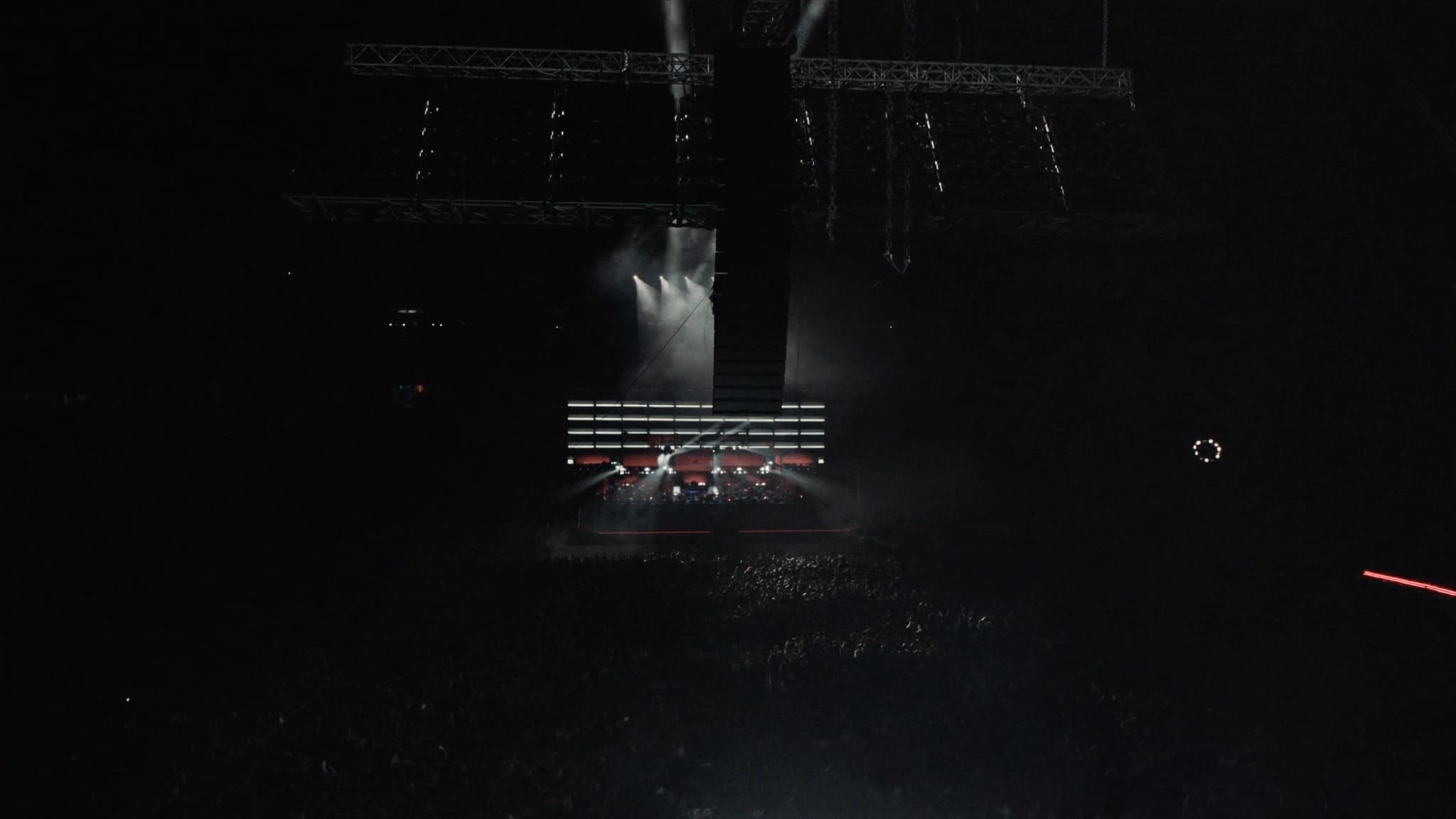
Stadionaudio is de ultieme test voor een PA-systeem: meer dan 50.000 zitplaatsen voorzien van helder, krachtig geluid voor zowel livemuziek als kritieke aankondigingen. Of u nu kiest voor een centraal opgehangen cluster of gedistribueerde delay-ringen, de techniek moet prioriteit geven aan verstaanbaarheid, gelijkmatige dekking en weersbestendigheid. SSOUNDS ontwerpt en bouwt systemen op stadionschaal die aan deze eisen voldoen, waarbij geavanceerde line array-technologie wordt gecombineerd met AI-ondersteunde voorspelling om wereldklasse resultaten te leveren.
Belangrijkste punten
- Stadionaudio vereist ofwel centraal opgehangen of gedistribueerde delay-rings systemen, elk met specifieke voordelen voor dekking en timing.
- Precieze tijdafstemming via DSP is cruciaal voor verstaanbaarheid, vooral in locaties met meerdere ringen en lange nagalmtijden.
- Langeafstands-line arrays met progressieve kromming leveren uniforme SPL van voor naar achter zonder overmatige niveaus in nabije stoelen.
- Systemen voor dubbel gebruik moeten uitblinken in zowel spraakverstaanbaarheid (STI >0,5) als volledig bereik muziekweergave.
- Weersbestendigheid en redundantie zijn niet onderhandelbaar voor buitenstadions; SSOUNDS-behuizingen voldoen aan IP55+ normen.
- SSOUNDS biedt end-to-end technische ondersteuning, van AI-ondersteunde modellering tot commissioning ter plaatse en back-up.
Gedistribueerde versus centraal opgehangen line arrays
De twee belangrijkste benaderingen voor stadionaudio zijn centraal opgehangen clusters en gedistribueerde delay-ringen. Centraal opgehangen arrays, doorgaans gehangen aan het scorebord of een specifiek riggingpunt, bieden een enkele puntbron die het hele stadion met consistente timing dekt. Deze methode werkt goed voor rechthoekige of ovale stadions met symmetrische zitplaatsen, omdat het kamfiltering minimaliseert en een natuurlijk geluidsveld behoudt. Het vereist echter enorme arrays met langeafstandsvermogen om de bovenste ringen te bereiken, en het gewicht en de windbelasting kunnen een uitdaging zijn.
Gedistribueerde systemen gebruiken meerdere kleinere clusters rond het stadion, vaak op lichtmasten, dakspanten of onder balkons, elk met een specifieke zone. Deze aanpak vermindert de behoefte aan extreme SPL vanaf één punt, verbetert de dekking in onregelmatig gevormde locaties en maakt een lager totaal systeemgewicht mogelijk. De keerzijde is meer complexiteit bij delay-uitlijning en mogelijke overlap van dekkingszones. SSOUNDS-engineers gebruiken geavanceerde simulatiesoftware om beide benaderingen te modelleren en optimaliseren voor de specifieke geometrie van elk stadion om een naadloze overdracht tussen zones te garanderen.
Delay-ringen en tijdafstemming
In elke grote locatie komt geluid van verre arrays later aan dan geluid van dichterbij, wat echo's en verminderde verstaanbaarheid veroorzaakt. Delay-ringen, secundaire clusters verder van het podium, worden tijdafgestemd zodat hun output op hetzelfde moment bij de luisteraar aankomt als het hoofdsysteem. Dit creëert een coherent golffront dat de helderheid voor gesproken aankondigingen en muzikale transiënten behoudt.
SSOUNDS-systemen bevatten precieze digitale signaalverwerking (DSP) met delay-aanpassing op sample-niveau, waarmee engineers elke behuizing tot op milliseconden kunnen uitlijnen. Voor stadions met meerdere delay-ringen, zoals die met drie of vier ringen, kan het systeem worden opgedeeld in onafhankelijke dekkingsgebieden, elk met eigen EQ- en delay-instellingen. Dit niveau van controle is essentieel voor het behoud van verstaanbaarheid achter in de bovenste ring, waar gereflecteerd geluid van het dak anders het directe signaal kan vertroebelen.
Langeafstandsdekking en SPL-beheer
Stadions vragen om luidsprekers die helder, onvervormd geluid kunnen projecteren over afstanden van 100 meter of meer. Langeafstands-line arrays gebruiken nauw gekoppelde drivers en waveguides om een smalle verticale spreiding te creëren, waarbij energie wordt gericht op de zitplaatsen in plaats van verspild aan het veld of de lucht. SSOUNDS-line arrays zijn ontworpen met hooggevoelige drivers en geoptimaliseerde hoornontwerpen die tot 140 dB SPL op 1 meter leveren, met consistente frequentierespons over de worpafstand.
SPL-beheer is even belangrijk: te veel niveau in de voorste rijen kan pijnlijk zijn, terwijl te weinig achterin betekent dat fans moeten turen om te horen. SSOUNDS-systemen gebruiken progressieve kromming en niveaudemping, waarbij bovenste behuizingen steiler worden gehoekt en harder worden aangestuurd, om een uniform geluidsveld van voor naar achter te creëren. Deze techniek, gecombineerd met digitale beam steering in sommige modellen, zorgt ervoor dat elke stoel dezelfde ervaring krijgt, of het nu veldniveau is of de hoogste rijen.
Verstaanbaarheid voor aankondigingen en muziek
Stadion-PA-systemen dienen een dubbel doel: het leveren van impactvolle muziek voor concerten en evenementen, en het bieden van kristalheldere spraak voor aankondigingen, noodwaarschuwingen en commentaar op wedstrijddagen. Spraakverstaanbaarheid wordt gemeten met metrieken zoals STI (Speech Transmission Index), die 0,5 moet overschrijden voor goede verstaanbaarheid en 0,7 voor uitstekende. SSOUNDS-systemen zijn ontworpen met vervormingsarme drivers en fase-coherente crossovers die vocale helderheid behouden, zelfs bij hoge SPL.
Voor muziek moet het systeem volledig bereik audio reproduceren met krachtige bas, heldere middentonen en uitgebreide hoge tonen. SSOUNDS-subwoofers, ingezet in cardioïde of end-fire arrays, leveren een strak, gecontroleerd laag dat het vocale bereik niet vertroebelt. De DSP van het systeem bevat preset-tunings voor muziek- en spraakmodi, waarmee operators kunnen schakelen tussen een vlakke respons voor concerten en een stemgeoptimaliseerde curve voor aankondigingen. Deze flexibiliteit is cruciaal voor multifunctionele stadions die zowel sport als entertainment huisvesten.
Weersbestendigheid en betrouwbaarheid
Buitenstadions stellen luidsprekers bloot aan regen, stof, extreme temperaturen en UV-straling. Weersbestendigheid is niet optioneel, het is een vereiste voor betrouwbaarheid op lange termijn. SSOUNDS-behuizingen zijn gebouwd met mariene multiplex, roestvaststalen beslag en weerbestendige coatings. Alle drivers zijn behandeld met hydrofobe verbindingen en invoerpanelen zijn verzegeld met pakkingen en afgedekt met weerbescherming. De systemen voldoen aan IP55 of hoger, wat werking in moessonomstandigheden of woestijnhitte garandeert.
Naast weer betekent betrouwbaarheid redundantie. SSOUNDS-versterkers hebben redundante voedingen en netwerkverbindingen, en het systeem kan worden geconfigureerd met actieve back-uppaden voor signaal en controle. Voor kritieke evenementen, zoals de Olympische Spelen of het WK, biedt SSOUNDS technische ondersteuning ter plaatse en reserve-inventaris, zodat elke storing binnen enkele minuten wordt opgelost. Dit niveau van betrouwbaarheid is waarom SSOUNDS wereldwijd wordt vertrouwd voor hoogwaardige stadionprojecten.
Waarom SSOUNDS voor projecten op stadionschaal
SSOUNDS brengt decennia aan technische erfenis en een staat van dienst van meer dan 700 grote producties naar elk stadionproject. Ons team werkt nauw samen met architecten, akoestici en systeemintegratoren vanaf de ontwerpfase tot en met commissioning, met behulp van AI-ondersteunde akoestische modellering om dekking te voorspellen en riggingpunten te optimaliseren. We verkopen niet alleen boxen, we leveren een complete, geverifieerde oplossing die voldoet aan de strenge eisen van moderne stadions.
Onze productlijn omvat speciaal gebouwde line arrays, subwoofers en versterkers die schalen van kleine arena's tot de grootste stadions. Met een wereldwijde aanwezigheid in het VK, de VS, Nigeria en West-Afrika biedt SSOUNDS lokale ondersteuning en snelle inzet. Wanneer u voor SSOUNDS kiest, kiest u een partner die de unieke uitdagingen van stadionaudio begrijpt en de technologie en expertise heeft om ze te overwinnen.
Veelgestelde vragen
Wat is het verschil tussen een centraal opgehangen en een gedistribueerd systeem voor een stadion?
Een centraal opgehangen systeem gebruikt één grote cluster die aan het midden van het dak hangt en zorgt voor een coherente bron, maar vereist langeafstandsvermogen en zware rigging. Gedistribueerde systemen gebruiken meerdere kleinere clusters rond het stadion, elk met een specifieke zone, wat het gewicht vermindert en de dekking in onregelmatige locaties verbetert, maar een zorgvuldige delay-uitlijning vereist.
Hoe zorg je voor spraakverstaanbaarheid in een groot stadion?
Verstaanbaarheid wordt bereikt door precieze tijdafstemming van delay-ringen, vervormingsarme drivers, fase-coherente crossovers en DSP-presets die zijn geoptimaliseerd voor spraak. SSOUNDS-systemen behalen STI-waarden boven 0,7 in goed ontworpen installaties.
Welke weersbestendigheid hebben SSOUNDS-stadionluidsprekers?
SSOUNDS-behuizingen zijn gebouwd met mariene multiplex, roestvaststalen beslag, hydrofobe driverbehandelingen en verzegelde invoerpanelen, met IP55 of hoger. Ze zijn ontworpen om regen, stof, UV en extreme temperaturen te weerstaan.
Kunnen SSOUNDS-systemen zowel voor concerten als sportevenementen worden gebruikt?
Ja. SSOUNDS DSP bevat schakelbare presets voor muziek- en spraakmodi, waarmee operators het systeem kunnen optimaliseren voor volledig bereik concertaudio of duidelijkheid van spraakaankondigingen. Het hoge SPL en de lage vervorming maken het geschikt voor beide.
Hoe ondersteunt SSOUNDS stadionprojecten?
SSOUNDS biedt AI-ondersteunde akoestische modellering, systeemontwerp, commissioning ter plaatse en doorlopende technische ondersteuning. We bieden ook redundante versterkerconfiguraties en reserve-inventaris voor kritieke evenementen.
Een systeem bouwen of upgraden?
SSOUNDS ontwerpt en produceert professionele PA wereldwijd, van een enkele ruimte tot stadionformaat.