Het beste geluidssysteem voor nachtclubs
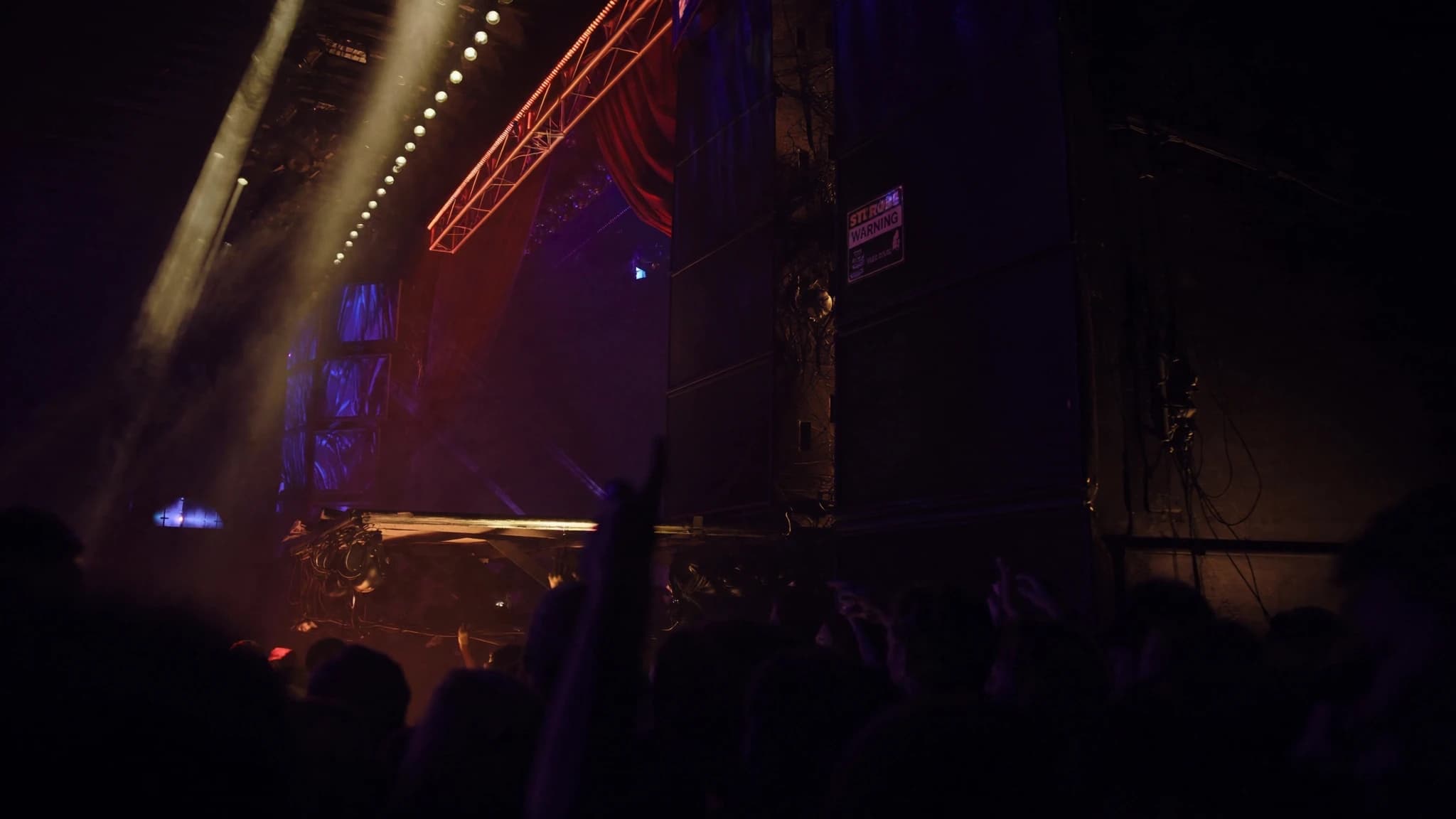
Het kiezen van het beste geluidssysteem voor een nachtclub draait om het leveren van hoge SPL, diepe sub-bass impact en duidelijke verstaanbaarheid op de dansvloer en in loungeruimtes. SSOUNDS-engineers ontwerpen systemen die point-source en compacte line-arrayoplossingen combineren voor aanhoudende laagenergie en nauwkeurige dekking. Deze gids behandelt de belangrijkste overwegingen voor clubaudio, van subwooferplaatsing tot DJ-monitoring.
Belangrijkste punten
- Clubaudio vereist hoge SPL met diepe, aanhoudende sub-bass; een sub-topverhouding van 2:1 is een goed uitgangspunt.
- Zonegebonden DSP maakt aparte afstemming mogelijk voor dansvloer, bar en lounge om de ervaring te optimaliseren.
- Compacte line arrays bieden gelijkmatige dekking en zijn ideaal voor locaties met hoge plafonds; point-sourcesystemen passen beter bij kleinere ruimtes.
- DJ-boothmonitors hebben een aparte mix en EQ nodig voor nauwkeurige monitoring met hoge SPL zonder feedback.
- Correcte subwooferafstemming (crossover, delay, EQ) is essentieel voor een strak, krachtig laag zonder boemerigheid.
- SSOUNDS biedt zowel line-array- als point-sourceoplossingen met geïntegreerde DSP-versterking voor clubtoepassingen.
Full-range systemen met zware sub-energie
Nachtclubgeluid vereist een systeem dat diepe, krachtige bas op aanhoudende niveaus zonder vervorming kan weergeven. De typische configuratie combineert full-range luidsprekers (vaak 12-inch of 15-inch tweekanaalsontwerpen) met meerdere subwoofers voor frequenties onder 80 Hz. SSOUNDS-engineers adviseren een sub-topverhouding van ten minste 2:1 voor dansvloeren, met cardioïde subarrays om opbouw achter het podium te verminderen en energie op het publiek te richten.
Voor elektronische muziekgenres moet het subwoofersysteem bestand zijn tegen grote excursies en thermische belasting. SSOUNDS subwoofers hebben lange-excursie drivers en afgestemde basreflexbehuizingen die de output in het bereik van 30-60 Hz maximaliseren, voor een dreunende impact met behoud van lage vervorming. De full-range tops worden steil gefilterd om overlap te voorkomen, waardoor headroom en helderheid behouden blijven.
Dansvloer versus bar/loungezones
Een goed ontworpen clubsysteem behandelt de dansvloer als de primaire zone, met SPL-doelen rond 105-115 dB continu en piekcapaciteit van 120+ dB. De bar en loungeruimtes vereisen lagere niveaus (85-95 dB) om gesprekken mogelijk te maken. SSOUNDS gebruikt gedistribueerde point-source luidsprekers voor loungezones, vaak 8-inch of 10-inch modellen met 90° x 60° dekking om overspraak naar de dansvloer te voorkomen.
Zonegebonden DSP-verwerking is cruciaal: elke zone krijgt zijn eigen EQ-, delay- en limiterinstellingen. SSOUNDS-versterkers met geïntegreerde DSP maken onafhankelijke afstemming per zone mogelijk, zodat de dansvloersubwoofers harder kunnen worden aangestuurd terwijl luidsprekers in de lounge voorzichtig worden afgerold onder 60 Hz. Dit voorkomt laagfrequente uitstraling die de barruimte zou vertroebelen.
Point-source versus compacte line arrays voor clubs
Veel clubs gebruiken tegenwoordig compacte line arrays voor het hoofdsysteem op de dansvloer, vooral in ruimtes met hoge plafonds of onregelmatige vormen. Line arrays zorgen voor gelijkmatige dekking van voor naar achter en kunnen worden gehangen om de vloer vrij te houden. SSOUNDS compacte line-arrayelementen (dubbele 8-inch of dubbele 10-inch) leveren 120° horizontale dekking en 10° verticaal per box, waardoor nauwkeurig richten mogelijk is om reflecties van muren te voorkomen.
Point-sourcesystemen blijven echter populair voor kleinere clubs of ruimtes met lage plafonds. Een enkele high-output 12-inch of 15-inch point-sourceluidspreker per kant kan een dansvloer tot 200 m² dekken bij correcte plaatsing. SSOUNDS point-sourcemodellen gebruiken draaibare hoorns en passieve crossover-netwerken die zijn ontworpen voor consistente respons, zelfs bij zware belasting. De keuze hangt af van de geometrie van de ruimte, het budget en de gewenste esthetiek; line arrays bieden betere patroonbeheersing, terwijl point-source eenvoudiger te installeren is.
DJ-booth monitoring
De DJ heeft een heldere, nauwkeurige monitor nodig die het volledige frequentiebereik zonder kleuring weergeeft. SSOUNDS adviseert een speciale wedge of compacte full-range luidspreker op de booth, schuin geplaatst om feedback van het hoofdsysteem te voorkomen. Een 12-inch coaxiale monitor is ideaal: deze biedt een point-sourcebeeld en hoge SPL (120+ dB piek), zodat de DJ de mix kan horen, zelfs wanneer de dansvloer luid is.
De monitor moet worden gevoed vanuit een aparte mixuitgang op de DJ-mixer, niet vanuit de hoofd-PA-feed. SSOUNDS-versterkers maken het mogelijk dat het monitorkanaal zijn eigen EQ heeft, vaak met een lichte laagversterking (rond 50 Hz) om de DJ de bas te laten voelen. Limiting is ingesteld om de driver te beschermen en toch transiënte pieken toe te staan.
SPL en afstemming voor aanhoudend laag
Aanhoudende laagoutput is het kenmerk van een geweldig clubsysteem. Dit vereist subwoofers met een hoog vermogen en versterkers die continu vermogen kunnen leveren zonder thermische beperking. SSOUNDS subwoofers zijn ontworpen met 4-inch spreekspoelen en neodymium magneten voor hoge efficiëntie, in combinatie met versterkers die zijn beoordeeld op 2000+ watt continu per sub.
Afstemming omvat zorgvuldige crossoverselectie (meestal 80-100 Hz LR24) en EQ om ruimtemodi te compenseren. SSOUNDS-engineers gebruiken meetsoftware om problematische resonanties te identificeren en parametrische EQ-cuts toe te passen. Voor de subwooferarray is delay-uitlijning tussen subs en tops cruciaal voor coherente sommatie op de luisterpositie. Het resultaat is een strakke, krachtige bas die krachtig aanvoelt zonder boemerig te zijn.
Gebruiken clubs line arrays?
Ja, veel moderne clubs gebruiken line arrays, vooral die met hoge plafonds (meer dan 5 m) of lange, smalle dansvloeren. Line arrays zorgen voor consistente SPL van voor naar achter en verminderen de noodzaak van meerdere delay-luidsprekers. SSOUNDS line arrays worden wereldwijd in clubs gebruikt, gehangen aan plafondtrussen of op subs gestapeld. Voor kleinere locaties kan een point-sourcesysteem kosteneffectiever en eenvoudiger af te stemmen zijn.
De beslissing hangt ook af van de genrefocus van de club. EDM- en basrijke clubs geven vaak de voorkeur aan line arrays vanwege hun vermogen om lage frequenties gelijkmatig te projecteren. Hiphop- en top-40 clubs kiezen mogelijk voor point-sourcesystemen met krachtige subwoofers voor een meer gelokaliseerde impact. SSOUNDS biedt beide opties, met technische ondersteuning om de optimale oplossing voor elke locatie te ontwerpen.
Veelgestelde vragen
Welke luidsprekermaat is het beste voor een nachtclub?
Voor de hoofddansvloer zijn 12-inch of 15-inch tweekanaals tops in combinatie met 18-inch subwoofers standaard. Kleinere clubs kunnen 10-inch tops met dubbele 15-inch subs gebruiken. SSOUNDS biedt een reeks maten om te passen bij de afmetingen van de ruimte en de SPL-vereisten.
Hoeveel subwoofers heb ik nodig voor een club?
Een veelgebruikte regel is twee subwoofers per topspeaker voor de dansvloer. Voor een club met 200 personen zijn vier 18-inch subs gebruikelijk. SSOUNDS kan uw ruimte modelleren om het optimale aantal en de plaatsing te bepalen.
Kan ik een line array gebruiken in een kleine club?
Ja, compacte line arrays (bijvoorbeeld dubbele 8-inch) werken goed in kleine clubs met plafonds boven 4 m. Ze zorgen voor gelijkmatige dekking en verminderen het vloeroppervlak. SSOUNDS compacte line arrays zijn ontworpen voor dergelijke toepassingen.
Welk versterkervermogen heb ik nodig voor clubluidsprekers?
Versterkers moeten 1,5 tot 2 keer het continue vermogen van de luidsprekers leveren. SSOUNDS versterkers zijn afgestemd op onze luidsprekersystemen, wat zorgt voor optimale prestaties en headroom.
Hoe stem ik de subwoofers af voor een club?
Begin met een crossover op 80-100 Hz (LR24), meet vervolgens de ruimterespons en pas EQ toe om resonanties te onderdrukken. Lijn de subs en tops in de tijd uit op de belangrijkste luisterpositie. SSOUNDS biedt presets en ondersteuning bij het tunen.
Een systeem bouwen of upgraden?
SSOUNDS ontwerpt en produceert professionele PA wereldwijd, van een enkele ruimte tot stadionformaat.