De beste luidsprekers voor een sportschool en fitnessstudio
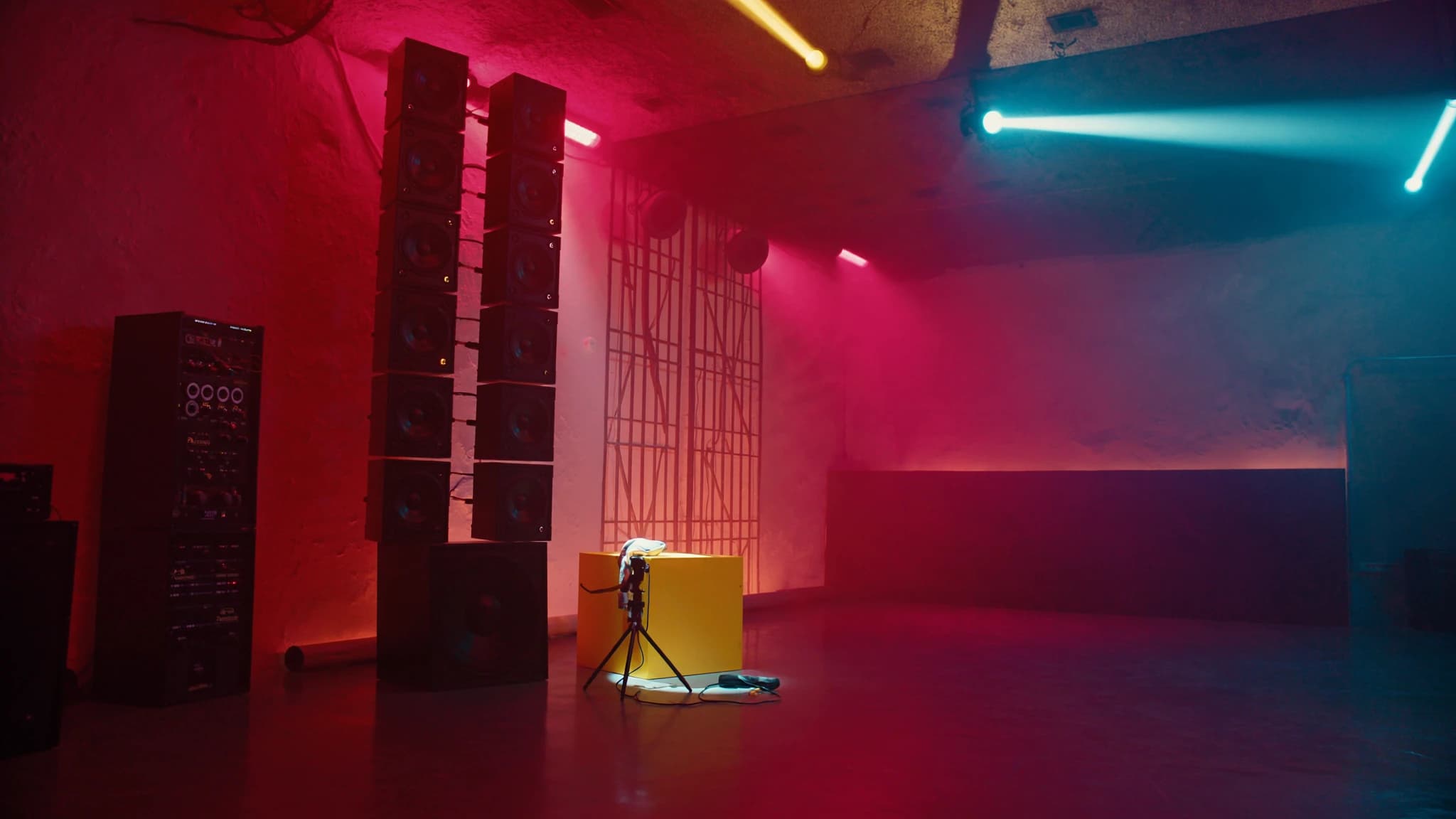
Audio in een sportschool en fitnessstudio vraagt meer dan alleen luidheid: het vereist gelijkmatige dekking bij hoge SPL, krachtige bas voor de energie in de les en robuuste duurzaamheid om zweet, trillingen en constant gebruik te weerstaan. Of u nu een boutique spinningstudio inricht of een fitnesscentrum met meerdere zones, SSOUNDS engineering levert de helderheid en impact die leden gemotiveerd houdt en instructeurs verstaanbaar maakt.
Belangrijkste punten
- Subwoofers zijn essentieel voor high-energy lessen, ze leveren de basimpact die ritme en motivatie aandrijft.
- Oppervlaktegemonteerde luidsprekers presteren beter dan plafondluidsprekers in dekking en basrespons voor actieve studio's.
- Zonering maakt apart volume en EQ mogelijk voor verschillende gebieden, van HIIT-ruimtes tot yogastudio's.
- Duurzaamheid is belangrijk: let op vochtbestendige behuizingen, corrosievrije hardware en overbelastingsbeveiliging.
- Verstaanbaarheid bij hoge SPL vereist DSP-geoptimaliseerde presets en de juiste akoestische behandeling.
- Schaalbare networked systemen (Dante/AVB) maken uw investering toekomstbestendig en vereenvoudigen uitbreiding.
Waarom sportscholen subwoofers nodig hebben voor de energie in de les
Veel sportschooleigenaren gaan ervan uit dat een paar plafondluidsprekers volstaat, maar high-energy fitnesslessen. HIIT, spinning, Zumba, leunen op bas om ritme en intensiteit aan te drijven. Zonder subwoofers is het laag dun en weinig inspirerend, waardoor lessen vlak aanvoelen. SSOUNDS subwoofers zijn ontworpen om strakke, krachtige bas te leveren die de ruimte vult zonder het middengebied te vertroebelen, zodat beats hard en helder aankomen.
Voor een typische studio van 2.000 sq ft kan een enkele SSOUNDS subwoofer in combinatie met full-range tops de fysieke impact bieden die nodig is voor piekmomenten. In grotere ruimtes creëren meerdere subs die strategisch zijn geplaatst (bijvoorbeeld in hoeken of langs wanden) een gelijkmatige laagfrequente dekking. Onze DSP-presets bevatten voor de sportschool geoptimaliseerde curves die het bereik van 40-80 Hz versterken zonder de verstaanbaarheid van vocalen op te offeren.
Plafond- versus oppervlaktegemonteerde luidsprekers: wat werkt het beste
Plafondluidsprekers zijn populair vanwege hun discrete uiterlijk, maar ze compromitteren vaak de dekking en de basrespons. In sportscholen kunnen plafondgemonteerde 70V-systemen werken voor achtergrondmuziek in zones met weinig impact, zoals cardiozones, maar voor high-energy studio's zijn oppervlaktegemonteerde point-source of line array luidsprekers superieur. Ze projecteren geluid rechtstreeks naar het luistergebied, verminderen reflecties en zorgen voor gelijkmatige SPL in de hele ruimte.
SSOUNDS oppervlaktegemonteerde luidsprekers hebben draaibare hoorns en meerdere riggingpunten, waardoor nauwkeurig richten mogelijk is om dode plekken te dekken. Voor studio's met lage plafonds (onder 12 ft) leveren onze compacte point-source modellen 130 dB piek-SPL met gecontroleerde dispersie. Plafondluidsprekers kunt u het beste bewaren voor gangen, kleedkamers of receptiegebieden waar esthetiek zwaarder weegt dan prestaties.
Studio's in zones verdelen: aparte regeling voor verschillende gebieden
Voor faciliteiten met meerdere ruimtes adviseren wij een centrale versterkerrack met speciale uitgangen per zone, bedraad met gebalanceerde audiosnakes of Dante digitale audio. Dit voorkomt signaalverlies over lange afstanden en vereenvoudigt probleemoplossing. Onze engineers kunnen u helpen zonegrenzen te bepalen op basis van wandconstructie en gewenste SPL-niveaus.
Duurzaamheid: bestand tegen zweet, trillingen en stof
Sportschoolomgevingen zijn zwaar voor elektronica. Zweet, vochtigheid, trillingen van zware apparatuur en zwevend stof kunnen standaardluidsprekers snel aantasten. SSOUNDS luidsprekers zijn gebouwd met behuizingen van marine-grade multiplex, corrosiebestendige hardware en weerbestendige roosters. Onze transducers zijn behandeld met hydrofobe coatings om vocht af te stoten en alle modellen bevatten overbelastingsbeveiligingscircuits.
Voor plafondluidsprekers adviseren wij modellen met gesloten backcans om binnendringen van stof te voorkomen. Oppervlaktegemonteerde luidsprekers moeten worden geïnstalleerd met trillingsdempende bevestigingen om vermoeiing te verminderen. Regelmatig onderhoud, het afvegen van roosters met een vochtige doek en het controleren van verbindingen, verlengt de levensduur. SSOUNDS biedt een garantie van 5 jaar op passieve luidsprekers en 3 jaar op actieve modellen, wat ons vertrouwen in duurzaamheid weerspiegelt.
Motiverend en verstaanbaar geluid in de sportschool ontwerpen
Akoestische behandeling wordt vaak over het hoofd gezien. Harde oppervlakken (spiegels, ramen, beton) veroorzaken flutterecho's die de verstaanbaarheid verminderen. Strategische plaatsing van basstraps en absorptiepanelen kan de geluidskwaliteit aanzienlijk verbeteren. Ons team kan een gratis akoestische analyse en systeemontwerp voor uw ruimte verzorgen, zodat elke decibel telt.
Systeemdimensionering en schaalbaarheid
Begin met de grootste ruimte, doorgaans de hoofdstudio, en bouw van daaruit verder. Een studio van 1.500 sq ft met plafonds van 12 ft heeft ongeveer 2.000-3.000 watt continu vermogen nodig voor high-energy lessen. SSOUNDS biedt schaalbare oplossingen: een enkel paar van onze 12-inch tops en een dubbele 18-inch sub kunnen dit aan, met ruimte om delay-luidsprekers toe te voegen voor grotere ruimtes.
Voor faciliteiten met meerdere ruimtes kunt u een networked audiosysteem met Dante of AVB overwegen. Hiermee kunt u zones uitbreiden zonder opnieuw te bedraden. Onze versterkers ondersteunen daisy-chaining en remote monitoring, zodat u de systeemstatus vanaf een tablet kunt controleren. Toekomstbestendigheid met een digitale backbone zorgt ervoor dat uw investering meegaat door uitbreidingen heen.
Veelgestelde vragen
Welk formaat subwoofer heb ik nodig voor een sportschool van 2.000 sq ft?
Een enkele 18-inch subwoofer met 1.000-1.500 watt RMS is doorgaans voldoende voor high-energy lessen. Voor een gelijkmatige basverdeling kunt u twee 15-inch of 18-inch subs overwegen die in tegenoverliggende hoeken worden geplaatst.
Kan ik plafondluidsprekers gebruiken voor een spinningstudio?
Plafondluidsprekers missen de basrespons en SPL die nodig zijn voor spinninglessen. Oppervlaktegemonteerde luidsprekers met speciale subwoofers worden aanbevolen voor de punch en helderheid die nodig zijn.
Hoe voorkom ik feedback wanneer instructeurs draadloze microfoons gebruiken?
Gebruik een DSP met feedbackonderdrukking, notchfilters en zorgvuldige EQ. Plaats luidsprekers vóór het opnamepatroon van de microfoon van de instructeur en vermijd dat luidsprekers rechtstreeks op reflecterende oppervlakken zijn gericht.
Wat is de beste manier om een sportschool met meerdere ruimtes in zones te verdelen?
Gebruik een multikanaals DSP-versterker met afzonderlijke uitgangen per zone. Sluit elke zone aan via gebalanceerde audio of Dante en stel presets in voor volume en EQ per ruimte. Bedien via een centrale touchscreen of mobiele app.
Hoe vaak moet ik de luidsprekers in de sportschool onderhouden?
Veeg roosters maandelijks af met een vochtige doek om stof en zweet te verwijderen. Controleer verbindingen en de stevigheid van roosters per kwartaal. Laat een professional jaarlijks de drivers en DSP-instellingen inspecteren.
Een systeem bouwen of upgraden?
SSOUNDS ontwerpt en produceert professionele PA wereldwijd, van een enkele ruimte tot stadionformaat.