De beste luidsprekers voor luchthavens en vervoersknooppunten
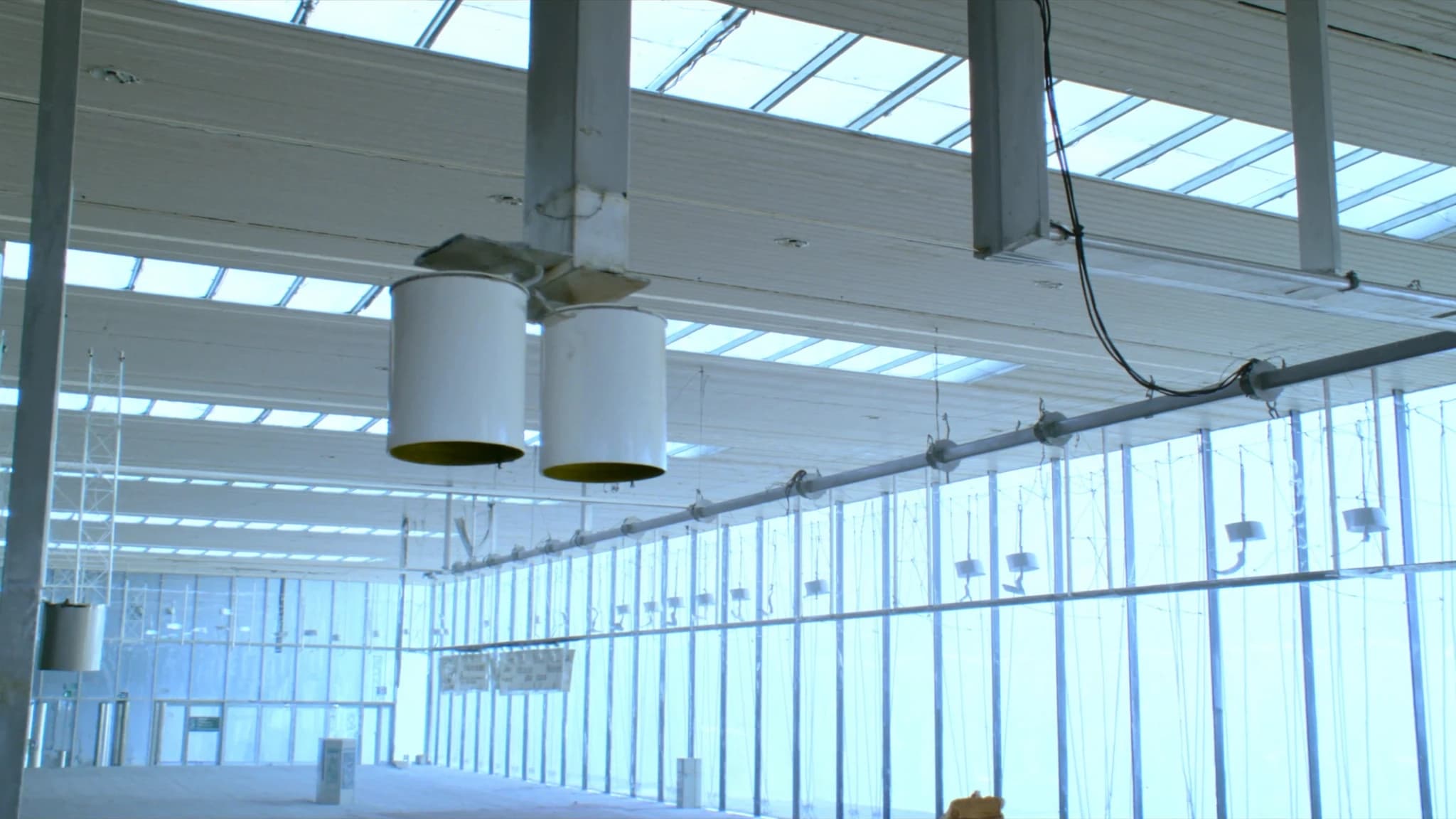
Luchthavens, treinstations en busstations vragen meer dan alleen hard geluid: ze vereisen voice-alarm (VA)-systemen die kristalheldere verstaanbaarheid bieden onder extreme omgevingsgeluiden, voldoen aan EN 54-normen voor noodevacuatie en integreren met complexe zonering en omgevingsgeluiddetectie. SSOUNDS commerciële PA/VA-systemen zijn ontworpen om aan deze strenge eisen te voldoen, met hoogwaardige STI-prestaties, gedistribueerde 70/100V-lijnarchitecturen en intelligente DSP om ervoor te zorgen dat elke aankondiging wordt gehoord en begrepen, zelfs in de luidruchtigste vervoersomgevingen.
Belangrijkste punten
- Vervoersknooppunten vereisen PA/VA-systemen van voice-alarmkwaliteit die verstaanbaarheid (STI) en naleving van noodvoorschriften (EN 54) prioriteren.
- Gedistribueerde 70/100V-lijnarchitectuur is essentieel voor het dekken van grote gebieden met minimaal vermogensverlies en eenvoudige zonering.
- Omgevingsgeluiddetectie en automatische versterkingsregeling zorgen ervoor dat aankondigingen hoorbaar blijven bij fluctuerende geluidsomstandigheden.
- SSOUNDS commerciële systemen bieden gecertificeerde EN 54-naleving, redundante versterkers en continue lijnmonitoring voor fail-safe werking.
- Correcte luidsprekerplaatsing, kabelselectie en inbedrijfstelling zijn cruciaal voor het behalen van een hoge STI in galmende vervoersomgevingen.
- Netwerk-audio en IoT-integratie maken toekomstbestendige, centraal beheerde PA/VA-systemen mogelijk die zich aanpassen aan realtime operationele gegevens.
Waarom vervoersknooppunten PA/VA van voice-alarmkwaliteit nodig hebben
In een drukke luchthaven of treinstation kunnen achtergrondgeluidsniveaus sterk fluctueren, van het gebrul van straalmotoren tot het gerommel van treinen en menigten. Standaard PA-systemen slagen er vaak niet in om door dit lawaai heen te dringen, wat resulteert in onverstaanbare aankondigingen die reizigers negeren. Voice-alarm (VA)-systemen zijn ontworpen om verstaanbaarheid en betrouwbaarheid prioriteit te geven, en voldoen aan normen zoals EN 54 (Europa) en NFPA 72 (Noord-Amerika) voor noodomroep bij evacuatie. SSOUNDS commerciële systemen zijn vanaf de grond opgebouwd voor deze kritieke toepassingen, met gecertificeerde componenten en geavanceerde DSP die spraaktransmissie-index (STI)-waarden boven 0,5 handhaven, zelfs bij hoge omgevingsgeluiden.
Naast naleving van noodvoorschriften vereisen vervoersknooppunten duidelijke omroep voor gatewijzigingen, vertragingen en beveiligingswaarschuwingen. Een systeem dat geen verstaanbare berichten kan afleveren, veroorzaakt verwarring, vertraagt operaties en kan zelfs de veiligheid in gevaar brengen. SSOUNDS pakt dit aan met speciaal ontworpen luidsprekers die brede dispersie combineren met hoogrendement transducers, zodat elk woord door het lawaai heen komt zonder overmatige SPL die luistervermoeidheid veroorzaakt.
Belangrijke technische criteria: STI, zonering en omgevingsgeluiddetectie
Speech Transmission Index (STI) is de gouden standaard voor het meten van verstaanbaarheid in omroepsystemen. Voor vervoersknooppunten wordt een minimale STI van 0,5 aanbevolen voor routineaankondigingen, terwijl noodsystemen vaak mikken op 0,7 of hoger. SSOUNDS-luidsprekers behalen een hoge STI door gecontroleerde richtingskarakteristiek, waardoor reflecties en nagalm die spraak vervagen tot een minimum worden beperkt. Onze line array- en point-source-behuizingen zijn ontworpen met waveguides die energie richten waar deze nodig is, waardoor uitstraling naar niet-kritieke zones wordt verminderd.
Zonering is een andere kritieke vereiste. Een grote terminal kan tientallen zones hebben, check-in, beveiliging, gates, bagageclaim en lounges, elk met onafhankelijke volumeregeling en berichtroutering. SSOUNDS DSP-versterkers ondersteunen tot 64 zones per eenheid, met programmeerbare prioriteitsschema's waarmee noodberichten achtergrondmuziek of routineomroep kunnen overschrijven. Omgevingsgeluiddetectie (ANS) is geïntegreerd in onze besturingssystemen: microfoons in elke zone meten continu geluidsniveaus en passen automatisch de versterkerversterking aan om een constante signaal-ruisverhouding te handhaven. Dit zorgt ervoor dat aankondigingen altijd hoorbaar zijn zonder onaangenaam luid te zijn tijdens rustige periodes.
Gedistribueerde 70/100V-lijnarchitectuur: de ruggengraat van grootschalige PA
Vervoersknooppunten beslaan enorme gebieden, soms honderdduizenden vierkante meter, waardoor traditionele laagimpedante luidsprekerbekabeling onpraktisch is. 70V (Noord-Amerika) en 100V (Europa/Azië) gedistribueerde lijnsystemen maken lange kabeltrajecten mogelijk met minimaal vermogensverlies, met transformatoren bij elke luidspreker om impedantie aan te passen. SSOUNDS biedt een volledig assortiment 70/100V-compatibele luidsprekers, van plafondmodellen voor hallen tot weerbestendige behuizingen voor buitenperrons en parkeerterreinen.
Onze 70/100V-transformatoren zijn ontworpen voor lage invoegverliezen en brede bandbreedte, waardoor spraakhelderheid behouden blijft, zelfs bij lage tapinstellingen. Voor zones die hogere SPL vereisen, zoals vertrekhallen of treinperrons. SSOUNDS biedt multi-tap-opties (bijv. 1,25W, 2,5W, 5W, 10W) waarmee de dekking fijn kan worden afgestemd. De gedistribueerde architectuur vereenvoudigt ook redundantie: als één versterker uitvalt, kunnen naburige zones opnieuw worden geconfigureerd om het gat te dekken, waardoor continue werking tijdens noodsituaties wordt gegarandeerd.
EN 54-naleving en noodomroep bij evacuatie
EN 54 is de Europese norm voor branddetectie- en alarmsystemen, inclusief voice-evacuatie. Deze schrijft voor dat PA/VA-systemen gedurende ten minste 30 minuten tijdens brand moeten blijven werken, met redundante versterkers, foutmonitoring en batterijback-up. SSOUNDS commerciële systemen zijn ontworpen om aan deze eisen te voldoen, met versterkers die dubbele voedingen, automatische failover en continue lijnmonitoring hebben die open circuits, kortsluitingen en aardfouten detecteert.
Onze luidsprekers zijn vervaardigd uit brandvertragende materialen en getest om te waarborgen dat ze geen giftige dampen uitstoten of verbranding ondersteunen. Voor vervoersknooppunten bieden we ook inbouw- en opbouwbehuizingen met IP54 of hoger, die bescherming bieden tegen stof en vocht in semi-outdoor gebieden. De volledige signaalketen, van microfoon tot DSP tot versterker, wordt bewaakt, met realtime statusrapportage naar een centraal bedieningspaneel. Dit niveau van betrouwbaarheid is niet onderhandelbaar voor luchthavens en stations waar duizenden levens afhangen van duidelijke, tijdige evacuatie-instructies.
SSOUNDS commerciële systemen: speciaal gebouwd voor vervoer
SSOUNDS commerciële PA/VA-systemen combineren decennia van professionele audio-engineering met strikte naleving van internationale veiligheidsnormen. Onze productlijn omvat plafondluidsprekers met brede 120°-dispersie voor gelijkmatige dekking in open ruimtes, kolomluidsprekers met smalle verticale patronen voor lange gangen en hallen, en weerbestendige hoornluidsprekers voor buitenperrons. Alle modellen zijn verkrijgbaar in 70/100V-versies met meerdere tapinstellingen.
Het SSOUNDS DSP-platform biedt intuïtieve software voor systeemontwerp, zonering en configuratie van omgevingsgeluid. Ingenieurs kunnen de dekking modelleren met EASE of eigen tools, STI-waarden voorspellen en noodsituaties simuleren vóór installatie. Inbedrijfstelling ter plaatse wordt vereenvoudigd met auto-calibratieroutines die omgevingsgeluid meten en optimale versterkingsniveaus instellen. Voor bestaande vervoersknooppunten die upgraden van legacy-systemen biedt SSOUNDS retrofitkits die integreren met bestaande bekabeling en bedieningspanelen, waardoor downtime en verstoring tot een minimum worden beperkt.
Beste installatiepraktijken voor vervoersknooppunten
Correcte luidsprekerplaatsing is cruciaal voor het behalen van een hoge STI in galmende ruimtes. In grote terminals moeten plafondluidsprekers niet meer dan 6–8 meter uit elkaar worden geplaatst, met overlappende dekking om dode zones te voorkomen. Voor treinperrons bieden kolomluidsprekers die op pilaren of muren op 3–4 meter hoogte zijn gemonteerd gerichte dekking langs de perronrand. Buitengebieden vereisen weerbestendige behuizingen met UV-stabiele materialen en corrosiebestendige roosters.
Kabelselectie is even belangrijk: gebruik brandwerende, laagcapacitieve kabel voor 100V-lijnen om hoogfrequentverlies over lange afstanden te minimaliseren. SSOUNDS adviseert gestrande kopergeleiders van ten minste 1,5 mm² voor afstanden tot 500 meter, en 2,5 mm² voor langere afstanden. Alle verbindingen moeten worden gemaakt met schroefklemmen of gekrompen connectoren om betrouwbaarheid onder trillingen te garanderen. Ten slotte moet elk systeem een volledige inbedrijfstellingstest ondergaan die STI in elke zone meet, de functionaliteit van noodoverschrijving verifieert en de reacties van foutmonitoring documenteert.
Toekomstbestendig met netwerk-audio en IoT-integratie
Moderne vervoersknooppunten adopteren steeds vaker netwerk-audio-oplossingen die gecentraliseerde controle, remote monitoring en integratie met gebouwbeheersystemen mogelijk maken. SSOUNDS ondersteunt Dante en AES67 digitale audio-netwerken, waardoor flexibele routering van meerdere audiobronnen (omroepmicrofoons, vooraf opgenomen berichten, achtergrondmuziek) naar elke zone mogelijk is. Onze versterkers bevatten ingebouwde webservers voor remote diagnostiek, firmware-updates en realtime prestatie-dashboards.
IoT-integratie gaat verder: omgevingsgeluidsensoren kunnen gegevens leveren aan een centraal analyseplatform dat geluidspatronen voorspelt op basis van vluchtschema's of treintijden, en automatisch systeemparameters aanpast. SSOUNDS loopt voorop in deze evolutie en biedt open API's waarmee externe ontwikkelaars aangepaste applicaties voor vervoersexploitanten kunnen maken. Of het nu gaat om geautomatiseerde gatewijzigingsaankondigingen die door vluchtgegevens worden geactiveerd of dynamische volumeregeling tijdens piekuren, SSOUNDS-systemen zijn klaar voor de slimme terminals van morgen.
Veelgestelde vragen
Wat is de minimale STI die vereist is voor luchthaven-PA-systemen?
Voor routineaankondigingen wordt een minimale STI van 0,5 aanbevolen, terwijl omroepsystemen voor noodevacuatie vaak 0,7 of hoger vereisen. SSOUNDS-systemen zijn ontworpen om STI-waarden boven 0,6 te behalen, zelfs in omgevingen met veel lawaai.
Kunnen SSOUNDS-systemen integreren met bestaande brandmeldpanelen?
Ja, SSOUNDS-versterkers bevatten droge-contactingangen en relaisuitgangen die interfacen met standaard brandmeldcentrales (FACP). Noodberichten kunnen automatisch worden geactiveerd via contactsluiting of netwerkcommando's.
Wat is de maximale kabellengte voor een 100V-lijnsysteem?
Met de juiste kabeldikte (bijv. 1,5 mm²) kunnen 100V-lijnen tot 500 meter lopen zonder significant verlies. Gebruik voor langere afstanden 2,5 mm²-kabel of installeer extra versterkers om de belasting te verminderen.
Zijn SSOUNDS-luidsprekers geschikt voor buitenperrons van treinstations?
Absoluut. SSOUNDS biedt weerbestendige hoorn- en kolomluidsprekers met IP54 of hoger, UV-stabiele behuizingen en corrosiebestendige roosters, ideaal voor semi-outdoor en volledig blootgestelde vervoersomgevingen.
Hoe werkt omgevingsgeluiddetectie in SSOUNDS-systemen?
Microfoons in elke zone meten continu geluidsniveaus. De DSP past automatisch de versterkerversterking aan om een constante signaal-ruisverhouding te handhaven, zodat aankondigingen altijd hoorbaar zijn zonder handmatige tussenkomst.
Een systeem bouwen of upgraden?
SSOUNDS ontwerpt en produceert professionele PA wereldwijd, van een enkele ruimte tot stadionformaat.