De beste luidsprekers voor restaurants, bars en hospitality
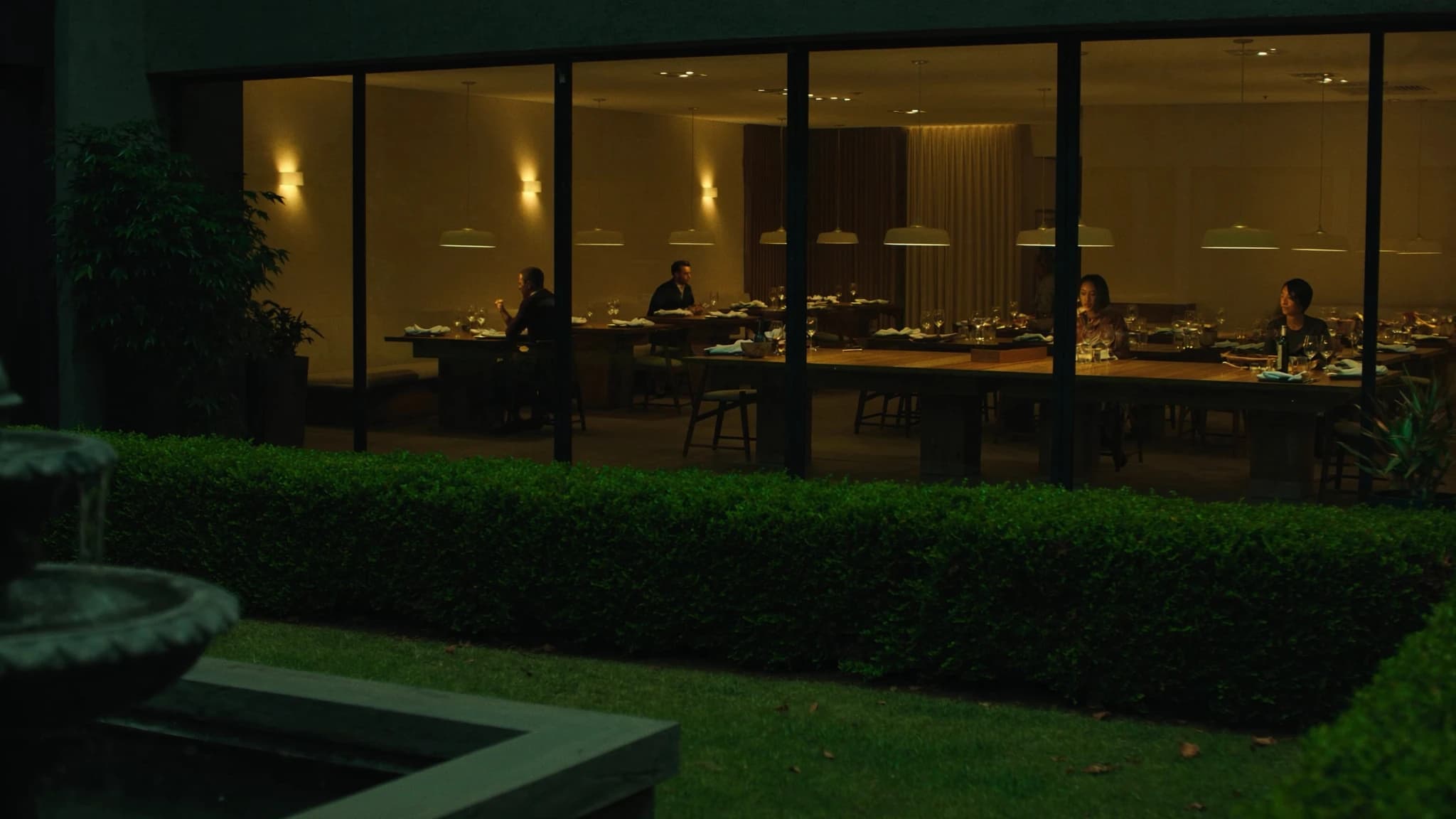
Het creëren van de perfecte audiosfeer in restaurants, bars en hospitalitylocaties vereist meer dan alleen luidsprekers: het vraagt om een systeem dat is ontworpen voor achtergrondambiance, voorgrondmuziek en heldere omroep, en dat zich tegelijk discreet in het interieur voegt. SSOUNDS brengt professionele engineering naar de hospitality, met plafond- en compacte oppervlakteluidsprekers die gelijkmatige dekking op laag niveau, flexibele zoning en efficiënte 100V-distributie voor multi-zone-installaties leveren. Deze gids behandelt de belangrijkste overwegingen en best practices voor het specificeren van een systeem dat de gastbeleving verhoogt zonder concessies te doen aan esthetiek of verstaanbaarheid.
Belangrijkste punten
- Hospitality-audio vereist gelijkmatige dekking op laag niveau (70–85 dB SPL) met minimale variatie, het beste te bereiken met gedistribueerde plafond- of compacte oppervlakteluidsprekers.
- 100V-lijndistributie is de industriestandaard voor multi-zone-installaties, waardoor lange kabellengtes en eenvoudige tap-instellingen per luidspreker mogelijk zijn.
- Zoning maakt verschillende content en volumeniveaus mogelijk in eet-, bar-, patio- en omroepzones, met priority-override voor aankondigingen.
- Discrete esthetiek is cruciaal: kies overschilderbare grilles, low-profile ontwerpen en aangepaste kleuren om op te gaan in het interieur.
- Voorspellende modellering en correcte luidsprekerafstand (op basis van plafondhoogte en spreiding) zorgen voor consistente dekking zonder hot of dead spots.
- SSOUNDS biedt een compleet assortiment 100V-plafond- en oppervlakteluidsprekers met DSP-versterkers voor turnkey hospitality-oplossingen.
De akoestische eisen van hospitalityruimtes begrijpen
Restaurants, bars en hotels vormen unieke akoestische uitdagingen: ze moeten achtergrondmuziek ondersteunen die een sfeer zet, voorgrondmuziek voor energieke zones en heldere omroep voor aankondigingen, allemaal zonder het gesprek te overheersen of dode plekken te creëren. Anders dan concertlocaties vereisen hospitalityruimtes gelijkmatige dekking op laag niveau die hot en cold zones vermijdt, vooral in gebieden met onregelmatige vormen, hoge plafonds of gemengde materialen zoals glas en hout.
SSOUNDS-engineers benaderen deze ruimtes door de nagalmtijd, het achtergrondgeluidsniveau en de beoogde gebruikspatronen van de ruimte te analyseren. Een fine-dining restaurant heeft bijvoorbeeld een ander geluidsdrukniveau (SPL) en een andere frequentiebalans nodig dan een sportbar. Het doel is consistente verstaanbaarheid voor spraak en natuurlijke weergave voor muziek, doorgaans bij 70–85 dB SPL, met behulp van gedistribueerde luidsprekerarrays in plaats van een paar krachtige units.
Plafond- versus compacte oppervlakteluidsprekers: de juiste vormfactor kiezen
Plafondluidsprekers zijn de eerste keuze voor hospitality omdat ze in de architectuur verdwijnen en van bovenaf onopvallende dekking bieden. SSOUNDS-plafondmodellen hebben een brede spreiding (doorgaans 120° conisch) om het aantal benodigde units te minimaliseren, en ze zijn verkrijgbaar in 100V-versies voor eenvoudig doorkoppelen tussen zones. Ze excelleren in verlaagde plafonds, maar kunnen ook opbouw worden gemonteerd met low-profile behuizingen.
Compacte oppervlakteluidsprekers zijn daarentegen ideaal wanneer plafondmontage onpraktisch is, zoals in ruimtes met zichtbare balken, hoge atria of historische plafonds. SSOUNDS compacte oppervlakteluidsprekers bieden vergelijkbare spreiding en vermogensverwerking, maar kunnen worden geverfd om bij muren of plafonds te passen. Ze worden vaak gebruikt in bars en lounges waar een zichtbare luidspreker deel kan uitmaken van de designesthetiek, of op buitenpatio's waar weerbestendigheid nodig is.
100V-distributie: de ruggengraat van multi-zone hospitalitysystemen
100V-lijndistributie (ook wel constante spanning genoemd) is de standaard voor commerciële hospitality-installaties omdat het lange kabellengtes met minimaal verlies en eenvoudige parallelle bedrading van meerdere luidsprekers mogelijk maakt. SSOUNDS biedt een reeks 100V-transformators die in zijn plafond- en oppervlakteluidsprekers zijn geïntegreerd, waardoor installateurs vermogensniveaus per luidspreker kunnen aftakken (bijv. 1,5W, 3W, 6W, 12W) om dekking en SPL in balans te brengen.
Deze aanpak vereenvoudigt zoning: elke zone (bijv. eetzaal, bar, patio) kan een eigen versterkerkanaal hebben of worden aangestuurd door één versterker met afzonderlijke volumeregelingen. SSOUNDS raadt aan om voor elke zone een speciale 100V-versterker met DSP te gebruiken om EQ en delay af te stemmen, zodat overgangen tussen gebieden naadloos verlopen. Voor omroep kan een priority-ingang de muziek in geselecteerde zones overschrijven, waardoor aankondigingen duidelijk zijn zonder de algehele sfeer te verstoren.
Zoningstrategieën voor flexibele audiobediening
Effectieve zoning stelt een hospitalitylocatie in staat om in verschillende gebieden verschillende content af te spelen, bijvoorbeeld upbeat muziek in de bar, rustige jazz in de eetzaal en een aparte omroepzone voor de keuken. SSOUNDS-systemen ondersteunen zoning via multikanaalsversterkers of netwerkgestuurde DSP-units die kunnen worden geprogrammeerd via een eenvoudig wandpaneel of een mobiele app.
Best practice is om luidsprekers te groeperen op akoestische gelijkenis (bijv. alle plafondluidsprekers in één zone) en een aparte subwooferzone te gebruiken als laagfrequente uitbreiding nodig is voor voorgrondmuziek. SSOUNDS raadt ook een speciale omroepmicrofoon aan met een priority-override die het muziekvolume automatisch duckt met een door de gebruiker bepaalde hoeveelheid (bijv. 10–20 dB) om ervoor te zorgen dat aankondigingen worden gehoord zonder schril te zijn.
Gelijkmatige dekking op laag niveau bereiken met gedistribueerd ontwerp
De sleutel tot comfortabele hospitality-audio is gelijkmatige dekking op lage luisterniveaus, doorgaans 75–85 dB SPL met minimale variatie over de ruimte. SSOUNDS-engineers gebruiken voorspellende modelleersoftware om de luidsprekerafstand te berekenen op basis van plafondhoogte, spreidingshoek en gewenste SPL. Voor een standaard plafond van 8 voet worden plafondluidsprekers doorgaans 10–15 voet uit elkaar geplaatst om een uniformiteit van ±3 dB te behouden.
In gebieden met een hoog achtergrondgeluid (bijv. nabij een drukke bar of keuken) kunnen extra luidsprekers met hogere tap-instellingen nodig zijn. SSOUNDS raadt ook aan om meerdere kleinere luidsprekers te gebruiken in plaats van minder grote, om hot spots te vermijden. Voor voorgrondmuziekzones kan het toevoegen van een compacte subwoofer (bijv. een model van 10 inch of 12 inch) lage frequenties aanvullen zonder het totale volume te verhogen, wat zorgt voor een meeslepender ervaring.
Discrete esthetiek: luidsprekers in het interieur laten opgaan
Hospitalitydesign vereist dat technologie zo weinig mogelijk zichtbaar is. SSOUNDS-plafondluidsprekers hebben overschilderbare grilles en low-profile randen die bij plafondtegels kunnen worden afgestemd. Oppervlakteluidsprekers zijn verkrijgbaar in wit of zwart en kunnen op maat worden geverfd om bij muren of architectonische elementen te passen. Voor high-end locaties biedt SSOUNDS op verzoek aangepaste RAL-kleurmatching.
Overweeg naast kleur ook de plaatsing van luidsprekers: monteer ze niet direct boven zitplaatsen om een 'gelokaliseerd' geluid te voorkomen; streef in plaats daarvan naar gelijkmatige verdeling over het plafondraster. In open ruimtes kun je pendel-gemonteerde luidsprekers gebruiken die aan het plafond hangen; deze kunnen als decoratieve elementen worden vormgegeven. SSOUNDS biedt ook in-wall subwoofers die achter meubels of in soffits kunnen worden verborgen, waardoor de strakke lijnen van het interieur behouden blijven.
Installatiebest practices voor betrouwbare prestaties
Een correcte installatie is cruciaal voor betrouwbaarheid op lange termijn en geluidskwaliteit. SSOUNDS raadt aan om plenum-rated bekabeling te gebruiken voor plafondtrajecten en ervoor te zorgen dat alle 100V-verbindingen correct zijn afgesloten zonder losse strengen. Elke luidspreker moet parallel worden bedraad, waarbij de totale impedantie niet onder de minimale nominale waarde van de versterker mag komen (doorgaans 4 ohm voor 100V-systemen).
Test de dekking altijd met een geluidsniveaumeter en roze ruis na de installatie, en pas de tap-instellingen indien nodig aan. SSOUNDS biedt gedetailleerde installatiehandleidingen en technische ondersteuning voor integrators. Zorg er voor omroepsystemen voor dat het priority-circuit van de microfoon correct is aangesloten op de mute-ingang van de versterker. Documenteer ten slotte alle zoneconfiguraties en tap-instellingen voor toekomstig onderhoud.
Veelgestelde vragen
Wat is het verschil tussen achtergrond- en voorgrondmuziek in de hospitality?
Achtergrondmuziek wordt op laag volume afgespeeld (doorgaans 70–75 dB) om sfeer te creëren zonder het gesprek te overheersen, vaak met een breed frequentiebereik. Voorgrondmuziek is luider (80–85 dB) en dynamischer, bedoeld voor energieke zones zoals bars of dansvloeren. SSOUNDS-systemen kunnen beide aan met de juiste tap-instellingen en EQ.
Hoeveel plafondluidsprekers heb ik nodig voor een restaurant van 1.000 sq ft?
Voor een plafond van 8 voet met luidsprekers met 120° spreiding heb je doorgaans 6–8 luidsprekers nodig met een onderlinge afstand van 10–12 voet om een uniformiteit van ±3 dB te bereiken. SSOUNDS raadt aan om voorspellende modelleersoftware te gebruiken voor een nauwkeurige plaatsing op basis van de vorm van de ruimte en obstakels.
Kan ik dezelfde versterker gebruiken voor zowel plafond- als oppervlakteluidsprekers?
Ja, zolang alle luidsprekers 100V-compatibel zijn en het totale wattage het nominale vermogen van de versterker niet overschrijdt. SSOUNDS-versterkers hebben meerdere kanalen die verschillende zones kunnen aansturen, elk met een eigen EQ en volumeregeling.
Wat is de beste manier om omroep te integreren met muziek?
Gebruik een omroepmicrofoon met een priority-ingang die het muziekvolume automatisch duckt (verlaagt) met een ingestelde hoeveelheid (bijv. 15 dB) wanneer de microfoon actief is. SSOUNDS DSP-versterkers ondersteunen deze functie en je kunt prioriteit alleen aan specifieke zones toewijzen.
Zijn SSOUNDS-luidsprekers geschikt voor buitenpatio's?
Ja, SSOUNDS biedt weerbestendige oppervlakteluidsprekers met IP54-classificatie voor overdekte terrassen. Voor volledig blootgestelde gebieden gebruik je speciale buitenmodellen met UV-bestendige behuizingen en roestvrijstalen hardware.
Een systeem bouwen of upgraden?
SSOUNDS ontwerpt en produceert professionele PA wereldwijd, van een enkele ruimte tot stadionformaat.