De clubstandaard dj-booth opstelling uitgelegd
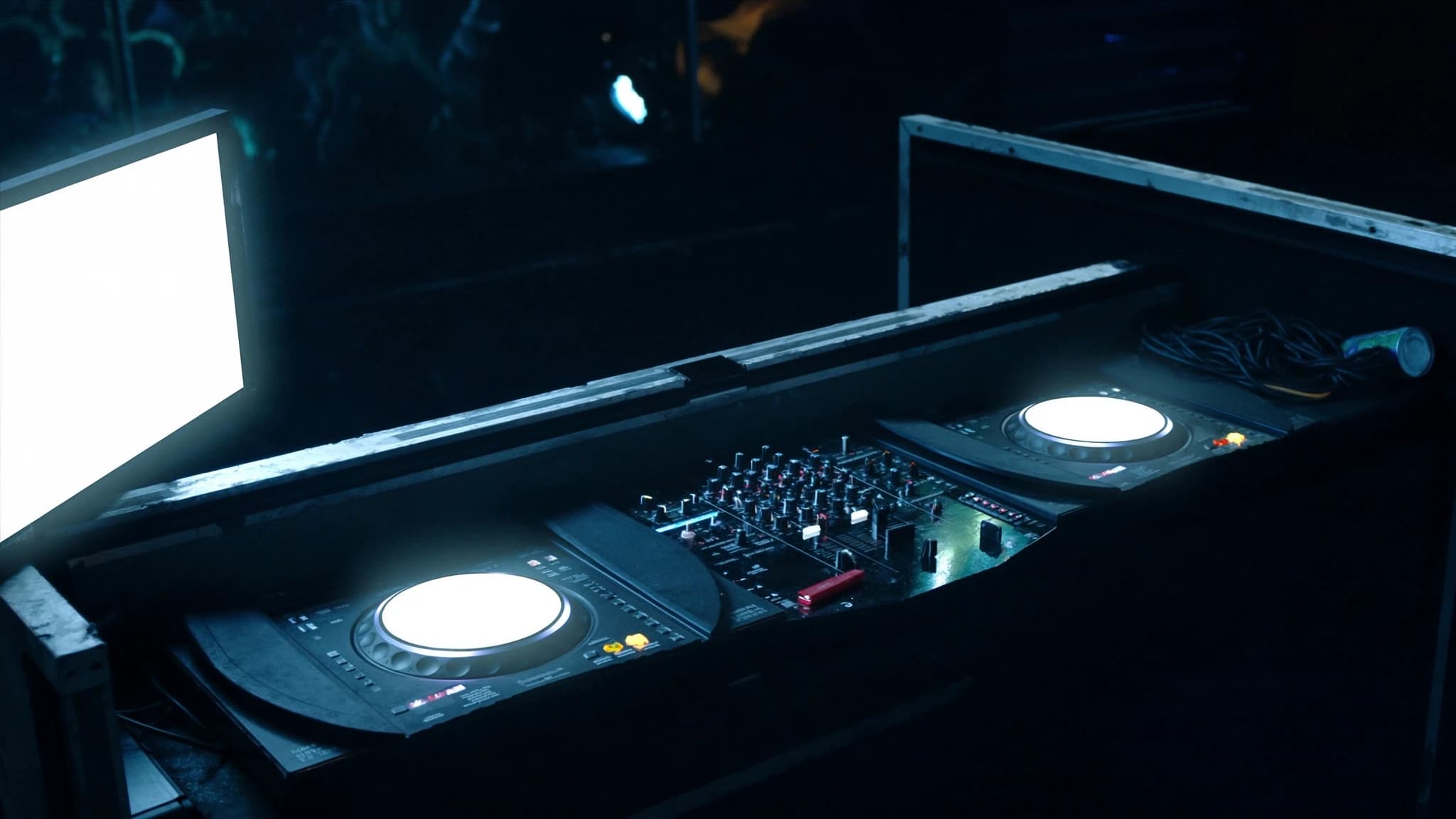
Een club-dj-booth is meer dan een tafel met draaitafels. Het is een kritische luisteromgeving, een verbindingshub en de interface tussen de dj en de hoofd-PA. Deze gids legt de industriestandaard opstelling van 2026 uit, van Pioneer DJ CDJ-3000's en DJM-mixers tot boothmonitors, isolatie en hoe de booth integreert met een professioneel geluidssysteem.
Belangrijkste punten
- De clubstandaard van 2026 is Pioneer DJ CDJ-3000 spelers met een DJM-serie mixer, wat bekendheid en betrouwbaarheid biedt voor tournees van dj's.
- Boothmonitors zijn essentieel voor nauwkeurige dj-monitoring; ze moeten op oorhoogte worden geplaatst en ontkoppeld van het boethoppervlak.
- Isolatie en akoestische behandeling voorkomen doorlekken van de hoofd-PA en zorgen ervoor dat de dj een schone, gedetailleerde mix hoort.
- Signaalstroom moet booth- en hoofd-PA-uitgangen scheiden, met correcte vertraging en EQ-uitlijning voor een samenhangende ervaring.
- SSOUNDS-engineers ontwerpen boothmonitoringoplossingen die naadloos integreren met onze line arrays, subwoofers en DSP, ondersteund door wereldwijde ondersteuning vanuit onze bases in het Verenigd Koninkrijk, de Verenigde Staten, Nigeria, Ghana en West-Afrika.
De kernspeler en mixerstandaard
In 2026 blijft de clubstandaard de Pioneer DJ CDJ-3000 in combinatie met een DJM-serie mixer, doorgaans de DJM-900NXS2 of DJM-A9. Deze units zijn alomtegenwoordig omdat ze betrouwbaarheid, een vertrouwde lay-out en naadloze integratie met rekordbox en Serato bieden. Voor elke locatie die tournees van dj's ontvangt, vermindert het bieden van deze exacte configuratie de opbouwtijd en elimineert rider-wrijving.
De CDJ-3000 brengt een groter touchscreen, verbeterde jogwheel-resolutie en verbeterde verwerkingskracht voor trackanalyse. De DJM-mixer verzorgt de centrale routing, EQ en effecten die dj's verwachten. Samen vormen ze het bedieningsoppervlak dat zowel de boothmonitors als de hoofd-PA voedt.
Vanuit systeemontwerpperspectief moet de booth deze standaard accommoderen en tegelijk flexibiliteit bieden. Sommige locaties voegen een derde of vierde speler toe, of een draaitafel voor vinylsets. Het belangrijkste is dat alle bronnen schoon op de mixer aansluiten en dat de mixeruitgang onafhankelijk naar de booth en het hoofdsysteem kan worden gerouteerd.
Boothmonitoring: de referentie van de dj
Boothmonitors zijn niet optioneel. Ze geven de dj een heldere, geïsoleerde referentie van de mix zonder afhankelijk te zijn van de hoofd-PA, die vertraagd, nagalmend of simpelweg te luid kan zijn. Het doel is nauwkeurig, volledig bereik bij een gecontroleerd niveau, zodat de dj kan beatmatchen, EQ'en en tracks kan cueën zonder te gokken.
Een typische boothmonitor is een actieve luidspreker met een 12-inch of 15-inch woofer en een hoornbelaste hoogfrequentdriver. Hij moet op oorhoogte worden geplaatst, naar de dj gericht en ontkoppeld van het boethoppervlak om trillingen te voorkomen. Veel clubs gebruiken twee monitors, één aan elke kant, voor stereobeeld.
SSOUNDS-engineers benaderen boothmonitoring als een kritisch subsysteem. Onze point-source luidsprekers zijn ontworpen voor nauwkeurige dekking en lage vervorming, waardoor ze ideaal zijn voor nearfield-monitoring. We houden ook rekening met de akoestische behandeling van het boothgebied, omdat reflecties van een glazen booth of harde wanden het stereobeeld kunnen vervagen en vermoeidheid kunnen veroorzaken.
Isolatie en akoestische controle
Isolatie dient twee doelen: de dj beschermen tegen buitensporige hoofd-PA-niveaus en voorkomen dat boothgeluid doorlekt naar het hoofdsysteem of nabijgelegen gebieden. In de praktijk betekent dit fysieke isolatie, zoals het plaatsen van de booth op een ontkoppeld platform, en akoestische isolatie, zoals het gebruik van directionele monitors en absorberende behandeling.
De hoofd-PA wordt vaak vertraagd naar de boothpositie, maar zelfs met vertraging kan de pure SPL de dj overweldigen. Boothmonitors moeten luid genoeg zijn om te concurreren, maar toch schoon genoeg om detail te behouden. Hier komen hoogwaardige versterking en DSP in het spel: ze maken nauwkeurige niveauregeling en EQ-vorming mogelijk zonder vervorming.
SSOUNDS gebruikt AI-ondersteunde akoestische modellering om te voorspellen hoe boothmonitors met de ruimte zullen interageren. We simuleren dekking en verstaanbaarheid vóór installatie, zodat de dj een consistente mix hoort, ongeacht waar hij staat. Dit maakt deel uit van onze bredere benadering van systeemontwerp, waarbij elk element wordt geoptimaliseerd voordat het wordt verzonden.
Connectiviteit en signaalstroom
Een professionele booth heeft een duidelijke signaalstroom nodig. De djmixer stuurt een mastersignaal (vaak via XLR) naar het hoofd-PA-systeem, en een aparte boothuitgang (vaak via TRS of XLR) naar de boothmonitors. Sommige opstellingen gebruiken een matrixuitgang of aux-send voor extra flexibiliteit.
Connectiviteit moet meerdere ingangen voor gast-dj's omvatten: RCA, XLR en 1/4-inch, plus USB voor rekordbox en Serato. Stopcontacten moeten overvloedig aanwezig en gepositioneerd zijn om kabelspanning te voorkomen. Een patchpaneel of gelabelde snake kan verbindingen vereenvoudigen en opstelfouten verminderen.
SSOUNDS ontwerpt zijn versterkers en DSP met uitgebreide in- en uitgangsopties, waardoor integratie met elke clubstandaard eenvoudig is. Onze systemen ondersteunen analoge en digitale verbindingen, en onze DSP-presets zijn afgestemd op gangbare boothmonitors en hoofd-PA-configuraties.
Hoe de booth met de hoofd-PA interacteert
De booth en hoofd-PA zijn twee afzonderlijke maar onderling afhankelijke systemen. De hoofd-PA levert de dansvloerervaring: hoge SPL, diepe bas en gelijkmatige dekking. De booth voorziet de dj van een referentiemix. Als ze niet goed zijn uitgelijnd, kan de dj overcompenseren, het hoofdsysteem in vervorming duwen of het laag uit het oog verliezen.
Uitlijning omvat vertraging, EQ en niveaumatching. De hoofd-PA moet worden vertraagd zodat het geluid synchroon met de boothmonitors bij de booth aankomt. EQ moet op de boothmonitors worden toegepast om hun nabijheid en de akoestiek van de ruimte te compenseren. Niveaumatching zorgt ervoor dat de dj de booth kan horen zonder tegen het hoofdsysteem te vechten.
SSOUNDS line array-systemen en subwoofers zijn met deze integratie in gedachten ontworpen. Onze DSP bevat presets voor boothmonitoring en hoofd-PA-vertraging, en onze engineers werken met locaties om het volledige signaalpad te optimaliseren. Het resultaat is een samenhangende ervaring waarbij de dj en het publiek dezelfde mix horen, alleen op verschillende niveaus.
De juiste boothmonitors kiezen
Niet alle boothmonitors zijn gelijk. De beste opties bieden hoge output, lage vervorming en een gecontroleerd dispersiepatroon. Een 12-inch tweekamerontwerp is vaak voldoende voor kleine booths, terwijl grotere clubs baat kunnen hebben bij een 15-inch of een coaxiale uitvoering voor betere fase-uitlijning.
Overweeg het vermogensbereik en de gevoeligheid van de monitor. Hogere gevoeligheid betekent meer output bij minder vermogen, wat de versterkerbelasting kan verminderen. Let ook op robuuste constructie en montagemogelijkheden, aangezien boothmonitors vaak worden verplaatst of aangepast.
SSOUNDS point-source luidsprekers zijn voor exact deze toepassing ontworpen. Ze leveren de helderheid en betrouwbaarheid die professionele dj's eisen, en ze integreren naadloos met onze versterkers en DSP. Voor locaties die een complete oplossing nodig hebben, bieden we boothpakketten met monitors, versterking en processing.
Installatie en inbedrijfstelling
Een goede installatie maakt of breekt een boothopstelling. Monitors moeten stevig worden gemonteerd, kabels veilig worden geleid en stroom moet worden geconditioneerd om ruis te voorkomen. Inbedrijfstelling omvat het meten van de frequentierespons van de booth en het instellen van vertragingen en EQ's voor optimale prestaties.
SSOUNDS biedt inbedrijfstellingsondersteuning voor onze systemen, zowel op afstand als ter plaatse via onze teams in het Verenigd Koninkrijk, de Verenigde Staten, Nigeria, Ghana en West-Afrika. We gebruiken geavanceerde simulatie- en meetinstrumenten om ervoor te zorgen dat de booth aan de behoeften van de dj en de akoestische doelen van de locatie voldoet.
Een goed ingebedrijfgestelde booth vermindert dj-vermoeidheid, verbetert de mixkwaliteit en verlengt de levensduur van de apparatuur. Het is een investering in de reputatie van de locatie als professionele muziekbestemming.
Veelgestelde vragen
Wat is de standaard dj-booth opstelling in 2026?
De standaard is twee of meer Pioneer DJ CDJ-3000 spelers en een DJM-serie mixer (zoals de DJM-900NXS2 of DJM-A9), plus speciale boothmonitors, correcte bekabeling en isolatie van de hoofd-PA.
Waarom zijn boothmonitors nodig als er een hoofd-PA is?
Boothmonitors bieden een helder nearfield-referentiepunt dat niet wordt beïnvloed door de vertraging, nagalm of hoge SPL van de hoofd-PA. Ze stellen de dj in staat om nauwkeurig te beatmatchen en te mixen zonder te gokken.
Hoe sluit ik de djmixer aan op zowel de boothmonitors als de hoofd-PA?
Gebruik de masteruitgang van de mixer (vaak XLR) voor de hoofd-PA en een aparte boothuitgang (TRS of XLR) voor de boothmonitors. Zorg dat de hoofd-PA wordt vertraagd om uit te lijnen met de boothmonitors op de positie van de dj.
Kan SSOUNDS boothmonitors en hoofd-PA als compleet systeem leveren?
Ja. SSOUNDS biedt point-source luidsprekers voor boothmonitoring, line arrays en subwoofers voor de hoofd-PA, en versterkers en DSP voor naadloze integratie. We ondersteunen locaties wereldwijd vanuit onze bases in het Verenigd Koninkrijk, de Verenigde Staten, Nigeria, Ghana en West-Afrika.
Waar moet ik op letten bij het kiezen van boothmonitors?
Let op hoge output, lage vervorming, gecontroleerde dispersie en robuuste constructie. Een 12-inch of 15-inch tweekamerontwerp is gebruikelijk, en coaxiale ontwerpen kunnen betere fase-uitlijning bieden. SSOUNDS point-source luidsprekers zijn voor deze toepassing ontworpen.
Een systeem bouwen of upgraden?
SSOUNDS ontwerpt en produceert professionele PA wereldwijd, van een enkele ruimte tot stadionformaat.