Touring-PA: Wat er komt kijken bij een concertrig
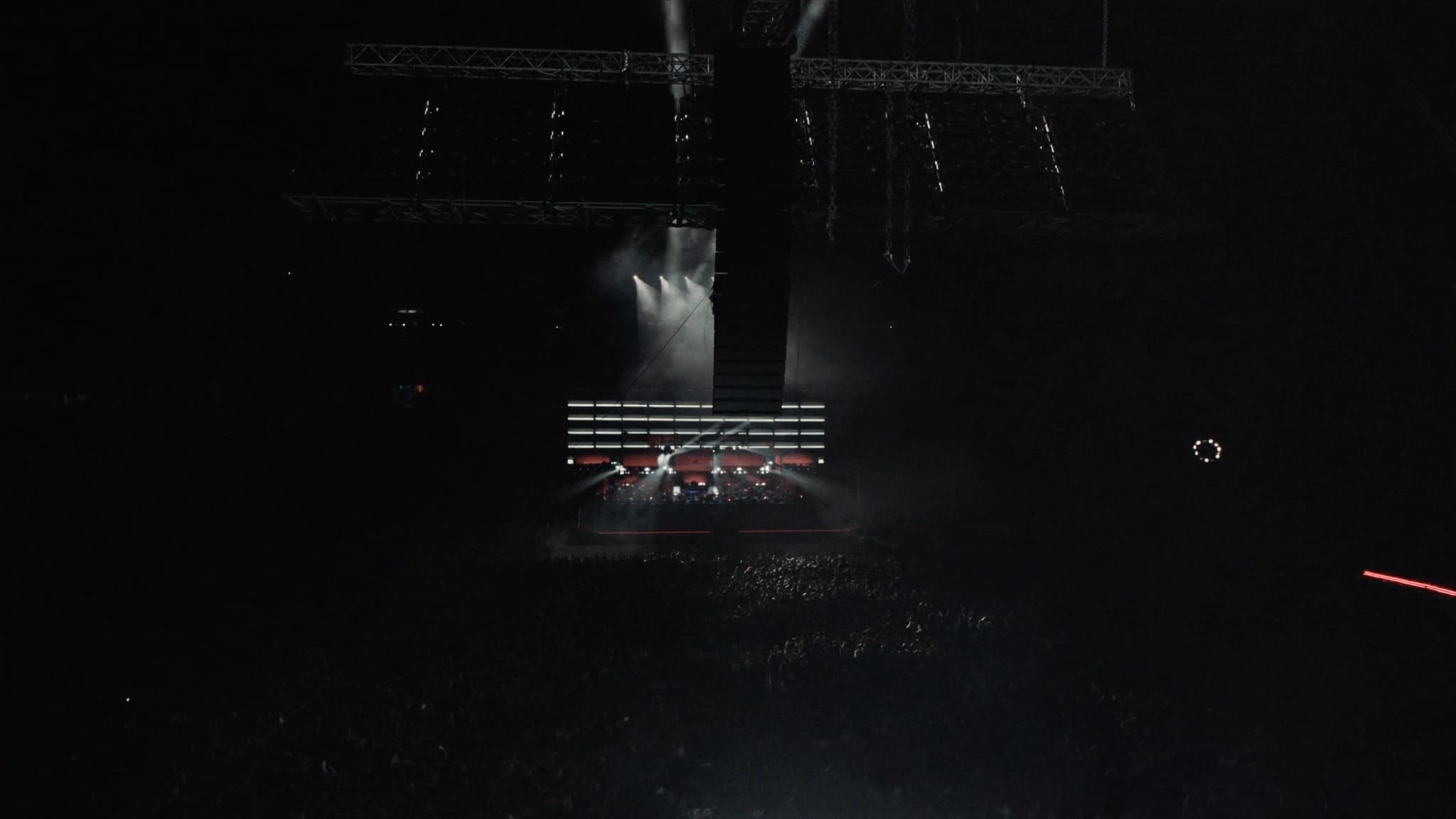
Wanneer een band de stad binnenrijdt en het publiek losbarst, is de onzichtbare kracht achter die ervaring een touring-PA-systeem: een tot in detail ontworpen concertrig die avond na avond, stad na stad, kristalhelder geluid levert. Bij SSOUNDS bouwen we systemen die de wereld over reizen, van hoofdpodia op festivals tot intieme arenatours. Deze gids ontleedt elk onderdeel van een professionele touring-PA: front-of-house (FOH), podiummonitoren, line arrays, subwoofers, versterking, bekabeling en de logistiek die alles laat werken. Of je nu een beginnende systeemtechneut bent of een nieuwsgierige artiest, begrijpen wat er in een concertrig zit, maakt duidelijk waarom topgeluid zowel een kunst als een wetenschap is.
Belangrijkste punten
- Een touring-PA bestaat uit FOH, monitoren, line arrays, subs, versterkers, bekabeling en logistiek, elk element cruciaal voor de algehele prestatie.
- Line arrays zorgen voor uniforme dekking door meerdere behuizingen in een gebogen boog te hangen; subwoofers voegen laag-punch toe en kunnen in cardioïde of end-fire-arrays worden geconfigureerd.
- Moderne versterkers met ingebouwde DSP maken precieze systeemafstemming en bescherming mogelijk, terwijl netwerkbewaking techneuten realtime controle geeft.
- Bekabeling en stroomverdeling moeten robuust en georganiseerd zijn; elk onderdeel wordt in flightcases verpakt voor efficiënt transport en opbouw.
- Een bekwame crew en zorgvuldige planning zijn essentieel voor succesvolle tours. SSOUNDS-systemen zijn ontworpen om dit proces te stroomlijnen.
Front-of-House: Het Commandocentrum
De FOH-positie is het brein van de operatie, doorgaans in het midden van het publieksgebied, waar de geluidstechnicus de show mixt. De FOH-console ontvangt signalen van elke microfoon en elk instrument op het podium, verwerkt ze met EQ, dynamiek en effecten, en stuurt ze vervolgens naar het hoofd-PA-systeem. Touringrigs gebruiken vaak digitale consoles met redundante verwerking en back-upsystemen om uitval te voorkomen. De FOH-technicus beheert ook het algehele niveau en de toonbalans van het systeem, met behulp van meetinstrumenten zoals SMAART om de PA op de locatie af te stemmen.
Naast de console bevindt zich in het FOH-rack de systeemprocessors, zoals SSOUNDS DSP-units, die crossover-frequenties, delay-uitlijning en limiting voor elke luidsprekerbehuizing regelen. Deze processors zorgen ervoor dat de line arrays, subs en fills als een samenhangend systeem werken. Een goed ontworpen FOH-opstelling bevat een speciale power distribution unit (PDU) en netwerkswitches voor digitaal audiotransport (bijv. Dante of AVB). In een touringrig is elke kabel gelabeld en elk signaalpad getest vóór de showdag.
Podiummonitoren: Jezelf horen op het podium
Terwijl het publiek de hoofd-PA hoort, vertrouwen artiesten op podiummonitoren om zichzelf en elkaar te horen. Traditionele wedge-monitoren staan op de vloer, schuin omhoog gericht naar de muzikanten. Monitoren van touringkwaliteit, zoals SSOUNDS stage wedges, zijn gebouwd om hoge SPL's en voortdurende belasting te weerstaan, met robuuste behuizingen en beschermende grills. Elke monitor wordt gevoed door zijn eigen versterkerkanaal en aangestuurd vanaf een aparte monitorconsole (of vanaf de FOH-console met een speciale monitortechnicus).
In-ear monitors (IEM's) zijn standaard geworden op tours, waardoor het podiumvolume afneemt en de helderheid toeneemt. IEM-systemen bestaan uit een zender, bodypack-ontvangers en op maat gemaakte oordopjes. De monitortechnicus mixt een unieke feed voor elke artiest, vaak inclusief clicktracks, cues en ambient-microfoons. Zelfs met IEM's nemen veel tours nog steeds een paar wedge-monitoren mee voor gasten of als back-up. Het monitorsysteem moet worden afgestemd om feedback te voorkomen en consistente dekking over het hele podium te bieden.
Line Arrays: De Ruggengraat van Dekking
Line arrays zijn het meest zichtbare deel van elke grote concertrig. Ze bestaan uit meerdere identieke luidsprekerbehuizingen die verticaal in een boog worden gehangen, waardoor een coherent golffront ontstaat dat geluid gelijkmatig over lange afstanden projecteert. SSOUNDS line array-systemen zijn ontworpen met precieze waveguide-ontwerpen en neodymium drivers om hoge SPL met lage vervorming te leveren. De kromming (splay) tussen behuizingen bepaalt de verticale dekking: strakkere splay voor langere worp, wijdere splay voor nearfield-dekking.
Een typische touring line array hangt 12 tot 24 kasten per kant, afhankelijk van de locatiegrootte. De arrays worden gehangen aan gemotoriseerde takels die aan constructiestaal of truss zijn bevestigd. Systeemtechneuten gebruiken voorspellingssoftware (zoals EASE Focus of SSOUNDS eigen tools) om de optimale arrayconfiguratie voor elke locatie te berekenen. Ground-stacked subwoofers worden vaak voor of naast de arrays geplaatst, terwijl side fills en front fills extreme hoeken dekken. Het doel is uniforme SPL en frequentierespons over het hele publieksgebied.
Subwoofers: De Laagfundering
Subwoofers verwerken frequenties onder 100 Hz en leveren de punch en rommel die een menigte in beweging brengen. Touring-subs zijn doorgaans grote behuizingen met 18-inch of 21-inch drivers, aangedreven door hoogstroomversterkers. SSOUNDS subwoofers zijn ontworpen voor zowel prestaties als draagbaarheid, met geïntegreerde riggingpunten en zwenkwielen. Veelvoorkomende configuraties zijn cardioïde arrays, die laagfrequente energie die naar achteren (richting het podium) straalt verminderen en de helderheid voor artiesten verbeteren.
Subwoofers kunnen ground-stacked voor het podium worden geplaatst, naast line arrays worden gehangen, of in end-fire- of gradient-arrays worden opgesteld om bas te richten. Het aantal subs hangt af van de gewenste SPL en locatiegrootte; grote tours gebruiken mogelijk 24 tot 48 subs per kant. Crossover-instellingen en delay-uitlijning tussen subs en mains zijn cruciaal voor een naadloze menging. SSOUNDS DSP-presets vereenvoudigen dit proces, waardoor technici het systeem snel op de ruimte kunnen afstemmen.
Versterkers en DSP: De Spierkracht en het Brein
Elke luidspreker in een touring-PA heeft versterking nodig. Moderne touringsystemen gebruiken lichtgewicht, hoogvermogen Class-D-versterkers met ingebouwde DSP. SSOUNDS-versterkers leveren duizenden watts per kanaal terwijl ze minder dan 20 kg wegen, waardoor ze gemakkelijk te racken en te vervoeren zijn. De DSP regelt crossover-filters, EQ, limiting en delay, allemaal afgestemd op het specifieke luidsprekersmodel. Versterkers zijn doorgaans ondergebracht in schokbestendige flightcases met redundante voedingen en netwerkbesturing.
Versterkerracks bevinden zich vaak in de buurt van het podium of worden samen met de line arrays gehangen om kabellengtes te minimaliseren. Netwerkbesturing stelt de systeemtechneut in staat om de versterkerstatus, temperatuur en uitgangsniveaus vanaf een tablet of laptop te bewaken. Bij grote tours worden meerdere versterkerracks via AES3 of Dante aaneengeschakeld voor digitale audiodistributie. De combinatie van efficiënte versterking en precieze DSP zorgt ervoor dat het systeem op piekprestaties werkt en de drivers tegelijkertijd tegen schade beschermt.
Bekabeling en Stroomverdeling: Het Zenuwstelsel
Een touring-PA vereist kilometers kabel: luidsprekerkabels, signaalkabels, netwerkkabels en stroomkabels. Alle bekabeling moet robuust, duidelijk gelabeld en georganiseerd zijn voor snelle opbouw en afbouw. Speakon-connectoren zijn standaard voor luidsprekerkabels, terwijl XLR en EtherCon worden gebruikt voor analoge en digitale signalen. Stroomverdeling begint bij het hoofdverdeelbord van de locatie en voedt een reeks PDU's die schone, gereguleerde stroom leveren aan versterkers, consoles en verwerkingsapparatuur.
Aarding en stroomconditionering zijn essentieel om brom te voorkomen en gevoelige elektronica te beschermen. Veel tours nemen hun eigen distro-boxen en dikke feeder-kabels mee. Kabelmanagement is een logistieke kunst: elke kabel wordt opgerold, in zakken gedaan en kleurgecodeerd. Een typische rig bevat reservekabels voor elk type, plus adapters en testers. De verantwoordelijkheid van de systeemtechneut is ervoor te zorgen dat elk signaalpad intact en ruisvrij is, een proces dat begint tijdens het inladen en doorgaat tot na de soundcheck.
Logistiek: Inpakken, Transport en Crew
Een PA-systeem op tour meenemen is een enorme logistieke onderneming. Een typische concertrig vult meerdere opleggers, waarbij elk onderdeel in op maat gemaakte flightcases wordt verpakt. Cases zijn ontworpen met wielen, handgrepen en stapelfuncties om het laden te vergemakkelijken. Voorraadbeheer is cruciaal: elke case is genummerd en geïnventariseerd, en een gedetailleerde patchlijst vertelt de crew waar elke kabel wordt aangesloten. Een touringcrew bestaat uit systeemtechneuten, FOH- en monitortechnici, riggers en podiummedewerkers.
Inladen en uitladen volgen strikte schema's. De systeemtechneut coördineert met het riggingteam van de locatie om de line arrays te hangen, terwijl de audiocrew kabels legt en consoles opstelt. De soundcheck stelt de technicus in staat het systeem af te stemmen en eventuele problemen op te lossen. Na de show breekt de crew het hele systeem in omgekeerde volgorde af, vaak de hele nacht door. SSOUNDS-systemen zijn ontworpen voor snelle inzet, met snelkoppelingsrigging, voorbedrade versterkerracks en intuïtieve DSP-presets, zodat de crew zich kan richten op het leveren van geweldig geluid, niet op het bevechten van de apparatuur.
Veelgestelde vragen
Hoeveel line array-kasten worden doorgaans gebruikt op een tour?
Het aantal varieert per locatiegrootte en gewenste SPL. Kleine clubs gebruiken mogelijk 8-12 kasten per kant, terwijl grote arena's en festivals vaak 16-24 per kant inzetten. SSOUNDS-systemen zijn schaalbaar, waardoor tours indien nodig cabinets kunnen toevoegen of verwijderen.
Wat is het verschil tussen actieve en passieve touring-PA-systemen?
Actieve systemen hebben ingebouwde versterkers en DSP in elke luidspreker, wat de bekabeling vereenvoudigt maar gewicht toevoegt. Passieve systemen gebruiken externe versterkers, wat flexibiliteit en eenvoudiger onderhoud biedt. Veel grote tours geven de voorkeur aan passieve opstellingen vanwege betrouwbaarheid en gecentraliseerde controle.
Hoe vervoer je een touring-PA?
Componenten worden verpakt in op maat gemaakte flightcases met schuimrubberen bekleding en wielen. Cases worden met laadkleppen of opritten op vrachtwagens geladen. Een typische arena-opstelling vult 2-4 opleggers. SSOUNDS ontwerpt behuizingen met geïntegreerde rigging en ergonomische handgrepen om de opbouwtijd te verkorten.
Wat is een cardioïde subwooferconfiguratie?
Cardioïde sub-arrays gebruiken meerdere subwoofers met specifieke onderlinge afstand en vertraging om geluid dat naar achteren op het podium straalt te annuleren, waardoor laagfrequente energie op het podium wordt verminderd. Dit verbetert de helderheid van de monitoren en de algehele systeemcontrole. SSOUNDS DSP bevat presets voor veelvoorkomende cardioïde patronen.
Hoe lang duurt het om een touring-PA op te bouwen?
De opbouwtijd hangt af van de systeemgrootte en de ervaring van de crew. Een typische arena-opstelling kan 4-8 uur duren voor het inladen, riggen en bekabelen, gevolgd door 1-2 uur voor het afstellen en de soundcheck. SSOUNDS-systemen zijn ontworpen voor snelle inzet met voorbedrade racks en snelkoppelingshardware.
Een systeem bouwen of upgraden?
SSOUNDS ontwerpt en produceert professionele PA wereldwijd, van een enkele ruimte tot stadionformaat.