KI und die Zukunft des Tourings
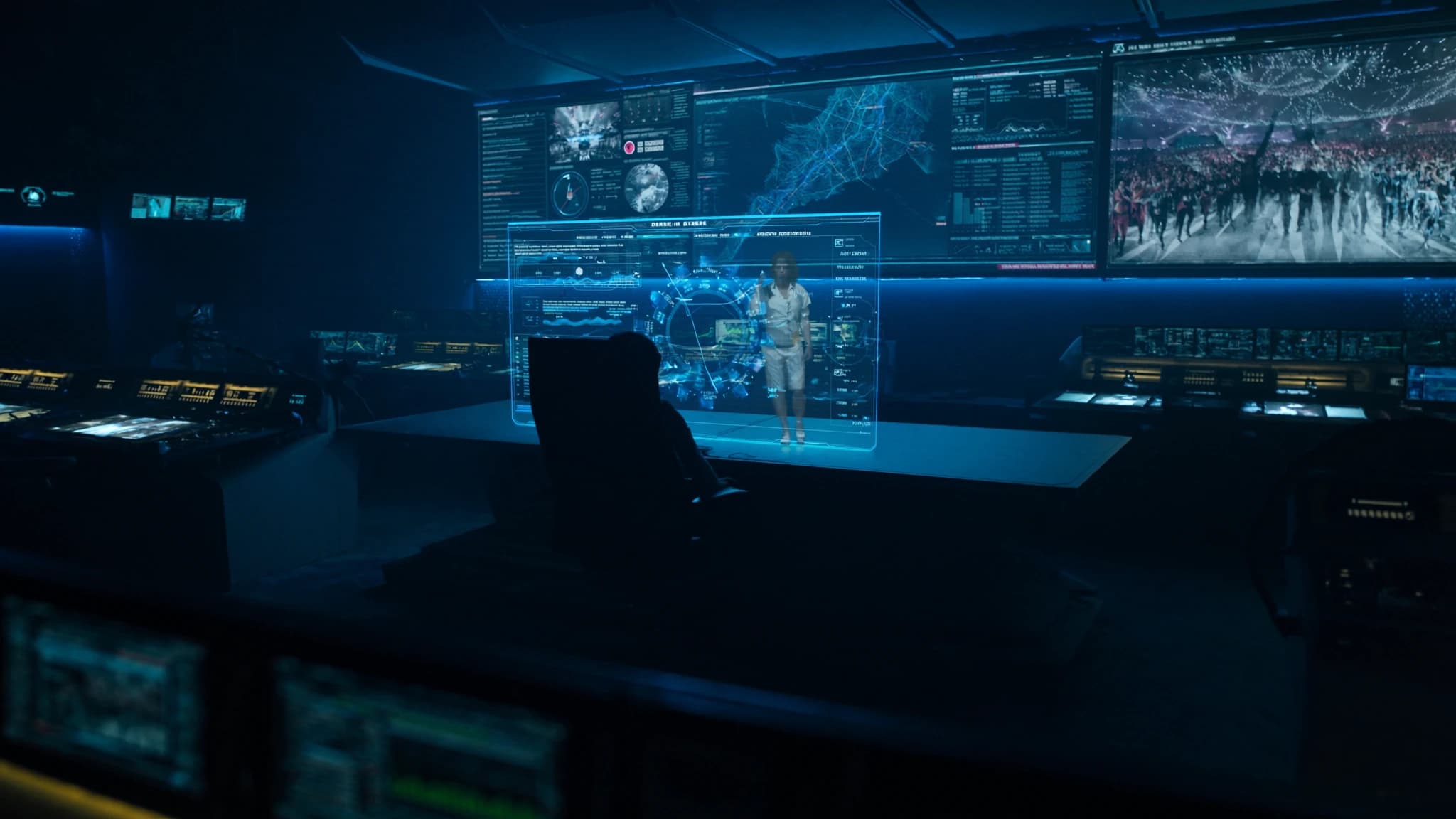
Die Touring-Branche steht an der Schwelle zu einer Transformation, die von künstlicher Intelligenz angetrieben wird. Von der Optimierung von Truck-Packs bis zur Vorhersage der Systemleistung an unbekannten Veranstaltungsorten verspricht KI, jeden Aspekt des Lebens auf der Straße neu zu gestalten. Doch wie SSOUNDS-Engineers aus jahrelanger Erfahrung mit dem Einsatz von Weltklasse-PA-Systemen auf mehreren Kontinenten wissen, bleibt der menschliche Beitrag unersetzlich, besonders wenn die Show weitergehen muss.
Wichtigste Punkte
- KI kann Tour-Logistik, Routing, Truck-Packs und Scheduling optimieren und so Zeit und Geld sparen.
- KI-gestützte akustische Modellierung beschleunigt Systemdesign und Tuning, kann aber nicht die Ohren eines Engineers ersetzen.
- KI in der Show-Steuerung kann Licht, Video und Audioprozessierung automatisieren, doch Kreativität bleibt menschlich.
- KI verbessert Crew-Kommunikation und Wohlbefinden, aber menschliche Intuition und Kameradschaft sind unersetzlich.
- Zu den Grenzen von KI gehören der Umgang mit neuartigen Situationen, emotionale Intelligenz und die Bewahrung der Magie von Live-Performance.
- SSOUNDS integriert KI als Werkzeug zur Erweiterung menschlicher Expertise, nicht als Ersatz.
KI in der Logistik: Intelligentere Load-Ins und Load-Outs
Eines der größten Probleme jeder Tour ist die Logistik: wie viele Trucks, welche Route, welches Equipment wohin und wie sich die Ausfallzeiten zwischen den Shows minimieren lassen. KI-gesteuerte Routenoptimierung und Ladungsplanungstools helfen Produktionsmanagern bereits dabei, Kraftstoffkosten und Truck-Anzahl zu reduzieren. Machine-Learning-Modelle können historische Daten, Veranstaltungsort-Dimensionen, Load-in-Zeiten und lokale Verkehrsmuster analysieren, um den effizientesten Zeitplan vorzuschlagen.
Für einen PA-Hersteller wie SSOUNDS kann KI außerdem vorhersagen, welche Lautsprecherkonfigurationen für einen bestimmten Veranstaltungsort am besten funktionieren, basierend auf vergangenen Shows, akustischen Simulationen und sogar Wetterdaten. Das bedeutet weniger geflogene Boxen, weniger verschwendete Rigging-Zeit und ein schnelleres System-Tuning. Das Ergebnis: mehr Zeit für Soundchecks und weniger Stress für die Crew.
Systemdesign und Vorhersage: KI-gestützte akustische Modellierung
Modernes Line-Array-Design stützt sich bereits auf hochentwickelte Vorhersagesoftware, doch KI geht noch weiter. Statt manuellem Trial-and-Error können KI-Algorithmen optimale Array-Konfigurationen, Splay-Winkel, Subwoofer-Platzierung und Delay-Fills in Sekunden generieren. SSOUNDS-Engineers nutzen Machine Learning, um DSP-Presets zu verfeinern und so eine konsistente Beschallung und Verständlichkeit in noch so unterschiedlichen Räumen sicherzustellen.
Man stelle sich ein Tool vor, das aus jeder Show lernt: Es erkennt, dass eine bestimmte Raumform einen 3-dB-Einbruch bei 2 kHz verursacht, und passt den EQ für den nächsten Abend automatisch an. Das ist das Versprechen von KI beim System-Tuning. Doch die Grenzen sind klar: Kein Algorithmus kann eine kurzfristige Bühnenverlängerung, ein Publikum, das die vorderen Reihen füllt, oder eine plötzliche Luftfeuchtigkeitsänderung berücksichtigen. Die beste KI ist ein Co-Pilot, kein Ersatz für einen erfahrenen FOH-Engineer.
Content und Show-Steuerung: KI in Licht, Video und Audio
KI generiert bereits Licht-Cues, triggert Videoinhalte und mischt in manchen Kontexten sogar das Front-of-House-Audio. Für das Touring könnte das automatisierte Showfiles bedeuten, die sich an die Energie des Abends anpassen: Eine langsamere Ballade bekommt einen wärmeren Licht-Wash, ein energiegeladener Drop ein auffälligeres Stroboskop-Muster. KI-gesteuerte Audioprozessierung kann außerdem Rückkopplungsunterdrückung und dynamischen EQ in Echtzeit übernehmen und so den Engineer entlasten, damit er sich auf den Mix konzentrieren kann.
Doch die kreative Seele einer Live-Show widersetzt sich der vollständigen Automatisierung. Ein menschlicher Engineer weiß, wann er die Regeln brechen muss, wann er einen Vocal für emotionale Wirkung etwas zu laut pusht oder wann er ein Gitarrensolo ohne Kompression atmen lässt. SSOUNDS ist der Überzeugung, dass KI die mühsamen, repetitiven Aufgaben übernehmen sollte, damit sich die Crew auf Kunstfertigkeit und Verbindung konzentrieren kann.
Crew und Kommunikation: KI als Teammitglied
Touring-Crews sind eng verbunden, und Kommunikation ist alles. KI-gestützte Planungstools können Call-Zeiten, Hotelbuchungen und Per Diems verwalten und so die Verwaltungslast für Tourmanager reduzieren. KI-Übersetzung kann internationalen Crews eine nahtlose Zusammenarbeit ermöglichen. Sogar Gesundheitsüberwachung, die Schlaf, Stress und Lärmbelastung verfolgt, kann durch tragbare KI verwaltet werden, um Burnout und Hörverlust vorzubeugen.
Doch KI kann nicht die Kameradschaft eines Post-Show-Debriefs ersetzen oder die Intuition eines erfahrenen Riggers, der eine lose Schraube entdeckt, bevor sie zum Problem wird. Die Straße ist unvorhersehbar: Ein Generator fällt aus, ein Visum wird verweigert, ein Bus bleibt liegen. KI kann planen, aber sie kann nicht improvisieren. Hier gewinnt menschliche Erfahrung.
Die Grenzen der Automatisierung: Warum Menschen die Straße weiterhin beherrschen
Bei allem Versprechen hat KI blinde Flecken. Ihr fehlen gesunder Menschenverstand, emotionale Intelligenz und die Fähigkeit, wirklich neuartige Situationen zu bewältigen. Ein Veranstaltungsort mag eine seltsame Stromverteilung haben, ein lokaler Promoter ändert den Zeitplan aus einer Laune heraus, oder ein Gewitter zieht mitten in der Show auf. KI-Modelle, die auf historischen Daten trainiert wurden, können versagen, wenn die Zukunft nicht wie die Vergangenheit aussieht.
Darüber hinaus ist Touring ein menschliches Geschäft. Künstler vertrauen ihrer Crew, und das Publikum spürt die Energie einer Live-Performance. Übermäßige Automatisierung riskiert, diese Magie zu sterilisieren. Die Philosophie von SSOUNDS ist, KI als leistungsstarkes Werkzeug einzusetzen, für Vorhersage, Optimierung und Konsistenz, aber immer mit einem Menschen im Loop. Die besten Touring-Systeme sind jene, die menschliche Fähigkeiten erweitern, nicht ersetzen.
Der Weg nach vorn: KI und die Zukunft des Tourings mit SSOUNDS
Während sich KI weiterentwickelt, steht SSOUNDS an vorderster Front bei der Integration in unsere Lautsprechersysteme und Workflows. Wir entwickeln KI-gestützte Tuning-Presets, die aus Veranstaltungsortdaten lernen, prädiktive Wartungswarnungen, die auf Komponentenverschleiß hinweisen, und Logistik-Tools, die jede Tour-Etappe optimieren. Doch wir vergessen nie, dass das Ziel eine großartige Show ist, und dass dafür menschliche Leidenschaft, Kreativität und Widerstandskraft erforderlich sind.
Die Zukunft des Tourings wird eine Partnerschaft zwischen Mensch und Maschine sein. KI wird die Schwerarbeit von Daten und Wiederholung übernehmen, während Menschen die Kunstfertigkeit, Anpassungsfähigkeit und Herz einbringen. Für SSOUNDS ist das nicht nur eine Vision, es ist die Art und Weise, wie wir jedes System entwerfen, von den Line Arrays bis zu den Subwoofern, um die Menschen zu befähigen, die Live-Musik unvergesslich machen.
Häufige Fragen
Wird KI FOH-Engineers ersetzen?
Nein. KI kann beim Tuning, bei der Rückkopplungsunterdrückung und bei der Automatisierung unterstützen, aber die kreativen Entscheidungen und die Anpassungsfähigkeit eines menschlichen Engineers sind für eine großartige Live-Show unerlässlich.
Wie hilft KI beim Design von Lautsprechersystemen?
KI-Algorithmen können auf Basis von Veranstaltungsortdaten schnell optimale Array-Konfigurationen und DSP-Presets generieren, wodurch sich die Einrichtungszeit verkürzt und die Konsistenz der Beschallung verbessert.
Kann KI Geräteausfälle auf Tour vorhersagen?
Ja, prädiktive Wartungsmodelle können Nutzungsmuster und Sensordaten analysieren, um vor möglichen Ausfällen zu warnen, bevor sie eintreten, und so proaktive Reparaturen ermöglichen.
Wird KI in SSOUNDS-Produkten eingesetzt?
SSOUNDS integriert KI in unsere akustische Modellierung, das DSP-Tuning und unsere Logistik-Tools, um Engineers zu helfen, schneller besseren Sound zu liefern, während der Mensch im Mittelpunkt bleibt.
Was sind die Risiken von Überautomatisierung bei Live-Events?
Übermäßige Automatisierung kann zu sterilen Performances, reduzierter Flexibilität und Anfälligkeit für unerwartete Situationen führen. Der menschliche Beitrag ist entscheidend, um sich an die unvorhersehbare Natur von Live-Events anzupassen.
System aufbauen oder aufrüsten?
SSOUNDS entwickelt und fertigt professionelle PA weltweit, vom einzelnen Raum bis zur Stadiongröße.