Die Zukunft der KI im Pro-Audio-Bereich
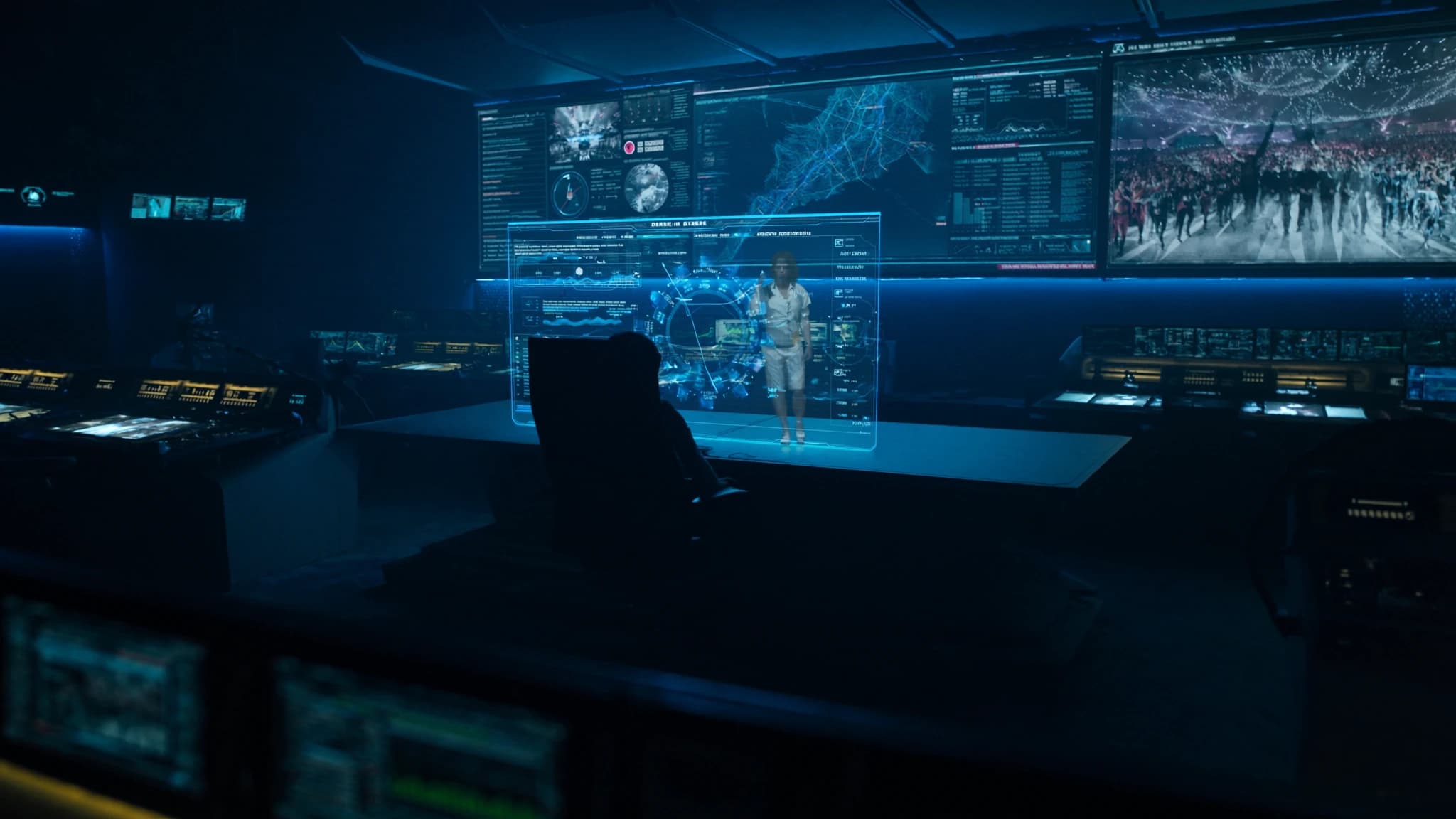
Künstliche Intelligenz verändert den professionellen Audiobereich, von der Systemgestaltung über das Live-Mixing bis hin zur Wartung. Als Hersteller sehen wir bei SSOUNDS KI als leistungsstarkes Werkzeug, das menschliche Expertise erweitert, nicht ersetzt. Dieser Leitfaden untersucht, wohin KI steuert und was fest in menschlicher Hand bleibt.
Wichtigste Punkte
- KI verbessert das Systemdesign durch Simulation der Abdeckung und Optimierung von DSP-Presets, aber menschliche Designer treffen die endgültige Entscheidung.
- Beim Live-Mixing kann KI technische Aufgaben automatisieren und es Ingenieuren ermöglichen, sich auf kreative Entscheidungen zu konzentrieren.
- KI-gestützte vorausschauende Wartung reduziert Ausfallzeiten durch Überwachung des Zustands von Lautsprechern und Verstärkern.
- KI in der Content-Erstellung beschleunigt die Postproduktion, aber menschlicher Geschmack bleibt für künstlerische Mixe unerlässlich.
- Die Zukunft des Pro-Audio-Bereichs ist eine Partnerschaft zwischen KI und Menschen, wobei SSOUNDS bei der intelligenten Systemintegration führend ist.
KI in Systemdesign und Vorhersage
Die Entwicklung eines großen Beschallungssystems war schon immer ein komplexes Puzzle: Abdeckung, SPL, Verständlichkeit und Rigging müssen alle zusammenpassen. KI beschleunigt dies, indem sie Tausende von Konfigurationen in Minuten simuliert. Bei SSOUNDS nutzen wir KI-gestützte akustische Modellierung, um vorherzusagen, wie sich unsere Line-Arrays und Subwoofer an einem bestimmten Veranstaltungsort verhalten werden, lange bevor auch nur eine Box geflogen wird. Dies reduziert Vermutungen und stellt sicher, dass das Design die Ziele des Kunden erfüllt.
Maschinelles Lernen optimiert auch Lautsprecher-Presets. Durch die Analyse umfangreicher Datensätze zum Treiberverhalten und zu Gehäuseresonanzen kann KI DSP-Parameter für konsistente Leistung über Produktionsläufe hinweg feinjustieren. Das bedeutet, dass jedes SSOUNDS-System mit Presets ausgeliefert wird, die bereits nahe am Ideal liegen, was Integratoren Stunden der Abstimmung erspart.
Die Zukunft wird zeigen, dass KI nicht nur vorhersagt, sondern auch Designalternativen vorschlägt. Wenn ein Veranstaltungsort beispielsweise eine ungewöhnliche Form hat, könnte KI ein verteiltes System oder eine andere Array-Krümmung vorschlagen. Die endgültige Entscheidung liegt jedoch weiterhin beim Systemdesigner, der praktische Faktoren wie Budget, Rigging-Punkte und Kundenpräferenzen abwägt.
KI im Live-Mixing und in der Verarbeitung
Live-Mixing ist eine Kunst, aber KI kann repetitive Aufgaben übernehmen und intelligente Unterstützung bieten. Stellen Sie sich eine KI vor, die automatisch die Gain-Struktur anpasst, dynamischen EQ zur Zähmung von Rückkopplungen anwendet oder Gesangspegel gegen eine laute Band ausbalanciert. Einiges davon existiert heute in fortschrittlichen Konsolen, aber die nächste Welle wird integrierter und transparenter sein.
Bei SSOUNDS erforschen wir KI-gesteuerte DSP, die sich in Echtzeit an wechselnde Akustik anpasst. Wenn sich beispielsweise Temperatur oder Luftfeuchtigkeit eines Veranstaltungsortes ändern, könnte die KI subtil den EQ anpassen, um die tonale Balance zu erhalten. Es geht nicht darum, den Ingenieur zu ersetzen; es geht darum, ihm Superkräfte zu verleihen. Der Ingenieur trifft weiterhin kreative Entscheidungen, aber die KI übernimmt die technische Routinearbeit.
Es gibt auch Potenzial für KI, beim immersiven Audiomixing zu unterstützen. Bei objektbasierten Formaten kann KI das Panning und die Bewegung automatisieren, sodass sich der Mischer auf die emotionale Wirkung konzentrieren kann. Aber auch hier bleiben das menschliche Gehör und der Geschmack der letzte Richter.
KI für Wartung und Zuverlässigkeit
Ausfallzeiten sind ein Albtraum im Live-Sound. KI kann Ausfälle vorhersagen, bevor sie auftreten, indem sie die Telemetrie der Lautsprecher überwacht: Schwingspulentemperatur, Auslenkung, Verstärkerlast und mehr. SSOUNDS integriert maschinelles Lernen in unsere Systemzustandsüberwachung, sodass Anomalien Warnungen auslösen, bevor ein Treiber durchbrennt.
Vorausschauende Wartung erstreckt sich auf Verstärker und DSP. KI kann Leistungsaufnahmemuster und Signalintegrität analysieren, um potenzielle Probleme zu melden. Dies ist besonders wertvoll auf Tourneen, bei denen die Ausrüstung Nacht für Nacht hart beansprucht wird. Durch frühzeitiges Erkennen von Problemen hilft KI sicherzustellen, dass die Show weitergeht.
Über die Hardware hinaus kann KI die Logistik optimieren. Für Vermietungsunternehmen könnte KI die Nachfrage prognostizieren und die Bestandszuweisung vorschlagen. Für Hersteller kann sie die Qualitätskontrolle rationalisieren, indem sie Fertigungsfehler durch Audioanalyse erkennt. Das Ziel ist Zuverlässigkeit, und KI ist ein mächtiger Verbündeter.
KI in Content-Erstellung und Postproduktion
KI verändert bereits die Studioarbeit mit Werkzeugen zur Rauschunterdrückung, Stammtrennung und sogar Mischungsvorschlägen. Im Pro-Audio-Bereich werden diese Werkzeuge immer ausgefeilter. Bei Live-Aufnahmen kann KI automatisch Übersprechen zwischen Mikrofonen bereinigen oder die Klarheit eines matschigen Mixes wiederherstellen.
SSOUNDS sieht KI als Möglichkeit, Inhalte für unsere Nutzer zu verbessern. Beispielsweise könnte eine KI eine Live-Aufnahme analysieren und EQ- oder Kompressionseinstellungen vorschlagen, die zur Akustik des Veranstaltungsortes passen. Dies hilft Bands und Ingenieuren, schneller bessere Mixe zu produzieren.
Allerdings fehlt KI-generierten Inhalten noch die Nuance menschlicher Kreativität. Die besten Ergebnisse entstehen aus einem hybriden Ansatz: KI übernimmt das Technische, Menschen das Künstlerische. Diese Balance wird die Zukunft der Content-Erstellung definieren.
Was menschlich bleibt
Trotz der Fortschritte von KI bleiben bestimmte Aspekte des Pro-Audio-Bereichs von Natur aus menschlich. Die kreative Entscheidung, eine Stimme im Mix leicht nach vorne zu schieben, die Intuition zu wissen, wann ein Publikum mehr Energie braucht, die Fähigkeit, unter Druck ein seltsames Brummen zu beheben: Das sind menschliche Fähigkeiten.
KI kann Daten und Vorschläge liefern, aber sie kann die Musik nicht fühlen. Sie kann den emotionalen Bogen einer Aufführung oder den kulturellen Kontext eines Songs nicht verstehen. Bei SSOUNDS entwerfen wir unsere Systeme als Werkzeuge für menschlichen Ausdruck, nicht als Ersatz dafür.
Darüber hinaus basiert die Beziehung zwischen einem Ingenieur und einem Hersteller auf Vertrauen und Kommunikation. KI kann bei der Unterstützung helfen, aber das letzte Wort zur Systemgestaltung und Abstimmung fällt oft in einem Gespräch zwischen Experten. Diese menschliche Verbindung ist unersetzlich.
Die SSOUNDS-Vision: KI als Ermöglicher
Bei SSOUNDS investieren wir in KI, um unsere Lautsprecher, Verstärker und DSP intelligenter und zuverlässiger zu machen. Unsere F&E in Europa nutzt KI-gestützte Modellierung und maschinelles Lernen, um die Grenzen des Machbaren zu erweitern. Aber wir verlieren nie aus den Augen, dass unsere Produkte Menschen dienen: Musikern, Ingenieuren und Publikum.
Wir glauben, dass die Zukunft des Pro-Audio-Bereichs eine Zusammenarbeit zwischen menschlichem Einfallsreichtum und künstlicher Intelligenz ist. KI wird die komplexen Berechnungen, die vorausschauende Wartung und die repetitiven Aufgaben übernehmen und Menschen freisetzen, sich auf Kreativität und Verbindung zu konzentrieren. Das ist die Vision, die uns antreibt.
Als globaler Hersteller mit Niederlassungen im Vereinigten Königreich, in den USA, in Nigeria, Ghana und Westafrika sind wir bestrebt, Systeme zu liefern, die diese Balance verkörpern. Ob Sie in Lagos, London oder Los Angeles auf Tour sind, SSOUNDS ist hier, um Ihren Sound mit modernster Technologie und menschlicher Expertise zu unterstützen.
Häufige Fragen
Wird KI Toningenieure ersetzen?
Nein. KI wird repetitive und technische Aufgaben automatisieren, aber die kreativen und emotionalen Aspekte des Mischens und der Systemgestaltung bleiben menschlich. Ingenieure werden KI als Werkzeug nutzen, um ihre Arbeit zu verbessern.
Wie setzt SSOUNDS KI in seinen Produkten ein?
SSOUNDS nutzt KI-gestützte akustische Modellierung für die Systemgestaltung, maschinelles Lernen für die DSP-Optimierung und vorausschauende Wartung für Zuverlässigkeit. Unser Ziel ist es, Systeme intelligenter und verlässlicher zu machen.
Kann KI bei der Systemabstimmung in verschiedenen Veranstaltungsorten helfen?
Ja. KI kann die Akustik eines Veranstaltungsortes analysieren und EQ- sowie Delay-Einstellungen vorschlagen, aber ein menschlicher Ingenieur sollte diese anhand des subjektiven Höreindrucks überprüfen und feinjustieren.
Wird KI heute bereits im Live-Sound eingesetzt?
Einige KI-Funktionen existieren bereits in fortschrittlichen Konsolen und DSPs, wie etwa die automatische Rückkopplungsunterdrückung. Fortschrittlichere KI für Mischung und Wartung entsteht gerade und wird immer häufiger werden.
Welche Rolle spielt KI in der Fertigung von SSOUNDS?
KI hilft bei der Optimierung von Lautsprecher-Presets und der Qualitätskontrolle. Sie unterstützt auch die Simulation der Leistung und stellt sicher, dass jedes SSOUNDS-System unsere hohen Standards erfüllt, bevor es ausgeliefert wird.
System aufbauen oder aufrüsten?
SSOUNDS entwickelt und fertigt professionelle PA weltweit, vom einzelnen Raum bis zur Stadiongröße.