Wird KI Toningenieure ersetzen?
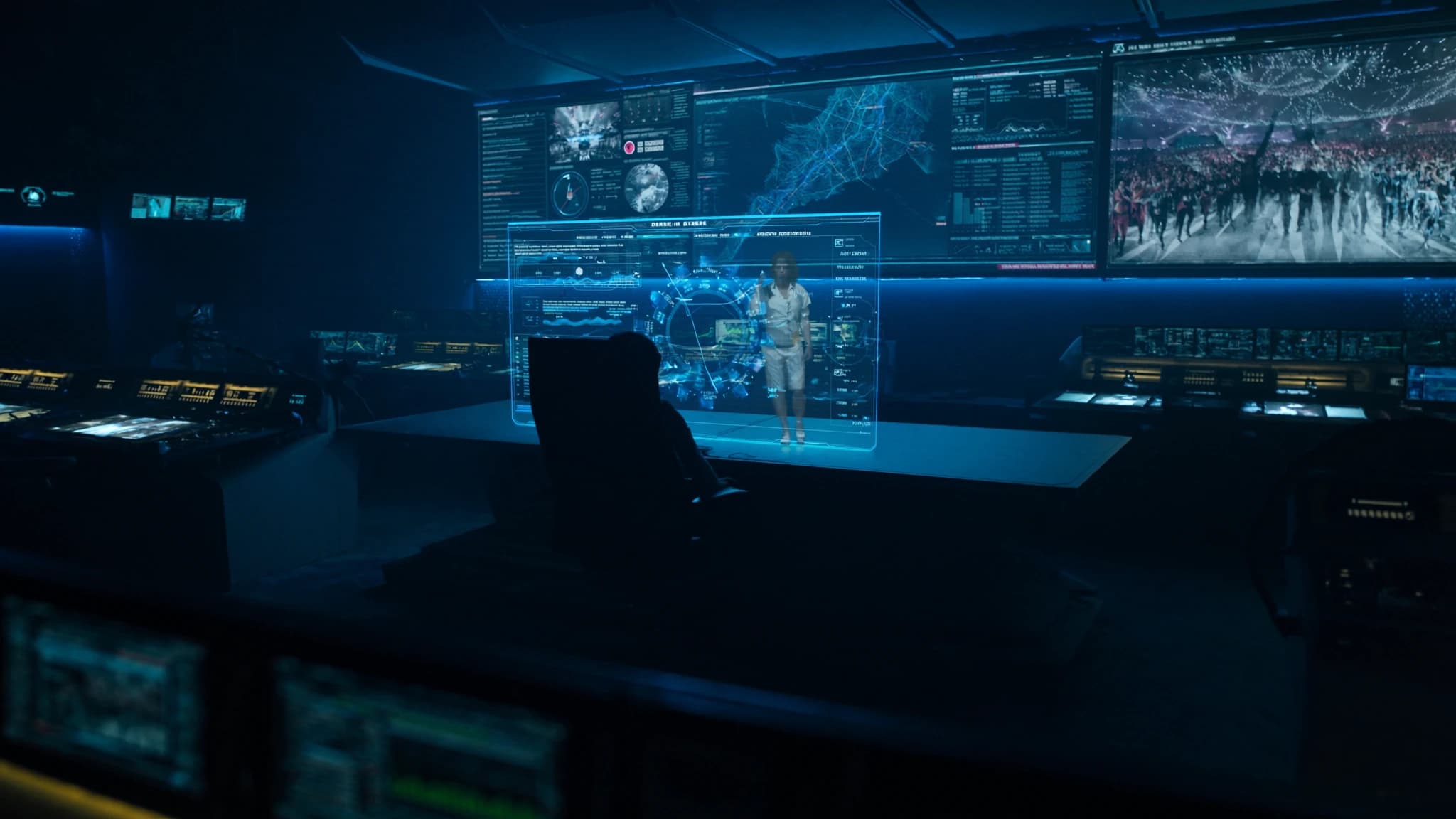
Der Aufstieg der KI in der Tontechnik hat sowohl Begeisterung als auch Angst ausgelöst. Werden intelligente Algorithmen menschliche Ingenieure überflüssig machen? Die kurze Antwort ist nein, aber die Rolle entwickelt sich unbestreitbar weiter. KI ist hervorragend darin, repetitive Aufgaben zu automatisieren und komplexe Berechnungen zu optimieren, aber sie kann nicht die kreative Intuition, das kritische Hören und die Kunden Zusammenarbeit replizieren, die großartige Tontechnik ausmachen. Dieser Leitfaden untersucht, wo KI im Workflow passt, was sie für Ihre Karriere bedeutet und wie Sie neben ihr gedeihen können.
Wichtigste Punkte
- KI ist hervorragend bei repetitiven, datengetriebenen Aufgaben wie Rauschunterdrückung, Systemoptimierung und Rough-Mixing, aber es fehlt ihr an kreativer Intuition und Echtzeit-Problemlösung.
- Menschliche Ingenieure sind unersetzlich für kritisches Hören, Kunden Zusammenarbeit und den Umgang mit unvorhersehbaren Live-Sound-Szenarien.
- Die erfolgreichsten Ingenieure werden einen hybriden Workflow übernehmen, KI zur Automatisierung von Routinearbeiten nutzen und sich auf künstlerische und technische Entscheidungen konzentrieren.
- Um zu gedeihen, entwickeln Sie Fähigkeiten, die KI nicht replizieren kann: kritisches Hören, Kommunikation, Anpassungsfähigkeit und tiefes technisches Wissen.
- KI wird die Audioarbeit auf Einstiegsebene demokratisieren, aber die Nachfrage nach hochkarätiger Expertise in Live-Sound, kreativem Mixing und komplexen Produktionen erhöhen.
- Die Zukunft der Tontechnik ist die Zusammenarbeit mit KI, nicht der Ersatz.
Was KI im Audiobereich gut kann
KI hat beeindruckende Fortschritte in Bereichen gemacht, die datengetrieben und regelbasiert sind. Tools wie iZotope Ozone’s Master Assistant, LANDR und verschiedene KI-gestützte Mischassistenten können Audio analysieren, EQ-Kurven vorschlagen, Kompressionsschwellenwerte festlegen und sogar Tracks in Sekunden mastern. Für Live-Sound kann KI bei der Systemabstimmung helfen: SSOUNDS-Ingenieure nutzen maschinelles Lernen, um DSP-Presets zu optimieren und Abdeckungsmuster vorherzusagen, was die manuelle Messzeit reduziert.
KI ist auch hervorragend bei Rauschunterdrückung, Quellentrennung (z. B. Extrahieren von Gesang aus einem Mix) und automatischer Transkription. Diese Fähigkeiten sparen Stunden mühsamer Arbeit und ermöglichen es Ingenieuren, sich auf übergeordnete Entscheidungen zu konzentrieren. In der Postproduktion kann KI Dialoge bereinigen, Klicks und Knackser entfernen und sogar Audio automatisch mit Video synchronisieren.
Wo KI an ihre Grenzen stößt
Trotz ihrer Leistungsfähigkeit fehlt KI ein echtes Verständnis für Kontext, Emotion und künstlerische Absicht. Eine Maschine kann einen technisch ausgewogenen Mix vorschlagen, aber sie kann nicht den emotionalen Bogen eines Songs fühlen oder wissen, dass ein leicht verzerrter Gesang Charakter verleiht. Im Live-Sound kann KI nicht die Stimmung eines Raums lesen oder eine spontane Dynamikänderung eines Künstlers vorhersehen.
KI hat auch Schwierigkeiten mit neuartigen Problemen. Wenn ein Mikrofon mitten in der Show ausfällt oder eine Rückkopplungsschleife in einer unerwarteten Frequenz auftritt, muss ein menschlicher Ingenieur sie in Echtzeit diagnostizieren und lösen. KI-Modelle werden auf historischen Daten trainiert und können sich nicht an einzigartige, unvorhersehbare Szenarien anpassen. Darüber hinaus sind Kundenbeziehungen, das Verständnis der Vision eines Musikers, der Umgang mit Egos und die Kommunikation technischer Konzepte an Nicht-Ingenieure inhärent menschliche Fähigkeiten.
Der hybride Workflow: KI als Werkzeug, nicht als Ersatz
Die erfolgreichsten Toningenieure werden KI als leistungsstarken Assistenten behandeln, nicht als Konkurrenten. Zum Beispiel könnte ein Ingenieur KI nutzen, um schnell einen Rough-Mix oder Master zu erstellen, und dann Zeit damit verbringen, die Details nach Gehör zu verfeinern. Im Live-Sound kann KI die Systemoptimierung und Überwachung übernehmen und den Ingenieur freisetzen, sich auf den Mix und das Publikumserlebnis zu konzentrieren.
Bei SSOUNDS integrieren wir KI in unsere Design- und Simulationswerkzeuge, verlassen uns aber bei der endgültigen Abstimmung und dem Einsatz immer auf menschliche Expertise. Unsere Ingenieure nutzen KI, um die Abdeckung zu modellieren und die Leistung vorherzusagen, treffen aber immer noch subjektive Entscheidungen über Klangbalance und Systemausrichtung. Dieser hybride Ansatz liefert das Beste aus beiden Welten: Effizienz und Kunstfertigkeit.
Fähigkeiten, um neben KI zu gedeihen
Um unverzichtbar zu bleiben, sollten sich Toningenieure auf Fähigkeiten konzentrieren, die KI nicht replizieren kann. Kritisches Hören, die Fähigkeit, subtile Verzerrungen, Phasenprobleme oder klangliche Ungleichgewichte zu hören, ist eine menschliche Superkraft. Kultivieren Sie Ihr Gehör, indem Sie mit vielfältigem Material und in anspruchsvollen akustischen Umgebungen üben.
Entwickeln Sie starke zwischenmenschliche und kommunikative Fähigkeiten. Kunden engagieren Sie für Ihren Geschmack, Ihr Urteilsvermögen und Ihre Fähigkeit, ihre Vision in Klang umzusetzen. Lernen Sie, mit Künstlern, Produzenten und Veranstaltern zusammenzuarbeiten. Bleiben Sie auch technisch neugierig: Verstehen Sie, wie KI-Tools funktionieren, ihre Grenzen und wie Sie sie bei Bedarf übersteuern können. Spezialisieren Sie sich schließlich auf Bereiche, in denen menschliche Note am wichtigsten ist, wie Live-Sound-Mixing, immersives Audio oder kreatives Sounddesign.
KI im Live-Sound: Eine Fallstudie
Im Live-Sound wird KI bereits für automatisches Mikrofon-Mixing, Rückkopplungsunterdrückung und Raumentzerrung eingesetzt. Keine KI kann jedoch die Erfahrung eines erfahrenen Ingenieurs ersetzen, der weiß, wie man mit einer unruhigen Menge, einem temperamentvollen Monitorsystem oder einer kurzfristigen Bühnenänderung umgeht. Bei Festivals und Touren werden SSOUNDS-Systeme oft mit KI-gestützter Software abgestimmt, aber der endgültige Mix liegt immer in menschlicher Hand.
KI kann auch bei der vorausschauenden Wartung helfen, indem sie Systemdaten analysiert, um vor möglichen Ausfällen zu warnen, aber sie kann nicht die Fähigkeit des Ingenieurs ersetzen, spontan Fehler zu beheben. Der menschliche Ingenieur bleibt das Sicherheitsnetz und die kreative Kraft hinter jeder großartigen Live-Performance.
Die Zukunft: Zusammenarbeit, nicht Obsoleszenz
Anstatt Ingenieure zu ersetzen, wird KI bestimmte Aspekte der Audioproduktion demokratisieren und hochwertige Ergebnisse für Anfänger zugänglich machen. Dies kann den Wettbewerb auf Einstiegsebene erhöhen, aber auch die Messlatte für Profis höher legen. Ingenieure, die KI als kreativen Partner einsetzen, werden bessere Arbeit schneller produzieren und höhere Sätze verlangen können.
Die Branche wird weiterhin qualifizierte Ingenieure für Projekte mit hohem Einsatz benötigen, Live-Konzerte, Film-Soundtracks, Broadcast-Events, bei denen Perfektion und Kunstfertigkeit nicht verhandelbar sind. KI wird die Drecksarbeit erledigen; Ingenieure werden die Magie übernehmen.
Häufige Fragen
Wird KI Live-Sound-Ingenieure ersetzen?
Nicht vollständig. KI kann bei der Systemabstimmung, Rückkopplungsunterdrückung und Überwachung helfen, aber sie kann nicht die menschliche Fähigkeit ersetzen, einen Raum zu lesen, sich an unerwartete Änderungen anzupassen und in Echtzeit kreative Entscheidungen zu treffen. Live-Sound-Ingenieure, die KI als Werkzeug einsetzen, bleiben unverzichtbar.
Kann KI einen Song genauso gut mastern wie ein Mensch?
KI kann schnell technisch kompetente Master produzieren, aber oft fehlt ihr das nuancierte Verständnis von Genre, emotionaler Wirkung und Dynamikumfang, das ein erfahrener menschlicher Ingenieur mitbringt. Für kommerzielle Veröffentlichungen wird menschliches Mastering weiterhin bevorzugt, obwohl KI ein nützlicher Ausgangspunkt sein kann.
Welche Toningenieur-Jobs sind am stärksten von KI bedroht?
Einstiegsrollen mit repetitiven Aufgaben wie einfache Bearbeitung, Rauschunterdrückung oder einfaches Mischen sind am stärksten gefährdet. Jobs, die kreatives Urteilsvermögen, Kundeninteraktion und Live-Problemlösung erfordern, sind jedoch viel sicherer. Eine Spezialisierung auf High-End-Live-Sound, immersives Audio oder Sounddesign kann Ihre Karriere zukunftssicher machen.
Wie kann ich lernen, KI in meinem Audio-Workflow zu nutzen?
Beginnen Sie mit Experimenten mit KI-gestützten Plugins und Software wie iZotope Ozone, LANDR oder Adobe Podcast. Nutzen Sie sie, um Rough-Mixes oder Master zu erstellen, und verfeinern Sie dann nach Gehör. Für Live-Sound erkunden Sie KI-gestützte Systemabstimmungswerkzeuge. Der Schlüssel liegt darin, zu verstehen, was KI gut kann und wo Sie eingreifen müssen.
Wird KI die Tontechnik weniger kreativ machen?
Nein, sie kann Kreativität sogar fördern, indem sie Ingenieure von mühsamen Aufgaben befreit. Wenn KI die technische Optimierung übernimmt, haben Ingenieure mehr Zeit, mit Sounddesign, Arrangement und künstlerischen Entscheidungen zu experimentieren. Der kreative Kern der Tontechnik bleibt fest in menschlicher Hand.
System aufbauen oder aufrüsten?
SSOUNDS entwickelt und fertigt professionelle PA weltweit, vom einzelnen Raum bis zur Stadiongröße.