So machen Sie Ihre AV-Karriere zukunftssicher für KI
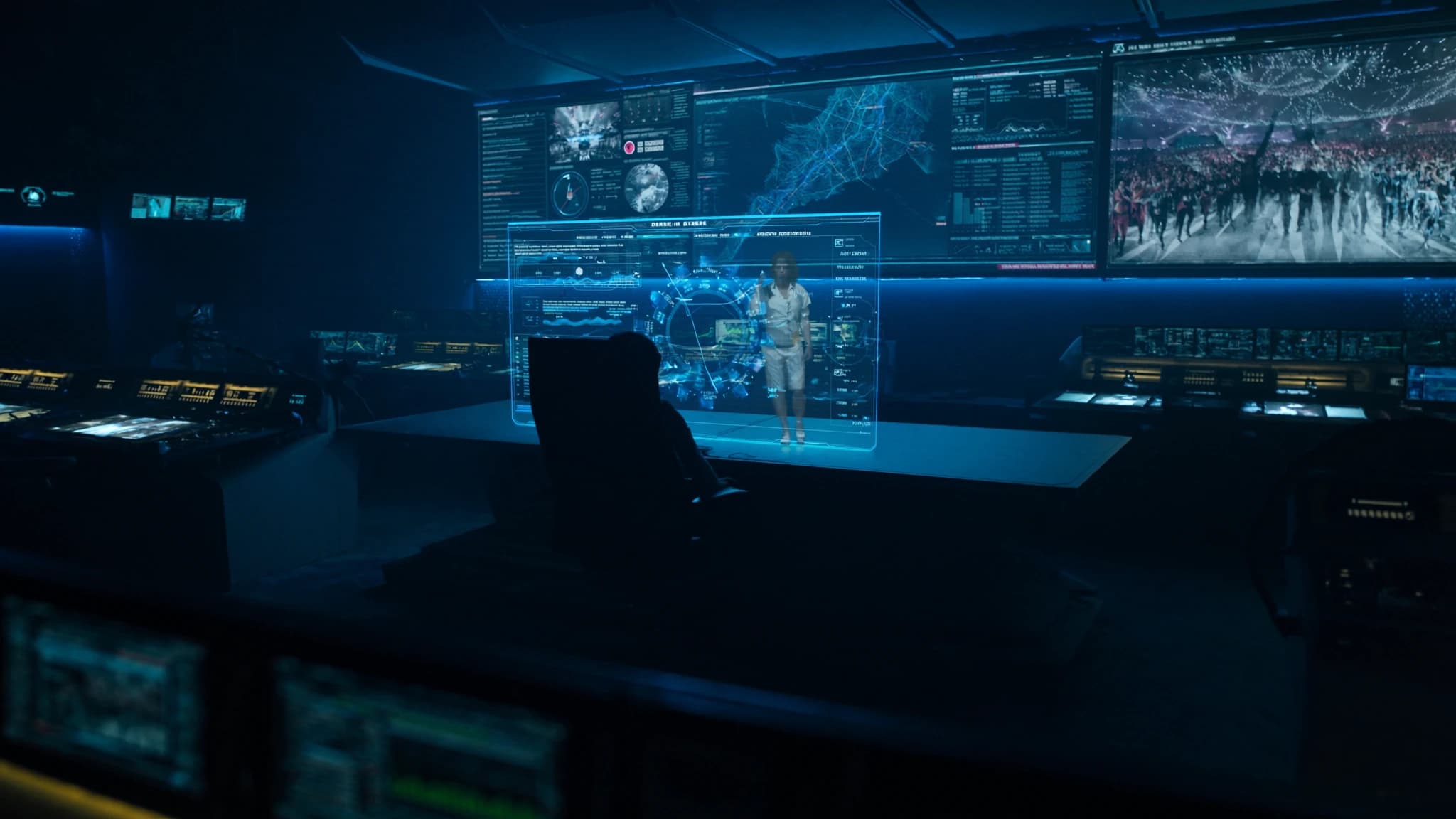
Während künstliche Intelligenz die Audio-Visual-Branche umgestaltet, sorgen sich viele Fachleute, dass Automatisierung ihre Rollen ersetzen könnte. Die Wahrheit ist, dass KI ein leistungsstarkes Werkzeug ist, das, wenn man es beherrscht, Ihren Wert steigern kann, anstatt ihn zu verringern. Dieser Leitfaden bietet praktische Strategien für AV-Fachleute, um ihre Karriere zukunftssicher zu machen, indem sie sich auf Fähigkeiten konzentrieren, die KI ergänzt, und auf Bereiche, in denen menschliche Expertise unersetzlich bleibt.
Wichtigste Punkte
- KI automatisiert repetitive Aufgaben, kann aber menschliche Kreativität, Empathie und kritisches Denken nicht ersetzen.
- Vertiefen Sie unersetzliche Fähigkeiten wie kritisches Hören, Kundenkommunikation und Live-Problemlösung.
- Meistern Sie KI-Tools, um die Effizienz zu steigern und der Go-to-Experte für KI-augmentierte Workflows zu werden.
- Spezialisieren Sie sich auf komplexe, risikoreiche Umgebungen, in denen menschliche Anpassungsfähigkeit wesentlich ist.
- Verpflichten Sie sich zu lebenslangem Lernen und Networking, um Branchenveränderungen voraus zu sein.
- Streben Sie danach, ein Hybridprofi zu werden, der AV-Expertise mit KI-Kompetenz verbindet.
Verstehen Sie, was KI im AV-Bereich am besten kann
KI ist hervorragend bei repetitiven, datenintensiven Aufgaben, denken Sie an automatisiertes Mischen, Optimierung von Soundsystemen und vorausschauende Wartung. Zum Beispiel kann KI-gesteuertes DSP ein PA-System in Sekunden abstimmen, und Machine-Learning-Algorithmen können Raumakustik analysieren, um optimale Lautsprecherplatzierungen vorzuschlagen. Allerdings fehlt KI das kontextuelle Verständnis, die Kreativität und die nuancierte Entscheidungsfindung, die menschliche Fachleute mitbringen.
Anstatt diese Fähigkeiten zu fürchten, lernen Sie, sie zu nutzen. Verwenden Sie KI-Tools, um zeitaufwändige Kalibrierungen zu erledigen, und machen Sie sich frei, um sich auf kreatives Sounddesign, Kundenbeziehungen und komplexe Problemlösung zu konzentrieren. Der Schlüssel ist, KI als Assistenten zu sehen, nicht als Ersatz.
Vertiefen Sie Ihre unersetzlichen menschlichen Fähigkeiten
Während KI Daten verarbeiten kann, kann sie menschliche Intuition, Empathie oder künstlerisches Urteilsvermögen nicht replizieren. Fähigkeiten wie kritisches Hören, Mischen für emotionale Wirkung und das Verständnis der Vision eines Kunden sind einzigartig menschlich. Investieren Sie Zeit in Gehörbildung, Musiktheorie und das Studium, wie verschiedene Genres im Live-Sound übertragen werden.
Kommunikation und Projektmanagement sind ebenso wichtig. KI kann Berichte erstellen, aber sie kann nicht mit einem Veranstaltungsmanager verhandeln, einen nervösen Künstler beruhigen oder ein Team unter Druck führen. Diese Soft Skills werden wertvoller, da technische Aufgaben automatisiert werden.
Meistern Sie KI-Tools, um wettbewerbsfähig zu bleiben
Die zukunftssichersten AV-Fachleute werden diejenigen sein, die KI-Tools fließend bedienen können. Lernen Sie, KI-basierte Systemdesign-Software, automatisierte Misch-Plugins und prädiktive Analysen für die Wartung von Geräten zu verwenden. Zum Beispiel nutzen SSOUNDS-Engineers KI-gestützte akustische Modellierung, um Abdeckungsmuster vorherzusagen, was eine schnellere und genauere Systembereitstellung ermöglicht.
Machen Sie sich mit Plattformen wie Audinates Dante Domain Manager vertraut, der KI für Netzwerkoptimierung nutzt, oder mit den automatisierten Vorhersagewerkzeugen von Soundvision. Die Person zu sein, die KI-gesteuerte Systeme einrichten, interpretieren und Fehler beheben kann, macht Sie unverzichtbar.
Spezialisieren Sie sich auf komplexe, risikoreiche Umgebungen
KI hat Schwierigkeiten mit unvorhersehbaren, risikoreichen Szenarien wie Live-Broadcast, großen Festivals oder immersiven Installationen. Diese Umgebungen erfordern Echtzeitanpassungsfähigkeit, Risikobewertung und kreative Problemlösung, alles menschliche Stärken. Die Spezialisierung auf solche Bereiche, zum Beispiel das Design von Audio für ein Multi-Stage-Festival oder ein Corporate-Event mit mehreren Sprachen, stellt sicher, dass Ihre Fähigkeiten gefragt bleiben.
Konzentrieren Sie sich zusätzlich auf Systemintegration und kundenspezifische Lösungen. KI kann Standard-Setups vorschlagen, aber die Anpassung eines Systems an einen einzigartigen Veranstaltungsort oder eine künstlerische Vision erfordert menschliche Expertise. SSOUNDS bietet zum Beispiel oft kundenspezifisches Rigging und Tuning für komplexe Installationen, einen Service, den KI nicht replizieren kann.
Umarmen Sie kontinuierliches Lernen und Networking
Die AV-Branche entwickelt sich schnell, und KI beschleunigt diesen Wandel. Verpflichten Sie sich zu lebenslangem Lernen durch Zertifizierungen (z. B. CTS, Dante oder Herstellerschulungen), Online-Kurse und Branchenveranstaltungen. Folgen Sie Thought Leaders und Herstellern wie SSOUNDS, die regelmäßig technische Einblicke und Fallstudien veröffentlichen.
Networking ist ebenso entscheidend. Treten Sie Berufsorganisationen wie AES oder NSCA bei, besuchen Sie Fachmessen und beteiligen Sie sich an Online-Foren. Menschliche Verbindungen führen zu Möglichkeiten, die Algorithmen nicht generieren können. Als zuverlässiger, sachkundiger Fachmann bekannt zu sein, ist ein Karriere-Asset, das KI nicht replizieren kann.
Entwickeln Sie eine Hybridrolle: Der KI-augmentierte AV-Profi
Die Zukunft gehört Fachleuten, die technische AV-Expertise mit KI-Kompetenz kombinieren. Zum Beispiel könnten Sie KI verwenden, um erste Systemdesigns zu generieren, und sie dann basierend auf Ihrer Erfahrung verfeinern. Oder Sie könnten KI-Modelle auf Ihre eigenen Mischpräferenzen trainieren, um Ihren Workflow zu beschleunigen.
Erwägen Sie Rollen wie 'AV Systems Designer' oder 'Audio Data Analyst', die traditionelle Fähigkeiten mit Datenwissenschaft verbinden. Indem Sie sich als Brücke zwischen menschlicher Kunstfertigkeit und maschineller Effizienz positionieren, werden Sie für jede Organisation unverzichtbar.
Häufige Fragen
Wird KI Live-Sound-Engineers ersetzen?
KI wird bestimmte Aufgaben automatisieren, wie einfaches Mischen und Systemabstimmung, aber sie kann nicht die kreative und anpassungsfähige Entscheidungsfindung eines menschlichen Engineers ersetzen. Die Rolle wird sich weiterentwickeln und sich stärker auf künstlerische Leitung, Kundeninteraktion und die Verwaltung von KI-Tools konzentrieren.
Welche KI-Tools sollten AV-Fachleute lernen?
Beginnen Sie mit KI-gestützter Systemdesign-Software (z. B. EASE Focus, Soundvision), automatisierten Misch-Plugins (z. B. iZotope Neutron) und Plattformen für vorausschauende Wartung. Erkunden Sie auch KI für Netzwerkoptimierung und akustische Modellierung.
Wie kann ich relevant bleiben, wenn ich nicht technisch bin?
Konzentrieren Sie sich auf Soft Skills wie Kundenmanagement, Projektkoordination und kreative Leitung. Auch nicht-technische Rollen profitieren davon, die Fähigkeiten von KI zu verstehen, um besser mit technischen Teams und Kunden zu kommunizieren.
Lohnt es sich, sich im Bereich KI für AV zertifizieren zu lassen?
Ja, Zertifizierungen in KI-bezogenen AV-Tools (z. B. Dante, AES67 oder herstellerspezifische Schulungen) zeigen Ihr Engagement, auf dem Laufenden zu bleiben. Sie bieten auch praktische Erfahrung mit der Technologie.
Welche Branchen werden weiterhin menschliche AV-Fachleute benötigen?
Live-Events, Broadcast, immersive Installationen und High-End-Corporate-AV werden aufgrund ihrer Komplexität und der Notwendigkeit von Echtzeitanpassung weiterhin menschliche Expertise erfordern. Diese Sektoren schätzen Kreativität und Zuverlässigkeit mehr als Automatisierung.
System aufbauen oder aufrüsten?
SSOUNDS entwickelt und fertigt professionelle PA weltweit, vom einzelnen Raum bis zur Stadiongröße.