KI-Kamera-Tracking und Live-Übertragung
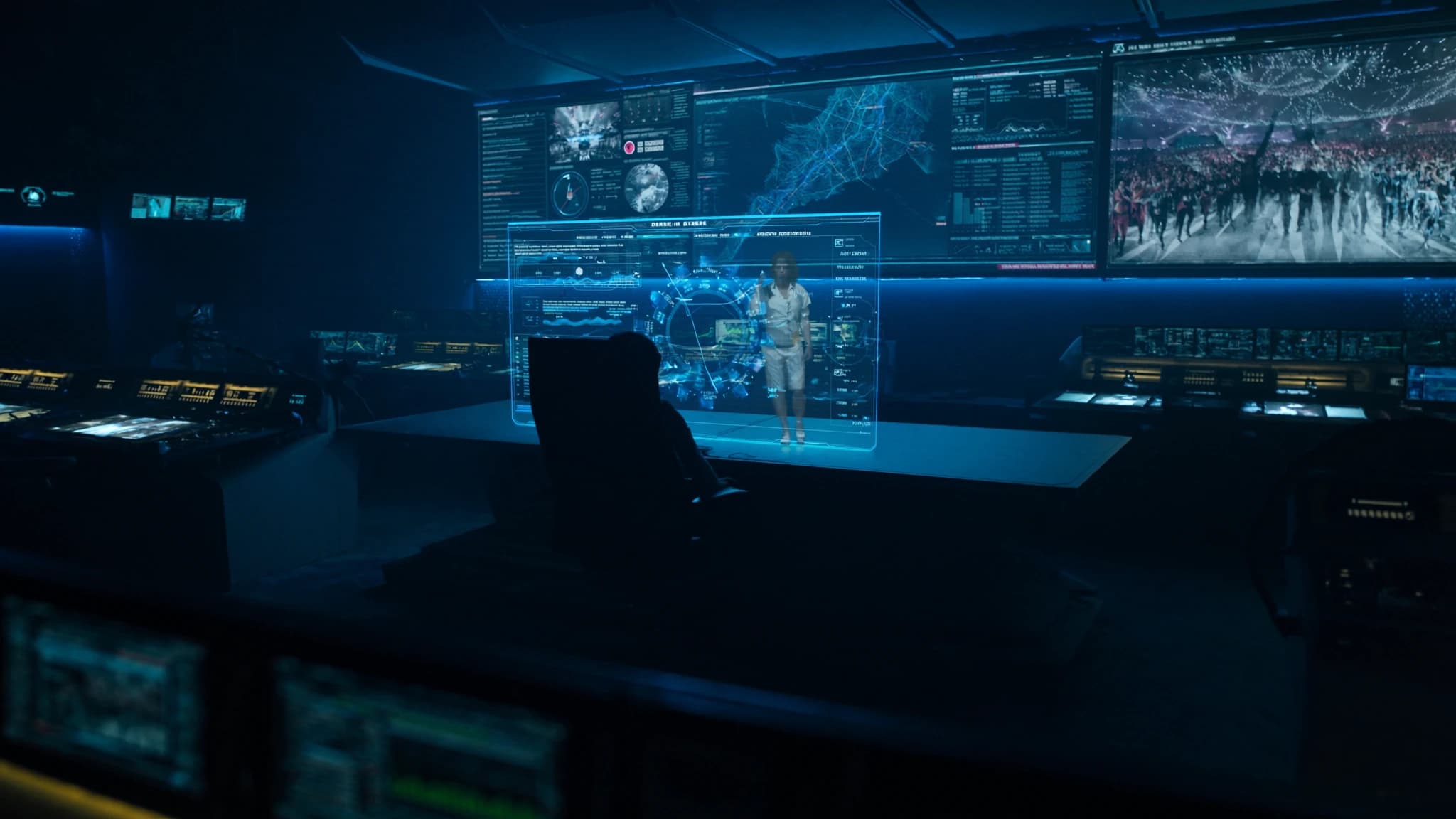
Live-Übertragung und Streaming erforderten traditionell mehrere Kameraoperatoren, einen Bildmischer und einen Regisseur, um eine ausgefeilte Berichterstattung zu produzieren. KI-Kamera-Tracking und automatisiertes Switching ändern das: Sie nutzen Computer Vision, maschinelles Lernen und Sensorfusion, um Präsentatoren zu folgen, Sprecher ins Bild zu setzen und zwischen Winkeln zu schneiden, ohne menschliches Eingreifen. Für Gotteshäuser, Unternehmensveranstaltungen und Bildungseinrichtungen bedeutet das konsistente, professionelle Übertragungen mit einem Bruchteil der Crew. SSOUNDS integriert diese intelligenten Systeme in komplette AV-Lösungen und stellt sicher, dass Audio und Video harmonieren.
Wichtigste Punkte
- KI-Auto-Tracking-Kameras nutzen Gesichtserkennung und Tiefenerfassung, um Motive ohne Operator zu verfolgen.
- Automatisierte Switching-Systeme analysieren mehrere Kamerafeeds, um in Echtzeit den besten Winkel auszuwählen.
- Audio-Video-Sync ist entscheidend; verwenden Sie Delay-Kompensation und dedizierte Broadcast-Mixe.
- SSOUNDS integriert KI-Kamerasysteme mit professionellem Audio für nahtloses Streaming und Broadcasting.
- Richtige Beleuchtung, Hintergrund und Kalibrierung sind wesentlich für zuverlässiges KI-Tracking.
- Zukünftige KI-Fortschritte werden prädiktives Tracking und immersive audiovisuelle Erlebnisse ermöglichen.
Wie KI-Auto-Tracking-Kameras funktionieren
KI-Auto-Tracking-Kameras nutzen eine Kombination aus Gesichtserkennung, Körperverfolgung und Tiefenerfassung, um sich auf ein Motiv zu fixieren und dessen Bewegung zu folgen. Der onboard-Prozessor der Kamera führt ein neuronales Netz aus, das das Ziel identifiziert, oft durch Auswahl eines Gesichts oder eines Interessenbereichs, und steuert dann Pan-, Tilt- und Zoom-Motoren, um das Motiv gemäß voreingestellten Kompositionsregeln (z. B. Kopffreiheit, Drittelregel) im Bild zu halten.
Moderne Systeme können einen einzelnen Präsentator auf einer Bühne verfolgen, einen Dozenten, der sich in einem Klassenzimmer bewegt, oder sogar mehrere Motive, indem sie den Fokus je nach Aktivität wechseln. Einige Kameras verwenden Infrarot- oder Time-of-Flight-Sensoren für die Tiefe, während andere sich rein auf Videoanalyse verlassen. Das Ergebnis ist eine flüssige, natürlich wirkende Bewegung, die einen erfahrenen Kameramann nachahmt, ohne die Arbeitskosten.
Automatisiertes Switching und Multi-Kamera-Produktion
Über eine einzelne Tracking-Kamera hinaus können KI-gesteuerte Produktionssysteme mehrere Kameras verwalten und automatisch zwischen ihnen umschalten. Diese Systeme analysieren jeden Kamerafeed auf Faktoren wie Präsenz des Motivs, Bildqualität und Bewegung und wählen dann in Echtzeit den besten Winkel. Zum Beispiel könnte eine Totale verwendet werden, wenn der Präsentator stillsteht, und auf eine Nahaufnahme umgeschaltet werden, wenn er gestikuliert oder näher an das Publikum herantritt.
Einige Plattformen integrieren sich auch in Präsentationssoftware und erkennen, wenn eine Folie wechselt oder ein Video abgespielt wird, um auf einen Bildschirmmitschnitt oder eine dedizierte Kamera umzuschalten. Die KI kann Veranstaltungsmuster im Laufe der Zeit lernen und ihre Entscheidungen verbessern. Dies reduziert die Notwendigkeit eines dedizierten Bildmischers und ermöglicht es einem einzigen Operator (oder sogar keinem Operator), eine Multi-Kamera-Übertragung zu überwachen.
Wichtige Überlegungen zur Audio-Video-Synchronisation
Bei Live-Übertragungen müssen Audio und Video eng synchronisiert sein; eine Verzögerung von auch nur wenigen Frames ist wahrnehmbar. KI-Tracking-Systeme führen eine Verarbeitungslatenz für die Videoanalyse ein, die die Lippensynchronität stören kann, wenn sie nicht verwaltet wird. SSOUNDS empfiehlt die Verwendung eines dedizierten Audio-Delay-Prozessors oder eines Digitalmischers mit Delay-Kompensation, um den Audiostream mit dem Videoausgang abzugleichen.
Darüber hinaus sollte das Audiosystem mit konsistenter Abdeckung ausgelegt sein, damit das Mikrofon der verfolgten Kamera (oder ein separates Lavalier) sauberes Audio ohne Phasenprobleme aufnimmt. Für Gotteshäuser und Unternehmensveranstaltungen kombiniert SSOUNDS KI-Kameras oft mit Beamforming-Mikrofonen oder drahtlosen Lavaliers, die in einen DSP eingespeist werden, der sicherstellt, dass Pegel und EQ für die Übertragung optimiert sind, nicht nur für den Raum.
Integration mit SSOUNDS PA- und Broadcast-Systemen
SSOUNDS entwirft komplette AV-Lösungen, bei denen Lautsprecher, Verstärker und Processing mit Video- und Broadcast-Equipment integriert sind. Für KI-Kamera-Tracking stellen wir sicher, dass der an den Streaming-Encoder gesendete Audiofeed ordnungsgemäß gegated, komprimiert und frei von Raumreflexionen ist. Unsere DSP-Plattformen können einen dedizierten Mix-Minus für die Übertragung routen, getrennt von der Haus-PA, damit Remote-Zuschauer ein sauberes, direktes Signal hören.
Wir arbeiten auch mit führenden KI-Kamera-Marken (z. B. PTZOptics, Sony, Panasonic) zusammen, um die Kompatibilität zu überprüfen und eine Kamerapositionierung zu empfehlen, die akustische Abschattung oder Rückkopplung vermeidet. In größeren Locations bieten SSOUNDS Line Arrays eine gleichmäßige Abdeckung, sodass Kameras in optimalen Winkeln platziert werden können, ohne die Klangqualität zu beeinträchtigen.
Reduzierung der Operatorlast ohne Qualitätsverlust
Der Hauptvorteil von KI-Auto-Tracking und automatisiertem Switching ist die Reduzierung der benötigten Operatoren. Eine typische Multi-Kamera-Übertragung könnte drei bis fünf Personen erfordern; mit KI kann eine Person beaufsichtigen oder das System sogar autonom laufen lassen. Dies ist besonders wertvoll für Organisationen mit begrenzten Budgets oder Freiwilligen.
Die Qualität hängt jedoch von der richtigen Einrichtung ab. Die Beleuchtung muss gleichmäßig sein, um Tracking-Verlust zu vermeiden; Hintergründe sollten aufgeräumt sein; und die KI muss auf die spezifische Umgebung trainiert werden. SSOUNDS bietet Kalibrierung und Tests vor der Veranstaltung, um sicherzustellen, dass das System zuverlässig funktioniert. Wir empfehlen auch einen manuellen Fallback-Override für kritische Momente, wie einen Gastredner, der möglicherweise nicht in der Tracking-Datenbank ist.
Zukunftstrends: KI und immersives Broadcasting
Mit der Weiterentwicklung der KI erwarten wir, dass Kameras nicht nur verfolgen, sondern auch Bewegungen vorhersagen, antizipieren, wohin ein Präsentator als Nächstes tritt, und entsprechend framen. Multi-Sensor-Fusion (Kombination von Video, Audio und sogar LiDAR) wird das Tracking unter schwierigen Bedingungen wie schwachem Licht oder schneller Bewegung verbessern. Darüber hinaus wird KI virtuelle Kamerabewegungen ermöglichen und flüssige Zooms und Schwenks erzeugen, die mit physischer Hardware unmöglich sind.
Für die Übertragung bedeutet dies dynamischere, filmischere Produktionen mit weniger Ressourcen. SSOUNDS erforscht aktiv, wie diese Technologien mit immersiven Audioformaten wie Dolby Atmos und objektbasiertem Sound integriert werden, damit das Erlebnis des Zuhörers genauso fesselnd ist wie das des Zuschauers.
Häufige Fragen
Brauche ich mit KI-Tracking-Kameras noch einen menschlichen Operator?
Bei vielen Veranstaltungen kann die KI autonom arbeiten, aber wir empfehlen eine Aufsichtsperson für kritische Momente oder um einzugreifen, falls das Tracking fehlschlägt. Die Anzahl der Operatoren sinkt von mehreren auf eine Person.
Können KI-Tracking-Kameras bei schwachem Licht arbeiten?
Die meisten benötigen ausreichende Beleuchtung. Infrarot-unterstützte Modelle funktionieren bei sehr wenig Licht, können aber an Farbgenauigkeit verlieren. SSOUNDS empfiehlt, unter den typischen Bedingungen Ihrer Location zu testen.
Wie synchronisiere ich Audio von meinem PA-System mit dem Video?
Verwenden Sie einen DSP oder Digitalmischer, um dem Audiosignal eine Verzögerung hinzuzufügen, die der Verarbeitungslatenz der Kamera entspricht. SSOUNDS kann helfen, diese zu messen und zu konfigurieren.
Funktioniert KI-Switching mit meinen vorhandenen Kameras?
Viele KI-Switching-Plattformen unterstützen gängige PTZ- und Festkameras über NDI, SDI oder HDMI. Prüfen Sie die Kompatibilität mit Ihrem Modell. SSOUNDS kann bei Bedarf Upgrades empfehlen.
Was passiert, wenn die KI das Motiv verliert?
Die meisten Systeme haben einen Wiedererfassungsmodus oder können auf eine Totale umschalten. Wir konfigurieren Fallback-Presets, um eine reibungslose Wiederherstellung zu gewährleisten.
System aufbauen oder aufrüsten?
SSOUNDS entwickelt und fertigt professionelle PA weltweit, vom einzelnen Raum bis zur Stadiongröße.