KI in LED-Video und Echtzeit-Content
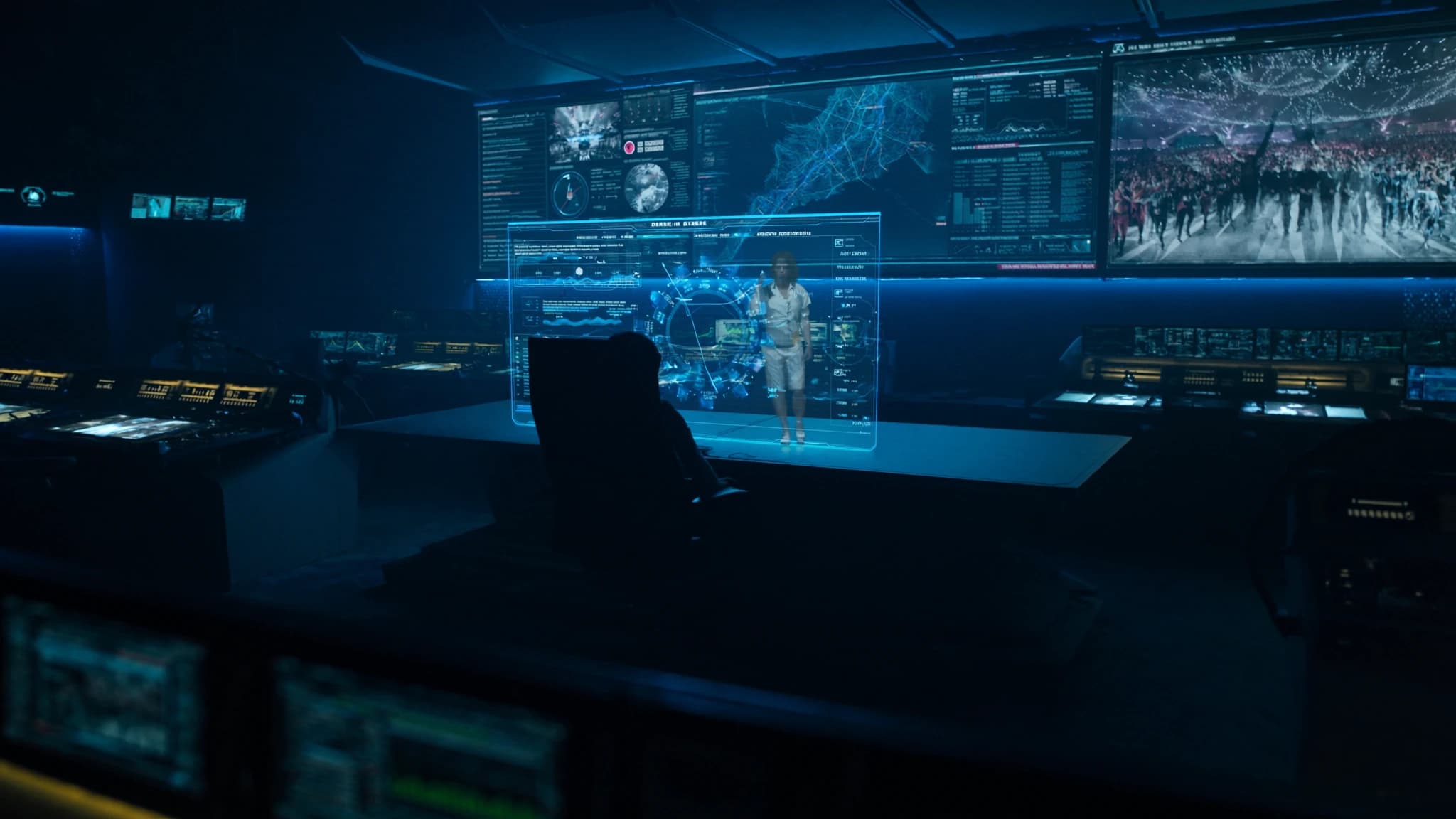
KI verwandelt LED-Videowände von statischen Displays in dynamische, intelligente Leinwände. Durch Echtzeit-generative Visuals, audio-reaktive Grafiken und KI-Upscaling können Content-Ersteller nun immersive Erlebnisse liefern, die sich an Publikum und Umgebungen anpassen. SSOUNDS, als führendes Unternehmen in der professionellen Audio-Video-Integration, untersucht, wie diese Technologien Live-Events und Installationen aufwerten.
Wichtigste Punkte
- KI ermöglicht Echtzeit-generative Visuals, die sich an Inputs wie Audio und Publikumsdaten anpassen und LED-Wände dynamisch machen.
- Audio-reaktive Grafiken nutzen Machine Learning, um Klangcharakteristiken auf visuelle Effekte für immersive Erlebnisse zu mappen.
- KI-Upscaling verbessert niedrig aufgelösten Content für große LED-Wände, bewahrt Details und reduziert Artefakte.
- Niedriglatente Verarbeitung und Hardware-Synchronisation sind kritisch für nahtlose Integration mit Audiosystemen.
- SSOUNDS-Expertise in Audio-Video-Synchronisation stellt sicher, dass KI-gesteuerter Content in Live-Events und Installationen zuverlässig performt.
- Anwendungen reichen von Konzerten und Festivals bis zu Corporate Events und reduzieren die Abhängigkeit von vorproduziertem Content.
Echtzeit-generative Visuals
KI-gestützte Tools wie Stable Diffusion und GANs generieren nun hochauflösende Visuals on the fly und reagieren auf Inputs wie Publikumsbewegung, Wetter oder Social-Media-Feeds. Für LED-Wände bedeutet dies endlosen, einzigartigen Content ohne Vorrendering. Systeme wie NVIDIAs Omniverse integrieren sich mit LED-Prozessoren, um 3D-Szenen in Echtzeit zu rendern, während KI Bildraten und Auflösung optimiert, um Pixel-Pitches zu entsprechen.
SSOUNDS-Ingenieure arbeiten mit Partnern zusammen, um KI-gesteuerte Medienserver einzusetzen, die generativen Content mit Audiosystemen synchronisieren und sicherstellen, dass visuelle und klangliche Elemente kohäsiv reagieren. Dies ist besonders wirkungsvoll in Konzertumgebungen, wo LED-Wände Teil der Performance werden und mit der Musik morphieren.
Audio-reaktive Grafiken
KI-Algorithmen können Audiosignale in Echtzeit analysieren, Tempo, Frequenz und Amplitude extrahieren, um visuelle Effekte auf LED-Wänden zu steuern. Dies geht über einfache Beat-Erkennung hinaus; Machine-Learning-Modelle klassifizieren Klangtypen (Gesang, Drums, Bass) und mappen sie auf spezifische visuelle Ebenen, wodurch ein wahrhaft synchronisiertes Erlebnis entsteht.
Für SSOUNDS ist diese Synergie natürlich. Unsere Lautsprechersysteme liefern präzises Audio, das KI mit niedriger Latenz analysieren kann, wodurch LED-Wände bei jedem Ton pulsieren, wellen oder in Farbe explodieren können. Dies ist ideal für Nachtclubs, Festivals und Gotteshäuser, wo Immersion entscheidend ist.
KI-Upscaling für große Screens
LED-Wände erfordern oft Content in nativer Auflösung (z. B. 4K oder 8K), aber das Quellmaterial kann niedriger sein. KI-Upscaling nutzt Deep Learning, um Details hinzuzufügen, Artefakte zu reduzieren und Schärfe in Echtzeit zu verbessern. Tools wie Topaz Video AI oder NVIDIAs DLSS können 1080p auf 4K mit minimaler Latenz hochskalieren, entscheidend für Live-Events.
SSOUNDS empfiehlt, KI-Upscaler mit hochwertigen LED-Prozessoren zu kombinieren, um Farbgenauigkeit und Frame-Integrität zu erhalten. Dies stellt sicher, dass selbst Legacy-Content auf großformatigen Displays makellos aussieht und die Nutzbarkeit bestehender Medienbibliotheken erweitert.
Workflow-Integration und Hardware
Die Implementierung KI-gesteuerten Contents erfordert eine robuste Pipeline: Inputs erfassen (Audio, Sensoren, Daten), via KI-Modelle verarbeiten (auf GPU-Servern oder Edge-Geräten) und an LED-Controller ausgeben. Niedrige Latenz ist kritisch, unter 50 ms für interaktive Installationen. SSOUNDS arbeitet mit Medienserver-Marken wie Disguise und Pixera zusammen, um diese Kette zu optimieren.
Hardware-Entscheidungen sind wichtig: NVIDIA RTX GPUs für Rendering, dedizierte KI-Beschleuniger (z. B. Intel Movidius) und LED-Prozessoren mit hoher Bandbreite (wie Brompton oder Novastar). SSOUNDS stellt sicher, dass Audio- und Videosysteme clock-synchronisiert sind, um Drift zwischen Sound und Visuals zu verhindern.
Anwendungen in Live-Events und Installationen
Konzerte: KI generiert Visuals, die auf das Spiel der Musiker reagieren und jede Nacht eine einzigartige Show schaffen. Festivals: Große LED-Wände zeigen generative Kunst, angetrieben von Publikumslärm oder Social-Media-Hashtags. Corporate Events: Echtzeit-Datenvisualisierung (z. B. Börsenticker, Publikumsumfragen) dynamisch gerendert.
SSOUNDS hat solche Systeme in Touring-Produktionen und permanenten Installationen eingesetzt, wo KI-Content die Notwendigkeit vorproduzierter Videodateien reduziert und schnelle Anpassung an Veranstaltungsort-Akustik oder Lichtverhältnisse ermöglicht.
Herausforderungen und Überlegungen
Latenz bleibt die größte Hürde. KI-Verarbeitung kann Verzögerungen einführen, die die Synchronisation mit Audio brechen. Lösungen umfassen die Optimierung von Modellen für Inferenzgeschwindigkeit und die Nutzung von Hardware-Beschleunigung. Auch die Content-Qualität variiert; KI-generierte Visuals können an Konsistenz mangeln, was menschliche Aufsicht erfordert.
SSOUNDS rät zu rigorosen Tests mit der tatsächlichen LED-Wand und dem Audiosystem, um Timing und visuelle Wiedergabetreue sicherzustellen. Redundanz in der Verarbeitung (duale GPUs) verhindert Abstürze während Live-Shows. Darüber hinaus sollte die Lizenzierung von KI-Modellen und Trainingsdaten für kommerzielle Nutzung überprüft werden.
Häufige Fragen
Welche Hardware wird für KI-gesteuerten LED-Content benötigt?
Ein GPU-Server (z. B. NVIDIA RTX) für die KI-Verarbeitung, ein Medienserver (wie Disguise oder Pixera) und ein LED-Prozessor (Brompton oder Novastar). SSOUNDS empfiehlt, Audio- und Video-Clocks zu synchronisieren, um Drift zu vermeiden.
Kann KI-Upscaling in Echtzeit für Live-Events funktionieren?
Ja, mit dedizierter Hardware wie NVIDIA DLSS oder Topaz Video AI ist Upscaling von 1080p auf 4K mit unter 50 ms Latenz möglich, geeignet für Live-Auftritte.
Wie bleibt audio-reaktiver Content synchron?
KI analysiert Audio in Echtzeit mit niedriglatenten Algorithmen, und die visuelle Ausgabe wird auf den Audio-Sample-Clock getaktet. SSOUNDS-Systeme liefern präzises Audio-Timing für akkurate Synchronisation.
Ist KI-generierter Content zuverlässig für professionelle Shows?
Ja, aber es erfordert Tests und menschliche Aufsicht. KI-Modelle können unerwartete Ergebnisse liefern, daher wird ein Backup-Medienserver mit vorgerendertem Content empfohlen.
Was sind die Vorteile von KI gegenüber traditioneller Content-Erstellung?
KI reduziert die Produktionszeit, ermöglicht Echtzeitanpassung an Publikum oder Umgebung und schafft einzigartige Erlebnisse, die nicht vorgerendert werden können.
System aufbauen oder aufrüsten?
SSOUNDS entwickelt und fertigt professionelle PA weltweit, vom einzelnen Raum bis zur Stadiongröße.