KI-Musikproduktion und Live-Auftritt
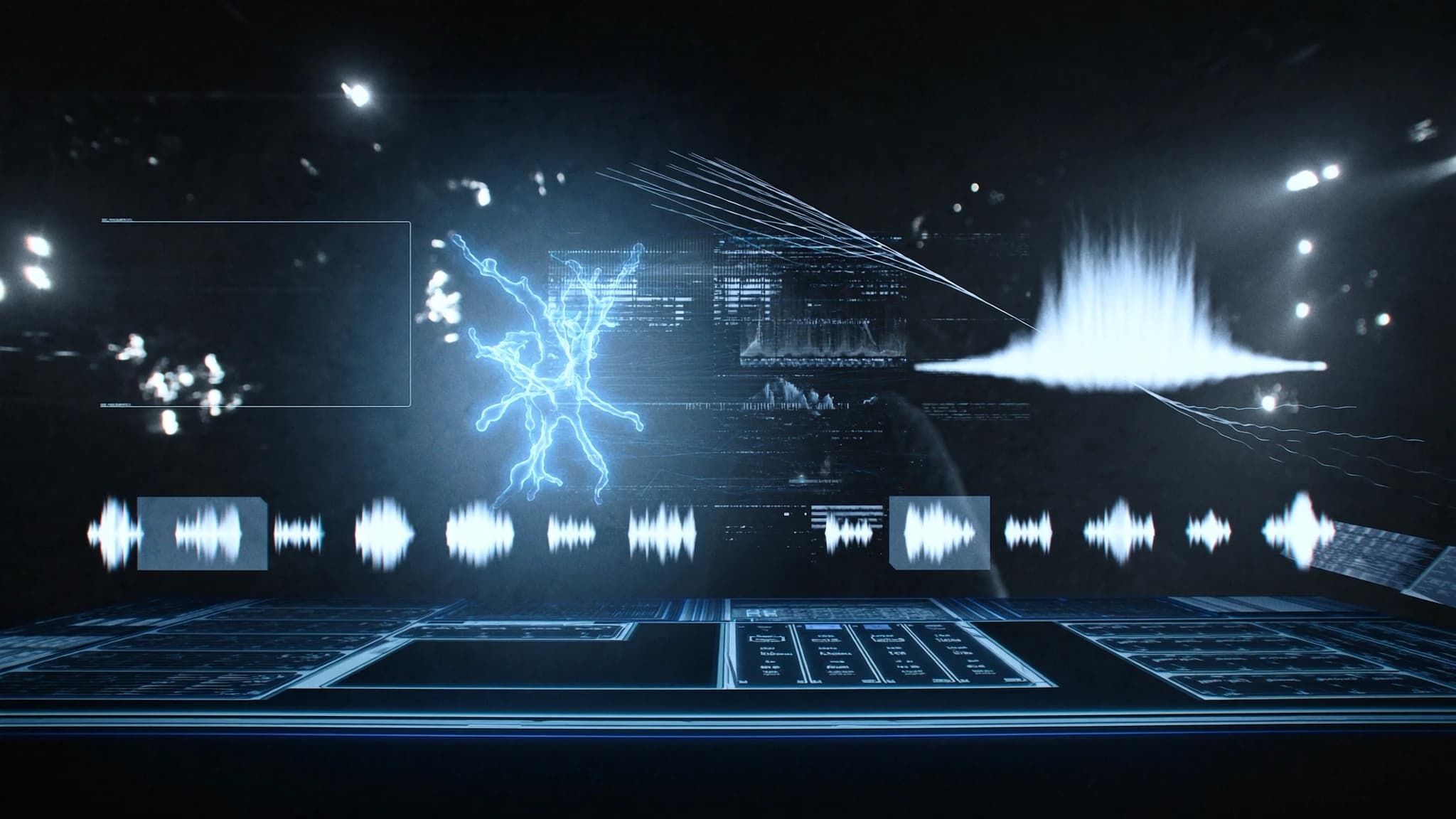
Künstliche Intelligenz verändert die Musikproduktion und Live-Auftritte, von generativer Komposition bis zur Echtzeit-Klangmanipulation. Als professioneller Lautsprecherhersteller untersucht SSOUNDS, wie KI-Tools Künstler stärken und gleichzeitig Debatten über Kreativität und Kontrolle auslösen.
Wichtigste Punkte
- KI-Tools können Musik generieren, Arrangements unterstützen und Echtzeiteffekte in Live-Auftritten ermöglichen.
- KI-gesteuertes DSP optimiert die Lautsprecherleistung, reduziert manuelles Tuning und verbessert die Konsistenz.
- Die Debatte Künstler vs. Werkzeug hängt von der Absicht ab: KI als Kollaborateur vs. Krücke.
- Hybride Workflows. KI übernimmt repetitive Aufgaben, Menschen die Leitung, liefern beste Ergebnisse.
- KI im Live-Sound kann Mixing, Rückkopplungserkennung und Beschallungsoptimierung automatisieren.
- Zukünftige KI-Systeme werden Engineer-Präferenzen erlernen und adaptive kreative Partner werden.
KI in der Musikproduktion: Von der Generierung zum Arrangement
KI-Musikgenerierungstools wie OpenAI's Jukebox, Google's Magenta und Amper Music können Melodien, Harmonien und sogar vollständige Arrangements basierend auf Benutzereingaben oder Stilreferenzen erzeugen. Diese Systeme verwenden maschinelle Lernmodelle, die auf riesigen Datensätzen vorhandener Musik trainiert wurden, um neuartige Kompositionen zu generieren. Für Produzenten bedeutet dies schnelle Ideenfindung, das Generieren von Akkordfolgen, Drum-Patterns oder Basslines in Sekunden und das Überwinden kreativer Blockaden.
Über die Generierung hinaus unterstützt KI beim Arrangement: Tools können die Struktur eines Tracks analysieren und Übergänge, Build-ups oder Drops vorschlagen. Einige Plattformen bieten Stem-Trennung, mit der Produzenten Vocals, Drums oder Instrumente für Remixing oder Live-Manipulation isolieren können. SSOUNDS-Engineers stellen fest, dass die Fähigkeit der KI, Muster der Hörerbeteiligung vorherzusagen, auch dynamische Mixing-Entscheidungen leiten kann, obwohl menschlicher Geschmack unersetzlich bleibt.
Echtzeit-KI im Live-Auftritt
Auf der Bühne ermöglicht KI Echtzeit-Audiomanipulation: Pitch-Korrektur, Harmonisierung und sogar improvisatorische Begleitung. Systeme wie Antares Auto-Tune oder iZotope's VocalSynth können Vocals live verarbeiten, während KI-gesteuerte Plugins wie Output's Portal granulare Effekte anwenden, die durch Performance-Parameter ausgelöst werden. Einige Künstler nutzen KI, um Visuals synchron zum Audio zu erzeugen und immersive Erlebnisse zu schaffen.
Für die Beschallung kann KI-gesteuertes DSP die Lautsprecherleistung in Echtzeit optimieren und EQ, Delay und Limiting basierend auf Raumakustik oder Publikumsgeräuschen anpassen. SSOUNDS integriert maschinelles Lernen in seine Verstärker-Presets, um thermische und Leistungskompression vorherzusagen und zu korrigieren, was eine gleichbleibende Klangqualität während der gesamten Show gewährleistet. Diese Technologie reduziert den Bedarf an manuellem Tuning und ermöglicht es Engineers, sich auf kreatives Mixing zu konzentrieren.
Die Debatte Künstler vs. Werkzeug: Kreativität oder Krücke?
Kritiker argumentieren, dass KI-Tools die Musik homogenisieren könnten, da Modelle, die auf vorhandenen Hits trainiert wurden, formelhafte Ergebnisse produzieren können. Einige befürchten, dass KI-generierte Musik die menschliche Kunstfertigkeit entwertet, insbesondere wenn sie eingesetzt wird, um Session-Musiker oder Songwriter zu ersetzen. Befürworter sehen KI hingegen als Kollaborateur, als Werkzeug, das kreative Möglichkeiten erweitert, ähnlich wie Synthesizer oder Sampler in früheren Epochen.
Die Debatte dreht sich oft um die Absicht: KI nutzen, um Ideen anzuregen, versus sich darauf zu verlassen, um ein Werk zu vollenden. Viele Künstler verwenden KI zum Experimentieren und verfeinern die Ergebnisse dann mit menschlicher Intuition. SSOUNDS ist der Ansicht, dass der beste Ansatz hybrid ist: KI repetitive oder technische Aufgaben überlassen (z. B. das Generieren von Variationen, das Tuning von Systemen), während Menschen die künstlerische Leitung behalten. Die Lautsprecherbranche selbst nutzt seit langem Simulationssoftware zur Modellierung der Beschallung. KI ist einfach eine intelligentere Version davon.
Praktische Anwendungen für Live-Sound-Engineers
Für FOH-Engineers können KI-Tools Mixing-Aufgaben automatisieren: Auto-Mixing mehrerer Mikrofone, Erkennung von Rückkopplungsfrequenzen oder Vorschläge für EQ-Anpassungen. Einige Digitalkonsolen enthalten jetzt KI-Assistenten, die Engineer-Präferenzen im Laufe der Zeit erlernen. Beim Monitoring kann KI Rückkopplungen vorhersagen und verhindern, indem sie Stage-Mikrofonpositionen und Lautsprecherplatzierung analysiert.
SSOUNDS empfiehlt Engineers, KI als Zeitersparnis zu nutzen, nicht als Ersatz für die Ohren. Beispielsweise kann KI einen Basis-Mix aus einer Soundcheck-Aufnahme generieren, den der Engineer dann anpasst. In großen Veranstaltungsorten gewährleistet KI-gesteuerte Line-Array-Optimierung, wie SSOUNDS' eigene prädiktive Modellierung, eine gleichmäßige Beschallung ohne manuelle Messung. Der Schlüssel liegt darin, die Grenzen des Werkzeugs zu verstehen: KI fehlt der Kontext für künstlerische Absicht oder Publikumsstimmung.
Die Zukunft: KI als kreativer Partner
Mit der Verbesserung der KI-Modelle werden wir eine nahtlosere Integration sehen: Echtzeit-Stiltransfer (z. B. eine Gitarre wie einen Synth klingen lassen), adaptive Backing-Tracks, die auf die Phrasierung eines Solisten reagieren, und intelligente Lautsprechersysteme, die sich selbst an jeden Raum anpassen. Die Grenze zwischen Werkzeug und Kollaborateur wird verschwimmen. Das menschliche Element, Emotion, Spontaneität, Unvollkommenheit, wird jedoch zentral für Live-Auftritte bleiben.
SSOUNDS entwickelt KI-gestütztes System-Tuning, das aus Engineer-Anpassungen über mehrere Shows hinweg lernt und personalisierte Presets erstellt. Dies ersetzt nicht den Engineer, sondern verstärkt seine Expertise. Letztendlich ist KI ein leistungsstarkes Instrument; wie es gespielt wird, definiert die Musik.
Häufige Fragen
Kann KI menschliche Musiker bei Live-Auftritten ersetzen?
Nicht vollständig. KI kann Parts oder Effekte erzeugen, aber ein Live-Auftritt lebt von menschlichem Ausdruck, Spontaneität und der Verbindung zum Publikum. KI sollte am besten als Werkzeug eingesetzt werden, um menschliche Kreativität zu erweitern, nicht zu ersetzen.
Wie verbessert KI die Lautsprecherleistung?
KI kann thermische und Leistungskompression vorhersagen, EQ und Delay in Echtzeit anpassen und die Beschallung basierend auf der Raumakustik optimieren. Das gewährleistet gleichbleibende Klangqualität ohne ständige manuelle Eingriffe.
Ist KI-generierte Musik urheberrechtlich schützbar?
Die Gesetze sind unterschiedlich. In vielen Rechtsordnungen können Werke, die ausschließlich von KI erstellt wurden, möglicherweise keinen Urheberrechtsschutz erhalten. Wenn jedoch ein Mensch wesentlichen kreativen Beitrag leistet, kann das resultierende Werk geschützt sein. Konsultieren Sie immer einen Rechtsexperten.
Welche KI-Tools werden im Live-Sound häufig verwendet?
Beispiele sind Auto-Mixing-Plugins, Rückkopplungsunterdrückungsalgorithmen und DSP mit maschinellem Lernen. Einige Digitalkonsolen bieten KI-Assistenten für EQ und Dynamik. SSOUNDS integriert KI in seine Verstärker-Presets für adaptives Tuning.
Wird KI Live-Sound-Engineers überflüssig machen?
Nein. KI automatisiert technische Aufgaben, kann aber nicht das künstlerische Urteilsvermögen des Engineers, seine Problemlösungsfähigkeit oder seine Fähigkeit, auf einzigartige Performance-Momente zu reagieren, replizieren. Engineers, die KI nutzen, werden effizienter und kreativer.
System aufbauen oder aufrüsten?
SSOUNDS entwickelt und fertigt professionelle PA weltweit, vom einzelnen Raum bis zur Stadiongröße.