KI vs. menschliche Kreativität in der Live-Produktion
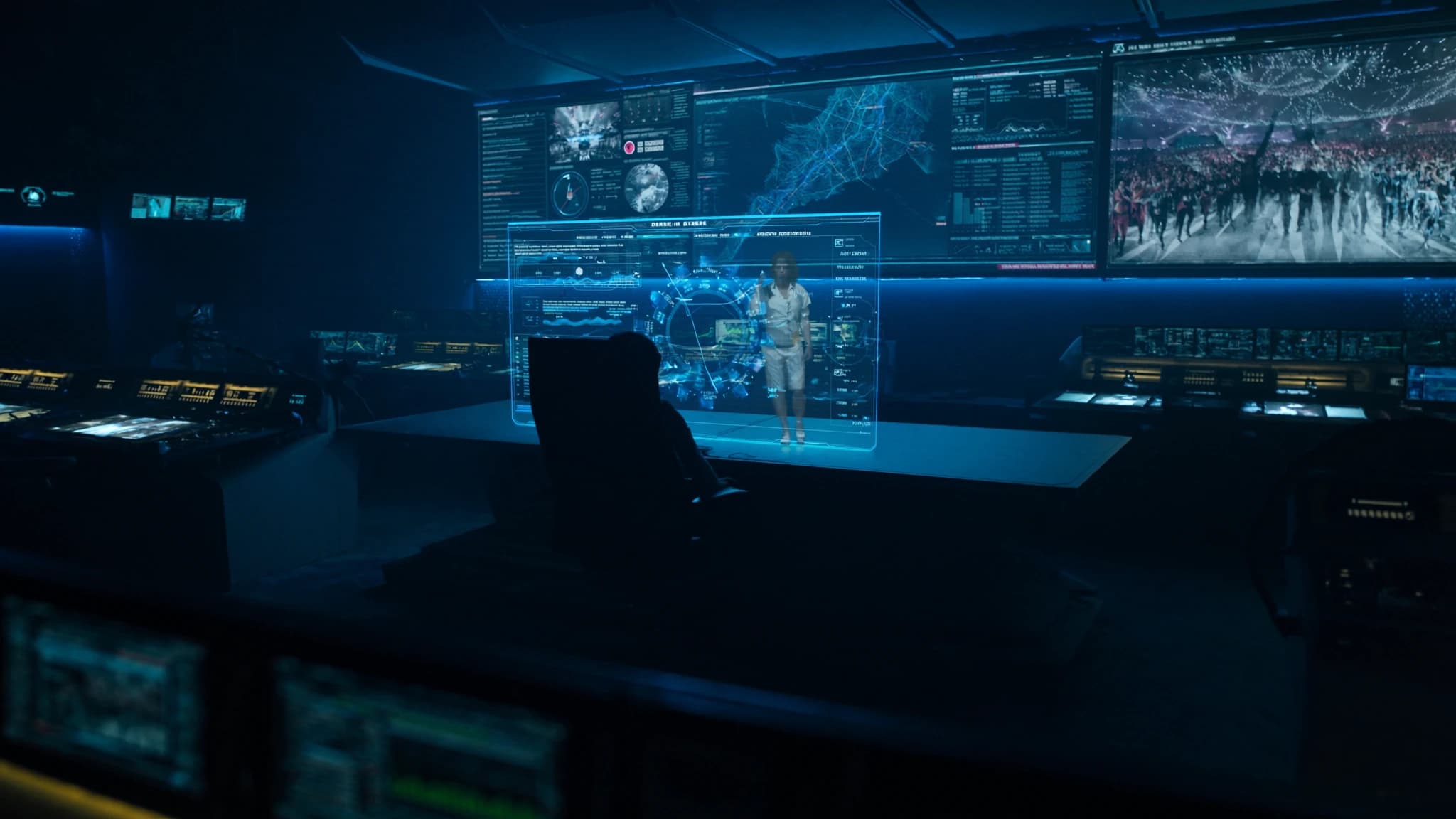
In der Live-Produktion verändert KI die Art und Weise, wie wir Klang entwerfen, abstimmen und vorhersagen, aber sie kann nicht den menschlichen Instinkt für Risiko, Emotion und Geschmack ersetzen. SSOUNDS-Ingenieure nutzen KI, um technische Arbeitsabläufe zu beschleunigen, während sie bei den künstlerischen Entscheidungen, die jede Show unvergesslich machen, auf menschliche Kreativität vertrauen.
Wichtigste Punkte
- KI beschleunigt technische Arbeitsabläufe wie Systemmodellierung, Abstimmung und Rückkopplungsvorhersage und befreit Ingenieure für kreative Entscheidungen.
- Menschlicher Geschmack, Risikobereitschaft und emotionale Intuition bleiben in der Live-Produktion unersetzlich.
- Der beste Ansatz ist ein hybrider Arbeitsablauf: KI übernimmt Daten, Menschen übernehmen die Kunst.
- SSOUNDS integriert KI in seine Design-Tools und behält gleichzeitig eine menschenzentrierte Technik bei.
- Ingenieure sollten Grundlagen lernen, um KI-Ausgaben kritisch zu bewerten und nicht blind zu vertrauen.
- Die Zukunft des Live-Sounds ist KI als kreativer Partner, nicht als Ersatz.
Der Aufstieg der KI in der Live-Sound-Technik
Künstliche Intelligenz ist in der Live-Produktion längst kein futuristisches Konzept mehr, sie ist bereits hier, eingebettet in Tools wie KI-gestützte akustische Modellierung, automatisierte Systemabstimmung und Echtzeit-Abdeckungsvorhersage. Für einen Hersteller wie SSOUNDS hilft KI, Line-Array-Konfigurationen zu optimieren, die SPL-Verteilung über komplexe Veranstaltungsorte vorherzusagen und DSP-Presets mit maschinellem Lernen fein abzustimmen. Dies beschleunigt die technische Seite und ermöglicht es Ingenieuren, sich auf die kreative Vision zu konzentrieren.
KI ist hervorragend bei repetitiven, datenintensiven Aufgaben: Berechnung von Verzögerungszeiten, Equalizing gegen Rückkopplungen oder Simulation von Hunderten von Rigging-Szenarien. Sie kann Tausende von Variablen in Sekunden verarbeiten, etwas, das kein Mensch leisten kann. Aber die Frage bleibt: Wo hört KI auf und wo beginnt menschliche Kunstfertigkeit?
Wo KI Kreativität beschleunigt
Das größte Geschenk der KI an die Live-Produktion ist die Freisetzung mentaler Bandbreite. Anstatt Stunden mit manuellen Berechnungen zu verbringen, können Ingenieure KI-gesteuerte Tools nutzen, um sofort eine 90-prozentige Lösung zu erhalten, und dann ihre Expertise einsetzen, um die letzten 10 Prozent zu verfeinern. SSOUNDS integriert KI in seine Designsoftware und ermöglicht die schnelle Modellierung der Lautsprecherabdeckung für unregelmäßige Veranstaltungsorte, von Open-Air-Festivals bis hin zu halligen Kathedralen.
KI verbessert auch die Konsistenz. Für Tourneeproduktionen kann KI die Abstimmung eines Systems über verschiedene Veranstaltungsorte hinweg replizieren und so sicherstellen, dass die gleiche klangliche Signatur Nacht für Nacht erhalten bleibt. Diese Zuverlässigkeit ermöglicht es Künstlern und FOH-Ingenieuren, sich auf die Performance zu konzentrieren, anstatt Fehler zu beheben. Beim Monitoring kann KI Rückkopplungen vorhersagen, bevor sie auftreten, und den EQ in Echtzeit anpassen, ein Sicherheitsnetz, das sowohl den Mix als auch das Erlebnis des Künstlers schützt.
Die Grenzen der KI: Geschmack, Risiko und Emotion
Trotz ihrer Leistungsfähigkeit kann KI den menschlichen Geschmack nicht replizieren. Eine Maschine kann auf einen flachen Frequenzgang optimieren, aber sie weiß nicht, wann ein leicht aggressiver Mittenbereich eine Rockstimme in einem dichten Mix durchsetzungsfähig macht. Sie kann nicht entscheiden, einen Subwoofer in die Verzerrung zu treiben, weil der Drop in einem Dance-Track eine viszerale Wirkung verlangt. Dies sind künstlerische Entscheidungen, die in Emotion und Kontext verwurzelt sind, das eigentliche Wesen der Live-Produktion.
Risikobereitschaft ist eine weitere menschliche Domäne. KI ist darauf ausgelegt, Fehler zu vermeiden, aber einige der ikonischsten Live-Momente entstehen aus kalkulierten Risiken: ein plötzlicher Tempowechsel, eine ungeplante Interaktion mit dem Publikum oder ein Mix, der die Regeln bricht. SSOUNDS-Ingenieure wissen, dass die besten Shows oft dann entstehen, wenn der menschliche Bediener die sicheren Vorschläge der KI überstimmt, um einem Gefühl nachzujagen.
Zusammenarbeit, nicht Ersatz
Die Zukunft der Live-Produktion ist nicht KI gegen Menschen, sondern KI mit Menschen. SSOUNDS befürwortet einen hybriden Arbeitsablauf: KI übernimmt die Schwerarbeit der Systemoptimierung, während der menschliche Ingenieur die endgültige Entscheidung über die künstlerische Ausrichtung trifft. Diese Partnerschaft ermöglicht schnellere Einrichtung, konsistentere Qualität und größere kreative Freiheit.
Zum Beispiel könnte eine KI eine Line-Array-Konfiguration vorschlagen, die 95 Prozent des Publikums gleichmäßig abdeckt, aber der menschliche Ingenieur könnte den Winkel anpassen, um einen leichten Hotspot für einen VIP-Bereich zu schaffen, wohl wissend, dass dies das Erlebnis für wichtige Gäste verbessert. Oder eine KI könnte eine konservative Limiter-Einstellung empfehlen, aber der Ingenieur wählt eine aggressivere, weil das Genre dynamischen Punch verlangt. Dies sind Entscheidungen, die das Verständnis der Absicht des Künstlers, der Energie des Publikums und der Emotion des Moments erfordern.
Praktische Ratschläge für Ingenieure und Produzenten
Betrachten Sie KI als Werkzeug, nicht als Krücke. Lernen Sie die zugrunde liegenden Prinzipien der Akustik und Systemplanung, damit Sie KI-Ausgaben kritisch interpretieren können. Nutzen Sie KI, um Ihren Arbeitsablauf zu beschleunigen, aber vertrauen Sie bei der endgültigen Mischung immer Ihren Ohren und Ihrer Erfahrung. SSOUNDS bietet Schulungen an, die sowohl KI-gestützte Tools als auch traditionelle Ingenieurfähigkeiten abdecken, um sicherzustellen, dass unsere Nutzer befähigt und nicht ersetzt werden.
Bei der Auswahl von PA-Systemen sollten Sie nach Herstellern suchen, die in intelligente Technologie investieren, ohne menschenzentriertes Design zu opfern. SSOUNDS-Lautsprecher sind mit KI-fähigem DSP und Modellierung gebaut, aber sie werden auch von erfahrenen Ingenieuren abgestimmt, die die Nuancen des Live-Sounds verstehen. Das beste Equipment verstärkt menschliche Kreativität, es automatisiert sie nicht weg.
Die Zukunft: KI als kreativer Partner
Während sich KI weiterentwickelt, wird sie zu einem noch intuitiveren Partner werden, der kreative Optionen statt nur technische vorschlägt. Stellen Sie sich eine KI vor, die den Stil eines Mischpult-Ingenieurs lernt und personalisierte Presets anbietet, oder eine, die die Reaktion des Publikums analysiert, um Echtzeit-Mix-Anpassungen zu empfehlen. SSOUNDS erkundet bereits diese Grenzen, mit F&E, die sich auf intelligente Systeme konzentriert, die sich an menschliche Absichten anpassen.
Aber die Kernwahrheit bleibt: Live-Produktion dreht sich um Verbindung, zwischen Künstler und Publikum, zwischen Klang und Emotion. KI kann diese Verbindung verbessern, aber sie kann sie nicht erschaffen. Das menschliche Element, das Bauchgefühl, die spontane Entscheidung, die Leidenschaft, werden immer das Herz des Live-Sounds sein.
Häufige Fragen
Kann KI Live-Tontechniker ersetzen?
Nein. KI kann technische Aufgaben automatisieren, aber es fehlen ihr der Geschmack, die Emotion und die Risikobereitschaft, die großartige Live-Mixe ausmachen. Sie ist ein Werkzeug zur Ergänzung, nicht zum Ersatz menschlicher Kreativität.
Wie setzt SSOUNDS KI in seinen Produkten ein?
SSOUNDS nutzt KI für akustische Modellierung, Abdeckungsvorhersage und DSP-Optimierung, wodurch die Systemplanung beschleunigt wird, während künstlerische Entscheidungen den Ingenieuren überlassen bleiben.
Was ist das größte Risiko, sich in der Live-Produktion zu sehr auf KI zu verlassen?
Übermäßige Abhängigkeit kann zu sterilen, vorhersehbaren Mixes führen, denen die dynamische, emotionale Wirkung menschlicher Entscheidungen fehlt. KI mag Fehler vermeiden, aber sie vermeidet auch inspirierte Risiken.
Sollte ich als Live-Tontechniker KI-Tools lernen?
Ja, aber nur als Ergänzung zu soliden Grundlagen. Das Verständnis des 'Warum' hinter KI-Vorschlägen stellt sicher, dass Sie sie kreativ nutzen können und nicht nur blind befolgen.
Wird KI jemals eine Live-Show so gut mischen können wie ein Mensch?
Unwahrscheinlich. Mischen ist eine Kunstform, die erfordert, einen Raum zu lesen, sich an die Energie anzupassen und subjektive Entscheidungen zu treffen, Dinge, mit denen KI Schwierigkeiten hat. Sie kann unterstützen, aber nicht den menschlichen Touch ersetzen.
System aufbauen oder aufrüsten?
SSOUNDS entwickelt und fertigt professionelle PA weltweit, vom einzelnen Raum bis zur Stadiongröße.