Beschallungssystem-Design für Bars und Lounges
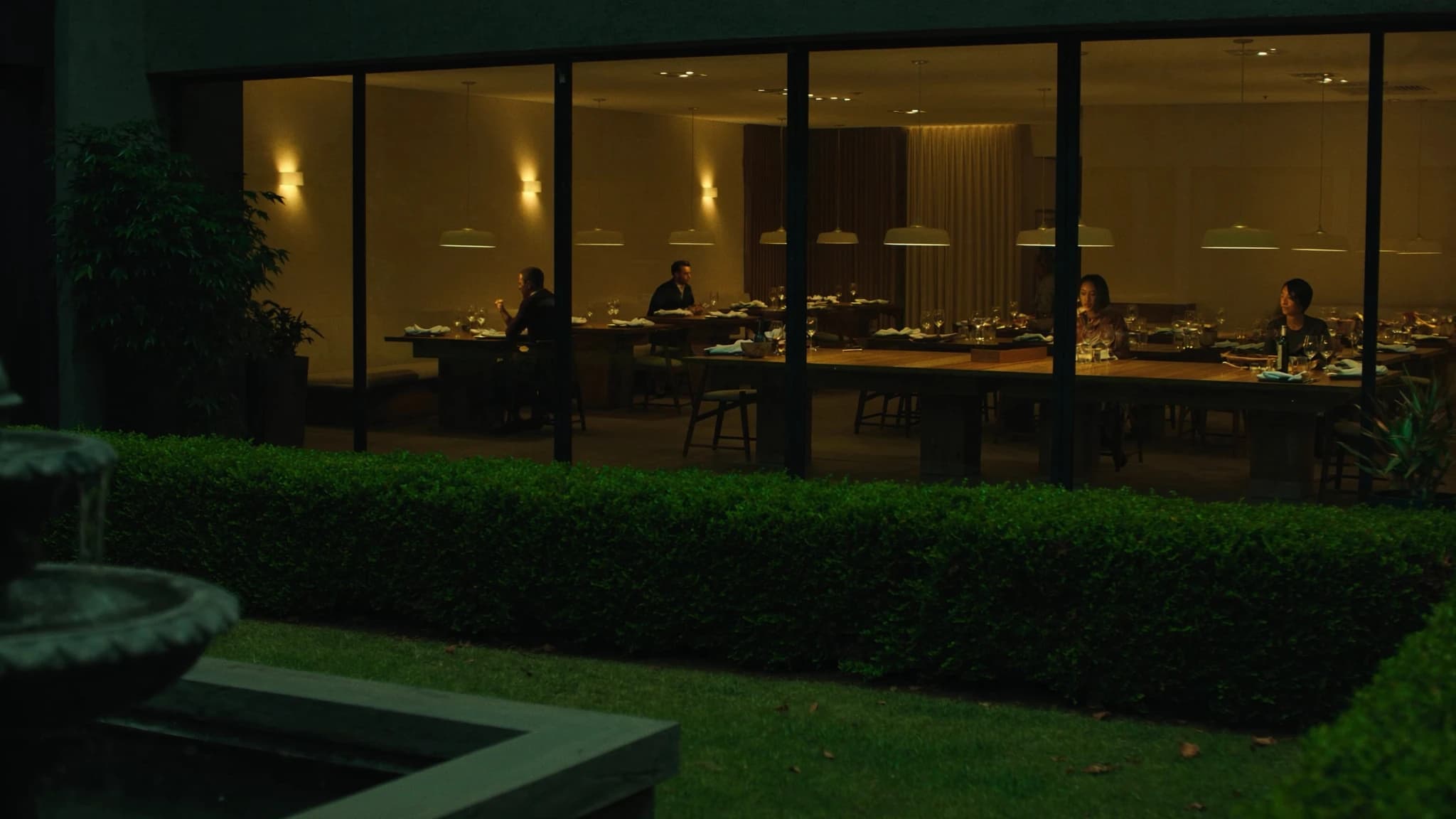
Die Entwicklung eines Beschallungssystems für eine Bar oder Lounge erfordert die Balance zwischen ambienter Atmosphäre und Momenten mit hoher Energie. Anders als bei Konzertveranstaltungsorten erfordern diese Räume Zonierung, diskrete Hardware und klare Sprachverständlichkeit über dem Publikumsgeräusch. Die SSOUNDS-Entwicklung liefert kompakte, leistungsstarke Lösungen, die sich an Vordergrundmusik, DJ-Sets und Hintergrundpegel anpassen, während stets eine makellose Klarheit erhalten bleibt.
Wichtigste Punkte
- Zonieren Sie Ihren Veranstaltungsort: Bar, Sitzbereich, Tanzfläche und VIP-Bereiche benötigen jeweils unabhängige Pegel- und EQ-Steuerung.
- Verwenden Sie kompakte Punktquellen-Lautsprecher und schlanke Subwoofer, um Platz zu sparen, ohne auf Output zu verzichten.
- Integrieren Sie DJ-Equipment mit dedizierten Monitor-Wedges und Prioritätseingangsumschaltung.
- Stimmen Sie den DSP für automatische Geräuschkompensation und Zeitausrichtung ab, um die Klarheit bei steigendem Publikumsgeräusch zu erhalten.
- Priorisieren Sie Ästhetik mit diskreten Montage- und Oberflächenoptionen; halten Sie lokale Lärmgrenzen mit integrierten Limitern ein.
- SSOUNDS bietet vollständige Unterstützung beim Systemdesign, von der Simulation bis zum Tuning, um optimale Leistung zu gewährleisten.
Den Raum verstehen: Zonierung und Akustik
Bars und Lounges sind selten Räume mit nur einem Zweck. Ein typisches Layout umfasst einen Barbereich, Sitzgelegenheiten, eine Tanzfläche und möglicherweise eine VIP-Lounge. Jede Zone hat unterschiedliche Schallanforderungen: Die Bar benötigt klare Sprachverständlichkeit für die Bestellung, Sitzbereiche profitieren von moderater Hintergrundmusik, und die Tanzfläche verlangt eine kraftvolle, druckvolle Wiedergabe. SSOUNDS empfiehlt, den Veranstaltungsort in akustische Zonen aufzuteilen, die jeweils von unabhängig gesteuerten Lautsprecherclustern versorgt werden. So kann der DJ oder Manager die Lautstärke auf der Tanzfläche erhöhen, ohne die Bar oder Lounge zu überfordern. Akustische Behandlung, wie absorbierende Paneele auf reflektierenden Oberflächen, reduziert zusätzlich Flatterechos und Kammfiltereffekte und gewährleistet eine gleichmäßige Beschallung auch in unregelmäßig geformten Räumen.
Vordergrund- vs. Hintergrundpegel: Die Kunst der Balance
Ein großartiges Bar-Beschallungssystem wechselt nahtlos zwischen Hintergrund- und Vordergrundmodus. Am frühen Abend sollte die Musik bei 75–85 dB SPL liegen, laut genug, um eine Stimmung zu erzeugen, aber leise genug für Gespräche. Im Laufe der Nacht können die Pegel auf der Tanzfläche auf 90–100 dB SPL ansteigen. SSOUNDS-Punktquellen-Lautsprecher zeichnen sich durch ihre breite Abstrahlung und hohe Empfindlichkeit aus und liefern sowohl bei niedrigen als auch bei hohen Lautstärken einen gleichmäßigen Klang. Mit einem DSP-gesteuerten Verstärker kann das System Presets für verschiedene Tageszeiten speichern und Pegel- sowie EQ-Änderungen automatisieren. Dies verhindert den häufigen Fehler eines Systems, das bei niedriger Lautstärke dünn oder bei hoher Lautstärke hart klingt.
DJ-Integration: Nahtlose Konnektivität und Monitoring
Viele Bars und Lounges beherbergen am Wochenende DJs. Die Integration einer DJ-Kanzel erfordert sorgfältige Planung: Der DJ benötigt einen dedizierten Monitor-Wedge oder Sidefill, der klares Audio liefert, ohne in den Hauptbeschallungsbereich einzudringen. Kompakte SSOUNDS-Bühnenmonitore liefern hohen SPL bei kleiner Stellfläche, mit einem fokussierten Abstrahlmuster, das den DJ zufriedenstellt und das Publikum nicht stört. Das Hauptsystem sollte sowohl symmetrische XLR- als auch unsymmetrische RCA-Eingänge akzeptieren, mit einem Prioritätsmischer, der die Hintergrundmusik stummschaltet, wenn der DJ beginnt. SSOUNDS-Verstärker enthalten integriertes Signalrouting und Gain-Staging, was die Integration unkompliziert macht. Für drahtlose DJ-Setups ist sicherzustellen, dass Bluetooth- oder Wi-Fi-Audioübertragung mit niedriger Latenz unterstützt wird.
Auswahl kompakter Lautsprecher und Subwoofer
In Bars und Lounges ist Platz knapp. Große Line-Arrays sind übertrieben; wählen Sie stattdessen kompakte Punktquellen-Lautsprecher und schlanke Subwoofer. SSOUNDS bietet eine Reihe von passiven Zwei-Wege-Lautsprechern mit 8- bis 12-Zoll-Tieftönern, die vollen Klang aus Gehäusen liefern, die klein genug sind, um an Wand- oder Deckenhalterungen montiert zu werden. Für den Tiefton kann ein einzelner 12- oder 15-Zoll-Subwoofer in der Nähe der Tanzfläche den nötigen Druck für elektronische oder Hip-Hop-Sets liefern, ohne den gesamten Veranstaltungsort zum Wackeln zu bringen. Der Schlüssel liegt darin, die Subwoofer-Platzierung auf die modalen Knoten des Raums abzustimmen, die SSOUNDS-Akustiksimulationssoftware zu nutzen, um die Basswiedergabe vorherzusagen und tote Punkte zu vermeiden. Kardioide Subwoofer-Arrays können ebenfalls eingesetzt werden, um rückwärtigen Bassüberschall in Sitzbereiche zu reduzieren.
Verständlichkeit über Publikumsgeräusch: DSP und Tuning
Mit wachsendem Publikum steigt das Umgebungsgeräusch. Um Sprachverständlichkeit und musikalische Klarheit zu erhalten, muss das System präzise abgestimmt werden. SSOUNDS-DSP-Presets enthalten dynamischen EQ, der die Mittenfrequenzen (1–4 kHz) anhebt, wenn das Umgebungsgeräusch zunimmt, eine Technik, die als automatische Geräuschkompensation bekannt ist. Darüber hinaus reduziert die Verwendung eines Hochpassfilters bei Hintergrundmusik (um 80 Hz) die tieffrequente Matschigkeit, die Gesangsstimmen maskiert. Die Zeitausrichtung zwischen Hauptlautsprechern und Subwoofern gewährleistet eine kohärente Transientenwiedergabe. Für Veranstaltungsorte mit mehreren Zonen kann eine Delay-Matrix die Schallankunftszeiten im Raum ausrichten, um Echos zu verhindern und sicherzustellen, dass der Beat des DJs überall tight bleibt.
Bewährte Installationspraktiken: Ästhetik und Sicherheit
In einer Bar oder Lounge sollte das Beschallungssystem gehört, nicht gesehen werden. SSOUNDS-Lautsprecher sind in schwarzer oder weißer Ausführung erhältlich, um sich in die Einrichtung einzufügen, und können bündig montiert oder mit diskreten Halterungen geflogen werden. Alle Kabel sollten durch Wände oder Kabelkanäle verlegt werden, um Stolperfallen zu vermeiden. Für Außenterrassen sind wetterfeste Modelle erhältlich. Es ist auch wichtig, die örtlichen Lärmschutzverordnungen einzuhalten und einen Schallbegrenzer zu installieren, der die Stromzufuhr unterbricht, wenn die Pegel einen festgelegten Schwellenwert überschreiten. SSOUNDS-Verstärker verfügen über integrierte Limiter, die pro Zone konfiguriert werden können, sodass das System niemals gegen Lärmschutzvorschriften verstößt und dennoch eine zufriedenstellende Leistung liefert.
Häufige Fragen
Welche Lautsprechergröße benötige ich für eine kleine Bar (unter 100 qm)?
Für eine kleine Bar sind zwei 8-Zoll- oder 10-Zoll-Punktquellen-Lautsprecher und ein 12-Zoll-Subwoofer in der Regel ausreichend. Kompakte Modelle von SSOUNDS liefern klaren, vollen Klang, ohne den Raum zu überfordern.
Kann ich dieselben Lautsprecher für Hintergrundmusik und DJ-Sets verwenden?
Ja, wenn die Lautsprecher über ausreichende Belastbarkeit und Empfindlichkeit verfügen. SSOUNDS-Lautsprecher sind so konstruiert, dass sie sowohl bei niedrigen als auch bei hohen Pegeln gut funktionieren, mit DSP-Presets, die das System für verschiedene Anwendungsfälle optimieren.
Wie verhindere ich, dass Schall in benachbarte Räume dringt?
Verwenden Sie Zonierung mit separaten Lautstärkereglern, platzieren Sie Subwoofer nur auf der Tanzfläche und ziehen Sie kardioide Sub-Arrays in Betracht, um rückwärtigen Bass zu reduzieren. Akustische Behandlung an Wänden und Decken hilft ebenfalls, den Schall einzudämmen.
Benötige ich ein separates Mischpult für den DJ?
Nicht unbedingt. Viele SSOUNDS-Verstärker verfügen über integriertes Eingangsmixing und Prioritätsrouting, sodass Sie einen DJ-Controller direkt anschließen können. Ein dediziertes Mischpult bietet mehr Kontrolle, erhöht aber die Komplexität.
Was ist das typische Budget für ein Bar-Beschallungssystem?
Die Budgets variieren stark, aber ein Qualitätssystem von SSOUNDS für eine mittelgroße Bar (bis zu 200 qm) liegt typischerweise zwischen 5.000 und 15.000 £, einschließlich Lautsprecher, Subwoofer, Verstärker und DSP. Kontaktieren Sie SSOUNDS für ein individuelles Angebot.
System aufbauen oder aufrüsten?
SSOUNDS entwickelt und fertigt professionelle PA weltweit, vom einzelnen Raum bis zur Stadiongröße.