Wie man ein PA-System für jede Location dimensioniert
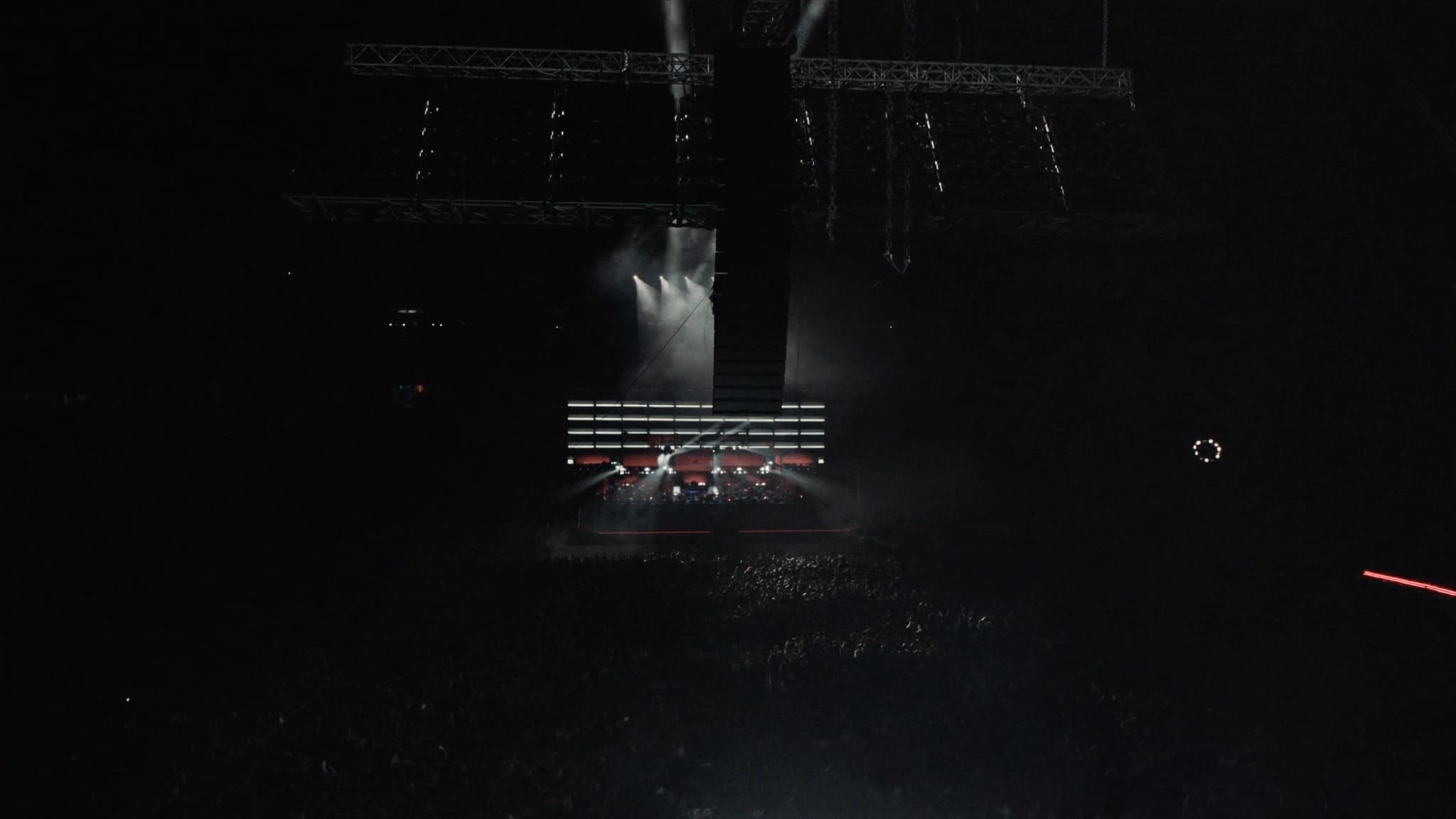
Ein PA-System richtig zu dimensionieren ist der Unterschied zwischen einer Show, die das Publikum bewegt, und einer, die es ermüdet. Bei SSOUNDS entwickeln wir professionelle Lautsprecher für Locations in Afrika, Europa und dem Nahen Osten, und wir wissen, dass die richtige Dimensionierung eine Mischung aus Wissenschaft, Erfahrung und realistischen Erwartungen ist. Dieser Leitfaden führt Sie durch eine praktische Schritt-für-Schritt-Methode, um die richtige PA-Größe für jede Location zu bestimmen, sei es ein Club mit 200 Personen, ein Theater mit 2.000 Sitzplätzen oder ein Open-Air-Festival mit 20.000 Menschen. Wir behandeln Publikumskapazität, Raumakustik, SPL-Ziele und die Berechnung von Box- und Subwoofer-Anzahlen mit ausreichendem Headroom.
Wichtigste Punkte
- Beginnen Sie mit der Publikumskapazität und dem Locationstyp (innen/außen), um die Abdeckungsfläche und den SPL-Bedarf zu schätzen.
- Legen Sie SPL-Ziele basierend auf der Veranstaltungsart fest (Sprache, Live-Musik, EDM) und fügen Sie immer 10–20 dB Headroom hinzu.
- Verwenden Sie Line Arrays für große oder tiefe Locations; Punktquellen für kleinere, breitere Räume.
- Berechnen Sie die Boxenanzahl anhand von Wurfweite und Abdeckungswinkeln; die Sub-Anzahl anhand von Membranfläche und Bassbedarf.
- Berücksichtigen Sie Headroom, indem Sie die Verstärkerleistung um den Faktor 2–4 überdimensionieren und das System mit 70–80 % Kapazität betreiben.
- Modellieren Sie immer mit Vorhersagesoftware und tunen Sie vor Ort mit Messwerkzeugen für optimale Ergebnisse.
1. Verstehen Sie die Location und die Publikumskapazität
Die erste Variable ist die Anzahl der Personen, die Sie beschallen müssen. Eine allgemeine Regel: Bei jeder Verdopplung der Entfernung zum Publikum sinkt der SPL um 6 dB (Abstandsgesetz). Ein PA, das für 100 Personen in der Nähe funktioniert, wird für 500 Personen, die verteilt sind, versagen. Beginnen Sie mit der Schätzung der Publikumsfläche: Bei Stehveranstaltungen rechnen Sie mit 0,5–1 m² pro Person; bei Sitzplätzen mit 1–1,5 m². Multiplizieren Sie mit der erwarteten Personenzahl, um die Abdeckungszone zu erhalten.
Innen oder außen ist wichtig. Im Innenbereich liefern Wände und Decke Reflexionen, die 3–6 dB wahrgenommene Lautstärke hinzufügen können, aber auch Nachhall erzeugen, der die Sprachverständlichkeit verringert. Im Freien gibt es keine Reflexionen, daher benötigen Sie mehr direkten SPL. Für Außenlocations addieren Sie 6–10 dB zu Ihrem Ziel-SPL im Vergleich zu einem Innenraum ähnlicher Größe.
Berücksichtigen Sie auch die Raumform. Lange, schmale Räume erfordern Line Arrays oder mehrere Delay-Lautsprecher, um eine gleichmäßige Abdeckung zu gewährleisten. Breite, flache Räume können mit einem einzelnen Punktquellen-Cluster bedient werden. Bei SSOUNDS modellieren wir jede Location mit EASE oder ähnlicher Software, um die Abdeckung vorherzusagen, bevor wir auch nur eine Box aufstellen.
2. Legen Sie Ihre SPL-Ziele fest
SPL (Schalldruckpegel) wird in dB SPL gemessen. Das Ziel hängt von der Art der Veranstaltung ab. Für Sprache streben Sie 75–85 dB SPL im hinteren Bereich des Raums mit 10 dB Headroom an (System also in der Lage, 95 dB kontinuierlich zu liefern). Für Live-Musik streben Sie 95–105 dB SPL im Durchschnitt mit 15–20 dB Headroom an (Systemspitzen bei 120–125 dB). Für EDM- oder Rockkonzerte sind 105–110 dB Durchschnitt mit 20 dB Headroom üblich, was Systemspitzen von 125–130 dB bedeutet.
Headroom ist entscheidend. Ein System, das mit 0 dB Headroom betrieben wird, verzerrt und komprimiert und klingt hart. Professionelle Systeme wie SSOUNDS Line Arrays sind für den Betrieb mit 6–20 dB Headroom für einen sauberen, dynamischen Klang ausgelegt. Dimensionieren Sie immer für mindestens 10 dB Headroom über Ihrem durchschnittlichen Ziel.
Um den erforderlichen SPL an der Quelle zu berechnen: Messen Sie die Entfernung vom PA zum am weitesten entfernten Zuhörer. Addieren Sie 6 dB für jede Verdopplung der Entfernung über 1 Meter hinaus. Wenn Sie beispielsweise 100 dB bei 32 Metern benötigen, sind das 100 + (5 Verdopplungen × 6 dB) = 130 dB bei 1 Meter. Ihr PA muss diesen Spitzen-SPL liefern.
3. Wählen Sie die richtige Lautsprecherkonfiguration
Für kleine Locations (bis zu 300 Personen) reicht oft ein Paar hochwertiger Punktquellen-Lautsprecher auf Stativen mit einem oder zwei Subwoofern aus. Für mittlere Locations (300–1.500) ziehen Sie ein kleines Line Array mit 4–8 Boxen pro Seite oder ein leistungsstarkes Punktquellen-Cluster in Betracht. Für große Locations (1.500–5.000+) benötigen Sie ein geflogenes Line Array mit 8–16 Boxen pro Seite plus geflogene oder am Boden gestapelte Subs.
Line Arrays werden für große Räume bevorzugt, weil sie eine kontrollierte vertikale Abstrahlung bieten und so Energie reduzieren, die an Decke und Boden verschwendet wird. SSOUNDS Line Arrays verwenden proprietäre Waveguides, um kohärente Wellenfronten und eine gleichmäßige Abdeckung von vorne bis hinten zu gewährleisten. Für eine typische Innenlocation mit 1.000 Personen ist ein System aus 6 SSOUNDS Line-Array-Elementen pro Seite und 4 Subwoofern ein üblicher Ausgangspunkt.
Die Anzahl der Subwoofer hängt vom Bassbedarf ab. Eine Faustregel: Für alle 2–3 Fullrange-Boxen fügen Sie einen Subwoofer für moderaten Bass hinzu. Für Hip-Hop oder EDM kann das Verhältnis 1:1 sein. Subwoofer werden oft in Cardioid-Arrays platziert, um rückwärtige Energie zu reduzieren und die Klarheit auf der Bühne zu verbessern.
4. Berechnen Sie die Anzahl von Boxen und Subwoofern
Beginnen Sie mit dem erforderlichen SPL bei 1 Meter aus Schritt 2. Vergleichen Sie diesen mit dem maximalen Spitzen-SPL eines einzelnen Lautsprechers. Wenn beispielsweise ein SSOUNDS Line-Array-Element 140 dB Peak liefert und Sie 130 dB bei 1 Meter benötigen, könnte eine Box pro Seite ausreichen, aber Abdeckung und Headroom erfordern mehr. In der Regel benötigen Sie genügend Boxen, um eine gleichmäßige Abdeckung über die Breite und Tiefe des Publikums zu erreichen.
Eine praktische Formel: Anzahl der Boxen pro Seite = (Entfernung zum am weitesten entfernten Zuhörer in Metern) / (vertikaler Abstrahlwinkel der Box × 0,5). Für eine Box mit 10° vertikaler Abdeckung und 40 m Wurfweite benötigen Sie 40 / (10 × 0,5) = 8 Boxen. Dies gewährleistet überlappende Abdeckung ohne Lücken.
Für Subwoofer berechnen Sie die benötigte Gesamtmembranfläche. Ein einzelner 18-Zoll-Subwoofer kann etwa 135 dB Peak erzeugen. Um 125 dB am Hörplatz mit 10 dB Headroom zu erreichen, benötigen Sie 135 dB an der Quelle (unter der Annahme von 10 m Entfernung). Das ist ein Sub pro Seite. Für größere Räume verdoppeln Sie die Anzahl für jede benötigte 6-dB-Erhöhung. Fügen Sie für Außenveranstaltungen immer 20–30 % mehr Subs hinzu.
5. Berücksichtigen Sie Headroom und Systemgrenzen
Headroom ist kein Luxus, sondern eine Notwendigkeit. Ein System, das an seiner Grenze betrieben wird, clippt, beschädigt Treiber und klingt schrecklich. SSOUNDS Verstärker und DSP enthalten Limiter, die das System schützen, aber Sie sollten dennoch so dimensionieren, dass das System während der lautesten Momente mit 70–80 % seiner maximalen Kapazität läuft.
Um Headroom zu gewährleisten, multiplizieren Sie Ihren erforderlichen SPL mit einem Faktor von 2–4 in Bezug auf die Verstärkerleistung. Wenn Sie beispielsweise 1.000 Watt pro Box benötigen, wählen Sie einen Verstärker, der 2.000–4.000 Watt liefert. Dies berücksichtigt auch die Leistungskompression, wenn sich die Treiber erwärmen.
Vergessen Sie nicht Kabelverluste und Spannungsabfall bei langen Kabelwegen. Verwenden Sie Kabel mit größerem Querschnitt und ziehen Sie verteilte Verstärkung für große Locations in Betracht. SSOUNDS empfiehlt die Verwendung unserer proprietären Verstärker mit integriertem DSP, um die Leistung zu optimieren und das System zu schützen.
6. Nutzen Sie Vorhersagesoftware und Tuning vor Ort
Keine Berechnung ersetzt die Modellierung in der realen Welt. SSOUNDS Ingenieure verwenden EASE Focus und proprietäre Tools, um Abdeckung, SPL-Verteilung und Frequenzgang zu simulieren, bevor eine einzige Box aufgehängt wird. Dies spart Zeit und stellt sicher, dass das System die Anforderungen erfüllt.
Verwenden Sie nach der Installation ein Messmikrofon und Software wie SMAART oder SysTune, um Abdeckung und EQ zu überprüfen. Passen Sie Delay-Zeiten, Pegel und EQ an, um die Raumakustik auszugleichen. Auch das bestdimensionierte System muss getunt werden, um optimal zu klingen.
Denken Sie daran: Ein zu kleines PA verzerrt und fällt aus; ein zu großes ist schwer, teuer und klingt möglicherweise hart, wenn es nicht richtig getunt ist. Das Ziel ist die Goldlöckchen-Zone: ausreichender SPL mit sauberem Headroom.
7. Praktische Beispiele für gängige Locations
Kleiner Club (200 Personen, 15 m tief): Zwei SSOUNDS Punktquellen-Tops (135 dB Peak each) auf Stativen, zwei 18-Zoll-Subs. Gesamt-SPL hinten: ~105 dB mit 10 dB Headroom.
Mittleres Theater (800 Sitzplätze, 25 m tief): Sechs SSOUNDS Line-Array-Elemente pro Seite, vier Subs am Boden gestapelt. System-Peak ~140 dB an der Quelle, liefert 115 dB hinten mit 15 dB Headroom.
Großes Open-Air-Festival (10.000 Personen, 80 m tief): Sechzehn SSOUNDS Line-Array-Elemente pro Seite, 12–16 Subs in Cardioid-Arrays. System-Peak 145 dB an der Quelle, 115 dB bei 80 m mit 20 dB Headroom. Delay-Türme können für die hintere Hälfte erforderlich sein.
Diese Beispiele sind Ausgangspunkte. Konsultieren Sie immer einen professionellen Systemdesigner oder kontaktieren Sie SSOUNDS für einen detaillierten Vorschlag, der auf Ihre Location zugeschnitten ist.
Häufige Fragen
Woran erkenne ich, ob mein PA zu klein ist?
Anzeichen sind hörbare Verzerrungen bei moderaten Pegeln, das häufige Ansprechen der Limiter, ungleichmäßige Abdeckung (leise Stellen) und ein Klang, der hart oder komprimiert wird. Wenn Sie das System für den normalen Betrieb ständig an seine Grenzen bringen, ist es zu klein.
Kann ich dasselbe PA drinnen und draußen verwenden?
Ja, aber im Freien benötigen Sie aufgrund fehlender Reflexionen mehr SPL. Ein System, das für einen Club mit 500 Personen im Innenbereich ausgelegt ist, deckt im Freien möglicherweise nur 200–300 Personen ab. Fügen Sie für den Außenbereich immer 6–10 dB Headroom hinzu und berücksichtigen Sie Wind und Umgebungsgeräusche.
Was ist der Unterschied zwischen einem Line Array und einer Punktquelle bei der Dimensionierung?
Line Arrays koppeln akustisch, um den SPL zu erhöhen und die vertikale Abstrahlung zu kontrollieren, was sie für große Wurfweiten effizienter macht. Punktquellen sind einfacher, verlieren aber mit der Entfernung schneller an SPL. Für Locations mit mehr als 20 m Tiefe sind Line Arrays in der Regel vorzuziehen.
Wie viele Subwoofer brauche ich für ein Rockkonzert?
Für Rock streben Sie ein Verhältnis von 2:1 zwischen Fullrange-Boxen und Subwoofern an. Für ein Line Array mit 12 Boxen pro Seite verwenden Sie 6–8 Subs. Für EDM oder Hip-Hop gehen Sie auf 1:1. Die Platzierung der Subwoofer (Cardioid, End-Fire) beeinflusst ebenfalls den wahrgenommenen Output.
Brauche ich Delay-Lautsprecher für eine lange Location?
Wenn die Location tiefer als 30–40 m ist, werden Delay-Lautsprecher empfohlen, um Sprachverständlichkeit und SPL im hinteren Bereich aufrechtzuerhalten. Sie sollten auf das Haupt-PA zeitlich abgestimmt sein. SSOUNDS kann bei der Planung von Delay-Systemen für große Locations helfen.
System aufbauen oder aufrüsten?
SSOUNDS entwickelt und fertigt professionelle PA weltweit, vom einzelnen Raum bis zur Stadiongröße.