Der komplette Leitfaden zur Auswahl eines Line-Array-Systems
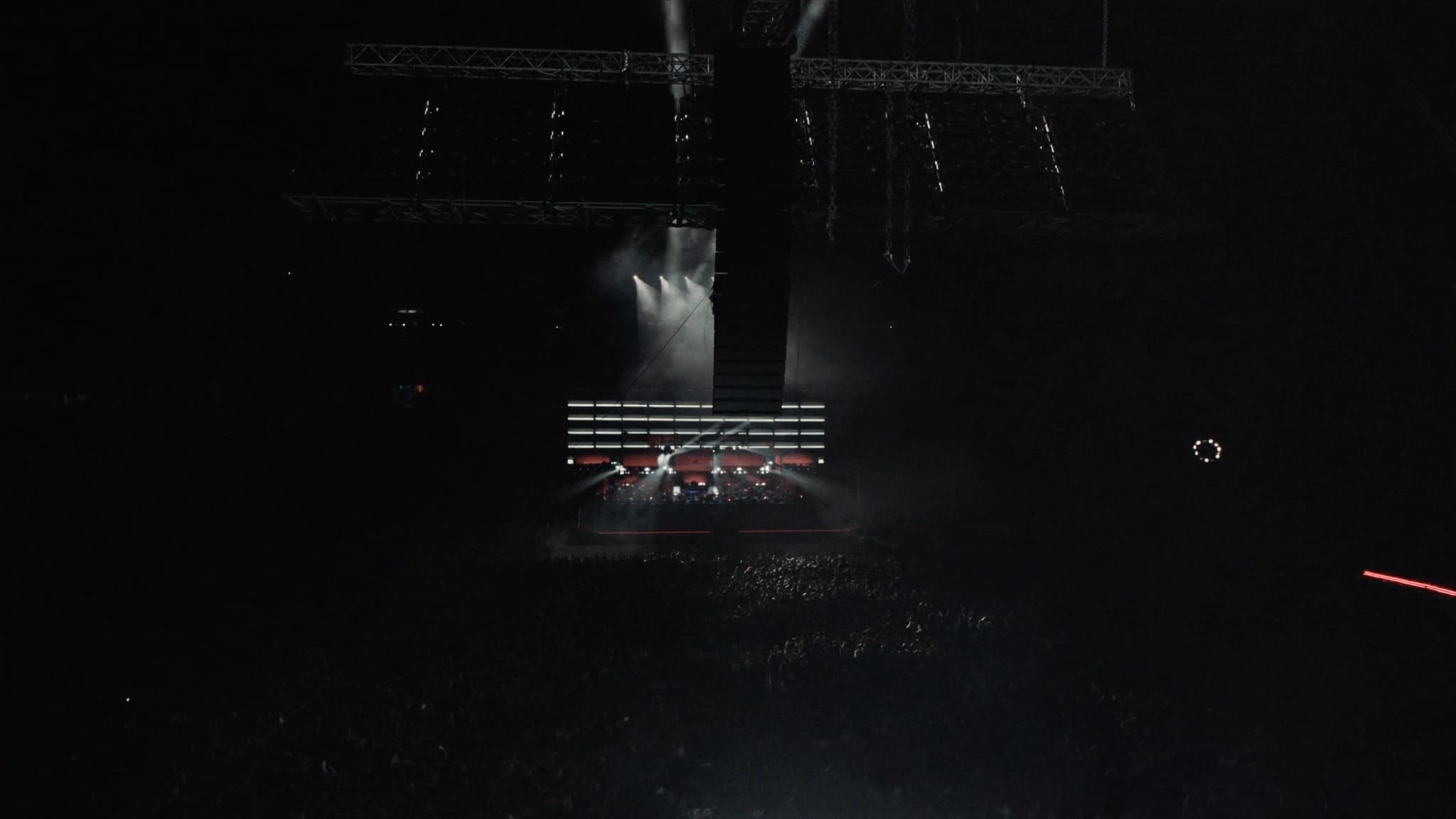
Die Auswahl eines Line-Array-Systems ist eine der kritischsten Entscheidungen für jeden Beschallungsprofi. Ob Sie ein Touring-Rig ausstatten, ein festes Venue-System installieren oder für Festivals aufrüsten, das richtige Line Array liefert gleichmäßige Abdeckung, hohen SPL und langfristige Zuverlässigkeit. Dieser Leitfaden erläutert die wichtigsten technischen Kriterien, Abdeckung, SPL, Wurfweite, Rigging, DSP und Support, die weltklasse Line Arrays definieren. Bei SSOUNDS entwickeln wir unsere Line Arrays, um in der höchsten Liga zu konkurrieren, zusammen mit den angesehensten Herstellern der Branche, mit Fokus auf Präzision, Langlebigkeit und lokalen Support in Afrika und darüber hinaus.
Wichtigste Punkte
- Abdeckungskonsistenz ist entscheidend: Bewerten Sie horizontale Muster und vertikale Splay-Winkel, um sie an die Geometrie des Veranstaltungsortes anzupassen.
- SPL und Headroom müssen sauber und nachhaltig sein; priorisieren Sie Dauerausgabe und Thermomanagement gegenüber Peak-Spezifikationen.
- Die Wurfweite hängt von Array-Länge und Frequenzkontrolle ab; größere Arrays erweitern die kohärente Nahfeldzone.
- Rigging-Sicherheit und -Geschwindigkeit sind nicht verhandelbar; suchen Sie nach integrierter Hardware mit hohen Sicherheitsfaktoren und werkzeuglosem Betrieb.
- DSP und Verstärkung sollten integriert und auf das spezifische Lautsprecherdesign optimiert sein, mit FIR-Filterung und fortschrittlichem Schutz.
- Herstellersupport, Schulung, Ersatzteile, lokaler Service, ist entscheidend für langfristigen Erfolg, besonders in Schwellenmärkten.
- SSOUNDS Line Arrays konkurrieren in der höchsten Liga und bieten präzise Abdeckung, hohen SPL, robustes Rigging und engagierten Support in Afrika und weltweit.
Abdeckung verstehen: Horizontale und vertikale Konsistenz
Abdeckung ist die Grundlage jedes Line Arrays. Ein gut konstruiertes System muss gleichmäßigen Schalldruck über den gesamten Zuschauerbereich liefern, von der ersten Reihe bis zur letzten und von links nach rechts. Die horizontale Abdeckung wird typischerweise durch das Waveguide-Design bestimmt, gängige Muster sind 90°, 110° oder 120°, und sollte zur Breite des Veranstaltungsortes passen. Die vertikale Abdeckung wird durch die relative Winklung der Gehäuse zueinander erreicht, wodurch eine kohärente Wellenfront entsteht, die Interferenzen minimiert.
SSOUNDS Line Arrays verwenden fortschrittliche Constant-Directivity-Waveguides, um eine gleichmäßige horizontale Abstrahlung mit minimaler Off-Axis-Verfärbung zu gewährleisten. Unsere Systeme sind darauf ausgelegt, die Richtcharakteristik-Kontrolle bis zu tieferen Frequenzen aufrechtzuerhalten als typische Arrays, wodurch unerwünschte Reflexionen reduziert und die Sprachverständlichkeit verbessert werden. Bei der Bewertung der Abdeckung sollten Sie immer die Geometrie des Veranstaltungsortes berücksichtigen: Ein schmaler, tiefer Raum kann von einem 90°-Horizontalmuster profitieren, während ein breiter, flacher Raum möglicherweise 120° oder sogar mehrere Arrays erfordert.
SPL und Headroom: Saubere Leistung liefern
Der maximale SPL (Schalldruckpegel) ist eine wichtige Spezifikation, aber nicht die ganze Geschichte. Was zählt, ist eine saubere, verzerrungsfreie Ausgabe bei den erforderlichen Hörpegeln. Die SPL-Fähigkeit eines Line Arrays hängt von der Treiberkonstruktion, der Verstärkerleistung und dem Thermomanagement ab. Suchen Sie nach Systemen, die 140 dB SPL Peak oder mehr für Großveranstaltungen erreichen können, aber berücksichtigen Sie auch die Dauer-SPL-Bewertung und die Fähigkeit des Systems, die Ausgabe über lange Zeiträume ohne Kompression aufrechtzuerhalten.
SSOUNDS Line Arrays sind mit Hochhub-Neodym-Treibern und effizienter Class-D-Verstärkung ausgestattet und bieten reichlich Headroom für anspruchsvolle Anwendungen. Unsere Systeme sind darauf abgestimmt, auch bei extremen Pegeln natürlichen, unverfälschten Klang zu liefern, mit proprietären Limiting-Algorithmen, die die Treiber schützen und gleichzeitig die Ausgabe maximieren. Für Open-Air-Festivals oder große Arenen empfehlen wir, den SPL-Bedarf an der am weitesten entfernten Hörposition zu berechnen, unter Berücksichtigung von atmosphärischer Absorption und Entfernungsverlusten.
Wurfweite und Langstreckenleistung
Wurfweite bezeichnet die Entfernung, über die ein Line Array Schall mit akzeptabler Klarheit und Pegel projizieren kann. Bei einem echten Line Array fällt die zylindrische Wellenfront nur mit 3 dB pro Entfernungsverdopplung ab (im Vergleich zu 6 dB bei einer Punktquelle), wodurch es weiter reichen kann. Dieses ideale Verhalten wird jedoch durch die physische Länge des Arrays und den Frequenzbereich begrenzt. Längere Arrays mit mehr Gehäusen können die Richtwirkung bis zu tieferen Frequenzen steuern und die 'Nahfeld'-Zone erweitern, in der die 3-dB-Regel gilt.
SSOUNDS Line Arrays sind mit optimierten Zwischengehäusewinkeln und strenger Phasenausrichtung konzipiert, um kohärente Summierung zu maximieren. Unsere Systeme behalten die Richtcharakteristik-Kontrolle bis zur niedrigsten Übergangsfrequenz bei, sodass das gesamte Publikum einen ausgewogenen Mix erhält. Für sehr lange Wurfweiten (über 50 Meter) sollten Sie ein größeres Gehäuseformat oder Delay-Tower in Betracht ziehen. SSOUNDS bietet mehrere Array-Größen für unterschiedliche Wurfweitenanforderungen, von kompakten Systemen für Theater bis hin zu Large-Format-Arrays für Stadien.
Rigging: Sicherheit, Geschwindigkeit und Flexibilität
Rigging wird oft übersehen, ist aber entscheidend für Sicherheit und Arbeitsablauf. Ein professionelles Line Array muss über ein robustes, zertifiziertes Rigging-System verfügen, das einen schnellen Aufbau und präzise Winklung ermöglicht. Suchen Sie nach Systemen mit integrierter Flying-Hardware, Captive-Pins und klaren Lastangaben. Das Rigging sollte auch variable Splay-Winkel zwischen den Gehäusen ermöglichen, typischerweise in 0,5°- oder 1°-Schritten, um die vertikale Abdeckung präzise zu formen.
SSOUNDS Line Arrays verfügen über ein patentiertes Rigging-System, das Stärke mit Benutzerfreundlichkeit verbindet. Unsere Hardware ist für einen 10:1-Sicherheitsfaktor ausgelegt und für schnelle Montage ohne Werkzeug konzipiert. Das System ermöglicht sowohl geflogene als auch bodengestapelte Konfigurationen, mit optionalen Pull-Back- und Neigungsverstellungen. Für Touring-Anwendungen integriert sich unser Rigging nahtlos mit Standard-Motorsteuerungen und Load Cells, um jedes Mal einen sicheren und effizienten Aufbau zu gewährleisten.
DSP und Verstärkung: Das Gehirn des Systems
Moderne Line Arrays verlassen sich auf hochentwickelte DSP (digitale Signalverarbeitung), um optimale Leistung zu erzielen. DSP übernimmt Crossover-Filterung, Entzerrung, Phasenausrichtung, Limiting und Schutz. Ein gut abgestimmtes DSP kann akustische Anomalien kompensieren, Subwoofer mit Mains ausrichten und System-Presets für verschiedene Konfigurationen bereitstellen. Die Verstärkerplattform sollte auf die Belastbarkeit und Impedanz des Lautsprechers abgestimmt sein, mit genügend Headroom für Transienten.
SSOUNDS Line Arrays werden von unseren proprietären verstärkten Controllern angetrieben, die DSP, Verstärkung und Netzwerksteuerung in einer einzigen Rack-Einheit integrieren. Unsere DSP-Algorithmen umfassen FIR-Filterung für linearen Phasengang, fortschrittliches Limiting zum Treiberschutz und Multiband-Kompression für konsistente tonale Balance auf allen Pegeln. Das System unterstützt sowohl analoge als auch digitale Eingänge (AES/EBU, Dante) und kann über eine benutzerfreundliche Softwareoberfläche zur Echtzeitüberwachung und -anpassung gesteuert werden.
Support und Service: Die langfristige Partnerschaft
Ein Line Array ist eine langfristige Investition, und die Support-Infrastruktur des Herstellers ist genauso wichtig wie die Hardware selbst. Suchen Sie ein Unternehmen, das umfassende Schulungen, reaktionsschnellen technischen Support und ein globales Netzwerk von Servicezentren bietet. Ersatzteilverfügbarkeit, Garantiebedingungen und Firmware-Updates sollten klar definiert sein. In Regionen wie Afrika, wo die Logistik herausfordernd sein kann, ist lokaler Support besonders kritisch.
SSOUNDS ist stolz darauf, ein globaler Hersteller mit starker lokaler Präsenz zu sein. Wir bieten Vor-Ort-Schulungen für Vermietungsunternehmen und Installationsteams, 24/7 technischen Support und ein Netzwerk zertifizierter Servicepartner in Afrika, Europa und dem Nahen Osten. Unsere Garantie deckt alle Komponenten ab, und wir halten einen Bestand an Ersatz-Treibern, Verstärkern und Rigging-Teilen für schnellen Austausch bereit. Wenn Sie sich für SSOUNDS entscheiden, kaufen Sie nicht nur ein System, Sie bauen eine Partnerschaft auf.
Die endgültige Entscheidung treffen: System an Anwendung anpassen
Die Auswahl des richtigen Line Arrays erfordert die Abwägung all dieser Faktoren gegenüber Ihren spezifischen Anforderungen. Beginnen Sie mit der Definition des Veranstaltungsorttyps (innen/außen, Größe, Akustik), der erwarteten Publikumskapazität und des Inhalts (Sprache, Musik oder beides). Erstellen Sie eine Abdeckungskarte und berechnen Sie den SPL-Bedarf an den am weitesten entfernten Plätzen. Bewerten Sie dann Systeme von Top-Tier-Herstellern, einschließlich SSOUNDS, basierend auf ihrer Fähigkeit, diese Anforderungen mit gleichbleibender Qualität zu erfüllen.
Wir empfehlen, das System in einer ähnlichen Umgebung zu demonstrieren und kritisch auf Klarheit, Gleichmäßigkeit und tonale Balance zu hören. Achten Sie auf den Tiefton-Mittelton-Bereich, wo viele Arrays mit Matschigkeit kämpfen. SSOUNDS Line Arrays sind darauf ausgelegt, einen transparenten, artikulierten Klang über das gesamte Frequenzspektrum zu liefern, mit besonderer Stärke bei der Sprachverständlichkeit. Letztendlich ist das beste System eines, das Sie selbstbewusst einsetzen können, im Wissen, dass es Show für Show zuverlässig performt.
Häufige Fragen
Was ist der Unterschied zwischen einem Line Array und einem Punktquellensystem?
Ein Line Array verwendet mehrere vertikal gestapelte Gehäuse, um eine zylindrische Wellenfront zu erzeugen, die mit 3 dB pro Entfernungsverdopplung abfällt (im Vergleich zu 6 dB bei einer Punktquelle). Dadurch können Line Arrays Schall weiter mit gleichmäßigerer Abdeckung projizieren. Sie bieten außerdem eine bessere vertikale Richtcharakteristik-Kontrolle, wodurch Reflexionen von Decken und Böden reduziert werden.
Wie viele Gehäuse benötige ich für ein typisches Open-Air-Festival?
Die Anzahl hängt von der Größe des Veranstaltungsortes, dem gewünschten SPL und der Wurfweite ab. Als Faustregel gilt: Für ein Festival mit 5.000 bis 10.000 Personen könnte ein typisches Links/Rechts-Array 12 bis 16 Gehäuse pro Seite für den Haupt-Hang verwenden, plus zusätzliche Side-Fills und Subwoofer. SSOUNDS kann eine detaillierte Prognose mit EASE Focus oder ähnlicher Software erstellen.
Kann ich verschiedene Line-Array-Marken im selben System mischen?
Es wird nicht empfohlen, da jede Marke einzigartige Phasenantwort, Abstrahlung und klangliche Eigenschaften hat. Das Mischen kann Kammfiltereffekte, ungleichmäßige Abdeckung und schlechte Systemkohärenz verursachen. Für beste Ergebnisse verwenden Sie das Ökosystem eines einzigen Herstellers, einschließlich Verstärker und DSP.
Welche Wartung erfordert ein Line Array?
Regelmäßige visuelle Inspektionen der Rigging-Hardware, Treiberkegel und Verstärkeranschlüsse sind unerlässlich. Gitter sollten gereinigt werden, um Schmutzansammlungen zu vermeiden. SSOUNDS empfiehlt eine jährliche professionelle Inspektion und Firmware-Updates. Unser Support-Team stellt detaillierte Wartungspläne bereit.
Wie unterstützt SSOUNDS Kunden in Afrika?
SSOUNDS hat seinen operativen Hauptsitz in Abuja, Nigeria, mit einem engagierten Team für Vertrieb, Schulung und technischen Support auf dem gesamten Kontinent. Wir bieten Vor-Ort-Inbetriebnahme, Ersatzteillager und schnelle Reaktion für kritische Veranstaltungen. Unser Ziel ist es, den gleichen Servicegrad wie in Europa oder im Nahen Osten zu bieten.
System aufbauen oder aufrüsten?
SSOUNDS entwickelt und fertigt professionelle PA weltweit, vom einzelnen Raum bis zur Stadiongröße.