Wie viele Lautsprecher brauchen Sie? Ein Beschallungsleitfaden
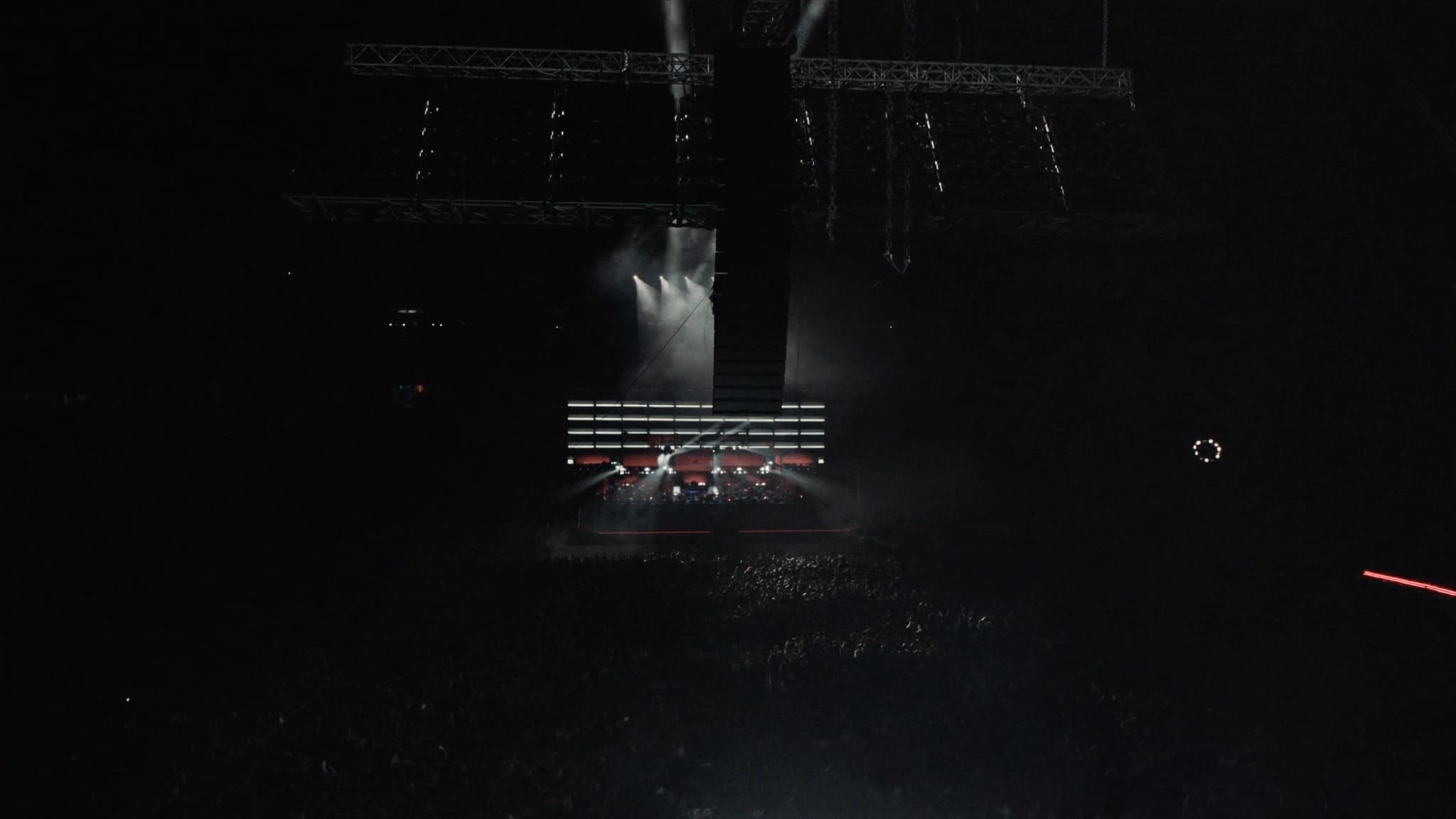
Die richtige Anzahl von Lautsprechern zu bestimmen, ist eine der kritischsten Entscheidungen bei der Planung jedes Beschallungssystems. Zu wenige Lautsprecher erzeugen tote Zonen, in denen das Publikum nicht klar hören kann; zu viele führen zu Kammfiltereffekten, Hotspots und unnötigen Kosten. Bei SSOUNDS entwickeln wir Systeme, die gleichmäßige Abdeckung, hohe Sprachverständlichkeit und konsistenten SPL von vorne bis hinten liefern. Dieser Leitfaden führt Sie durch die Geometrie der Beschallung, die Rolle von Fill-Lautsprechern und Delays und wie Sie häufige Fallstricke wie Hotspots und tote Zonen vermeiden.
Wichtigste Punkte
- Die Geometrie der Beschallung ist die Grundlage: Kartieren Sie Ihren Veranstaltungsort und verstehen Sie die Lautsprechermuster.
- Fill-Lautsprecher sind unerlässlich für vordere Reihen, Seiten und Bereiche unter dem Balkon.
- Delay-Lautsprecher richten Ankunftszeiten in großen Veranstaltungsorten aus, aber setzen Sie sie mit Bedacht ein.
- Vermeiden Sie Hotspots durch korrekte Verkippungswinkel und minimieren Sie Überlappungen.
- Tote Zonen werden durch richtige Ausrichtung, Vorhersagesoftware und Überprüfung verhindert.
- Messen und stimmen Sie das System nach der Installation immer ab, um beste Ergebnisse zu erzielen.
Die Geometrie der Beschallung verstehen
Jeder Lautsprecher hat ein definiertes Abstrahlmuster, typischerweise in Grad horizontal und vertikal gemessen. Bei einem Punktquellen-Lautsprecher bestimmt der Abstrahlwinkel den 'Kegel' des Schalls. Bei Line Arrays wird das vertikale Muster durch die Array-Länge und die Verkippungswinkel gesteuert, während die horizontale Abdeckung durch den Waveguide festgelegt ist. Die Grundregel lautet: Der Lautsprecher muss so positioniert sein, dass sich sein Abstrahlmuster leicht mit benachbarten Lautsprechern überlappt, um ein nahtloses Schallfeld zu erzeugen.
Um die benötigte Anzahl von Lautsprechern zu berechnen, beginnen Sie mit der Kartierung Ihres Veranstaltungsortes. Messen Sie die Breite und Tiefe der Zuhörerfläche und notieren Sie Hindernisse wie Säulen, Balkone oder unregelmäßige Sitzanordnungen. Teilen Sie die Breite durch den horizontalen Abstrahlwinkel (in Radiant) multipliziert mit der Entfernung zum am weitesten entfernten Zuhörer. Dies ergibt eine grobe Anzahl für das Frontfill. Bei Line Arrays wird die vertikale Abdeckung durch die Anzahl der Gehäuse und ihre Zwischenwinkel bestimmt. SSOUNDS Line-Array-Systeme sind mit präzisen Verkippungswinkeln ausgelegt, um eine gleichmäßige Abdeckung ohne Lücken zu gewährleisten.
Ein häufiger Fehler ist die Annahme, dass ein Lautsprecher einen großen Bereich abdecken kann. Selbst ein 90°-Lautsprecher hat an den Rändern einen erheblichen Pegelabfall, bis zu 6 dB bei 60° außerhalb der Achse. Um eine Gleichmäßigkeit von ±3 dB zu erhalten, benötigen Sie überlappende Abdeckung. In einem 20 Meter breiten Raum mit 60°-Lautsprechern benötigen Sie beispielsweise mindestens drei Lautsprecher an der Front, um die Breite angemessen abzudecken.
Fill-Lautsprecher: Front, Seite und unter dem Balkon
Fill-Lautsprecher werden verwendet, um Bereiche abzudecken, die das Hauptsystem nicht erreicht. Frontfills decken die ersten Reihen ab, in denen der Winkel des Haupt-PA zu steil ist. Sidefills decken die äußersten linken und rechten Sitzplätze ab. Under-Balcony-Fills bringen Schall zu Sitzplätzen, die durch einen Überhang abgeschattet sind. Der Schlüssel liegt darin, kleine, sorgfältig ausgerichtete Lautsprecher mit geeigneten Delay- und Pegel-Einstellungen zu verwenden.
Berücksichtigen Sie bei der Planung von Fills die Entfernung zur Hauptquelle. Für Frontfills sollten die Lautsprecher am Bühnenrand platziert und so ausgerichtet werden, dass sie die vorderen Reihen abdecken. Das Delay sollte so eingestellt sein, dass der Schall vom Frontfill gleichzeitig mit dem Schall vom Haupt-PA beim Zuhörer ankommt. SSOUNDS Punktquellen-Lautsprecher sind aufgrund ihrer kompakten Größe und kontrollierten Richtwirkung ideal für Fills.
Bei Under-Balcony-Fills liegt die Herausforderung in der begrenzten Höhe und der Notwendigkeit, Reflexionen zu vermeiden. Verwenden Sie Lautsprecher mit einem schmalen vertikalen Muster, um den Schall von Decke und Wänden fernzuhalten. SSOUNDS bietet spezielle Fill-Gehäuse mit optimierten Waveguides für diese Anwendungen.
Delay-Lautsprecher: Ankunftszeiten ausrichten
In großen Veranstaltungsorten kann die Entfernung vom Haupt-PA zu den hinteren Sitzplätzen eine merkliche Verzögerung verursachen, wodurch der Schall von der visuellen Quelle getrennt erscheint. Delay-Lautsprecher werden weiter hinten platziert und elektronisch verzögert, sodass der Schall vom Delay gleichzeitig mit dem Schall vom Hauptsystem beim Zuhörer ankommt. Dies erzeugt eine einzige kohärente Wellenfront.
Die Delay-Zeit wird berechnet, indem die Entfernungsdifferenz durch die Schallgeschwindigkeit (ca. 343 m/s) geteilt wird. Wenn der Delay-Lautsprecher beispielsweise 30 Meter weiter von der Quelle entfernt ist als das Haupt-PA, beträgt das Delay 30/343 ≈ 87 ms. Sie müssen jedoch auch die Ausbreitungszeit vom Delay-Lautsprecher zum Zuhörer berücksichtigen. Das Ziel ist es, die Ankunftszeiten beider Pfade auszurichten.
Delay-Lautsprecher sollten sparsam und nur bei Bedarf eingesetzt werden. Jede Delay-Zone erhöht die Komplexität und das Potenzial für Kammfiltereffekte. SSOUNDS DSP-Plattformen enthalten fortschrittliche Delay-Ausrichtungswerkzeuge, die diesen Prozess präzise und wiederholbar machen.
Hotspots und tote Zonen vermeiden
Hotspots entstehen, wenn zwei oder mehr Lautsprecher denselben Bereich mit überlappenden, kohärenten Signalen abdecken, was zu konstruktiver Interferenz und einem lokalisierten Pegelanstieg führt. Tote Zonen sind das Gegenteil: Bereiche, in denen die Abdeckung aufgrund von Lücken zwischen den Lautsprechermustern oder destruktiver Interferenz unzureichend ist.
Um Hotspots zu vermeiden, stellen Sie sicher, dass benachbarte Lautsprecher in Winkeln verkippt sind, die eine gleichmäßige Überlappung erzeugen. Bei Line Arrays bedeutet dies die Verwendung der korrekten Zwischenwinkel. Bei Punktquellen-Clustern verwenden Sie die 'Equal-Splay'-Methode, bei der jeder Lautsprecher einen Teil des Publikums ohne übermäßige Überlappung abdeckt. SSOUNDS Line-Array-Software berechnet optimale Verkippungswinkel basierend auf der Geometrie des Veranstaltungsortes.
Tote Zonen werden oft durch Hindernisse oder falsche Ausrichtung verursacht. Verwenden Sie Vorhersagesoftware, um die Abdeckung vor der Installation zu modellieren. Begehen Sie den Veranstaltungsort mit einem Messmikrofon, um die Abdeckung zu überprüfen. SSOUNDS Systeme sind darauf ausgelegt, bei ordnungsgemäßem Einsatz einen konsistenten SPL innerhalb von ±3 dB über die gesamte Zuhörerfläche zu liefern.
Praktische Schritte zur Bestimmung der Lautsprecheranzahl
1. Erstellen Sie eine maßstabsgetreue Zeichnung des Veranstaltungsortes, einschließlich Sitzbereichen, Bühne und Hindernissen. 2. Definieren Sie den gewünschten SPL und die Gleichmäßigkeit der Abdeckung (z. B. ±3 dB). 3. Wählen Sie einen Lautsprechertyp: Line Array für große, tiefe Veranstaltungsorte; Punktquelle für kleinere oder unregelmäßige Räume. 4. Verwenden Sie Abdeckungsrechner oder Simulationssoftware, um die Anzahl der benötigten Gehäuse zu bestimmen. 5. Fügen Sie Fills und Delays nach Bedarf hinzu. 6. Überprüfen Sie mit akustischen Messungen.
Für ein typisches Theater mit 500 Sitzplätzen könnten zwei SSOUNDS Line Arrays mit je 8 Gehäusen den Hauptboden abdecken, mit 2 Frontfills und 2 Under-Balcony-Fills. Für ein Open-Air-Festival mit 2000 Plätzen benötigen Sie möglicherweise 12 Gehäuse pro Seite plus Delay-Türme. Planen Sie immer Redundanz und zukünftige Erweiterungen ein.
SSOUNDS Ingenieure können bei der Systemplanung unterstützen und detaillierte Abdeckungsvorhersagen liefern. Unser Ziel ist es, ein System zu liefern, das überall gut klingt, nicht nur im Sweet Spot.
Häufige Fehler und wie man sie vermeidet
Fehler 1: Zu wenige Lautsprecher verwenden, um Geld zu sparen. Dies führt zu toten Zonen und ungleichmäßiger Abdeckung. Lösung: Investieren Sie in die richtige Anzahl von Gehäusen; es ist besser, ein etwas kleineres System mit ordnungsgemäßer Abdeckung zu haben als ein größeres System mit Lücken.
Fehler 2: Lautsprecher zu hoch oder zu niedrig platzieren. Eine hohe Platzierung kann dazu führen, dass der Schall die vorderen Reihen überschießt; eine niedrige Platzierung kann zu Abschattungen führen. Lösung: Richten Sie die Lautsprecher so aus, dass das Abdeckungsmuster den am weitesten entfernten und den nächsten Zuhörer gleichermaßen erreicht.
Fehler 3: Die Zeitausrichtung ignorieren. Ohne ordnungsgemäßes Delay können Fills und Delays Kammfiltereffekte und einen matschigen Klang verursachen. Lösung: Verwenden Sie ein Messsystem, um alle Lautsprecher in Zeit und Pegel auszurichten.
Fehler 4: Übermäßige Überlappung der Abdeckung. Dies erzeugt Hotspots und verringert die Sprachverständlichkeit. Lösung: Verwenden Sie Vorhersagesoftware, um die Überlappung zu minimieren, während die Abdeckung erhalten bleibt.
Häufige Fragen
Wie berechne ich die Anzahl der Lautsprecher für einen rechteckigen Raum?
Teilen Sie zunächst die Raumbreite durch den horizontalen Abstrahlwinkel (in Radiant) multipliziert mit der Entfernung zum am weitesten entfernten Zuhörer. Beispiel: Ein 20 m breiter Raum mit 60°-Lautsprechern bei 10 m Entfernung: Abdeckungsbreite pro Lautsprecher = 2 * 10 * tan(30°) ≈ 11,5 m. Sie bräuchten also mindestens 2 Lautsprecher, um 20 m abzudecken, aber 3 sind sicherer für Überlappung. Nutzen Sie Simulationssoftware für Genauigkeit.
Was ist der Unterschied zwischen einem Fill-Lautsprecher und einem Delay-Lautsprecher?
Ein Fill-Lautsprecher deckt Bereiche ab, die das Haupt-PA nicht erreichen kann (z. B. vordere Reihen, unter Balkonen). Ein Delay-Lautsprecher wird weiter hinten platziert, um entfernte Sitzplätze abzudecken, und wird zeitlich auf das Haupt-PA abgestimmt, um Kohärenz zu wahren. Fills sind normalerweise kleiner und näher, Delays oft Fullrange.
Wie vermeide ich Kammfiltereffekte bei der Verwendung mehrerer Lautsprecher?
Kammfiltereffekte entstehen, wenn zwei Lautsprecher denselben Bereich mit unterschiedlichen Ankunftszeiten beschallen. Um dies zu vermeiden, sorgen Sie für korrekte Zeitausrichtung (Delay), minimieren Sie Überlappungen und verwenden Sie Lautsprecher mit konsistenter Phasenantwort. SSOUNDS DSP enthält Ausrichtungswerkzeuge, um dies zu mildern.
Kann ich dasselbe Lautsprechermodell für Mains und Fills verwenden?
Ja, aber es ist oft effizienter, kleinere, dedizierte Fill-Gehäuse zu verwenden. Die Verwendung desselben Modells kann zusätzliche Abschwächung erfordern und zu Überbeschallung führen. SSOUNDS bietet eine Reihe von Punktquellen-Lautsprechern, die ideal für Fills sind.
Was ist die ideale SPL-Abweichung über das Publikum?
Ein gut konzipiertes System sollte nicht mehr als ±3 dB Abweichung vom durchschnittlichen SPL über die Zuhörerfläche aufweisen. Dies gewährleistet ein konsistentes Hörerlebnis. SSOUNDS Systeme sind darauf ausgelegt, diese Gleichmäßigkeit zu erreichen.
System aufbauen oder aufrüsten?
SSOUNDS entwickelt und fertigt professionelle PA weltweit, vom einzelnen Raum bis zur Stadiongröße.