Brauchen Deckenlautsprecher ein Backbox?
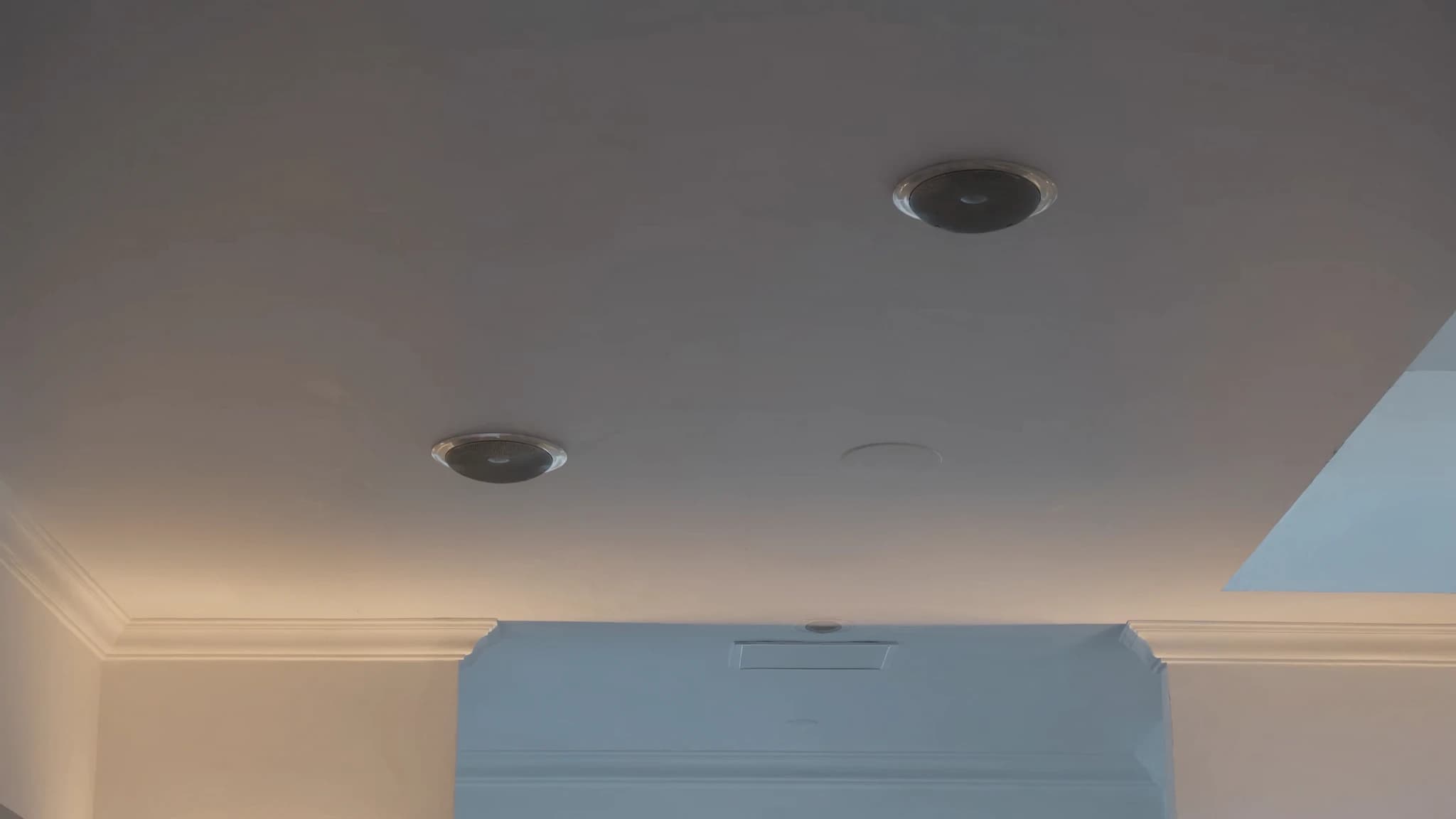
Bei der Planung einer Deckenlautsprecher-Installation ist eine der häufigsten Fragen, ob ein Backbox notwendig ist. Die Antwort hängt von Ihren Prioritäten ab: Klangqualität, Bassleistung, Brandschutz und akustische Isolierung zwischen Räumen. Dieser Leitfaden erklärt, was ein Backbox tut, wann es durch Vorschriften erforderlich ist und wie es Ihr Hörerlebnis beeinflusst.
Wichtigste Punkte
- Ein Backbox verbessert die Klangqualität, indem es die Rückwelle isoliert und Phasenauslöschung verhindert.
- Die Bassleistung ist straffer und präziser mit einem richtig dimensionierten geschlossenen Gehäuse.
- Feuerbeständige Backboxen sind oft durch Vorschriften in mehrstöckigen Gebäuden und gewerblichen Räumen erforderlich.
- Akustische Isolierung verhindert, dass Schall in angrenzende Räume gelangt, und erhöht die Privatsphäre.
- Auch wenn nicht zwingend erforderlich, wird ein Backbox für alle Deckeninstallationen empfohlen, um konsistente Leistung und Garantieerfüllung zu gewährleisten.
- Eine ordnungsgemäße Installation mit Akustikdichtmittel und sicherer Montage maximiert die Vorteile.
Was ist ein Backbox und was macht es?
Ein Backbox ist ein Gehäuse, das hinter einem Deckenlautsprecher montiert wird und ein geschlossenes Luftvolumen hinter dem Treiber schafft. Sein Hauptzweck ist es, zu verhindern, dass Schall in den Deckenhohlraum abgestrahlt wird, was zu verwaschenem Bass, Interferenzen mit angrenzenden Räumen und verringerter Gesamtklarheit führen kann. Ohne ein Backbox arbeitet der Lautsprecher im Wesentlichen in einer unendlichen Schallwand und verlässt sich auf den großen Deckenhohlraum als Gehäuse, aber dies führt oft zu inkonsistentem Tieftonverhalten und schlechter Transientenkontrolle.
Backboxen bieten auch strukturelle Unterstützung, schützen den Lautsprecher vor Schmutz und Staub und können feuerbeständige Materialien enthalten, um Bauvorschriften zu erfüllen. In professionellen Installationen gelten sie als unerlässlich, um vorhersehbaren, hochauflösenden Klang zu erzielen.
Klangqualität: Warum ein Backbox wichtig ist
Der unmittelbarste Vorteil eines Backbox ist die verbesserte Klangqualität. Deckenlautsprecher ohne Backbox leiden unter unkontrollierter Rückwellenstrahlung. Die Schallwellen von der Rückseite des Treibers wandern in den Deckenhohlraum, reflektieren von Balken und Isolierung und gelangen durch das Deckenmaterial zurück in den Raum, was zu Phasenauslöschung, Kammfiltereffekten und einem Verlust der Bassdefinition führt. Dies ist besonders bei Musik mit starkem Tieftonanteil bemerkbar, wie Kick-Drums oder Basslinien.
Ein richtig dimensioniertes Backbox isoliert die Rückwelle und ermöglicht es dem Lautsprecher, einen strafferen, präziseren Bass zu erzeugen. Das geschlossene Volumen wirkt als akustisches Aufhängungssystem, dämpft die Bewegung des Treibers und erweitert den Tieftonbereich. Für kritisches Hören oder Heimkinoanwendungen ist ein Backbox nicht verhandelbar. SSOUNDS-Ingenieure entwerfen ihre Deckenlautsprechersysteme mit integrierten Backboxen, um konsistente Leistung über alle Installationen hinweg zu gewährleisten.
Bassleistung: Die Rolle des Gehäusevolumens
Die Basswiedergabe hängt stark vom Gehäuse hinter dem Lautsprecher ab. Ohne ein Backbox ist das effektive Volumen der gesamte Deckenhohlraum, der unvorhersehbar und oft zu groß ist, was zu einem lockeren, dröhnenden Bass führt. Ein Backbox bietet ein kontrolliertes, geschlossenes Volumen, das auf die Parameter des Treibers abgestimmt ist. Dies ergibt eine niedrigere Resonanzfrequenz (Fb), eine höhere Belastbarkeit und eine größere Effizienz im Tieftonbereich.
Zum Beispiel könnte ein typischer 8-Zoll-Deckenlautsprecher ein geschlossenes Gehäuse von 1-2 Kubikfuß für optimalen Bass benötigen. Ein Backbox stellt sicher, dass dieses Volumen unabhängig von der Deckenkonstruktion konsistent ist. Bei Multiroom-Installationen verhindern Backboxen auch, dass Bass in angrenzende Räume übertritt, wodurch das beabsichtigte Schallfeld erhalten bleibt.
Feuerbeständigkeit und Anforderungen an Bauvorschriften
In vielen Gerichtsbarkeiten verlangen Bauvorschriften, dass Deckenlautsprecher in feuerbeständigen Decken (z. B. zwischen Stockwerken in mehrstöckigen Gebäuden) über ein feuerbeständiges Backbox verfügen. Dies liegt daran, dass ein Standard-Lautsprecherausschnitt ein Loch in der feuerbeständigen Barriere schafft, das potenziell Flammen und Rauch durchlassen kann. Feuerbeständige Backboxen sind aus intumeszierenden Materialien gefertigt, die sich bei Hitze ausdehnen, die Öffnung abdichten und die Feuerintegrität der Decke aufrechterhalten.
Auch wenn es nicht ausdrücklich durch lokale Vorschriften vorgeschrieben ist, ist die Verwendung eines feuerbeständigen Backbox eine bewährte Methode für Sicherheit und Haftung. Es bietet auch Sicherheit in gewerblichen Installationen, Hotels oder Mehrfamilienhäusern. Prüfen Sie immer bei Ihrer lokalen Bauaufsichtsbehörde, aber im Zweifelsfall installieren Sie ein Backbox.
Akustische Isolierung: Verhinderung von Schallübertragung zwischen Räumen
Einer der am meisten übersehenen Vorteile eines Backbox ist die akustische Isolierung. Ohne es wandert der Schall vom Lautsprecher in den Deckenhohlraum und kann leicht im Raum darüber oder in angrenzenden Bereichen gehört werden. Dies ist ein großes Problem in Büros, Hotels und Wohninstallationen, wo Privatsphäre wichtig ist. Ein Backbox, kombiniert mit Akustikdichtmittel und Isolierung, reduziert die Schallübertragung dramatisch.
Für maximale Isolierung wählen Sie ein Backbox aus dichtem Material (z. B. MDF oder schwerem Stahl) und mit Dichtungen für luftdichte Abdichtung. SSOUNDS-Backboxen sind mit akustischen Dämpfungsschichten ausgelegt, um Resonanz und Leckage zu minimieren. In kritischen Anwendungen sollten Sie die Zugabe von masselastigem Vinyl oder zusätzlicher Isolierung um das Backbox in Betracht ziehen.
Wann ist ein Backbox nicht erforderlich?
Es gibt Szenarien, in denen ein Backbox optional sein kann. Zum Beispiel in offenen Deckenkonstruktionen, bei denen der Deckenhohlraum Teil des Hörraums ist (z. B. ein Lagerhaus oder ein Loft mit freiliegenden Balken), könnte ein Backbox nicht notwendig sein. Ähnlich, wenn der Lautsprecher nur für Hintergrundmusik oder Durchsagen verwendet wird und die Bassleistung nicht kritisch ist, könnten Sie es überspringen. Aber auch in diesen Fällen verbessert ein Backbox die Klarheit und reduziert Übersprechen.
Eine weitere Ausnahme ist die Verwendung von Lautsprechern, die für unendliche Schallwand ausgelegt sind, aber diese sind in der Deckenkategorie selten. Die meisten renommierten Hersteller, einschließlich SSOUNDS, empfehlen Backboxen für alle Installationen, um die Garantieerfüllung und optimale Leistung zu gewährleisten.
Installationstipps und bewährte Methoden
Bei der Installation eines Backbox stellen Sie sicher, dass es sicher an der Deckenkonstruktion (Balken oder Blockierung) befestigt ist, um Vibrationen zu verhindern. Verwenden Sie Akustikdichtmittel um alle Durchdringungen und an der Schnittstelle zwischen Backbox und Deckenmaterial. Für feuerbeständige Installationen verwenden Sie nur UL-gelistete oder gleichwertige Backboxen. Führen Sie Lautsprecherkabel durch ein mit einer Tülle versehenes Loch, um die Abdichtung aufrechtzuerhalten.
Wenn der Deckenhohlraum flach ist, suchen Sie nach flachen Backboxen, die in enge Räume passen. SSOUNDS bietet eine Reihe von Backboxen, die für verschiedene Deckentiefen und Lautsprechergrößen optimiert sind. Passen Sie immer das Backbox-Volumen an das empfohlene Gehäusevolumen des Lautsprechers an, die Verwendung einer zu kleinen Box kann die Basswiedergabe beeinträchtigen.
Häufige Fragen
Kann ich Deckenlautsprecher ohne Backbox installieren, wenn mir der Bass nicht wichtig ist?
Ja, aber Sie werden dennoch eine verringerte Klarheit und mögliche Schallübertragung in andere Räume feststellen. Für Hintergrundmusik mag es akzeptabel sein, aber für jedes kritische Hören oder Heimkino wird ein Backbox dringend empfohlen.
Kommen alle Deckenlautsprecher mit einem Backbox?
Nein, viele Lautsprecher der Consumer-Klasse werden ohne Backbox verkauft. Professionelle Lautsprecher, wie die von SSOUNDS, enthalten oft Backboxen oder bieten optionale Backboxen an, die für optimale Leistung ausgelegt sind.
Was ist der Unterschied zwischen einem feuerbeständigen und einem nicht feuerbeständigen Backbox?
Ein feuerbeständiges Backbox besteht aus intumeszierenden Materialien, die sich bei einem Brand ausdehnen, um die Öffnung abzudichten und die Brandschutzbarriere der Decke aufrechtzuerhalten. Nicht klassifizierte Boxen bieten diesen Schutz nicht und sollten nicht in feuerbeständigen Decken verwendet werden.
Kann ich ein Backbox mit jedem Deckenlautsprecher verwenden?
Die meisten Backboxen sind so konzipiert, dass sie zu Standard-Lautsprecherausschnitten passen (z. B. 6,5 Zoll, 8 Zoll). Sie müssen jedoch sicherstellen, dass das Volumen des Backbox den Anforderungen des Lautsprechers entspricht. Die Verwendung einer nicht passenden Box kann die Klangqualität beeinträchtigen.
Beeinflusst ein Backbox die Empfindlichkeit oder Belastbarkeit des Lautsprechers?
Ja, ein geschlossenes Backbox erhöht typischerweise die Belastbarkeit und reduziert Verzerrungen bei hohen Lautstärken. Die Empfindlichkeit kann leicht abnehmen, aber der Kompromiss ist eine bessere Tieftonkontrolle und eine insgesamt bessere Klangqualität.
System aufbauen oder aufrüsten?
SSOUNDS entwickelt und fertigt professionelle PA weltweit, vom einzelnen Raum bis zur Stadiongröße.