Dolby Atmos Heimkino-Einrichtung: Ein vollständiger Leitfaden
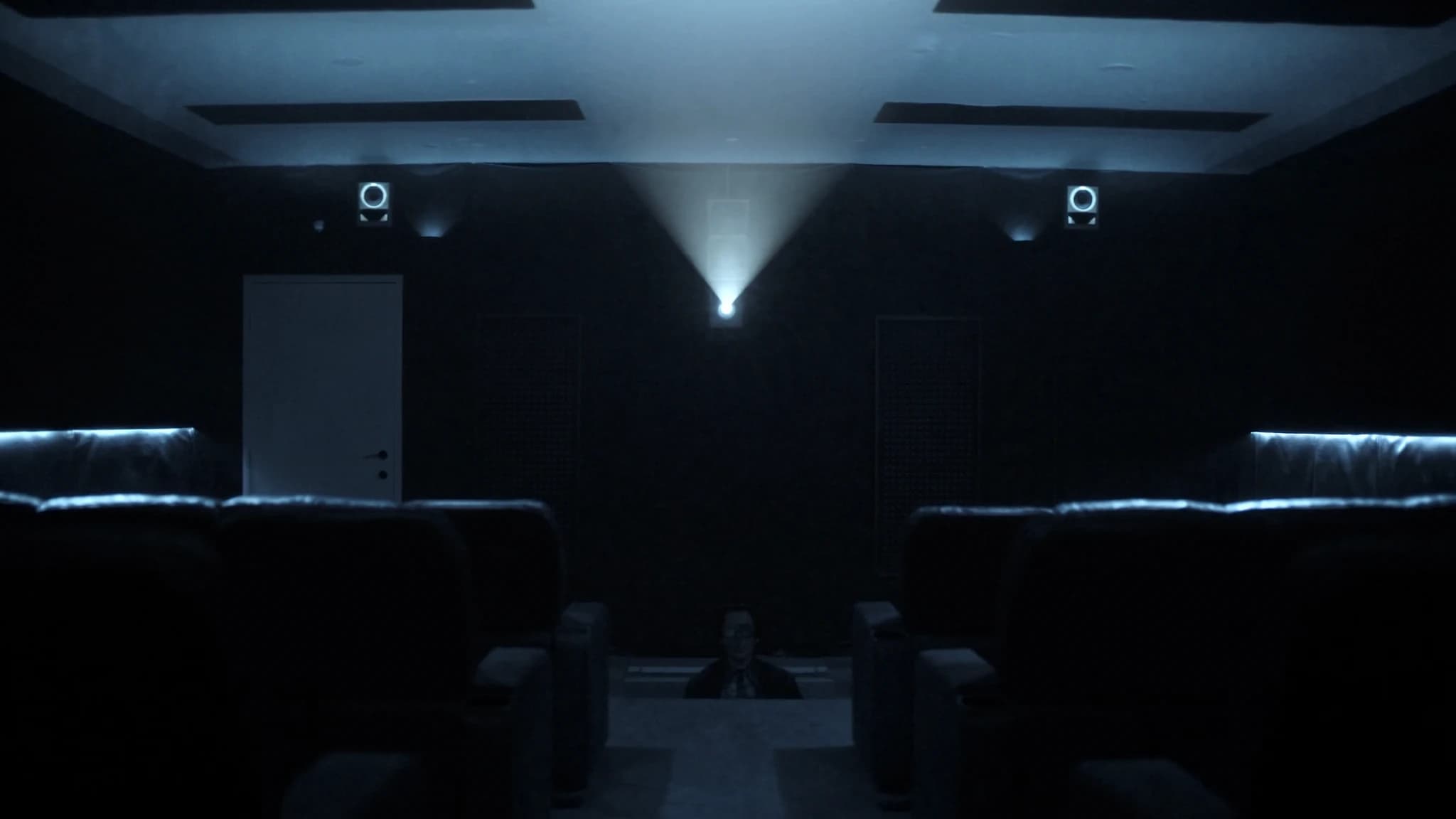
Dolby Atmos verwandelt das Heimkino, indem es Höhenkanäle hinzufügt und eine dreidimensionale Klangbühne schafft. Dieser Leitfaden erklärt die Bed- und Height-Ebenen, Layout-Optionen, Lautsprecherplatzierung und Kalibrierung, um Ihnen zu helfen, ein System zu entwerfen, das immersives, objektbasiertes Audio liefert.
Wichtigste Punkte
- Dolby Atmos fügt traditionellem Surround-Sound eine Height-Ebene hinzu und schafft ein 3D-Audioerlebnis.
- Wählen Sie ein Layout basierend auf der Raumgröße: 5.1.2 für kleine Räume, 5.1.4 oder 7.1.4 für größere Räume.
- In-Ceiling-Lautsprecher bieten die beste Höhenleistung; nach oben abstrahlende Module sind eine praktische Alternative.
- Platzieren Sie Höhenlautsprecher in bestimmten Winkeln (30-45 Grad Elevation) für akkurate Überkopf-Effekte.
- Kalibrieren Sie sorgfältig: Stellen Sie Lautsprecherpegel, Crossover und EQ ein, um Bed- und Height-Ebenen nahtlos zu verschmelzen.
Dolby Atmos verstehen: Bed- und Height-Ebenen
Dolby Atmos ist ein objektbasiertes Audioformat, das traditionellem kanalbasiertem Surround-Sound Höheninformationen hinzufügt. Das System basiert auf zwei Ebenen: der Bed-Ebene und der Height-Ebene. Die Bed-Ebene besteht aus den konventionellen Surround-Kanälen (links, center, rechts, surround links, surround rechts und optional surround back links/rechts). Diese Lautsprecher geben den Großteil des Soundtracks wieder und verankern das Audio an der Leinwand und der Ebene des Hörers.
Die Height-Ebene fügt Lautsprecher über der Hörposition hinzu, um eine Klangkuppel zu erzeugen. Diese Lautsprecher können In-Ceiling-Lautsprecher, nach oben abstrahlende Module, die den Schall von der Decke reflektieren, oder hoch an der Wand montierte Lautsprecher sein. Die Height-Ebene verleiht Atmos seine immersive Qualität und ermöglicht es Klängen wie Regen, Flugzeugen oder fliegenden Objekten, sich über den Kopf zu bewegen.
In einem Heimkino befindet sich die Bed-Ebene typischerweise auf Ohrhöhe (etwa 1,2 Meter oder 4 Fuß im Sitzen), während die Height-Ebene entweder in oder an der Decke liegt. Die Kombination dieser Ebenen sowie eine präzise Kalibrierung erzeugen ein nahtloses dreidimensionales Klangfeld.
Ihr Lautsprecher-Layout wählen: 5.1.2, 5.1.4, 7.1.4 und darüber hinaus
Die Zahlen in einem Layout (z. B. 5.1.2) geben die Anzahl der Bed-Lautsprecher, Subwoofer und Höhenlautsprecher an. Ein 5.1.2-System hat fünf Bed-Lautsprecher (links, center, rechts, surround links, surround rechts), einen Subwoofer und zwei Höhenlautsprecher. Dies ist der Einstieg in Atmos und funktioniert gut in kleinen bis mittleren Räumen.
Ein 5.1.4-System fügt zwei weitere Höhenlautsprecher hinzu, die typischerweise vor und hinter der Hörposition platziert werden. Dies ermöglicht ein präziseres Überkopf-Panning und ist ideal für Räume, in denen die Platzierung der Seiten-Surrounds eingeschränkt ist. Ein 7.1.4-System fügt der Bed-Ebene zwei Surround-Back-Lautsprecher hinzu und schafft so eine umhüllendere rückwärtige Klangbühne. Dies wird für größere Räume empfohlen, in denen die Hörposition mehrere Fuß von der Rückwand entfernt ist.
Für dedizierte Heimkinos sind 7.1.6- oder 9.1.6-Layouts möglich, die mehr Höhen- und Wide-Lautsprecher hinzufügen. Die Raumgröße und die Sitzanordnung sollten jedoch das Layout bestimmen. In kleineren Räumen können zu viele Lautsprecher Lokalisierungsprobleme und Unordnung verursachen. SSOUNDS-Ingenieure empfehlen oft, mit einem 5.1.4-Layout zu beginnen und es zu erweitern, wenn der Raum es zulässt, da die Height-Ebene mehr zum Atmos-Erlebnis beiträgt als zusätzliche Bed-Kanäle.
In-Ceiling vs. nach oben abstrahlende Module: Vor- und Nachteile
In-Ceiling-Lautsprecher sind der Goldstandard für Atmos-Höhenkanäle. Sie liefern direkten, präzisen Überkopf-Klang und sind weniger von Deckenhöhe oder Raumakustik betroffen. Sie erfordern eine Installation, bieten aber die beste Leistung und ästhetische Integration. Für Räume mit zugänglichen Decken oder während der Bauphase sind In-Ceiling-Lautsprecher die bevorzugte Wahl.
Nach oben abstrahlende Module sitzen auf Ihren vorhandenen Bed-Lautsprechern und reflektieren den Schall von der Decke, um Überkopf-Lautsprecher zu simulieren. Sie sind einfach zu installieren und erfordern keine Einschnitte in die Decke, was sie ideal für Mieträume oder Räume mit massiven Decken macht. Ihre Leistung hängt jedoch von Deckenhöhe, Ebenheit und Reflexionsfähigkeit ab. Sie funktionieren am besten in Räumen mit Decken zwischen 2,4 und 3,6 Metern (8 bis 12 Fuß) und glatten, nicht absorbierenden Oberflächen.
Ein hybrider Ansatz ist ebenfalls möglich: In-Ceiling-Lautsprecher für die vorderen Höhenkanäle und nach oben abstrahlende Module für die hinteren, oder umgekehrt. Entscheidend ist, eine Klangfarbenanpassung über alle Höhenlautsprecher hinweg sicherzustellen. SSOUNDS entwirft sowohl In-Ceiling- als auch Aufputz-Höhenlautsprecher, die kombiniert werden können, um den Raum zu passen.
Lautsprecher-Platzierungswinkel: Die Wissenschaft der Immersion
Die richtige Platzierung ist entscheidend für Atmos. Die Bed-Ebene sollte den Standard-Surround-Richtlinien folgen: die linken und rechten Lautsprecher bei 30 Grad vom Center, der Center-Kanal direkt unter oder über der Leinwand und die Surrounds bei 90 bis 110 Grad von der Hörposition. Surround-Back-Lautsprecher, falls verwendet, kommen bei 135 bis 150 Grad.
Höhenlautsprecher werden in bestimmten Winkeln relativ zum Hörer platziert. Für ein 5.1.2- oder 5.1.4-System sollten die vorderen Höhenlautsprecher bei 30 bis 45 Grad Elevation von der Hörposition und die hinteren Höhenlautsprecher bei 125 bis 150 Grad Azimut und 30 bis 45 Grad Elevation liegen. In einem 7.1.4-System werden die Höhenlautsprecher typischerweise über den vorderen linken/rechten und Surround-Links/Rechts-Positionen bei 45 Grad Elevation platziert.
Dolby bietet detaillierte Richtlinien, aber die genauen Winkel hängen von den Raumdimensionen und der Sitzanordnung ab. Verwenden Sie einen Winkelmesser oder einen Laser-Winkelfinder zum Messen. SSOUNDS nutzt fortschrittliche akustische Modellierung, um die Abdeckung vorherzusagen und sicherzustellen, dass jeder Sitzplatz ein ausgewogenes, immersives Erlebnis erhält. Wenn Sie unsicher sind, konsultieren Sie einen professionellen Installateur oder verwenden Sie Kalibrierungssoftware zur Feinabstimmung.
AVR- und Prozessor-Auswahl: Ihr Atmos-System mit Strom versorgen
Um ein Atmos-System anzutreiben, benötigen Sie einen AV-Receiver (AVR) oder Vorverstärker/Prozessor mit mindestens der Anzahl von Kanälen, die Ihrem Layout entspricht. Für ein 5.1.2-System ist ein 7-Kanal-AVR ausreichend. Für 5.1.4 oder 7.1.4 benötigen Sie einen 9- oder 11-Kanal-AVR oder einen separaten Prozessor und eine Endstufe.
Marken wie Denon, Yamaha und Marantz bieten eine Reihe von Atmos-fähigen AVRs. Die X-Serie von Denon und die SR-Serie von Marantz sind beliebt für ihre Raumkorrektur (Audyssey) und Unterstützung für mehrere Subwoofer. Die AVENTAGE-Serie von Yamaha bietet YPAO-Raumkorrektur und umfasst oft flexiblere Verstärkerzuweisungen. Berücksichtigen Sie bei der Auswahl die Leistung pro Kanal, die Anzahl der HDMI-Eingänge und die Unterstützung der neuesten HDMI-Standards (z. B. HDMI 2.1 für 8K).
Für größere Systeme bieten ein separater Prozessor und Endstufen mehr Headroom und Flexibilität. SSOUNDS-Endstufen und DSP können mit Prozessoren von Drittanbietern integriert werden, um sauberen, kraftvollen Klang zu liefern. Stellen Sie sicher, dass der AVR oder Prozessor die neueste Atmos-Version unterstützt und genügend Kanäle für Ihr gewähltes Layout hat.
Kalibrierung: Der Schlüssel zu nahtlosem Atmos
Die Kalibrierung ist wesentlich, um die Bed- und Height-Ebenen zu verschmelzen und die Raumakustik auszugleichen. Beginnen Sie mit dem automatischen Kalibrierungssystem Ihres AVR (z. B. Audyssey, YPAO, Dirac Live). Diese Systeme messen Lautsprecherentfernungen, Pegel und EQ, sind aber nicht perfekt. Überprüfen Sie die Ergebnisse mit einem SPL-Meter und einem Maßband.
Stellen Sie alle Lautsprecher auf 'small' und leiten Sie den Bass zum Subwoofer, auch wenn sie groß sind, um Verzerrungen zu reduzieren und den Headroom zu verbessern. Passen Sie die Crossover-Frequenz (typischerweise 80 Hz) an die Fähigkeiten Ihrer Lautsprecher an. Stellen Sie bei Höhenlautsprechern sicher, dass ihre Pegel mit der Bed-Ebene ausgeglichen sind; sie sollten nicht übersteuern, aber deutlich hörbar sein.
Verwenden Sie Testtöne und Demomaterial, um das Panning zwischen Bed- und Höhenlautsprechern zu prüfen. Dolby-Atmos-Demo-Discs sind von unschätzbarem Wert. Wenn Sie Zugang zu fortgeschrittenen Kalibrierungswerkzeugen wie REW (Room EQ Wizard) haben, messen Sie die Antwort und wenden Sie manuellen EQ an. SSOUNDS empfiehlt eine professionelle Kalibrierung für dedizierte Kinos, da sie das immersive Erlebnis dramatisch verbessern kann.
Raumakustik und Lautsprecherauswahl
Die Raumakustik spielt eine große Rolle für die Atmos-Leistung. Reflexionen und Absorption können die Height-Ebene verwischen und es schwierig machen, Überkopf-Klänge zu lokalisieren. Behandeln Sie die ersten Reflexionspunkte an der Decke und den Wänden mit absorbierenden Panels, aber vermeiden Sie übermäßige Dämpfung, die den Raum leblos klingen lassen kann.
Wählen Sie Lautsprecher, die über alle Kanäle hinweg klangfarbenangepasst sind. Idealerweise verwenden Sie dieselbe Marke und Serie für Bed- und Höhenlautsprecher. In-Ceiling-Lautsprecher sollten schwenkbare Hochtöner haben, um den Schall auf den Hörbereich zu richten. Nach oben abstrahlende Module sollten auf einer flachen, reflektierenden Oberfläche platziert werden.
SSOUNDS bietet eine Reihe von Heimkino-Lautsprechern, die für Atmos entwickelt wurden, darunter In-Ceiling- und Aufputz-Modelle, die sich nahtlos in unsere Line-Array- und Point-Source-Systeme integrieren. Unsere Ingenieure können Ihnen helfen, die richtigen Lautsprecher für Ihren Raum und Ihr Layout auszuwählen.
Häufige Fragen
Kann ich nach oben abstrahlende Module verwenden, wenn meine Decke gewölbt ist?
Nach oben abstrahlende Module sind auf eine flache, reflektierende Decke angewiesen, um den Schall zum Hörplatz zu werfen. Gewölbte oder stark strukturierte Decken zerstreuen den Schall und verringern den Überkopf-Effekt. In solchen Fällen sind In-Ceiling- oder hoch montierte Lautsprecher die bessere Wahl.
Wie viele Höhenlautsprecher brauche ich für einen kleinen Raum?
Für kleine Räume (unter 20 Quadratmetern) können zwei Höhenlautsprecher (5.1.2) ausreichend sein. Vier Höhenlautsprecher (5.1.4) bieten jedoch ein präziseres Überkopf-Panning und werden empfohlen, wenn der Sitzbereich mehr als eine Reihe umfasst. Die Verbesserung ist deutlich, wählen Sie also vier, wenn Ihr Budget und der Raum es zulassen.
Brauche ich eine separate Endstufe für Atmos?
Das hängt von Ihrem AVR ab. Viele Mittelklasse- und High-End-AVRs haben genügend integrierte Kanäle für 5.1.4 oder 7.1.4. Wenn Sie mehr Kanäle benötigen (z. B. 7.1.6), benötigen Sie möglicherweise eine separate Mehrkanal-Endstufe oder einen Vorverstärker/Prozessor mit externer Verstärkung. Prüfen Sie die Kanalanzahl und die Leistungsangabe des AVR.
Wie kalibriere ich Höhenlautsprecher?
Beginnen Sie mit der automatischen Kalibrierung Ihres AVR und überprüfen Sie diese dann mit einem SPL-Meter. Stellen Sie die Pegel der Höhenlautsprecher so ein, dass sie sich mit der Bed-Ebene vermischen und diese nicht übersteuern. Verwenden Sie Testtöne, um das Panning zu prüfen, und passen Sie Entfernungen und Crossover-Einstellungen an. Für beste Ergebnisse sollten Sie eine professionelle Kalibrierung mit Raumvermessungssoftware in Betracht ziehen.
Was ist die ideale Deckenhöhe für Atmos?
Für In-Ceiling-Lautsprecher ist eine Deckenhöhe von 2,4 bis 3,6 Metern (8 bis 12 Fuß) ideal. Für nach oben abstrahlende Module sollte die Decke flach und reflektierend sein, und die Höhe sollte innerhalb des für das Modul angegebenen Bereichs liegen (üblicherweise 2,4 bis 3,6 Meter). Sehr hohe Decken können In-Ceiling-Lautsprecher erfordern, um einen ausreichenden Überkopf-Klang zu erzielen.
System aufbauen oder aufrüsten?
SSOUNDS entwickelt und fertigt professionelle PA weltweit, vom einzelnen Raum bis zur Stadiongröße.