Kabellose Heimkinosysteme: Der komplette Leitfaden
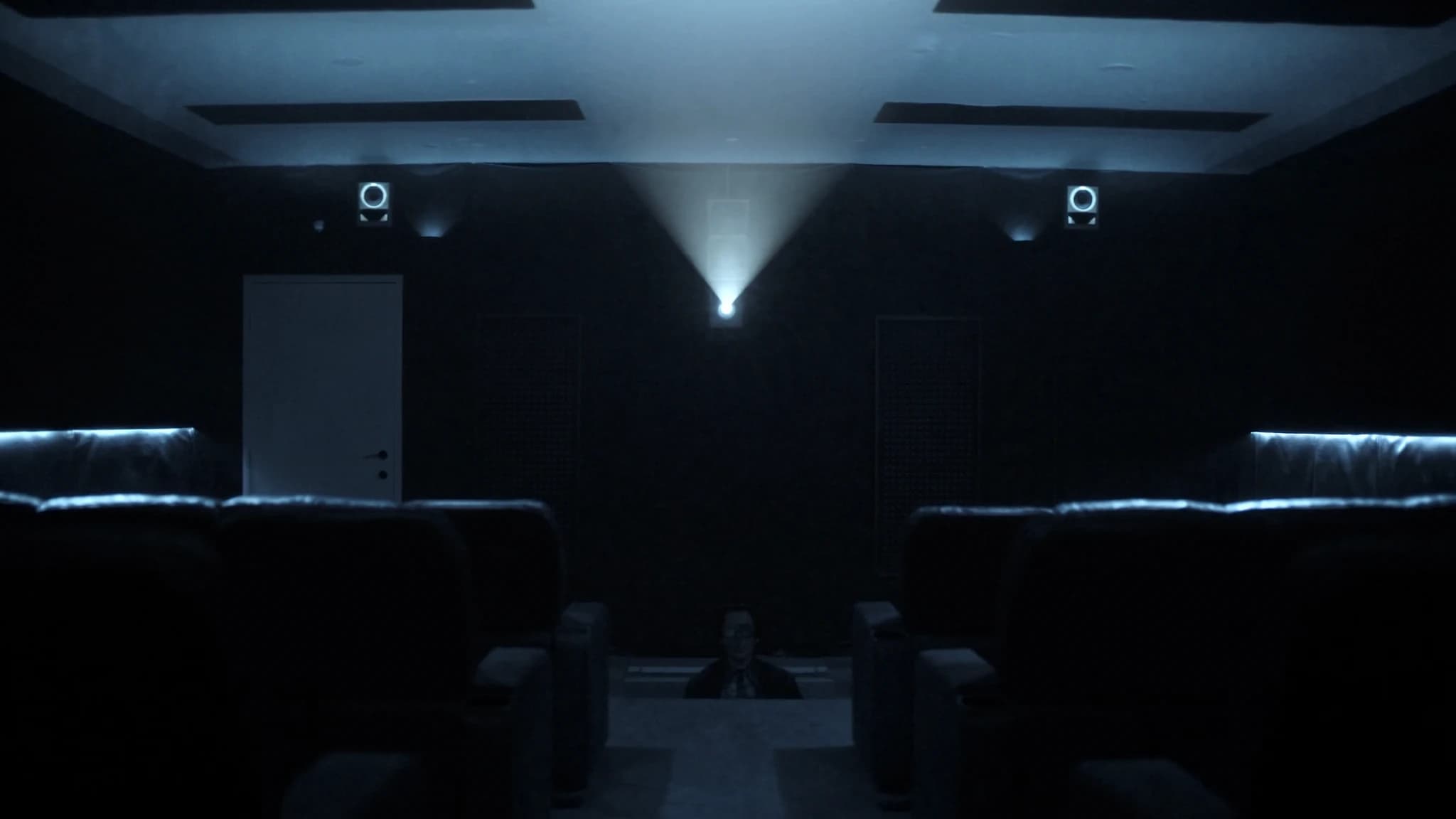
Kabellose Heimkinosysteme versprechen ein saubereres, kabelfreies Setup, werfen aber auch Fragen zu Latenz, Zuverlässigkeit und Audioqualität auf. Dieser Leitfaden entlarvt den Hype und hilft Ihnen zu entscheiden, wann kabellos sinnvoll ist und wie Sie 2026 die beste Leistung erzielen.
Wichtigste Punkte
- Kabelloses Heimkino eignet sich am besten für Surround-Lautsprecher und Subwoofer; halten Sie die Frontkanäle kabelgebunden für Zuverlässigkeit.
- WiSA ist das führende Protokoll mit niedriger Latenz (unter 5 ms) für unkomprimiertes Mehrkanal-Audio.
- Latenz unter 15 ms ist entscheidend, um Lippen-Synchronisationsprobleme zu vermeiden; vermeiden Sie Standard-Bluetooth für Filme.
- Interferenzen sind möglich, aber selten bei modernen adaptiven Frequenz-Hopping-Systemen.
- Hybrid-Setups (kabelgebundene Fronts + kabellose Surrounds/Subs) bieten die beste Balance zwischen Leistung und Komfort.
- Im Jahr 2026 werden native kabellose Unterstützung in AV-Receivern und Fernsehern kabellose Setups einfacher denn je machen.
Wie kabelloses Heimkino-Audio funktioniert
Kabellose Heimkinosysteme verwenden Funkfrequenz (RF), Wi-Fi oder proprietäre Protokolle wie WiSA (Wireless Speaker and Audio Association), um Audio von der Quelle oder dem Receiver an die Lautsprecher zu übertragen. Im Gegensatz zu Bluetooth, das für kurze persönliche Audioübertragung entwickelt wurde und merkliche Latenz einführen kann, sind moderne kabellose Systeme für Mehrkanal-Audio in hoher Klangtreue mit geringer Verzögerung konzipiert.
WiSA hat sich zum Goldstandard für kabelloses Heimkino entwickelt und unterstützt unkomprimiertes 24-Bit/96-kHz-Audio über ein dediziertes 5,2–5,8-GHz-Band. Es kann bis zu 8 Kanäle mit weniger als 5 ms Latenz verarbeiten, was für die meisten Hörer nicht wahrnehmbar ist. Andere Systeme verwenden proprietäres RF oder Wi-Fi mit benutzerdefinierten Codecs, um Synchronisation und Zuverlässigkeit zu gewährleisten.
Latenz und Lippen-Synchronisation: Der kritische Faktor
Latenz ist der Feind des Heimkinos. Jede Verzögerung zwischen Video und Audio, selbst 20–30 ms, kann störend sein. Kabellose Systeme müssen die Gesamtlatenz unter 10–15 ms halten, um merkliche Lippen-Synchronisationsfehler zu vermeiden. WiSA-zertifizierte Produkte erreichen dies, aber viele kabellose Consumer-Lautsprecher (insbesondere solche mit Standard-Bluetooth) führen 100–200 ms ein, was sie für Filme ungeeignet macht.
Wenn Sie ein kabelloses System in Betracht ziehen, achten Sie auf eine Zertifizierung für niedrige Latenz. Viele AV-Receiver enthalten jetzt integrierte WiSA-Unterstützung oder kabellose Sendemodule. Bei Hybrid-Setups, bei denen die Frontlautsprecher kabelgebunden und die Surround-Lautsprecher kabellos sind, stellen Sie sicher, dass das kabellose Protokoll zu den Fähigkeiten des Receivers passt.
Zuverlässigkeit: Kabelgebunden vs. Kabellos in realen Haushalten
Kabelgebundene Verbindungen sind von Natur aus zuverlässiger: keine Interferenzen, keine Aussetzer, keine Batterieprobleme. Kabellose Systeme können durch Wi-Fi-Überlastung, Schnurlostelefone, Babyphones und sogar Mikrowellenherde beeinträchtigt werden. In dicht besiedelten städtischen Gebieten oder Haushalten mit vielen Smart-Geräten sind 2,4-GHz-Bänder besonders überfüllt. Die Nutzung des 5-GHz-Bands durch WiSA hilft, ist aber nicht immun.
Trotzdem sind moderne kabellose Systeme ausgereift. Adaptives Frequenz-Hopping, Fehlerkorrektur und Pufferung helfen, eine stabile Verbindung aufrechtzuerhalten. Für die meisten Benutzer wird ein gut konzipiertes kabelloses System 99 % der Zeit einwandfrei funktionieren. Der Kompromiss sind gelegentliche Interferenzen oder die Notwendigkeit, einen Lautsprecher neu zu starten, selten, aber möglich.
Wo kabellos 2026 sinnvoll ist
Kabellos ist ideal für hintere Surround-Lautsprecher und Subwoofer, Lautsprecher, die oft weit vom AV-Receiver entfernt und schwer sauber zu verkabeln sind. Vielen Haushalten fehlen In-Wall-Verkabelungen, und das Verlegen von Lautsprecherkabeln über Türöffnungen oder unter Teppichen ist unschön. Ein kabelloses Surround-Kit (z. B. auf WiSA-Basis) kann dies elegant lösen.
Für die vorderen linken/mittleren/rechten Kanäle bleibt kabelgebunden überlegen. Diese Lautsprecher tragen den Großteil des Dialogs und der Klangbühne; jede Latenz oder Kompression ist stärker wahrnehmbar. Ein Hybrid-Ansatz, kabelgebundene Fronts, kabellose Surrounds und Subs, bietet die beste Balance zwischen Leistung und Komfort. Im Jahr 2026 werden voraussichtlich mehr AV-Receiver native kabellose Unterstützung bieten, wodurch die Notwendigkeit externer Sender reduziert wird.
Klangqualität: Kann kabellos mit kabelgebunden mithalten?
Ja, mit der richtigen Technologie. WiSA unterstützt unkomprimiertes 24-Bit/96-kHz-Audio, identisch mit dem, was Sie über HDMI oder optisch senden würden. Es gibt keine verlustbehaftete Kompression wie bei Bluetooths SBC oder AAC. Die Qualität der Lautsprecher selbst ist jedoch wichtiger als die Verbindung. Ein billiger kabelloser Lautsprecher klingt schlechter als ein guter kabelgebundener, unabhängig vom Protokoll.
Kabellose Subwoofer sind besonders praktisch, sie können für eine optimale Basswiedergabe ohne lange Kabelwege platziert werden. Viele High-End-Subwoofer bieten jetzt kabellose Kits oder integrierte kabellose Empfänger. Stellen Sie nur sicher, dass das kabellose System die Leistungsanforderungen des Subs bewältigen kann und eine ausreichend niedrige Latenz für Bass hat (was für die Lokalisierung weniger kritisch, aber für den Impact immer noch wichtig ist).
Ein kabelloses Heimkino einrichten: Praktische Tipps
Beginnen Sie mit einem soliden AV-Receiver oder Prozessor, der Ihr gewähltes kabelloses Protokoll unterstützt. Wenn Sie WiSA verwenden, suchen Sie nach Receivern mit integrierter WiSA-Zertifizierung oder fügen Sie einen WiSA-USB-Sender hinzu. Platzieren Sie kabellose Lautsprecher innerhalb von 30 Fuß (ca. 9 Metern) vom Sender, mit minimalen Hindernissen. Vermeiden Sie die Platzierung in der Nähe von Metallgegenständen oder großen Haushaltsgeräten.
Verwenden Sie für Subwoofer ein dediziertes kabelloses Sender/Empfänger-Kit, wenn der Sub keine integrierte kabellose Verbindung hat. Viele Kits arbeiten auf 2,4 GHz und können eine leichte Verzögerung einführen; wählen Sie eines mit niedrigem Latenzmodus. Testen Sie schließlich das System mit einem Lippen-Synchronisations-Testvideo (viele sind auf YouTube verfügbar) und passen Sie gegebenenfalls die Verzögerungseinstellungen im Receiver an.
Die Zukunft: Kabellose Standards und Ökosystem
WiSA gewinnt an Bedeutung, konkurriert jedoch mit proprietären Lösungen von Sonos, Bluesound und anderen. Die Branche bewegt sich auf einen universellen Standard zu. WiSAs 'WiSA Ready'-Programm und das kommende WiSA E (embedded) zielen darauf ab, kabelloses Audio so einfach wie HDMI zu machen. Im Jahr 2026 werden voraussichtlich mehr Fernseher und Soundbars WiSA-Unterstützung bieten, was kabelloses Surround im ganzen Haus ohne separaten Receiver ermöglicht.
Für professionelle und High-End-Installationen setzen Unternehmen wie SSOUNDS weiterhin auf kabelgebundene Verbindungen für missionskritische Zuverlässigkeit, aber wir erkennen an, dass die kabellose Technologie die Lücke schließt. Unser Rat: Verwenden Sie kabellos, wo es Ihr Leben vereinfacht, aber kompromittieren Sie niemals die zentrale Frontbühne. Ein sorgfältig ausgewähltes Hybrid-System kann ein Kinoerlebnis ohne Kabelsalat bieten.
Häufige Fragen
Kann ich Bluetooth-Lautsprecher für das Heimkino verwenden?
Nicht empfohlen. Die Bluetooth-Latenz liegt typischerweise bei 100–200 ms, was zu merklichen Lippen-Synchronisationsfehlern führt. Außerdem kann Bluetooth Mehrkanal-Audio nicht nativ verarbeiten. Verwenden Sie stattdessen WiSA oder dedizierte kabellose Systeme.
Haben kabellose Subwoofer Latenzprobleme?
Einige ja, aber viele moderne kabellose Subwoofer-Kits haben Modi mit niedriger Latenz (unter 10 ms). Für das Heimkino ist dies normalerweise akzeptabel, da der Bass für die Lippen-Synchronisation weniger kritisch ist. Testen Sie mit einer basslastigen Szene, um sicherzustellen, dass es sich straff anfühlt.
Ist WiSA besser als Sonos für das Heimkino?
WiSA wurde für unkomprimiertes Mehrkanal-Audio mit niedriger Latenz entwickelt und eignet sich daher besser für traditionelles Heimkino mit einem AV-Receiver. Sonos ist ein geschlossenes Ökosystem, das für Musik und gelegentliches Fernsehen optimiert ist; es verwendet komprimiertes Audio und kann eine höhere Latenz aufweisen. Wählen Sie WiSA für ein dediziertes Heimkino-Setup.
Kann ich kabelgebundene und kabellose Lautsprecher im selben System mischen?
Ja, viele AV-Receiver erlauben dies. Verwenden Sie kabelgebundene Verbindungen für die Frontkanäle und kabellose für Surround-Lautsprecher und Subwoofer. Stellen Sie nur sicher, dass der Receiver beides gleichzeitig verarbeiten kann und dass das kabellose Protokoll kompatibel ist.
Wird kabellos jemals so zuverlässig sein wie kabelgebunden?
Für die meisten Heimanwender ist kabellos bereits zuverlässig genug. In missionskritischen Installationen (z. B. professionellen Kinos), in denen kein Risiko von Interferenzen bestehen darf, wird kabelgebunden jedoch immer im Vorteil sein. Für den Heimgebrauch überwiegt der Komfort oft den kleinen Zuverlässigkeitskompromiss.
System aufbauen oder aufrüsten?
SSOUNDS entwickelt und fertigt professionelle PA weltweit, vom einzelnen Raum bis zur Stadiongröße.