In-Ceiling Surround Sound: 5.1.2 und 5.1.4 erklärt
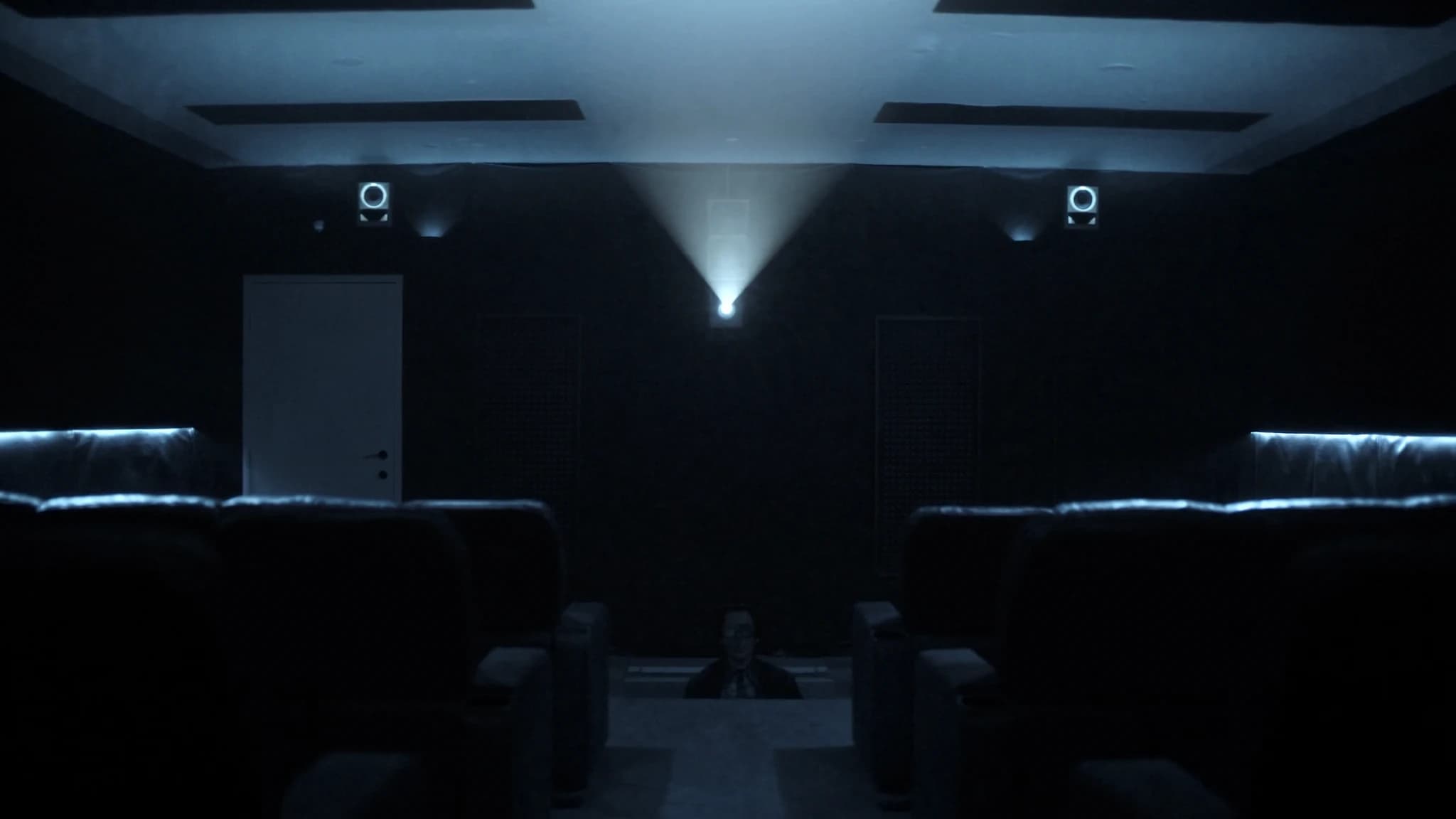
In-Ceiling-Surround-Sound-Setups, insbesondere 5.1.2- und 5.1.4-Konfigurationen, verändern Heimkinos, indem sie immersives Dolby-Atmos-Audio liefern, ohne Bodenfläche zu opfern. Dieser Leitfaden erklärt die Layouts, Lautsprecherplatzierung, Treiberauswahl, Backbox-Anforderungen, Verkabelung und Integrationstipps, um Ihnen beim Aufbau eines Systems in Profiqualität zu helfen.
Wichtigste Punkte
- 5.1.2 verwendet zwei Deckenlautsprecher für grundlegendes Atmos; 5.1.4 verwendet vier für präzisere Overhead-Effekte.
- Platzieren Sie Deckenlautsprecher über der Hörposition, zum Hörer hin angewinkelt für beste Immersion.
- Angewinkelte Treiber verbessern die Off-Axis-Klarheit; flache Treiber funktionieren, wenn der Hörer direkt darunter sitzt.
- Verwenden Sie immer geschlossene Backboxes, um Schallaustritt und Resonanzen zu verhindern.
- Verkabeln Sie mit 14-16 AWG Kabel und führen Sie nach der Installation eine automatische Kalibrierung durch.
- Wählen Sie Deckenlautsprecher mit breiter Abstrahlung und klanglich abgestimmt auf Ihr Hauptsystem.
5.1.2- und 5.1.4-Layouts verstehen
Die Zahlen in 5.1.2 und 5.1.4 beziehen sich auf die Kanalanzahl: Die erste Ziffer steht für traditionelle Surround-Kanäle (links, center, rechts, links surround, rechts surround), die zweite für den Subwoofer (.1) und die dritte für Overhead-/Height-Kanäle. Bei 5.1.2 haben Sie zwei Deckenlautsprecher für Overhead-Effekte; bei 5.1.4 haben Sie vier Deckenlautsprecher, zwei vordere Heights und zwei hintere Heights, für eine präzisere objektbasierte Audio-Platzierung.
Dolby Atmos nutzt diese Height-Kanäle, um eine dreidimensionale Klangbühne zu erzeugen, bei der Geräusche wie Regen oder Hubschrauber nahtlos über Ihnen wandern. Das 5.1.2-Layout ist ein kosteneffizienter Einstieg, während 5.1.4 ein umhüllenderes Erlebnis mit besserer vertikaler Lokalisierung bietet. Beide profitieren von In-Ceiling-Lautsprechern, die sich ästhetisch in den Raum einfügen.
Platzierungsrichtlinien für In-Ceiling-Lautsprecher
Für 5.1.2 platzieren Sie die beiden Deckenlautsprecher direkt über der Hörposition, leicht vor dem Hauptsitzbereich, typischerweise zwischen 65 und 100 Grad von der zentralen Hörachse. Sie sollten etwa in Raumbreite voneinander entfernt sein und gerade nach unten oder zum Hörer hin angewinkelt abstrahlen. Vermeiden Sie eine zu wandnahe Platzierung, um frühe Reflexionen zu verhindern.
In einem 5.1.4-Setup befinden sich die vorderen Height-Lautsprecher über den vorderen linken und rechten Lautsprechern, zum Hörer hin angewinkelt, während die hinteren Heights hinter dem Sitzbereich platziert werden, ausgerichtet an den hinteren Surrounds. Dolby empfiehlt einen Elevationswinkel von 45 Grad vom Hörer zum Deckenlautsprecher. Verwenden Sie einen Laserpointer oder eine Smartphone-App, um exakte Positionen zu markieren, bevor Sie Löcher schneiden.
Angewinkelte vs. flache Treiber: Was wählen?
Angewinkelte Treiber (auch schwenkbare Hochtöner genannt) ermöglichen es Ihnen, hohe Frequenzen auf den Hörbereich zu richten, was für Klarheit bei Atmos-Effekten entscheidend ist. Flache Treiber strahlen Schall direkt nach unten ab, was funktionieren kann, wenn der Hörer direkt darunter sitzt, aber angewinkelte Treiber bieten mehr Flexibilität für Off-Axis-Sitzplätze. Für In-Ceiling-Atmos werden angewinkelte Treiber im Allgemeinen empfohlen, um sicherzustellen, dass die Overhead-Klangbühne fokussiert und immersiv ist.
Einige Premium-In-Ceiling-Lautsprecher verfügen über Doppelschwingspulen-Tieftöner oder koaxiale Designs, die einen Hochtöner und einen Tieftöner auf derselben Achse kombinieren und so die Kohärenz verbessern. SSOUNDS-Ingenieure entwerfen ihre In-Ceiling-Modelle mit verstellbaren Hochton-Waveguides, um die Abdeckung zu optimieren und eine konsistente Leistung sicherzustellen, unabhängig davon, ob Sie eine angewinkelte oder flache Installation wählen.
Die Bedeutung von Backboxes
Backboxes (geschlossene Gehäuse) sind für In-Ceiling-Lautsprecher in einem Surround-Sound-System unerlässlich. Sie isolieren den Lautsprecher vom Deckenhohlraum, verhindern Schallaustritt in andere Räume und reduzieren Resonanzen. Ohne Backbox wirkt die Decke als Resonator, trübt den Klang und verursacht Phasenprobleme. Backboxes schützen den Lautsprecher zudem vor Staub und Dämmmaterial.
Für Atmos sind geschlossene Backboxes vorzuziehen, da sie ein kontrolliertes Luftvolumen bieten, was die Basswiedergabe und Transientengenauigkeit verbessert. Einige Backboxes sind mit Anschlussklemmen vorverkabelt für eine einfache Verbindung. Wählen Sie immer eine Backbox, die zur Tiefe und Ausschnittgröße des Lautsprechers passt. SSOUNDS bietet kundenspezifische Backboxes, die für ihre In-Ceiling-Modelle entwickelt wurden, um optimale akustische Leistung zu gewährleisten.
Verkabelung und Integration mit dem Hauptsystem
Verlegen Sie Lautsprecherkabel der Stärke 14 oder 16 AWG vom Verstärker zu jedem Deckenlautsprecher. Für 5.1.2 benötigen Sie zwei Verstärkerkanäle für die Heights; für 5.1.4 vier Kanäle. Die meisten modernen AV-Receiver verfügen über dedizierte Height-Kanal-Ausgänge (beschriftet mit 'Atmos' oder 'Height'). Wenn Ihr Receiver nicht über genügend Kanäle verfügt, verwenden Sie einen externen Verstärker mit Pre-Outs.
Die Kabelpolarität muss konsistent sein: Verbinden Sie den positiven Anschluss am Receiver mit dem positiven am Lautsprecher. Verwenden Sie Bananenstecker oder Gabelschuhe für sichere Verbindungen. Führen Sie nach der Installation die automatische Kalibrierung des Receivers durch (z. B. Audyssey, Dirac), um Entfernungen, Pegel und Übergangsfrequenzen einzustellen. Stellen Sie Deckenlautsprecher typischerweise auf 'small' mit einer Übergangsfrequenz von 80–100 Hz ein, um Bässe zum Subwoofer umzuleiten.
Die richtigen In-Ceiling-Lautsprecher wählen
Achten Sie auf Lautsprecher mit breiter Abstrahlung (mindestens 90 Grad), um den Hörbereich gleichmäßig abzudecken. Ein Frequenzgang, der bis 20 kHz reicht, gewährleistet klare Höhen für Atmos-Effekte. Eine Empfindlichkeit über 87 dB ist wünschenswert für eine effiziente Nutzung der Verstärkerleistung. Für eine nahtlose Klangcharakteristik sollten Sie dieselbe Marke für alle Lautsprecher in Betracht ziehen, einschließlich des Hauptsystems.
SSOUNDS-In-Ceiling-Lautsprecher sind mit Hochhub-Tieftönern und Seidenkalotten-Hochtönern ausgestattet und liefern den Dynamikbereich, der für filmische Overhead-Effekte erforderlich ist. Ihre unauffälligen Gitter lassen sich leicht überstreichen und machen sie praktisch unsichtbar. Für professionelle Installationen bietet SSOUNDS auch Vorbaubügel und brandschutzgeprüfte Backboxes an.
Häufige Fragen
Kann ich für Atmos normale Regallautsprecher anstelle von In-Ceiling-Lautsprechern verwenden?
Ja, Sie können Regallautsprecher an Wänden oder Ständern in der Nähe der Decke montieren, aber In-Ceiling-Lautsprecher sind diskreter und bieten eine sauberere Ästhetik. In-Ceiling-Modelle sind zudem darauf ausgelegt, Schall nach unten abzustrahlen, was für Overhead-Effekte ideal ist.
Brauche ich einen speziellen Verstärker für In-Ceiling-Atmos-Lautsprecher?
Die meisten modernen AV-Receiver mit Dolby-Atmos-Verarbeitung verfügen über dedizierte Height-Kanäle. Wenn Ihr Receiver nicht über genügend Kanäle verfügt, können Sie einen externen Mehrkanalverstärker über Pre-Outs anschließen.
Was ist die ideale Deckenhöhe für In-Ceiling-Atmos?
Dolby empfiehlt Deckenhöhen zwischen 7,5 und 12 Fuß. Höhere Decken können Lautsprecher mit verstellbaren, angewinkelten Treibern erfordern, um den Schall auf den Hörbereich auszurichten.
Kann ich verschiedene Marken für Decken- und Hauptlautsprecher mischen?
Es ist möglich, aber für die beste tonale Konsistenz sollten Sie Lautsprecher derselben Marke oder Serie verwenden. Unterschiedliche Klangcharakteristiken können dazu führen, dass Klänge beim Übergang zwischen Kanälen unzusammenhängend wirken.
Wie verstecke ich die Kabel für In-Ceiling-Lautsprecher?
Verlegen Sie Kabel durch den Dachboden oder den Kriechraum über der Decke. Verwenden Sie Kabel mit CL2- oder CL3-Klassifizierung für den Brandschutz. Bei Neubauten installieren Sie Lautsprecherkabel vor dem Trockenbau. Bei Nachrüstinstallationen können Kabelabdeckungen oder Einziehfedern verwendet werden.
System aufbauen oder aufrüsten?
SSOUNDS entwickelt und fertigt professionelle PA weltweit, vom einzelnen Raum bis zur Stadiongröße.