Leitfaden für die Beschallung von Gospelkonzerten
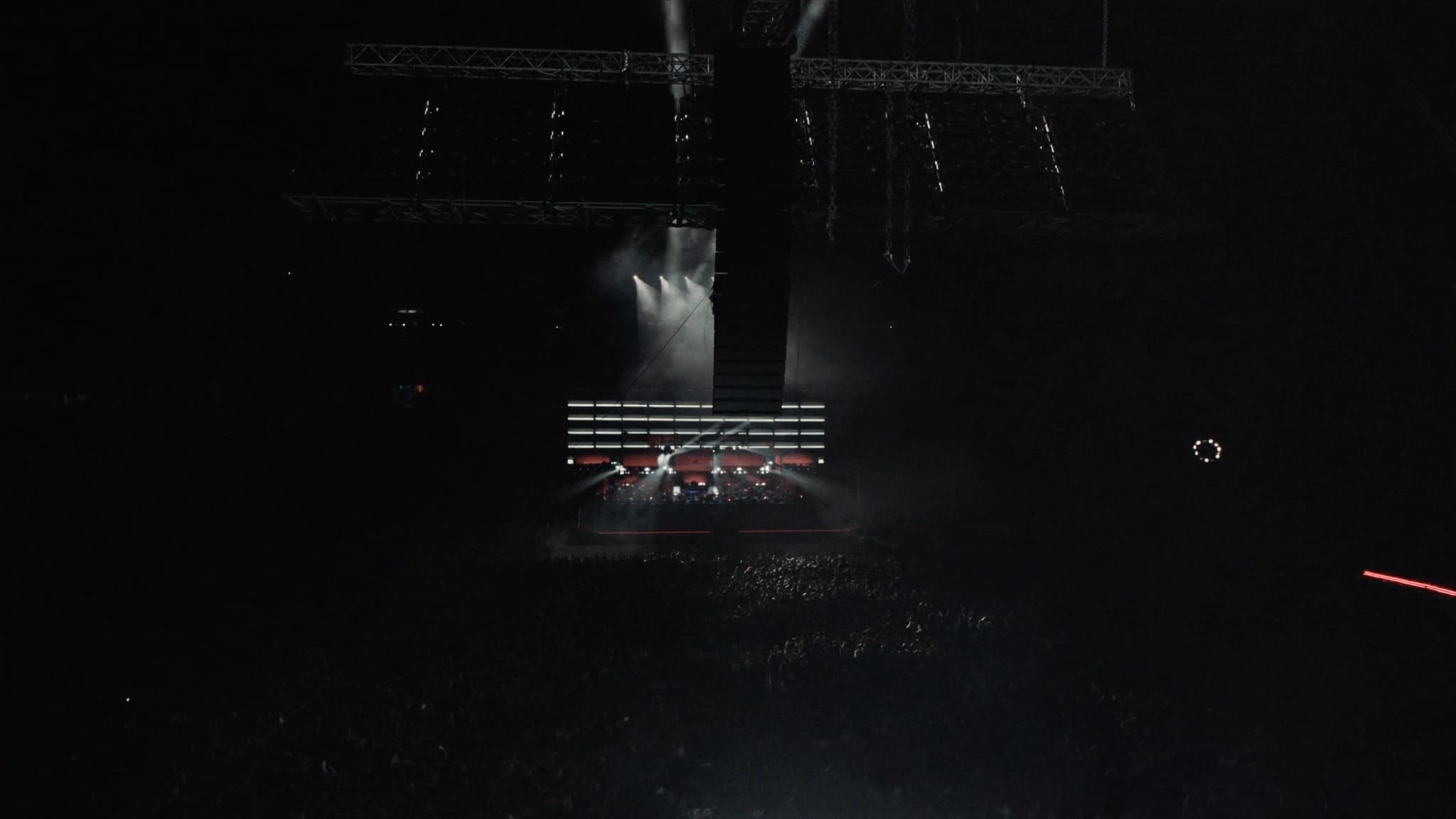
Gospelkonzerte sind einzigartige Live-Sound-Veranstaltungen. Anders als bei einer typischen Rockshow erfordern sie eine feine Balance zwischen kraftvoller, energiegeladener Verstärkung und makelloser Gesangsklarheit für Chor und Gemeinde. Das Ziel ist nicht nur, Sound zu verstärken, sondern eine spirituelle Atmosphäre zu schaffen, in der jedes Wort der Botschaft verständlich, jede Harmonie klar und die Tieftonenergie den Raum bewegt. Bei großen Gospelveranstaltungen in ganz Afrika, von Lagos bis Nairobi, sind die Herausforderungen verstärkt: Open-Air-Veranstaltungsorte, große Chöre und hoher Umgebungslärm. Dieser Leitfaden von SSOUNDS, einem weltklasse PA-Hersteller, behandelt die wesentlichen Produktionsprinzipien, um ein makelloses Gospelkonzerterlebnis zu liefern.
Wichtigste Punkte
- Gospel-Sound erfordert ein System mit hohem Headroom, Gesangsklarheit und kontrolliertem Tiefton, um dynamische Gottesdienste zu bewältigen.
- Line Arrays mit ordnungsgemäßer Abdeckung und Delay-Fills stellen sicher, dass jedes Gemeindemitglied klar hört, auch in großen Veranstaltungsorten.
- Chor-Mixing profitiert von Stereosubgruppen, sorgfältiger Mikrofonplatzierung und geschmackvollem Reverb, um eine immersive Klangbühne zu schaffen.
- Feedback-Management durch Mikrofonauswahl, Monitorpositionierung und Systemverarbeitung ist entscheidend für High-Gain-Gospelveranstaltungen.
- Investieren Sie in Stromkonditionierung und wetterfeste Ausrüstung für zuverlässige Leistung in afrikanischen Outdoor-Umgebungen.
Die Gospel-Klanglandschaft verstehen
Gospelmusik ist dynamisch. Sie reicht von intimen, leisen Gebetsmomenten bis zu explosiven, energiegeladenen Lobpreis-Chören. Das Soundsystem muss diesen weiten Dynamikbereich ohne Verzerrung oder Detailverlust bewältigen. Die Schlüsselelemente sind: Gesangsverständlichkeit (der Prediger und die Hauptsänger müssen glasklar sein), Choppräsenz (eine breite, zusammenhängende Klangbühne, die den Chor immersiv wirken lässt) und Tieftonfundament (Kickdrum und Bass, die Energie ohne Matschigkeit liefern).
Bei vielen afrikanischen Gospelveranstaltungen ist die Gemeinde aktiv beteiligt, singt mit, klatscht und tanzt. Die PA muss daher den gesamten Publikumsbereich gleichmäßig abdecken, mit genügend Headroom, um über den Lärm der Menge zu steigen. Hier glänzen professionelle Line-Array-Systeme wie die von SSOUNDS. Ihre kontrollierte Richtwirkung stellt sicher, dass der Schall präzise dorthin projiziert wird, wo er benötigt wird, reduziert Übersprechen auf die Bühne und minimiert Rückkopplungen.
Systemdesign: Abdeckung und Schalldruckpegel
Vergessen Sie nicht Frontfills und Delays. Für sehr breite oder tiefe Veranstaltungsorte sorgen Delay-Türme dafür, dass der Schall von allen Lautsprechern gleichzeitig ankommt, wodurch die Verständlichkeit erhalten bleibt. Frontfills decken den Bereich direkt vor der Bühne ab, wo die Hauptarrays möglicherweise nicht hinreichen. SSOUNDS-Punktquellenlautsprecher sind ideal für diese Rollen und bieten eine konsistente tonale Balance mit dem Hauptsystem.
Mischen für Gospel: Gesang und Chor
Der Hauptsänger ist der Brennpunkt. Verwenden Sie ein hochwertiges dynamisches oder Kondensatormikrofon mit enger Richtcharakteristik, um Übersprechen vom Chor und der Band zu minimieren. Der EQ sollte sanft sein, tiefe Frequenzen unter 80 Hz absenken, um Rumpeln zu reduzieren, und eine leichte Präsenzanhebung um 3-5 kHz für Klarheit hinzufügen. Kompression ist essenziell, um die Dynamik zu kontrollieren, aber vermeiden Sie Überkompression; Gospelgesang muss atmen können.
Der Chor ist eine einzigartige Herausforderung. Bei 20 bis 100+ Mikrofonen sind Phasenkohärenz und Gain-Staging entscheidend. Verwenden Sie eine Mischung aus Overhead-Kondensatormikrofonen und einzelnen dynamischen Nierenmikrofonen. Gruppieren Sie den Chor in Stimmen (Sopran, Alt, Tenor, Bass) und bussen Sie sie auf Stereosubgruppen. Das leichte Panning dieser Subgruppen nach links und rechts erzeugt eine breite, natürliche Klangbühne. Reverb ist Ihr Freund, ein Hall- oder Plate-Reverb mit einer Abklingzeit von 1,5-2,5 Sekunden verleiht ein Gefühl von Raum und Größe. Halten Sie jedoch den Reverb-Return niedrig genug, damit er den Mix nicht matschig macht.
Umgang mit Rückkopplungen in High-Gain-Umgebungen
Gospelveranstaltungen haben oft eine hohe Bühnenlautstärke durch Monitore und den Klang des Chors selbst. Rückkopplungen sind eine ständige Bedrohung. Beginnen Sie mit einer sorgfältigen Positionierung der Mikrofone, vermeiden Sie, sie direkt auf Monitor-Wedges oder die Haupt-PA zu richten. Verwenden Sie Nieren- oder Hypernierenmikrofone für eine bessere Unterdrückung. Grafische Equalizer auf Monitormixes können problematische Frequenzen ausblenden, aber verwenden Sie sie sparsam, um den Klang nicht zu verändern.
Moderne digitale Mischpulte bieten Funktionen wie Feedback-Unterdrückung und automatisches Mikrofon-Mixing für den Chor. SSOUNDS empfiehlt die Verwendung eines Systems mit FIR-Verarbeitung, um die Phasenantwort aller Lautsprecher auszurichten, Kammfiltereffekte zu reduzieren und die Gain-Before-Feedback zu verbessern. Unsere DSP-Verstärker enthalten fortschrittliche Filterung, die hilft, die Stabilität auch bei hohem Schalldruckpegel zu erhalten.
Die Rolle des Monitorings: Band und Chor verbunden halten
In-Ear-Monitore (IEMs) werden für Gospelbands zum Standard, da sie die Bühnenlautstärke reduzieren und einen saubereren Mix bieten. Viele Chöre bevorzugen jedoch weiterhin Wedge-Monitore für das Gefühl von 'Sound im Raum'. Wenn Sie Wedges verwenden, stellen Sie sicher, dass sie so positioniert sind, dass Rückkopplungen vermieden werden, und dass sie für Klarheit statt Lautstärke EQ't sind. Ein separater Monitormix für den Chordirigenten ist unerlässlich, er muss alle Stimmen klar hören, um effektiv leiten zu können.
Für große Veranstaltungen ziehen Sie einen dedizierten Monitor-Engineer in Betracht. Band, Chor und Prediger haben möglicherweise unterschiedliche Mix-Anforderungen. SSOUNDS-Bühnenmonitore sind für hohe Ausgangsleistung mit gleichmäßiger Abdeckung ausgelegt, sodass jeder Performer sich selbst und den Rest des Ensembles klar hört.
Praktische Überlegungen für afrikanische Veranstaltungen
Die Stromstabilität ist oft ein Problem. Investieren Sie in Spannungsregler und USV-Systeme, um Ihre Ausrüstung zu schützen. Generatoren sollten so dimensioniert sein, dass sie die volle Systemlast mit Headroom bewältigen. Berücksichtigen Sie auch das Klima: Hitze und Feuchtigkeit können die Lautsprecherleistung beeinträchtigen. SSOUNDS-Systeme sind mit robusten Komponenten und wetterfesten Optionen für Outdoor-Veranstaltungen gebaut.
Transport- und Aufbaulogistik sind wichtig. Modulare, leichte Gehäuse reduzieren den LKW-Platz und die Rigging-Zeit. SSOUNDS-Rigging-Hardware ist für den schnellen Aufbau konzipiert, sodass sich Ihr Team auf die Klangqualität statt auf mechanische Herausforderungen konzentrieren kann. Halten Sie schließlich immer Ersatzkabel, Mikrofone und ein Backup-Pult bereit, Gospelveranstaltungen können sich keine Ausfallzeiten leisten.
Häufige Fragen
Was ist die ideale Lautsprecherkonfiguration für ein Gospelkonzert in einem Stadion?
Ein typisches Setup umfasst links und rechts geflogene Line Arrays (z. B. SSOUNDS Large-Format-Arrays) für die Hauptbeschallung, ground-gestackte oder geflogene Subwoofer in Nierencharakteristik, Frontfills für den Bereich direkt vor der Bühne und Delay-Türme für tiefe Sitzreihen. Die genaue Anzahl der Gehäuse hängt von der Größe des Veranstaltungsortes und dem erforderlichen Schalldruckpegel ab.
Wie viele Mikrofone benötige ich für einen 50-köpfigen Chor?
Für einen 50-köpfigen Chor verwenden Sie 8-12 Mikrofone: eine Mischung aus Overhead-Kondensatormikrofonen (4-6), gleichmäßig über den Chor verteilt, und einzelnen dynamischen Nierenmikrofonen (4-6) für Solisten oder Stimmführer. Dies bietet eine gute Abdeckung ohne übermäßige Phasenprobleme.
Wie verhindere ich Rückkopplungen, wenn der Prediger ein drahtloses Handmikrofon verwendet?
Verwenden Sie ein Nieren- oder Supernierenmikrofon, halten Sie das Mikrofon nah am Mund und vermeiden Sie, es auf Monitore oder Hauptlautsprecher zu richten. Setzen Sie einen schmalen Notch-Filter auf der Feedback-Frequenz im Monitor-EQ. Stellen Sie außerdem sicher, dass die Haupt-PA den Bühnenbereich nicht übermäßig beschallt.
Welche Art von Subwoofer-Array eignet sich am besten für Gospelmusik?
Ein Subwoofer-Array in Nierencharakteristik (z. B. mit SSOUNDS-Subwoofern und DSP-Presets) bündelt die Tieftonenergie nach vorne und reduziert sie hinter dem Array. Das hält die Bühne sauber und liefert einen druckvollen, gleichmäßigen Bass im gesamten Publikumsbereich. Für sehr große Veranstaltungen funktioniert eine Kombination aus geflogenen und ground-gestackten Subs gut.
Sollte ich In-Ear-Monitore für den Chor verwenden?
IEMs können die Bühnenlautstärke und Rückkopplungen reduzieren, aber viele Chöre bevorzugen Wedges für das natürliche Gefühl. Ein hybrider Ansatz funktioniert: Geben Sie IEMs an die Band und die Hauptsänger, und verwenden Sie Wedges für den Chor mit sorgfältigem EQ und Positionierung. Haben Sie immer einen dedizierten Monitormix für den Chordirigenten.
System aufbauen oder aufrüsten?
SSOUNDS entwickelt und fertigt professionelle PA weltweit, vom einzelnen Raum bis zur Stadiongröße.