Heimkinosysteme: Der komplette Leitfaden
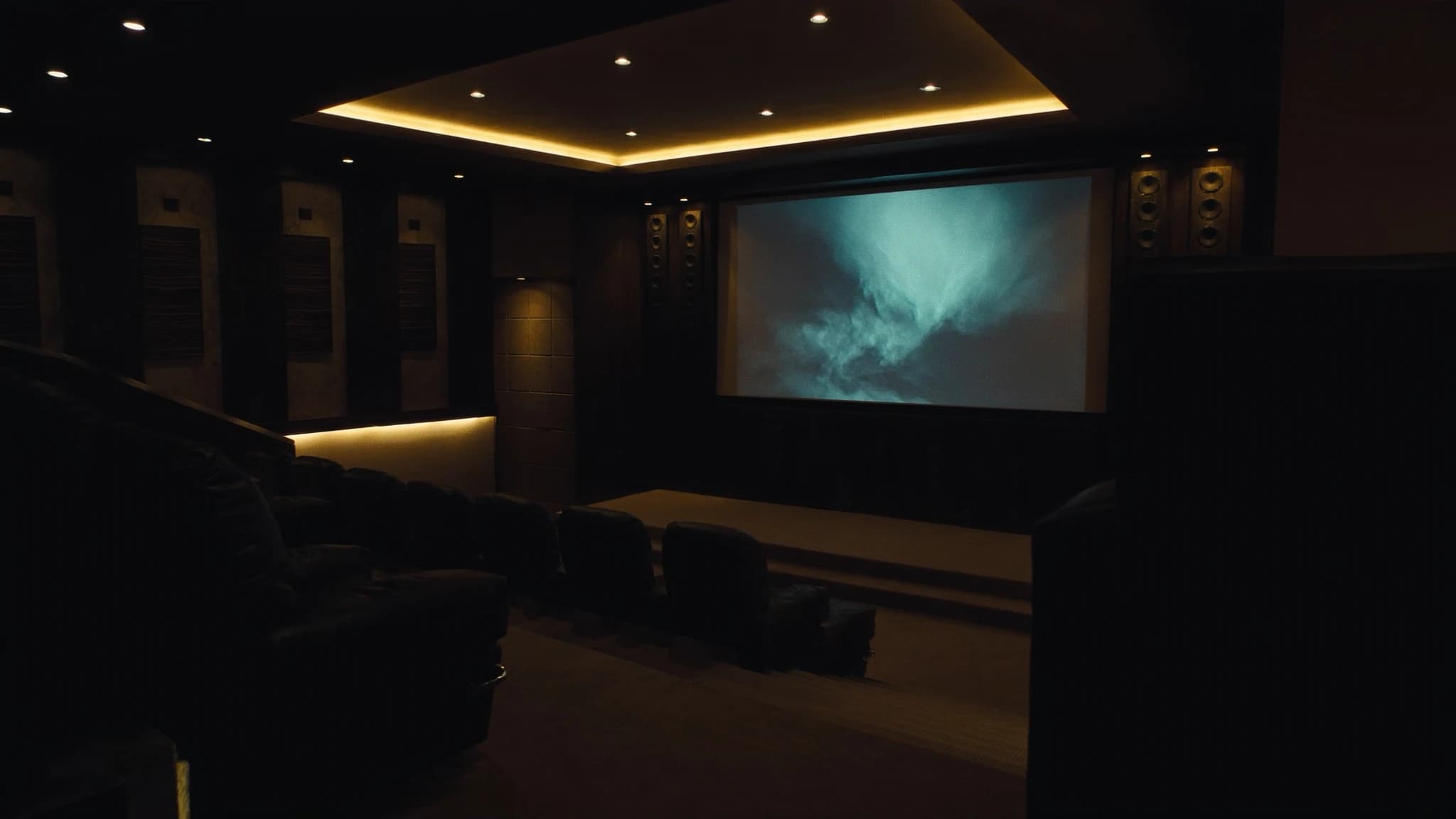
Ein großartiges Heimkino ist nicht nur eine Sammlung teurer Boxen. Es ist ein sorgfältig entworfenes System, bei dem jeder Lautsprecher, Verstärker und jede akustische Behandlung zusammenwirken, um die Absicht des Regisseurs wiederzugeben. Dieser Leitfaden führt Sie durch die Kernentscheidungen, von Layout und Lautsprecherrollen bis hin zu Kalibrierung und Raumakustik, damit Sie ein System bauen können, das wirklich performt.
Wichtigste Punkte
- Der Center-Kanal ist der kritischste Lautsprecher für Dialogklarheit; er muss tonal zu den linken und rechten Lautsprechern passen.
- Dolby Atmos fügt Höhenkanäle für ein dreidimensionales Klangfeld hinzu; selbst ein 5.1.2-System kann hochgradig immersiv sein.
- Raumkorrektursoftware in AV-Receivern ist ein leistungsstarkes Werkzeug, funktioniert aber am besten in Kombination mit physischer akustischer Behandlung.
- Mehrere Subwoofer, asymmetrisch platziert, können Raummoden glätten und konsistenteren Bass über Sitzplätze hinweg bieten.
- Kalibrierung ist nicht optional: korrekte Pegel, Verzögerungen und EQ sind essenziell für eine kohärente, glaubwürdige Klangbühne.
Kanal-Layouts verstehen: 5.1, 7.1 und Dolby Atmos
Die Zahlen in 5.1 und 7.1 beziehen sich auf diskrete Kanäle: fünf oder sieben Hauptlautsprecher plus einen Subwoofer (die .1). In einem 5.1-Layout haben Sie links, center, rechts, links surround und rechts surround. Ein 7.1-Layout fügt zwei hintere Surround-Kanäle hinzu, wodurch ein umhüllenderes Feld hinter dem Hörer entsteht. Beide basieren auf dem Prinzip diskreter, vollbereichsfähiger Kanäle, obwohl in der Praxis Surround-Lautsprecher oft bass-managed sind.
Dolby Atmos und DTS:X verfolgen einen anderen Ansatz. Statt Kanälen verwenden sie objektbasiertes Audio, bei dem Klänge mit Metadaten in einem dreidimensionalen Raum platziert werden. Dies ermöglicht Deckenlautsprecher (oder nach oben abstrahlende Module), um Höheneffekte zu erzeugen. Ein typisches Atmos-Layout ist 5.1.2 (zwei Deckenlautsprecher) oder 5.1.4 (vier Deckenlautsprecher), und Sie können mit 7.1.4 oder 9.1.6 weiter gehen. Der Schlüssel ist, dass Atmos eine vertikale Dimension hinzufügt, wodurch Regen, Flugzeuge und Umgebungseffekte sich wirklich über Ihnen anfühlen.
Die Wahl eines Layouts hängt von Raumgröße, Budget und davon ab, wie weit Sie gehen möchten. Für kleine bis mittlere Räume übertrifft ein gut umgesetztes 5.1.2-System oft ein schlecht platziertes 7.1.4. Das Ziel ist nahtloses Panning und eine glaubwürdige Klangkugel, nicht nur mehr Lautsprecher.
Lautsprecherrollen: Was jeder Kanal tut
Der Center-Kanal ist der wichtigste Lautsprecher in jedem Heimkino. Er verankert Dialoge und die meiste Handlung auf dem Bildschirm mit dem Bild, daher sind Klarheit und tonale Konsistenz mit den linken und rechten Lautsprechern entscheidend. Ein dedizierter Center mit einem horizontalen Array oder einem koaxialen Design hilft, Dialoge am Bildschirm zu halten.
Linke und rechte Lautsprecher übernehmen Musik, Effekte und die Breite der Klangbühne. Sie sollten auf Ohrhöhe platziert, leicht zur Hörposition geneigt sein und ein gleichseitiges Dreieck mit dem Center bilden. Standlautsprecher oder hochwertige Regallautsprecher auf Ständern funktionieren beide, müssen aber zu sauberer, dynamischer Ausgabe fähig sein.
Surround-Lautsprecher erzeugen Immersion. In einem 5.1- oder 7.1-System werden sie normalerweise an den Seiten und leicht hinter dem Hörer platziert, auf oder knapp über Ohrhöhe. Bipol- oder Dipol-Designs können den Klang für einen umhüllenderen Effekt diffundieren, während direkt abstrahlende Lautsprecher eine präzisere Lokalisierung bieten. Für Atmos sollten Decken- oder Höhenlautsprecher über dem Hörbereich platziert werden, entweder in der Decke oder als nach oben abstrahlende Module auf den Frontlautsprechern.
Subwoofer übernehmen den Low-Frequency-Effects-(LFE-)Kanal und das Bassmanagement für alle Lautsprecher. Ein Subwoofer kann in kleineren Räumen gut funktionieren, aber zwei oder vier strategisch platzierte Subs können Raummoden glätten und gleichmäßigeren Bass über mehrere Sitzplätze liefern. Der Subwoofer ist nicht nur für Explosionen da; er untermauert das gesamte Fundament des Soundtracks.
AV-Receiver und Prozessoren: Das Gehirn des Systems
Der AV-Receiver (AVR) oder Vorverstärker/Prozessor ist das Kontrollzentrum. Er dekodiert das Audioformat, wendet Raumkorrektur an, verwaltet Bass und verstärkt das Signal zu Ihren Lautsprechern. Marken wie Denon, Yamaha und Marantz sind in diesem Bereich bekannt und bieten eine Reihe von Modellen von Einstieg bis High-End. Bei der Auswahl sollten Sie auf die Funktionen achten, die Sie tatsächlich benötigen: Anzahl der Kanäle, HDMI-Version, Unterstützung für die neuesten immersiven Formate und Raumkorrektursoftware.
Raumkorrektur ist eines der leistungsstärksten Werkzeuge in einem modernen AVR. Systeme wie Audyssey, Dirac Live und Yamahas YPAO messen die Antwort Ihres Raums und passen Verzögerungen, Pegel und EQ an, um Unvollkommenheiten auszugleichen. Dies ist besonders wichtig für Bass, wo Raummoden dröhnende oder nullende Stellen erzeugen können. Eine gute Kalibrierung kann ein mittelmäßiges Setup in ein großartiges verwandeln.
Für die anspruchsvollsten Installationen bieten ein separater Vorverstärker/Prozessor und Endstufen mehr Headroom, bessere Kanaltrennung und Upgrade-Flexibilität. Dies ist üblich in High-End-Heimkinos, wo jede Komponente für ihre klangliche Reinheit ausgewählt wird. Ob Sie einen integrierten Receiver oder Separate wählen, stellen Sie sicher, dass der Verstärkerteil genug saubere Leistung für Ihre Lautsprecher und Raumgröße hat.
Subwoofer und Bassmanagement
Bass ist das Fundament des Heimkino-Impacts, aber auch das Schwierigste, richtig hinzubekommen. Ein einzelner Subwoofer kann ungleichmäßig klingen wegen Raummoden, jenen Spitzen und Einbrüchen im Frequenzgang, die durch stehende Wellen verursacht werden. Ein zweiter Subwoofer, asymmetrisch platziert, kann einige dieser Moden auslöschen und konsistenteren Bass über mehrere Sitzplätze bieten.
Bassmanagement ist der Prozess, tiefe Frequenzen von Ihren Hauptlautsprechern zum Subwoofer umzuleiten. Dies geschieht typischerweise im AVR, wo Sie eine Trennfrequenz (oft 80 Hz) einstellen und Lautsprecher als small oder large designieren. Selbst wenn Ihre Hauptlautsprecher tiefen Bass reproduzieren können, kann das Umleiten zum Subwoofer Verzerrungen reduzieren und Headroom erhöhen. Das Ziel ist ein sanfter Übergang zwischen Sub und Mains, sodass Sie nicht hören, wo einer endet und der andere beginnt.
Für ultimative Bassleistung verwenden einige Enthusiasten mehrere Subwoofer mit einem dedizierten Bassmanagement-Prozessor oder einem miniDSP, um Verzögerung, EQ und Pegel fein abzustimmen. Dieses Maß an Kontrolle findet sich oft in High-End-Installationen, aber selbst ein einfaches Zwei-Sub-Setup mit sorgfältiger Platzierung kann hervorragende Ergebnisse liefern.
Raumakustik: Die unsichtbare Komponente
Der Raum selbst ist so wichtig wie jeder Lautsprecher. Harte, reflektierende Oberflächen erzeugen Echos und verwischen Dialoge, während übermäßige Absorption den Klang dumpf und leblos machen kann. Das Ziel ist eine ausgewogene akustische Umgebung mit kontrollierten Reflexionen und einer Nachhallzeit, die zum Kino passt, typischerweise etwa 0,3 bis 0,5 Sekunden.
Beginnen Sie mit der Lautsprecherplatzierung. Befolgen Sie die Empfehlungen des Herstellers und verwenden Sie den Goldenen Schnitt oder ähnliche Richtlinien, um Ihren Hörplatz zu positionieren. Vermeiden Sie, Lautsprecher zu nah an Wänden oder Ecken zu platzieren, was Bass verstärken und den Mitteltonbereich trüben kann. Wenn möglich, behandeln Sie die ersten Reflexionspunkte an Seitenwänden, Decke und Boden mit absorbierenden Paneelen. Bassfallen in Ecken helfen, Tieffrequenzansammlungen zu kontrollieren.
Diffusoren können an der Rückwand verwendet werden, um Schall zu streuen und ein natürlicheres Raumgefühl zu erzeugen. In vielen Heimkinos wird eine Kombination aus Absorption und Diffusion verwendet, um einen lebendigen, aber kontrollierten Klang zu erzielen. Denken Sie daran, dass akustische Behandlung nicht teuer sein muss; DIY-Paneele mit Mineralwolle oder Glasfaser sind effektiv, wenn sie sicher gebaut werden.
Kalibrierung: Alles zusammen zum Laufen bringen
Kalibrierung ist der letzte und entscheidendste Schritt. Selbst mit perfekter Ausrüstung und Raumbehandlung werden Sie das System ohne ordnungsgemäße Kalibrierung nicht optimal hören. Beginnen Sie mit den Grundlagen: Stellen Sie alle Lautsprecher auf denselben Pegel mit einem kalibrierten Mikrofon oder SPL-Meter ein und überprüfen Sie, dass die Entfernungen korrekt sind, damit Klänge gleichzeitig an der Hörposition ankommen.
Verwenden Sie die integrierte Raumkorrektur des AVR als Ausgangspunkt, aber scheuen Sie sich nicht, danach anzupassen. Viele Enthusiasten ziehen es vor, die automatische Kalibrierung durchzuführen und dann die Zielkurve oder den Basspegel manuell nach Geschmack anzupassen. Für fortgeschrittene Benutzer kann Software wie REW (Room EQ Wizard) mit einem Messmikrofon detaillierte Einblicke in die Antwort Ihres Systems bieten, sodass Sie mit Präzision feinabstimmen können.
Schließlich kalibrieren Sie auch Ihr Videodisplay. Ein gut kalibriertes Bild verbessert das Gesamterlebnis und stellt sicher, dass Audio und Video in Harmonie sind. Viele AVRs und Projektoren enthalten grundlegende Kalibrierungsmuster, aber ein professioneller Kalibrator kann das volle Potenzial Ihres Displays freisetzen.
Alles zusammenbringen: Der SSOUNDS-Ansatz
Bei SSOUNDS nähern wir uns Heimkino mit derselben technischen Strenge, die wir auf professionelle Touring-Systeme anwenden. Unsere Lautsprecher sind für akkurate, dynamische Wiedergabe ausgelegt, und unsere Subwoofer liefern den tiefen, kontrollierten Bass, der Soundtracks zum Leben erweckt. Wir verstehen auch, dass jeder Raum anders ist, daher bieten wir Anleitung zu Layout, Akustik und Kalibrierung, um Ihnen zu helfen, das Beste aus Ihrem System herauszuholen.
Ob Sie einen dedizierten Kinoraum bauen oder ein Wohnzimmer-Setup aufrüsten, die Prinzipien bleiben dieselben: Wählen Sie das richtige Layout für Ihren Raum, wählen Sie Lautsprecher, die zu Ihren Zielen passen, integrieren Sie sie mit einem fähigen Receiver oder Prozessor und nehmen Sie sich Zeit für Kalibrierung und Raumbehandlung. Mit sorgfältiger Planung können Sie ein immersives Erlebnis schaffen, das einem kommerziellen Kino Konkurrenz macht, alles vom Komfort Ihres Zuhauses aus.
Häufige Fragen
Wie viele Lautsprecher benötige ich für ein Heimkino?
Ein einfaches 5.1-System verwendet fünf Lautsprecher plus einen Subwoofer. Für ein intensiveres Erlebnis fügt 7.1 zwei hintere Surround-Lautsprecher hinzu, und Dolby Atmos ergänzt Decken- oder Höhenlautsprecher. Die richtige Anzahl hängt von Ihrer Raumgröße und Ihrem Budget ab, aber ein gut eingerichtetes 5.1.2-System ist oft besser als ein schlecht umgesetztes 7.1.4.
Kann ich meine vorhandenen Lautsprecher mit einem neuen AV-Receiver verwenden?
Ja, solange die Lautsprecher mit der Leistung und Impedanz des Receivers kompatibel sind. Für die besten Ergebnisse sollten jedoch alle Lautsprecher in der Bed-Layer (links, center, rechts, surrounds) klanglich aufeinander abgestimmt sein, idealerweise aus derselben Serie. Wenn Sie Marken mischen, achten Sie besonders auf den Center-Kanal, da Fehlanpassungen dort am deutlichsten hörbar sind.
Was ist die beste Trennfrequenz für meine Lautsprecher?
Ein üblicher Ausgangspunkt ist 80 Hz, aber es hängt von den Fähigkeiten Ihrer Lautsprecher ab. Wenn Ihre Hauptlautsprecher kleine Tieftöner haben, kann eine höhere Trennfrequenz (z. B. 100 Hz) Verzerrungen reduzieren. Wenn es sich um große Standlautsprecher handelt, könnten Sie sie auf large einstellen und im Vollbereich laufen lassen, obwohl das Umleiten von Bass zum Subwoofer oft sauberere Ergebnisse liefert. Verwenden Sie die Kalibrierung, um herauszufinden, was in Ihrem Raum am besten funktioniert.
Benötige ich akustische Behandlung in meinem Heimkino?
Fast immer ja. Selbst grundlegende Maßnahmen wie dicke Teppiche, Vorhänge und Bücherregale können helfen. Zweckgebundene absorbierende Paneele an den ersten Reflexionspunkten und Bassfallen in Ecken werden einen signifikanten Unterschied in Klarheit und Bassgleichmäßigkeit machen. Das Ziel ist, Reflexionen zu kontrollieren, ohne den Raum tot klingen zu lassen.
Wie kalibriere ich mein Heimkinosystem?
Beginnen Sie mit der automatischen Kalibrierung Ihres AV-Receivers und überprüfen Sie dann Pegel und Entfernungen mit einem SPL-Meter und Maßband. Für fortgeschrittene Abstimmung verwenden Sie Messsoftware wie REW mit einem kalibrierten Mikrofon, um die Antwort zu analysieren und EQ, Verzögerungen und Bassmanagement anzupassen. Viele Profis bieten Kalibrierungsdienste an, die sich für High-End-Systeme lohnen können.
System aufbauen oder aufrüsten?
SSOUNDS entwickelt und fertigt professionelle PA weltweit, vom einzelnen Raum bis zur Stadiongröße.