Leitfaden für die Planung von Beschallungsanlagen in Moscheen
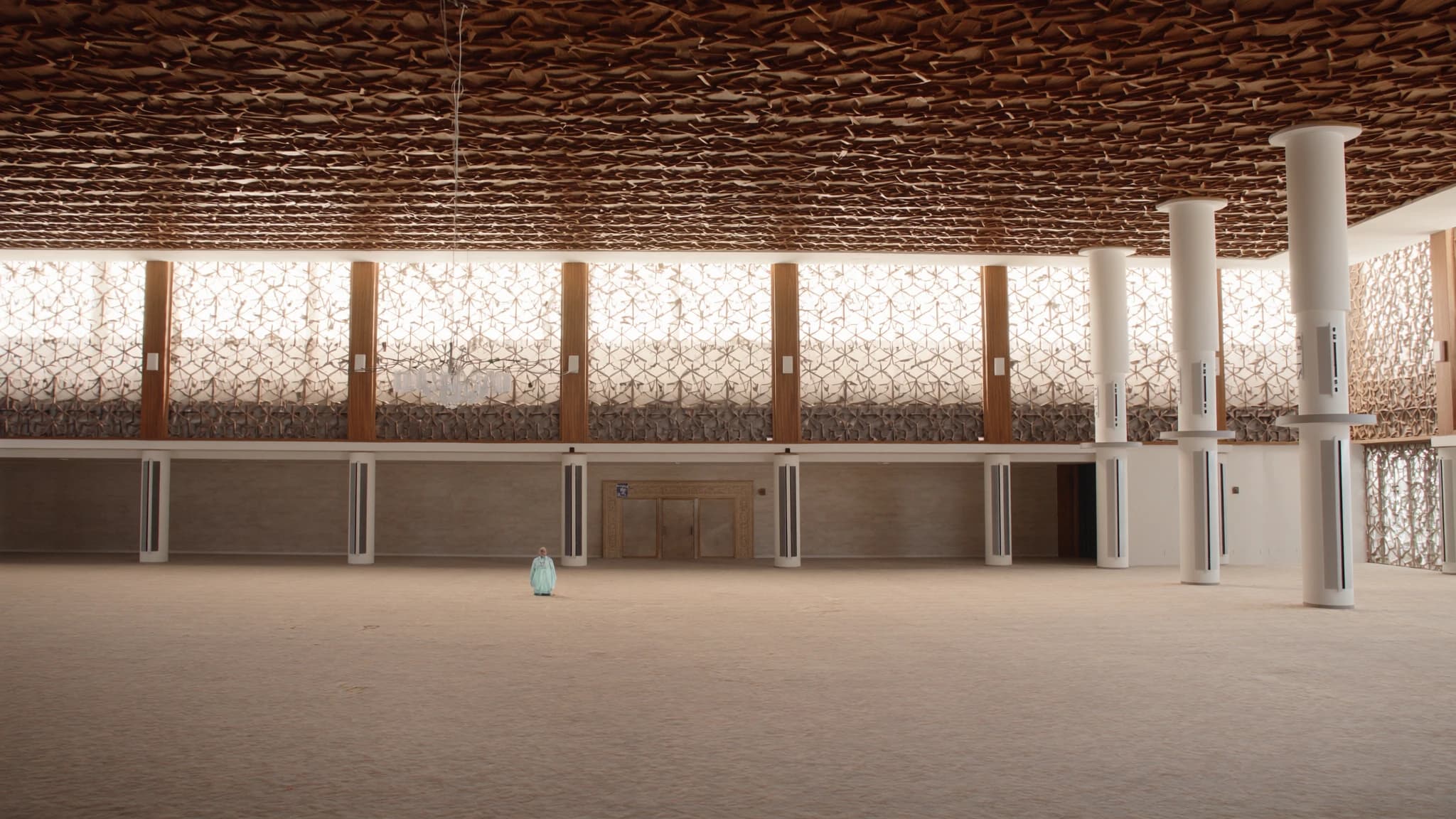
Die Planung einer Beschallungsanlage für eine Moschee bringt besondere Herausforderungen mit sich: kristallklare Sprachverständlichkeit für Predigten und Gebete zu erreichen, eine gleichmäßige Beschallung über unregelmäßige architektonische Räume hinweg sicherzustellen und die heilige akustische Umgebung zu respektieren. Bei SSOUNDS entwickeln wir professionelle PA-Systeme, die diese Anforderungen mit Präzision erfüllen. Dieser Leitfaden behandelt die Kernprinzipien der Planung von Beschallungsanlagen für Moscheen, mit Schwerpunkt auf Sprachklarheit, verteilter Beschallung und respektvoller akustischer Integration, basierend auf unserer Erfahrung bei der Bereitstellung erstklassiger Audioqualität für Andachtsräume in Afrika und darüber hinaus.
Wichtigste Punkte
- Priorisieren Sie die Sprachverständlichkeit mit STI ≥ 0,6; verwenden Sie verteilte Lautsprecherplatzierung, um Nachhall zu bekämpfen.
- Wählen Sie Lautsprecher mit kontrollierter Richtwirkung und natürlicher Stimmwiedergabe; SSOUNDS-Systeme zeichnen sich in diesen Bereichen aus.
- Integrieren Sie akustische Maßnahmen und DSP, um Reflexionen zu managen und eine gleichmäßige Beschallung sicherzustellen.
- Planen Sie visuelle und akustische Diskretion; das System sollte dem Gottesdienst dienen, ohne den Raum zu dominieren.
- Investieren Sie in zuverlässige, skalierbare Komponenten mit Redundanz; SSOUNDS bietet robuste, netzwerkfähige Lösungen.
- Stimmen Sie das System stets mit professionellen Messwerkzeugen ab, um die Leistung in allen Sitzbereichen zu überprüfen.
Die akustische Umgebung verstehen
Moscheen weisen oft harte Oberflächen wie Marmor, Fliesen und Glas auf, die lange Nachhallzeiten (RT60) erzeugen, welche die Sprache verwischen können. Kuppeln und hohe Decken erschweren zudem die Schallausbreitung. Führen Sie vor der Auswahl jeglicher Ausrüstung eine akustische Analyse durch: Messen Sie RT60, identifizieren Sie reflektierende und absorbierende Oberflächen und erfassen Sie die Geometrie des Raums. Bei bestehenden Bauwerken sollten Sie den Einbau akustischer Maßnahmen (z. B. absorbierende Paneele, Teppiche) in Betracht ziehen, um den Nachhall zu reduzieren. Die Ingenieure von SSOUNDS priorisieren stets die akustische Konditionierung als Grundlage für Klarheit.
In großen Gebetshallen ist das Ziel, jedem Zuhörer Direktschall zu liefern und gleichzeitig Reflexionen zu minimieren. Dies erfordert eine verteilte Lautsprecherplatzierung anstelle eines einzelnen zentralen Clusters. Verteiltes Systeme verkürzen den Schallweg, verringern die Auswirkungen des Nachhalls und verbessern die Verständlichkeit.
Sprachverständlichkeit: Das primäre Ziel
In einer Moschee ist das gesprochene Wort von größter Bedeutung. Die Beschallungsanlage muss die menschliche Stimme mit natürlicher Tonalität und minimaler Verzerrung wiedergeben. Zu den wichtigsten Messgrößen für die Sprachverständlichkeit gehören der Speech Transmission Index (STI) und %ALcons (prozentualer Artikulationsverlust von Konsonanten). Streben Sie einen STI ≥ 0,6 (gut) oder ≥ 0,75 (ausgezeichnet) in allen Sitzbereichen an. Die Line-Array- und Punktquellen-Systeme von SSOUNDS sind auf hohe Richtwirkung und geringe Verzerrung ausgelegt, damit jede Silbe klar zu hören ist.
Wählen Sie Lautsprecher mit weiten, gleichmäßigen Abstrahlmustern, wie Constant-Directivity-Hörner oder Waveguide-Designs, um Hotspots und tote Zonen zu vermeiden. Für Moscheen ist ein horizontales Muster von 100° und vertikales von 60° ein üblicher Ausgangspunkt, aber die genaue Spezifikation hängt von der Form des Raums und der Sitzanordnung ab. SSOUNDS bietet konfigurierbare Beschallungsoptionen für jeden Raum.
Planung der verteilten Beschallung
Für lange, schmale Gebetshallen oder Räume mit Säulen und Pfeilern ist ein verteiltes Lautsprechersystem unerlässlich. Platzieren Sie mehrere kleinformatige Lautsprecher (z. B. Decken- oder Wandmontage) in regelmäßigen Abständen entlang der Länge der Halle. Dieser Ansatz stellt sicher, dass jeder Zuhörer innerhalb von 10 bis 15 Metern von einem Lautsprecher entfernt ist, wodurch ein hohes Verhältnis von Direktschall zu Nachhall erhalten bleibt. Die kompakten Punktquellen-Gehäuse von SSOUNDS sind ideal für diese Anwendung und bieten hohe Leistung in einem diskreten Formfaktor.
In größeren Moscheen mit einer zentralen Kuppel kombinieren Sie einen zentralen Cluster für den Hauptgebetsbereich mit verteilten Delays für die hinteren Abschnitte. Verwenden Sie digitale Signalverarbeitung (DSP), um Ankunftszeiten auszurichten und Kammfiltereffekte zu vermeiden. Die Verstärker und DSP-Plattformen von SSOUNDS bieten präzise Delay-, EQ- und Pegelsteuerung für eine nahtlose Systemintegration.
Respektvolle akustische Planung
Die Beschallungsanlage sollte visuell unauffällig und akustisch transparent sein. Vermeiden Sie Lautsprecherplatzierungen, die Aufmerksamkeit erregen oder die spirituelle Atmosphäre stören. Verwenden Sie unauffällige, überstreichbare Gehäuse, die sich in die Architektur einfügen. SSOUNDS bietet individuelle Farboptionen und Montagehardware für jede Innenausstattung.
Die Lautstärke muss angemessen sein, laut genug für Klarheit, aber nicht überwältigend. Implementieren Sie eine automatische Verstärkungsregelung (AGC) oder einen dedizierten Mischer mit Kompression, um während der Predigten konstante Pegel zu halten. Für den Gebetsruf (Adhan) kann ein separater Mikrofoneingang mit maßgeschneidertem EQ die natürliche Resonanz der menschlichen Stimme verstärken.
Systemkomponenten und Integration
Ein komplettes Beschallungssystem für eine Moschee umfasst Mikrofone (Schwanenhals oder drahtlos für den Imam), einen Mischer oder digitalen Signalprozessor, Verstärker und Lautsprecher. Für große Veranstaltungsorte sollten Sie einen vernetzten DSP mit Fernsteuerung über Tablet in Betracht ziehen. Die Verstärker von SSOUNDS verfügen über integrierten DSP und Netzwerkkonnektivität, was die Einrichtung vereinfacht und Echtzeitanpassungen ermöglicht.
Backup und Redundanz sind entscheidend für die Zuverlässigkeit. Verwenden Sie duale Verstärker mit automatischem Failover und ziehen Sie ein separates Notfall-PA-System in Betracht, falls erforderlich. Die Systeme von SSOUNDS sind für den 24/7-Betrieb in anspruchsvollen Klimazonen ausgelegt, mit robustem Wärmemanagement und Überspannungsschutz.
Installation und Einmessung
Die professionelle Installation ist der Schlüssel zur Erreichung der Planungsziele. Arbeiten Sie mit einem erfahrenen Integrator zusammen, der akustische Messwerkzeuge wie SMAART oder EASERA versteht. Messen Sie nach der Installation STI und Frequenzgang an mehreren Hörpositionen und optimieren Sie dann EQ-, Delay- und Pegel-Einstellungen. SSOUNDS bietet umfassenden Support und Schulungen für unsere Partner.
Bei bestehenden Moscheen kann ein schrittweises Vorgehen erforderlich sein: Beginnen Sie mit der Hauptgebetshalle und erweitern Sie dann auf Nebenräume. Die modulare Produktpalette von SSOUNDS lässt sich leicht skalieren und ermöglicht schrittweise Upgrades, ohne das gesamte System ersetzen zu müssen.
Häufige Fragen
Welcher Lautsprechertyp ist der beste für eine Moschee?
Für die meisten Moscheen bietet ein verteiltes System mit kompakten, hoch gerichteten Punktquellen-Lautsprechern die beste Sprachverständlichkeit. In sehr großen Hallen kann eine zentrale Line-Array-Anordnung mit Delay-Fills sinnvoll sein. SSOUNDS bietet beide Optionen, entwickelt für natürliche Stimmwiedergabe und eine weite, gleichmäßige Beschallung.
Wie reduziere ich den Echo in einer Moschee mit harten Oberflächen?
Akustische Maßnahmen (absorbierende Paneele, Teppiche, Vorhänge) sind die wirksamste Lösung. Verwenden Sie zusätzlich verteilte Lautsprecher in der Nähe der Zuhörer, um den Direktschall zu maximieren. Der DSP von SSOUNDS kann außerdem eine dezente EQ-Anpassung und Begrenzung anwenden, um die Nachhallbildung zu reduzieren.
Kann ich für eine kleine Moschee einen einzelnen Lautsprecher verwenden?
Ein einzelner Lautsprecher kann für sehr kleine Räume (unter 100 m²) mit niedrigen Decken funktionieren, aber für jeden Raum mit mehreren Reihen oder unregelmäßigen Formen wird eine verteilte Beschallung empfohlen. Selbst in kleinen Moscheen sorgen zwei oder mehr Lautsprecher für gleichbleibende Klarheit.
Welches Mikrofon ist das beste für den Imam?
Ein Kondensatormikrofon mit Schwanenhals und Nierencharakteristik ist ideal für den Imam, da es eine klare Aufnahme liefert und Hintergrundgeräusche unterdrückt. Drahtlose Lavaliermikrofone bieten Bewegungsfreiheit. SSOUNDS empfiehlt hochwertige Modelle mit Pop-Filtern und Stoßdämpfern.
Wie stelle ich die Zuverlässigkeit des Systems im täglichen Einsatz sicher?
Wählen Sie Komponenten in Profiqualität mit nachgewiesener Zuverlässigkeit. Die Verstärker von SSOUNDS verfügen über redundante Netzteile und Thermoschutz. Regelmäßige Wartung (Reinigung, Firmware-Updates) und ein Ersatzverstärker oder eine DSP-Einheit können Ausfallzeiten verhindern.
System aufbauen oder aufrüsten?
SSOUNDS entwickelt und fertigt professionelle PA weltweit, vom einzelnen Raum bis zur Stadiongröße.