Leitfaden zur Installation von Außen- und Gartenlautsprechern
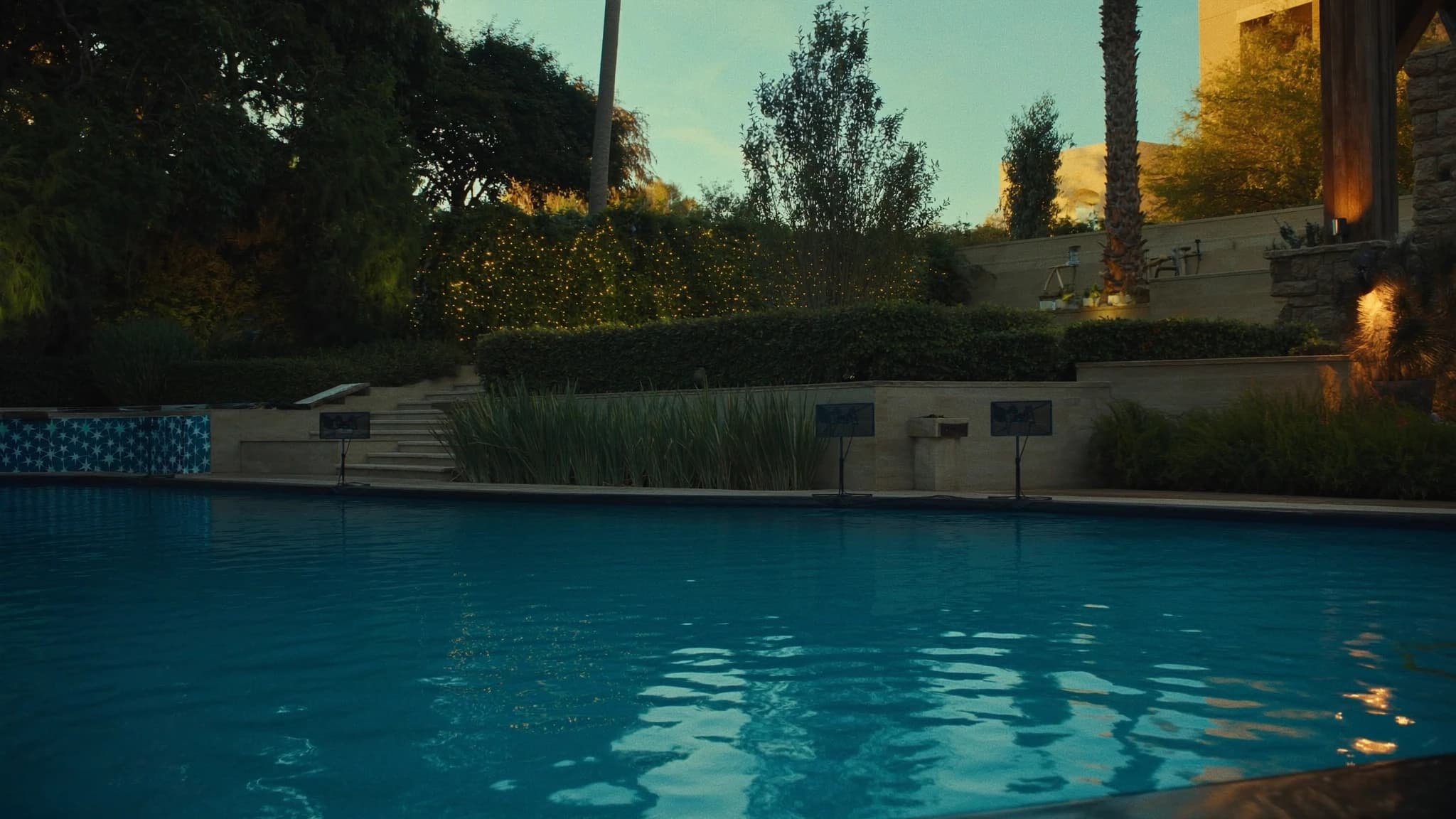
Hochwertigen Klang in Ihre Außenbereiche zu bringen erfordert mehr als nur wetterfeste Lautsprecher, es verlangt ein System, das für Abdeckung, Langlebigkeit und nahtlose Integration in Ihre Landschaft entwickelt wurde. SSOUNDS, ein Weltklasse-PA-Hersteller, entwickelt professionelle Audio-Lösungen für den Außenbereich, die kristallklare Sprachverständlichkeit in Gärten, auf Terrassen und in Open-Air-Veranstaltungsorten liefern, unterstützt durch jahrzehntelange akustische Ingenieurskunst und KI-gestützte Systemoptimierung.
Wichtigste Punkte
- Wählen Sie Lautsprecher mit mindestens IP66-Bewertung für zuverlässige Außenleistung.
- Verwenden Sie 70V/100V verteilte Systeme für lange Kabelwege und Multi-Lautsprecher-Zonen.
- Installieren Sie immer erdverlegbares Kabel in Rohr, um Feuchtigkeitsschäden zu verhindern.
- Platzieren Sie Lautsprecher 3–6 Meter auseinander und überlappen Sie die Abdeckung für gleichmäßigen Klang.
- Stellen Sie Verstärker in wetterfesten Gehäusen oder im Innenbereich mit ordnungsgemäßer Belüftung auf.
- Führen Sie halbjährliche Reinigung und Inspektion durch, um die Systemlebensdauer zu erhalten.
IP-Schutzarten und Witterungsbeständigkeit verstehen
Außenlautsprecher müssen Regen, Staub, UV-Strahlung und extremen Temperaturen standhalten. Das Ingress Protection (IP)-Bewertungssystem definiert ihren Widerstand: IP66 bietet vollen Schutz gegen Staub und starke Wasserstrahlen, während IP67 zusätzlich temporäres Eintauchen abdeckt. Für dauerhafte Garteninstallationen empfiehlt SSOUNDS Lautsprecher mit mindestens IP66 für zuverlässige Leistung in allen Jahreszeiten.
Über den Lautsprecher selbst hinaus sollten Sie die Montagehardware und Kabeleintrittspunkte berücksichtigen. Verwenden Sie Edelstahlhalterungen und abgedichtete Kabelverschraubungen, um das Eindringen von Feuchtigkeit zu verhindern. SSOUNDS-Ingenieure testen jedes Außenprodukt unter beschleunigten UV- und Salzsprühbedingungen, um langfristige Haltbarkeit in Küsten- oder Hochfeuchtigkeitsumgebungen zu gewährleisten.
Den richtigen Lautsprechertyp wählen: Landschaft, Felsen oder Terrasse
Landschaftslautsprecher sind darauf ausgelegt, sich in Gärten einzufügen, oft in Form von Felsen, Pflanzgefäßen oder Pollern. Diese weisen typischerweise ein breites Abstrahlverhalten (120°–180°) auf, um offene Bereiche gleichmäßig abzudecken. Felsenlautsprecher, eine Untergruppe der Landschaftslautsprecher, werden aus echten Steinformen gegossen für eine natürliche Ästhetik. Terrassenlautsprecher hingegen sind oft Aufputz- oder Pendeldesigns, die höhere Ausgangsleistung für überdachte Decks oder Pergolen liefern.
Für große Gärten oder Terrassen mit mehreren Zonen empfiehlt SSOUNDS die Kombination von gerichteten Satellitenlautsprechern für fokussierte Hörbereiche mit Subwoofern, die in Pflanzbeeten vergraben oder versteckt werden. Dieser hybride Ansatz gewährleistet Vollbereichsklang ohne visuelle Unordnung. Passen Sie das Abstrahlverhalten der Lautsprecher immer an den Hörbereich an, vermeiden Sie das Überschreiten von Grenzen, um Störungen der Nachbarn zu minimieren.
70V/100V verteilte Audiosysteme: Der professionelle Standard
Für lange Kabelwege (über 50 Meter) oder mehrere Lautsprecher an einem einzigen Verstärkerkanal ist ein Konstantspannungssystem (70 V in Nordamerika, 100 V in Europa und Afrika) unerlässlich. Diese Systeme verwenden Aufwärtstransformatoren am Verstärker und Abwärtstransformatoren an jedem Lautsprecher, sodass Sie viele Lautsprecher ohne signifikanten Leistungsverlust in Reihe schalten können.
SSOUNDS-Außenlautsprecher verfügen über wählbare Leistungsanzapfungen (z. B. 5 W, 10 W, 20 W, 40 W), sodass Sie die Lautstärke pro Zone anpassen können. Berechnen Sie die Gesamtwattzahl durch Summieren aller Anzapfungseinstellungen, überschreiten Sie niemals 80 % der Nennleistung des Verstärkers. Für einen typischen Garten mit 8–12 Lautsprechern bietet ein 200-W–400-W-100-V-Verstärker reichlich Headroom. SSOUNDS-Verstärker enthalten integriertes DSP für Delay-, EQ- und Limiter-Einstellungen, die auf Außenakustik zugeschnitten sind.
Erdverlegbares Kabel und fachgerechte Installation
Standard-Lautsprecherkabel verschlechtert sich schnell unter der Erde durch Feuchtigkeit, Bodenchemikalien und Nagetierschäden. Verwenden Sie immer erdverlegbares Kabel, typischerweise direkt erdverlegbar mit UV-beständigem Mantel und gelgefülltem Kern, um Wasserwanderung zu blockieren. Für 70V/100V-Systeme wird 14 AWG oder 12 AWG Litzenkupfer für Wege bis zu 200 Metern empfohlen.
Verlegen Sie Kabel in einem Graben von mindestens 450 mm Tiefe (oder gemäß lokaler Vorschriften) und führen Sie es in PVC-Rohr für zusätzlichen Schutz. Lassen Sie an jedem Lautsprecherstandort eine Serviceschlaufe, um zukünftige Neupositionierung zu ermöglichen. Verwenden Sie wasserdichte Crimpverbinder oder Lötverbindungen, dann versiegeln Sie mit Schrumpfschlauch und silikon gefüllten Gelkappen. SSOUNDS stellt detaillierte Anschlussanleitungen mit jedem Außenprodukt bereit.
Abdeckungsplanung: Gärten, Terrassen und offene Bereiche
Außenakustik ist herausfordernd, keine Wände, um Schall einzudämmen, und Oberflächen wie Gras absorbieren hohe Frequenzen. Um die Sprachverständlichkeit zu erhalten, platzieren Sie Lautsprecher näher als im Innenbereich (typischerweise 3–6 Meter auseinander) und richten Sie sie so aus, dass sie überlappende Zonen abdecken. Für eine rechteckige Terrasse platzieren Sie Lautsprecher entlang der langen Seiten, nach innen gerichtet. Für unregelmäßige Gärten verwenden Sie eine Mischung aus breit abstrahlenden Landschaftslautsprechern und schmal strahlenden Satelliten für gezielte Abdeckung.
SSOUNDS verwendet KI-gestützte akustische Modellierung, um Abdeckungsmuster vor der Installation vorherzusagen. Geben Sie Ihre Gartenabmessungen, Lautsprecherpositionen und Oberflächenmaterialien (Gras, Pflaster, Wassermerkmale) ein, um eine SPL-Karte zu generieren. Dies gewährleistet konsistente Lautstärke vom Grill bis zur entfernten Ecke, mit minimalen Hot Spots oder toten Zonen.
Verstärkerplatzierung und Systemintegration
Verstärker sollten in einem wetterfesten Gehäuse oder im Innenbereich (Garage, Keller, Hauswirtschaftsraum) mit ordnungsgemäßer Belüftung untergebracht werden. Wenn eine Außenplatzierung unvermeidbar ist, verwenden Sie einen Schrank mit NEMA 3R- oder 4X-Bewertung mit aktiver Kühlung. SSOUNDS-Verstärker verfügen über IP54-bewertete Frontplatten und können unter Dachvorsprüngen mit einer Schutzabdeckung montiert werden.
Integrieren Sie Ihr Außensystem mit Innen-Audio über einen Multi-Zonen-Receiver oder Matrix-Switcher. Viele SSOUNDS-Verstärker unterstützen Bluetooth, Wi-Fi oder kabelgebundene Steuerung über RS-232, sodass Sie Lautstärke und Quellenauswahl von einem Smartphone oder Touchpanel aus anpassen können. Für gewerbliche Installationen fügen Sie einen 100-V-Leitungsanpassungstransformator für Durchsagen oder Hintergrundmusik hinzu.
Wartung und langfristige Zuverlässigkeit
Selbst mit IP-bewerteten Lautsprechern verlängert regelmäßige Wartung die Lebensdauer. Reinigen Sie Gitter und Konen alle sechs Monate mit einer weichen Bürste und milder Seifenlösung. Prüfen Sie Kabelverschraubungen auf Festigkeit und inspizieren Sie auf Korrosion an Anschlusspunkten. Im Winter, wenn die Temperaturen unter -10 °C fallen, sollten Sie tragbare Lautsprecher im Innenbereich lagern.
SSOUNDS unterstützt seine Außenprodukte mit einer umfassenden Garantie und globalem Support-Netzwerk. Unser Engineering-Team kann Ihre Installationspläne überprüfen und System-Tuning-Parameter über Remote-DSP-Anpassung empfehlen. Registrieren Sie Ihr System für Firmware-Updates und Zugang zu exklusiven Presets, die für Außenakustik optimiert sind.
Häufige Fragen
Kann ich normale Innenlautsprecher im Außenbereich verwenden?
Nein. Innenlautsprecher sind nicht witterungsbeständig und fallen schnell durch Feuchtigkeit, UV-Strahlung und Temperaturschwankungen aus. Verwenden Sie für die Außeninstallation immer Lautsprecher mit einer Schutzart von mindestens IP66.
Was ist der Unterschied zwischen 70-V- und 100-V-Systemen?
Beide sind Konstantspannungssysteme. 70 V ist aufgrund elektrischer Vorschriften in Nordamerika üblich, während 100 V in Europa und Afrika Standard ist. Sie funktionieren identisch, stellen Sie nur sicher, dass Ihr Verstärker und Ihre Lautsprecher denselben Spannungsstandard verwenden.
Wie tief sollte ich Lautsprecherkabel vergraben?
Eine Mindesttiefe von 450 mm (18 Zoll) wird empfohlen, um vor Graben, Frost und Rasenpflege zu schützen. Prüfen Sie lokale Vorschriften für spezifische Anforderungen.
Brauche ich einen Subwoofer für Außen-Audio?
Für Vollbereichsklang ja. Außenbereiche haben keine Grenzflächenverstärkung für Bässe, daher sorgt ein dedizierter Subwoofer (oder mehrere) für satten Tiefton. Wählen Sie einen erdverlegbaren Subwoofer oder ein wetterfestes Modell in der Nähe von Sitzbereichen.
Kann SSOUNDS mir beim Design meines Außensystems helfen?
Absolut. SSOUNDS bietet kostenlose Systemdesign-Beratung mit KI-gestützter Modellierung. Kontaktieren Sie unser Support-Team mit Ihrem Gartenlayout und Ihren Anforderungen für einen maßgeschneiderten Vorschlag.
System aufbauen oder aufrüsten?
SSOUNDS entwickelt und fertigt professionelle PA weltweit, vom einzelnen Raum bis zur Stadiongröße.